



Investigating IT System Failures and Business Risks: SIOS Technology Report Reveals Critical Insights
Unveiling the Impact of IT System Failures on Business Operations
In a recent study conducted by SIOS Technology Co., Ltd., experts have examined the realities associated with IT system failures. The research involved 550 professionals responsible for IT operations from companies with over 300 employees. The findings of this investigation underline the alarming frequency and serious consequences of system outages, defining them not as rare anomalies but rather significant risks that can endanger business continuity and corporate value.
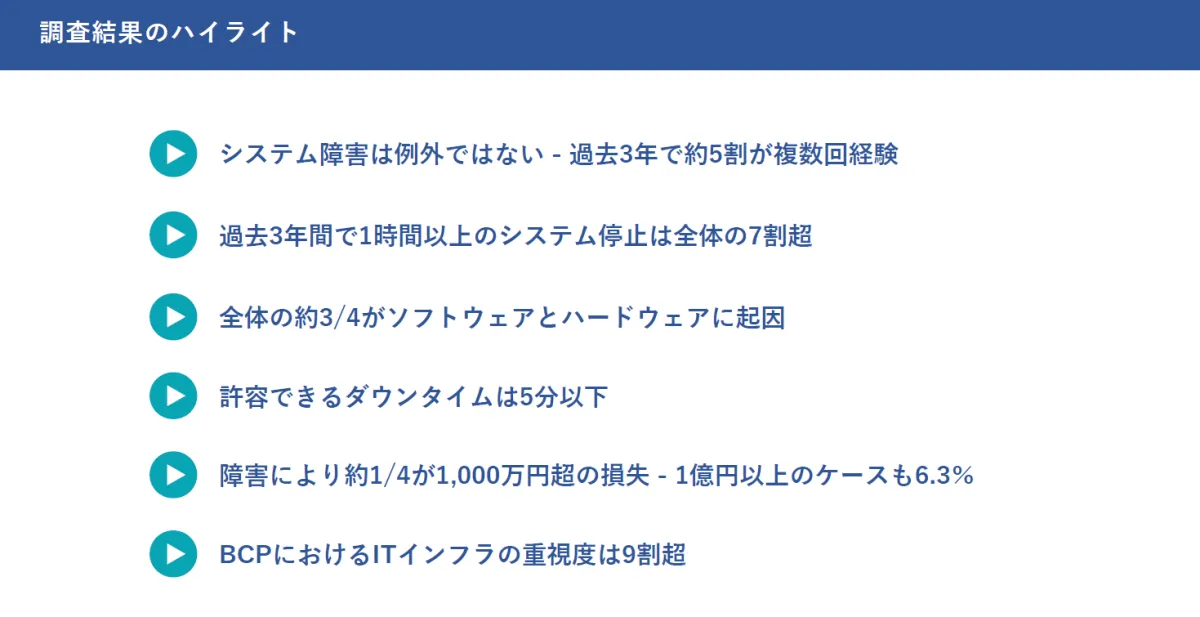
Key Findings from the Research
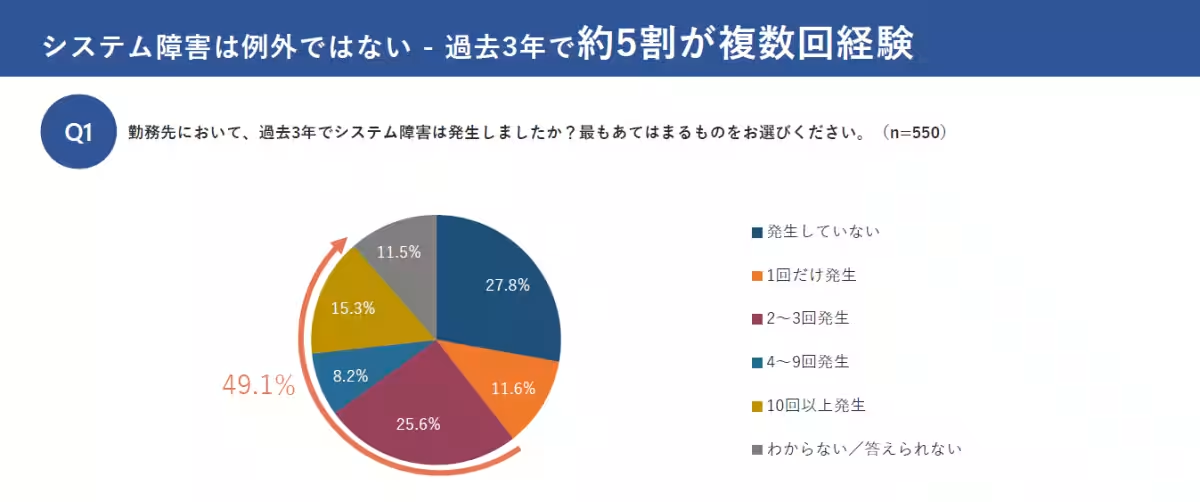
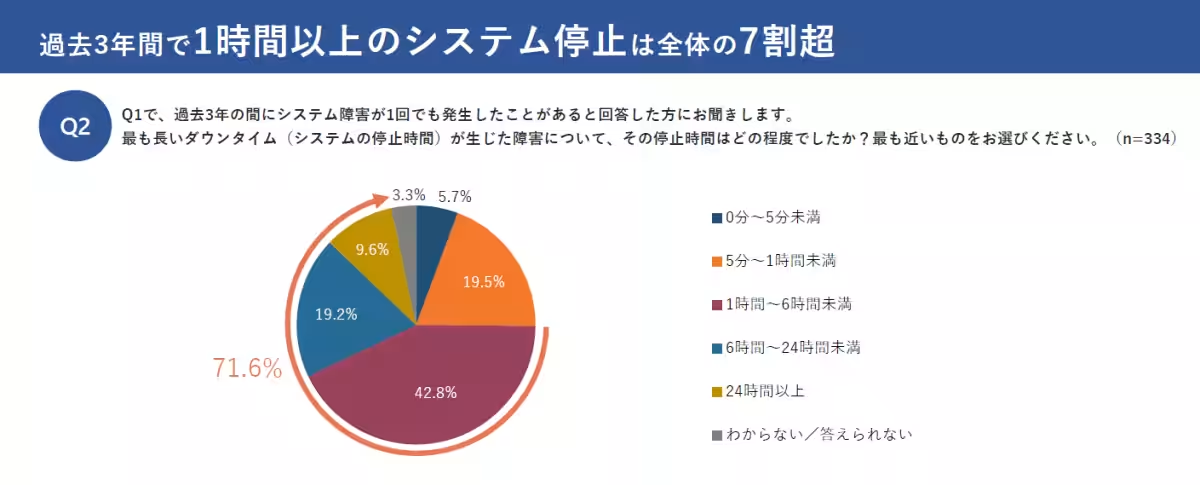
The survey made it clear that IT system failures are anything but sporadic; nearly half of the surveyed companies reported multiple occurrences of outages in the past three years. Specifically, about 60% had experienced at least one system failure, while around 49.1% had dealt with several incidents. Moreover, a staggering 71.6% faced downtimes exceeding one hour during their most significant outages, impacting their service provision and operational efficiency.
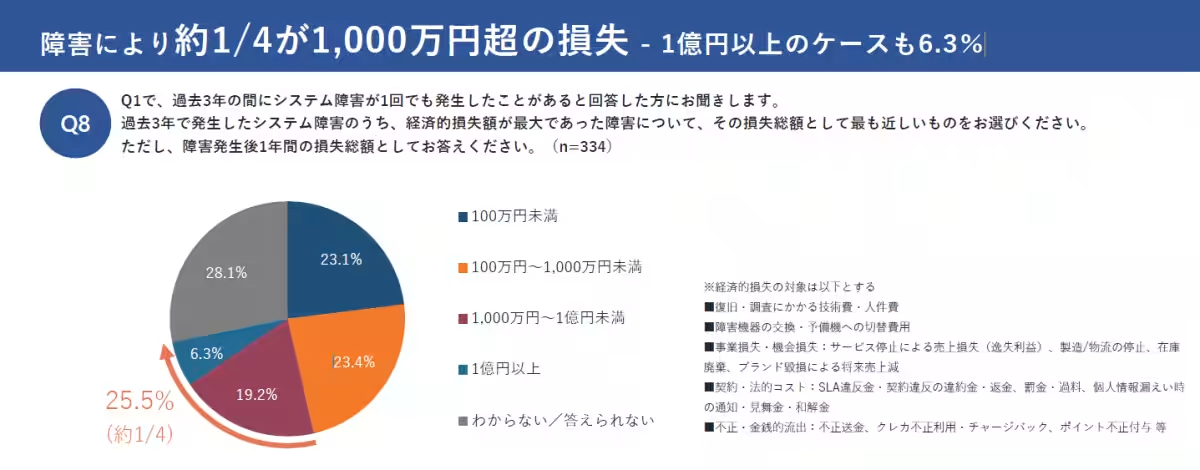
The economic repercussions of these failures were equally severe. Examining the financial losses attributed to the most detrimental incidents over the past three years, it was revealed that 23.4% of companies suffered losses between 1 million and 10 million yen, while 19.2% faced losses ranging from 10 million to 100 million yen. Disturbingly, about 6.3% of firms reported losses exceeding 100 million yen, indicating a prominent potential financial risk stemming from system outages.
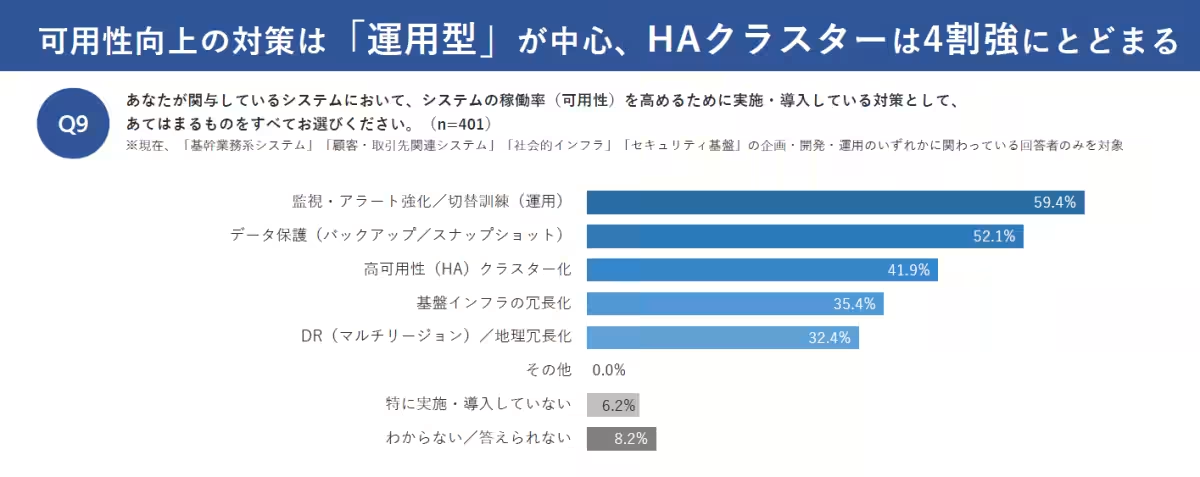
Additionally, despite the evident risks posed by system failures, the measures implemented by businesses to enhance operational availability predominantly lean towards reactive solutions. The most common measures involved strengthening monitoring and alerts (59.4%) and establishing data protection protocols (52.1%), suggesting a heavy reliance on manual response actions. With only 41.9% implementing high availability (HA) clustering, it's clear that proactive resolutions are still lagging, highlighting a significant gap between risk and prevention efforts.
Insights into System Outage Frequency and Downtime
The research revealed that 70% of companies have experienced outages lasting more than one hour. The longest downtime durations recorded were predominantly between one to six hours. This alarming trend signifies that businesses could face extensive disruptions affecting customer service and overall productivity. The implications underscore the need for automated recovery processes and robust redundancy structures to minimize downtimes and associated risks.
Crucially, human-dependent rescue operations often prolong recovery times, emphasizing the need for solutions that prioritize automated resilience strategies as businesses navigate these challenges.
Economic Impact and Equipment Reliability
The investigation further illustrated the economic impacts tied to outages. Almost one in four businesses reported experiencing losses exceeding 10 million yen, with 6.3% citing damages over 100 million yen. This stark reality highlights that system failures can severely compromise business operations and lead to substantial financial setbacks.
Action Plans for Improving System Availability
The dominant techniques employed to improve operational availability revolve around manual and operational strategies rather than investing in advanced recovery technologies, such as HA clusters, as mentioned before. While these methods are valuable, they may not suffice in modern digital environments where reliability and swift recovery are paramount.
The research suggests that organizations must shift towards automated solutions like HA clustering to alleviate recovery burdens, especially during off-hours when staff may not be available to respond to incidents. Transitioning to automated recovery and redundancy solutions is vital for stabilizing operations and reducing potential risks that threaten business viability.
Conclusion
In summary, the research conducted by SIOS Technology reveals a disconcerting trend in the prevalence and impact of IT system outages. With nearly half of the surveyed companies enduring multiple failures, and over 70% of the longest downtimes exceeding one hour, it's undeniable that these incidents pose significant risks to business continuity and corporate reputation. Furthermore, as companies grapple with software and hardware-related difficulties—responsible for the majority of failures—it becomes crucial to address current gaps in risk management strategies through more effective redundancies and automatic recovery systems.
The pursuit of enhanced BCP (Business Continuity Planning) effectiveness through solutions like HA clustering stands out as a significant consideration for organizations aiming to bolster operational resilience moving forward.
About the Survey
The inquiry entitled "Reality of IT System Failures and Business Risks" serves to illuminate the realities of system outages, availability efforts, and BCP strategies across enterprises, thus offering insights that support the evaluation and improvement of IT infrastructure for stable operations.
Topics Business Technology)
【About Using Articles】
You can freely use the title and article content by linking to the page where the article is posted.
※ Images cannot be used.
【About Links】
Links are free to use.