



2025's Insights into Social Media Advertising and Consumer Behavior: Trends and Changes
Understanding Social Media Advertising Behavior in 2025
As social media continues to be an integral part of daily life, it shapes user preferences, interests, and purchasing actions. The medium is crucial for businesses, serving as a connection between product awareness and purchases. It is essential for marketers to comprehend how different age groups are reacting to media touchpoints and advertisements. The study conducted by PRIZMA in 2025 sheds light on these dynamics with a focus on Generation Z (ages 15-27), Generation Y (ages 28-42), and Generation X (ages 43-58).
2025 Social Media Usage Trends
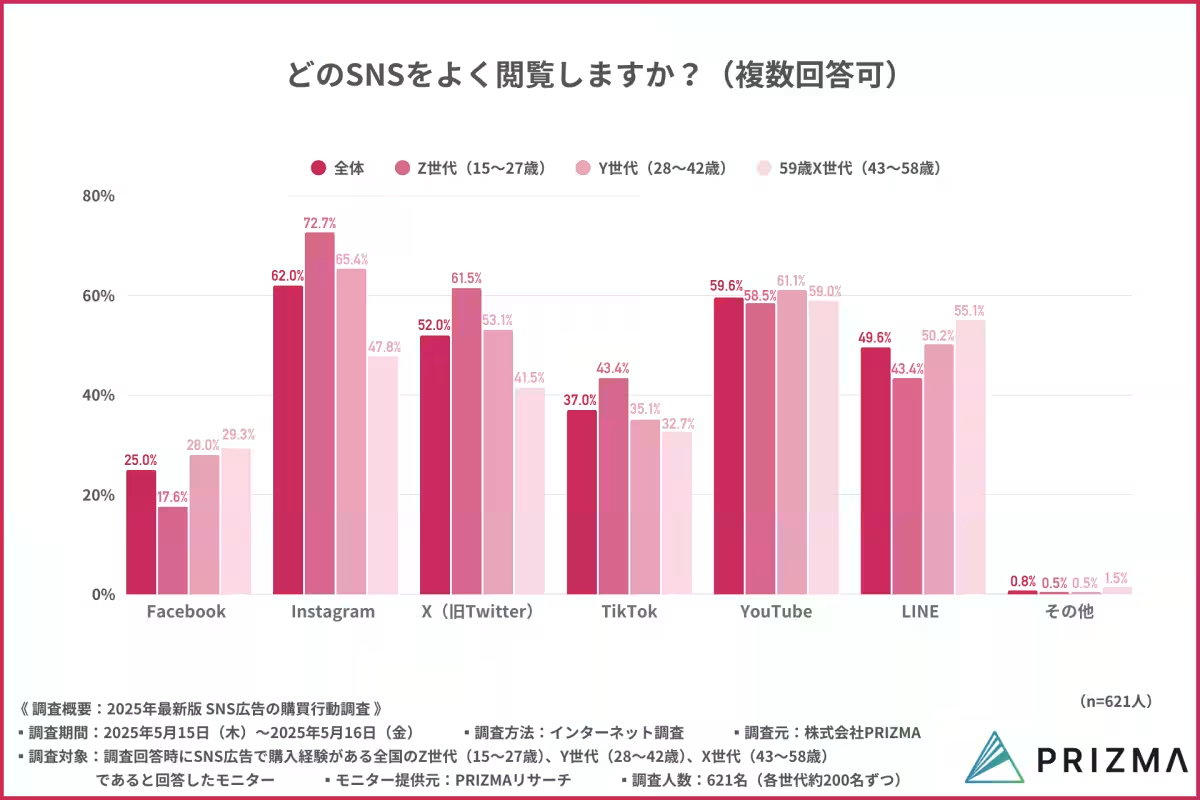
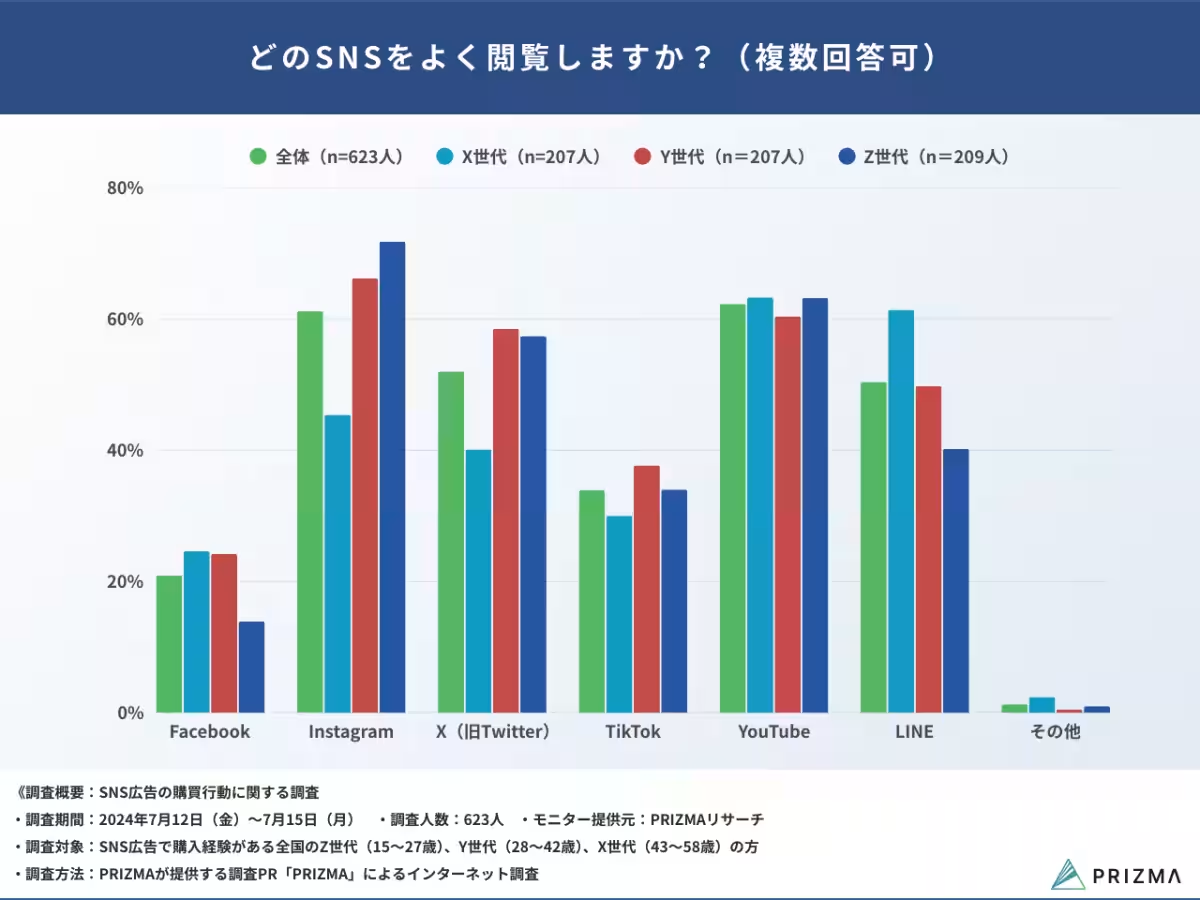
According to the survey of 623 individuals who have had purchasing experiences via social media ads, significant trends have emerged. While platforms like Instagram (61.16%) and YouTube (62.3%) have maintained stable usage rates, changes show a notable slowdown in TikTok's popularity among Gen Z. Specifically, TikTok's usage among this demographic has shifted minimally from 33.9% to 33.97%, while X (previously known as Twitter) has decreased from 57.4% to 52.5%. Conversely, platforms like Facebook have gained traction, particularly among older generations, highlighting a reassessment of communication tools.
Changing Content Preferences
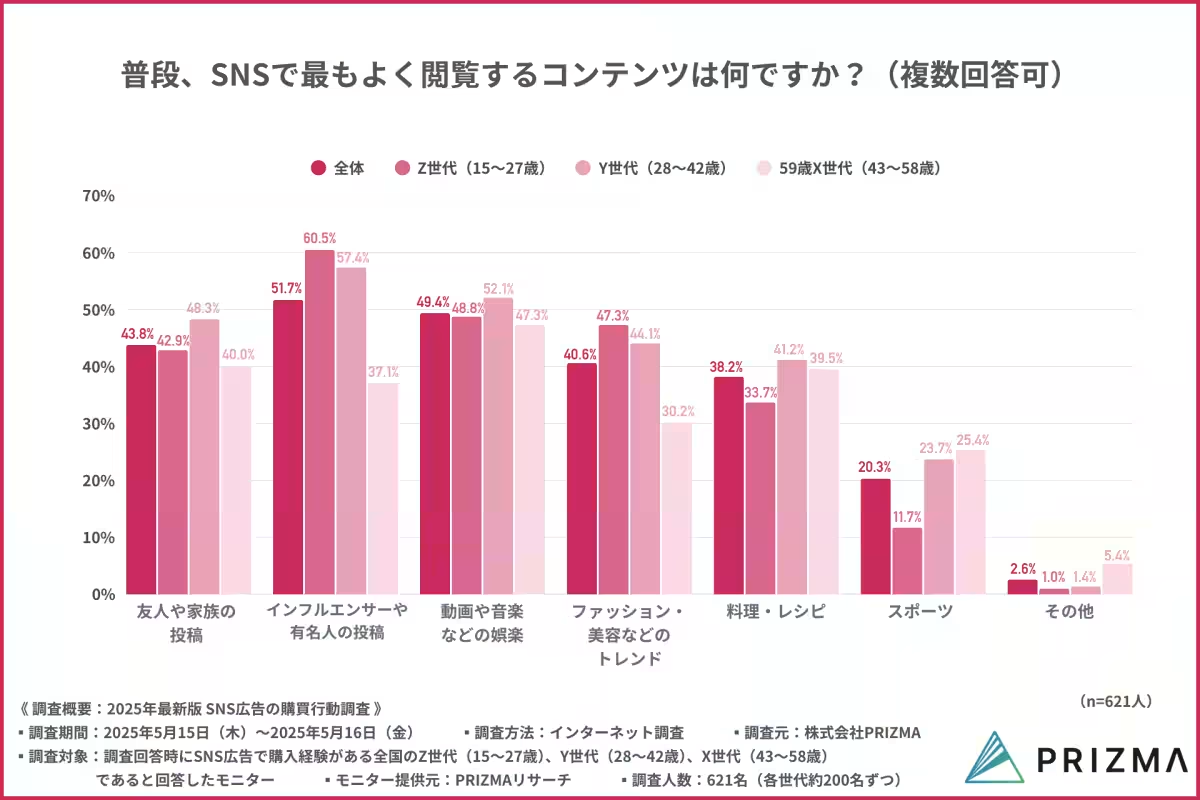
When it comes to content preference, entertainment continues to lead. Influencer content (51.7%) and videos/music (49.4%) remain the most viewed genres. However, there’s a remarkable increase in interest for fashion and beauty content among Gen Z, which skyrocketed from 35.4% to 47.3%. This suggests that the younger generation is increasingly attentive to trending information. Cooking and recipe-related content saw mild growth across all age groups, particularly in Generation X, which recorded a rise from 34.8% to 39.5%, indicating a growing demand for practical information in daily life.
Ad Formats and Their Effectiveness
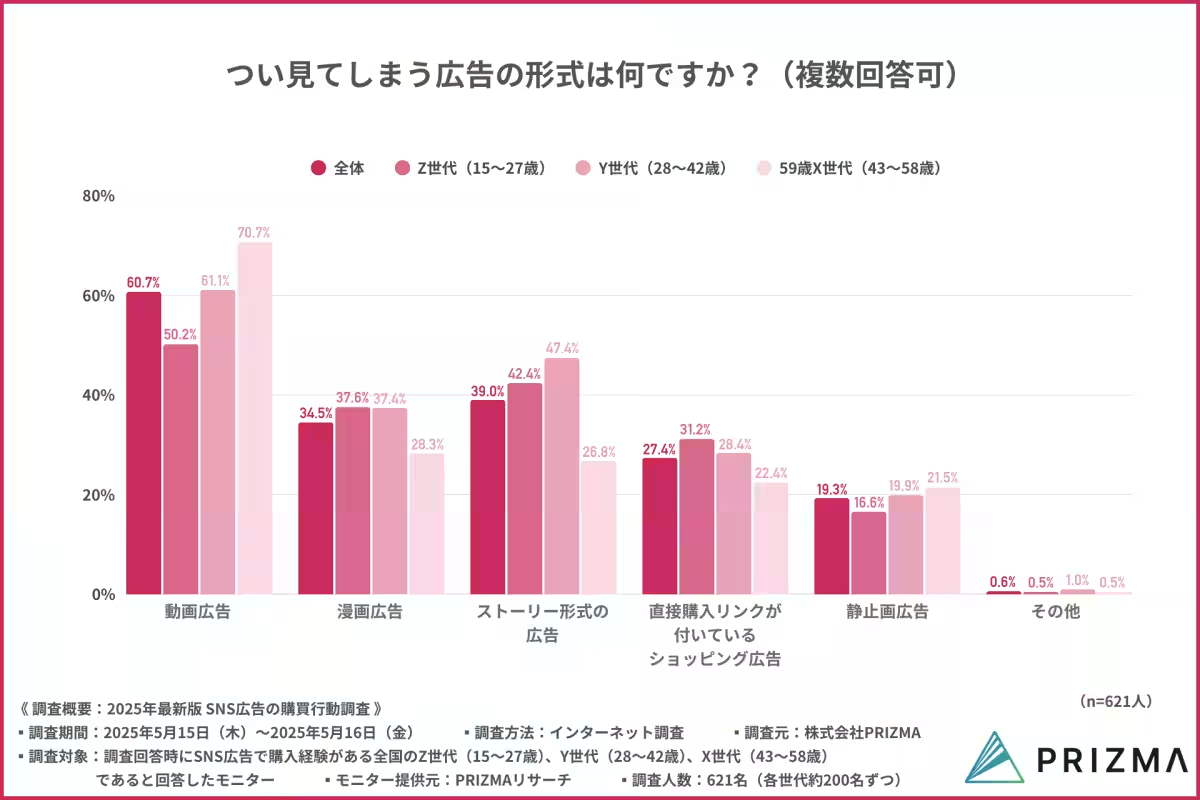
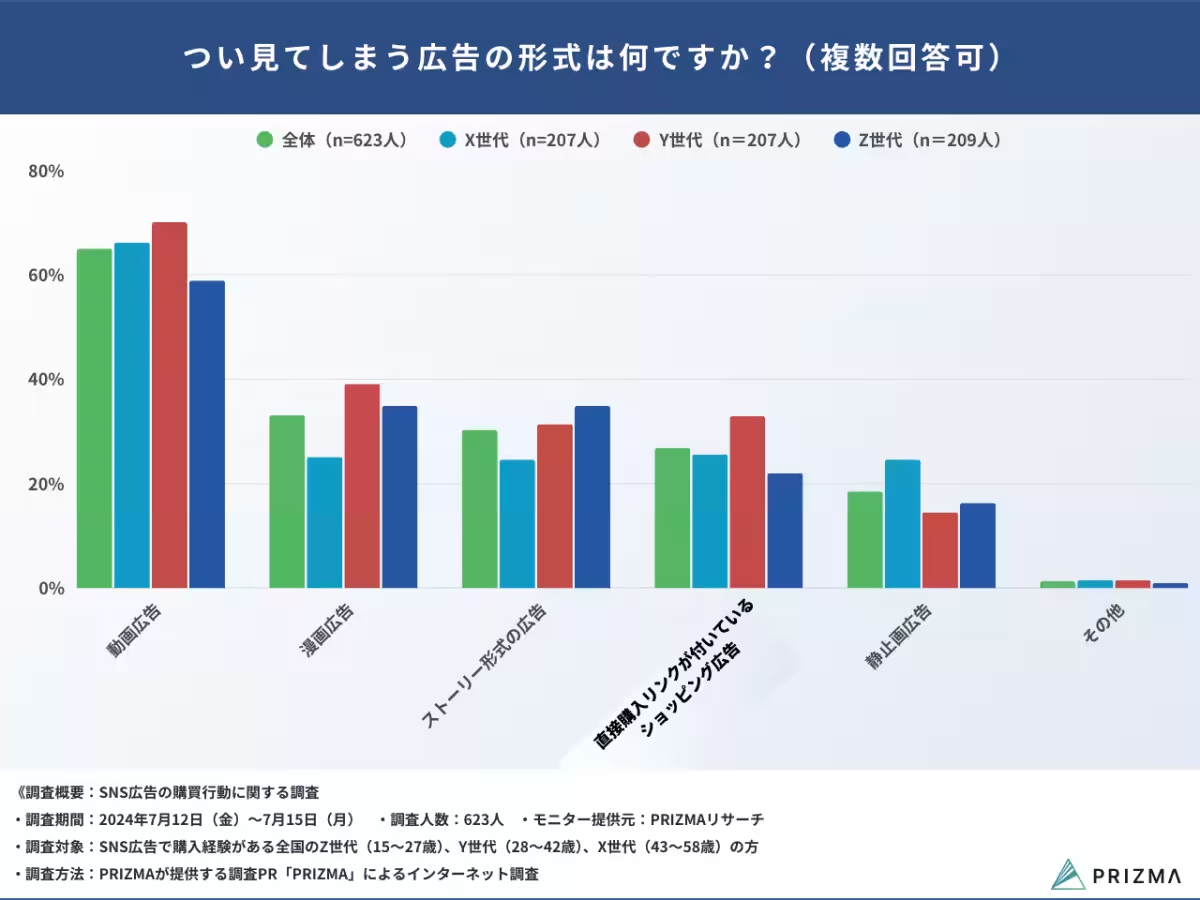
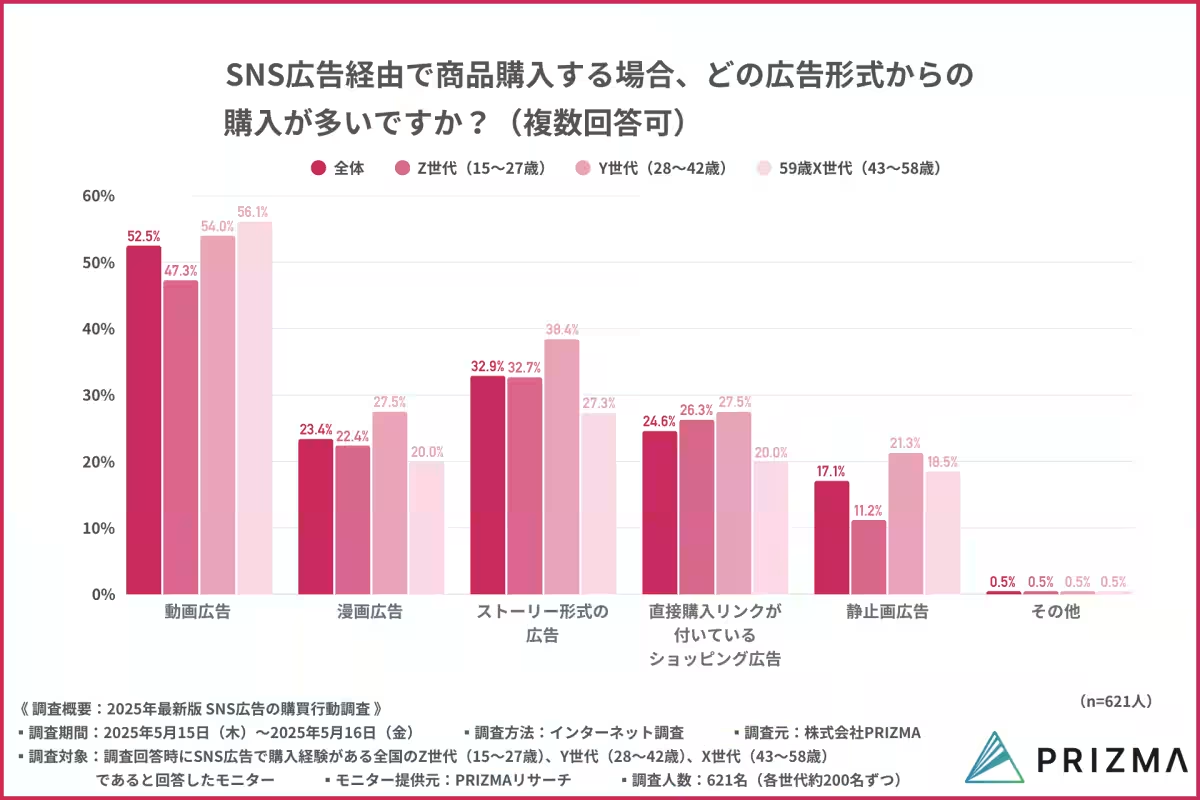
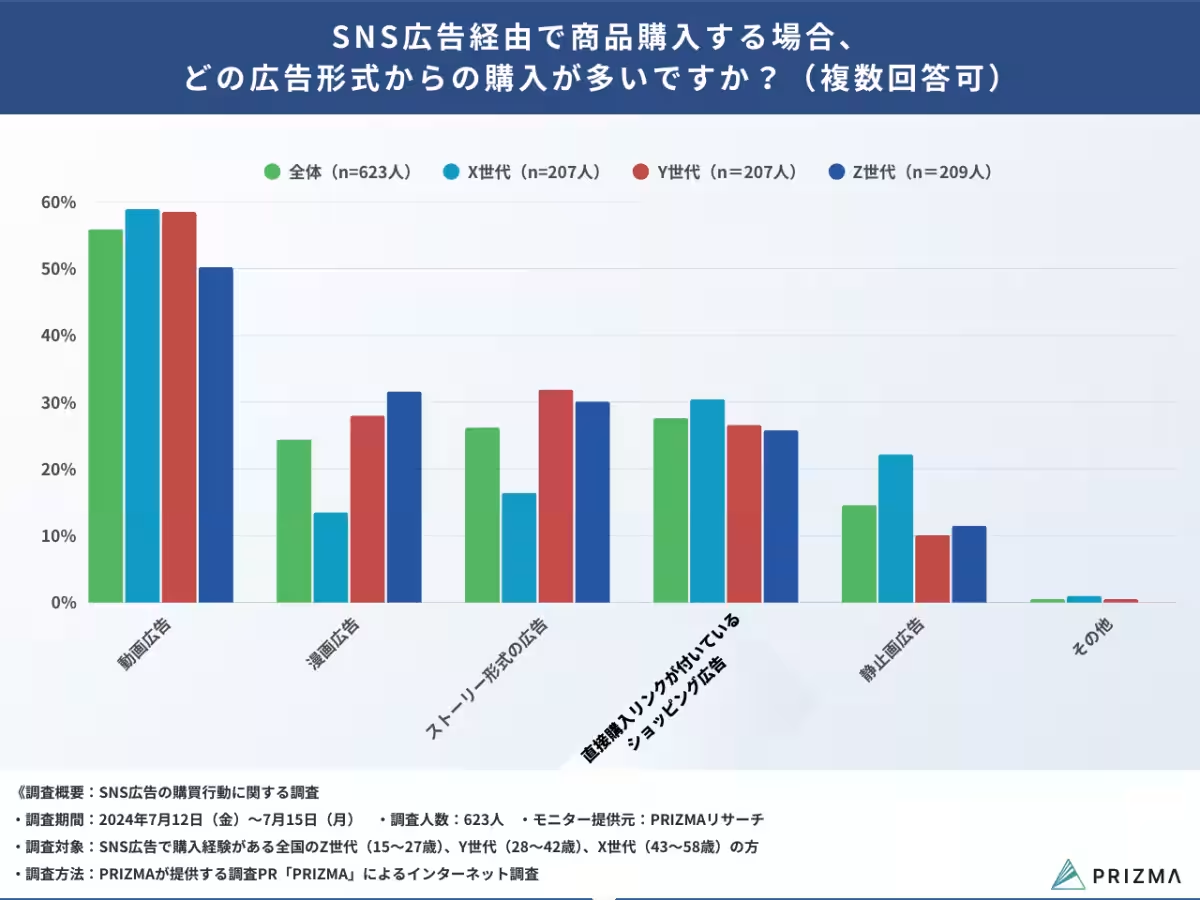
Survey results show that the viewer engagement with ads remains dominated by video content. In 2025, video ads attracted 52.5% of purchases, retaining their top spot from the previous year. The rise of story-based ads (32.9%) indicates a preference for narratives that captivate viewers' attention. However, video ad engagement among Gen Z dipped from 58.9% to 50.2%, suggesting a potential shift in desirable ad forms. Moreover, while comic ads found sustained interest in Generation Y (39.1%), they faced a decline in Gen Z engagement (31.6% to 22.4%). This dynamic underscores the complex relationship between ad format and audience preference.
Insights on Consumer Behavior
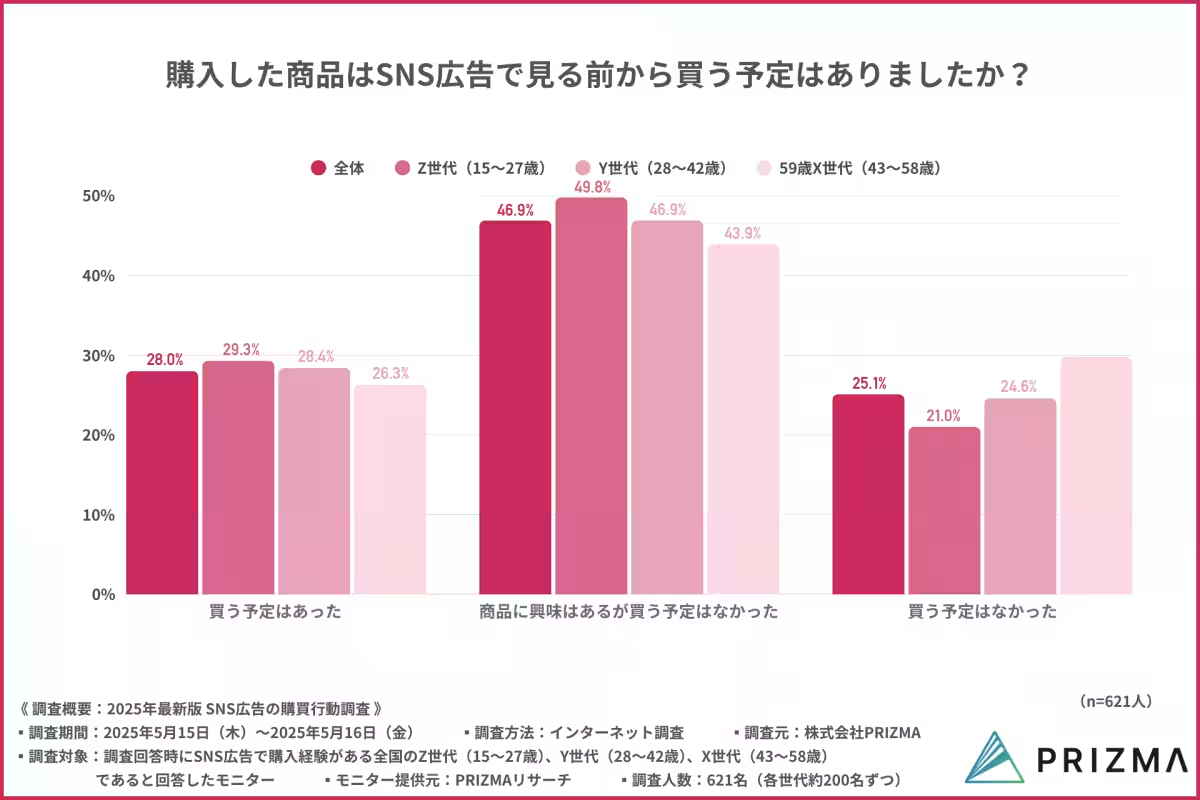
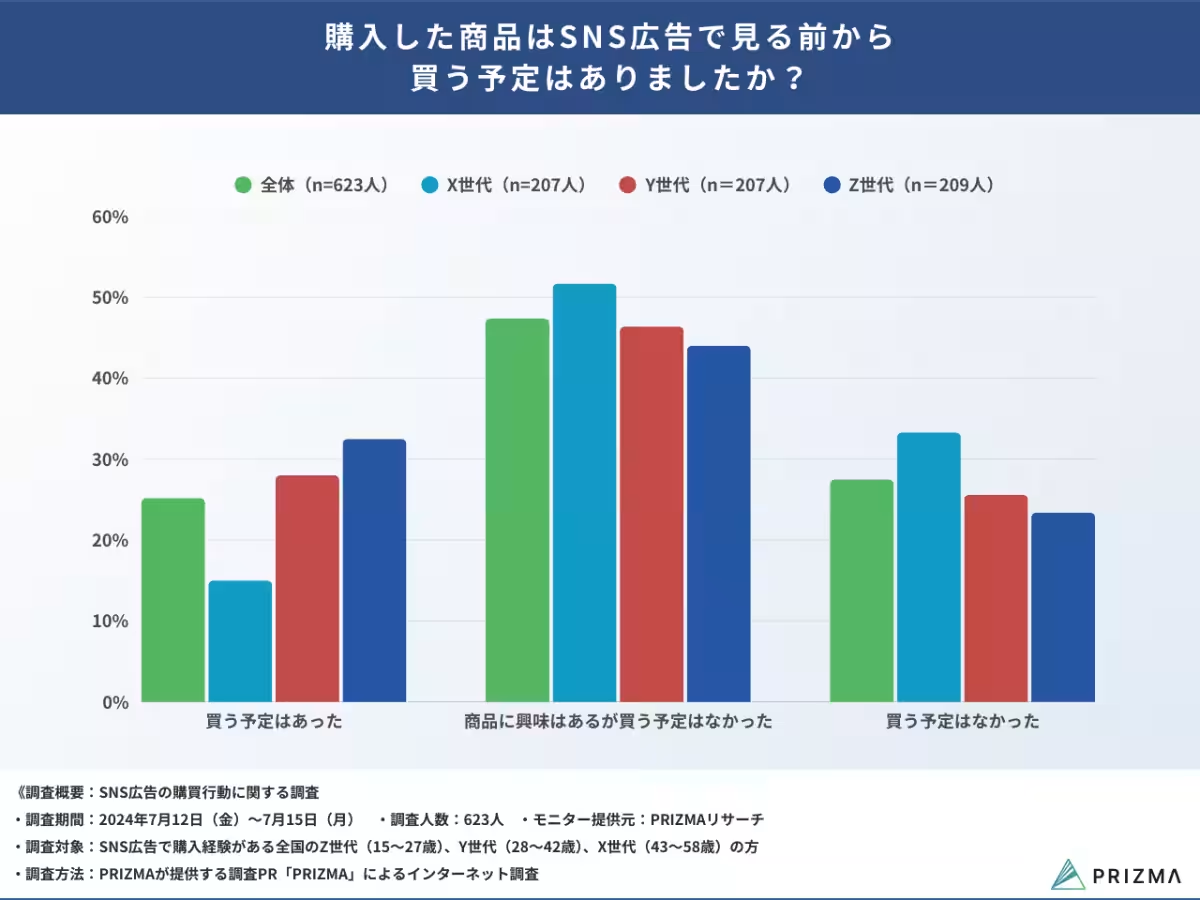
The study also looked into how social media advertising influences purchasing behavior. Remarkably, about 70% of respondents indicated that they had no prior intention to purchase before seeing an ad. This substantiates social media ads' ability to generate new buying impulses. Notably, Generation Z's pre-intent to buy decreased slightly, while those in Generation X reported even stronger influences from ads.
The Balance of Appeal in Advertising
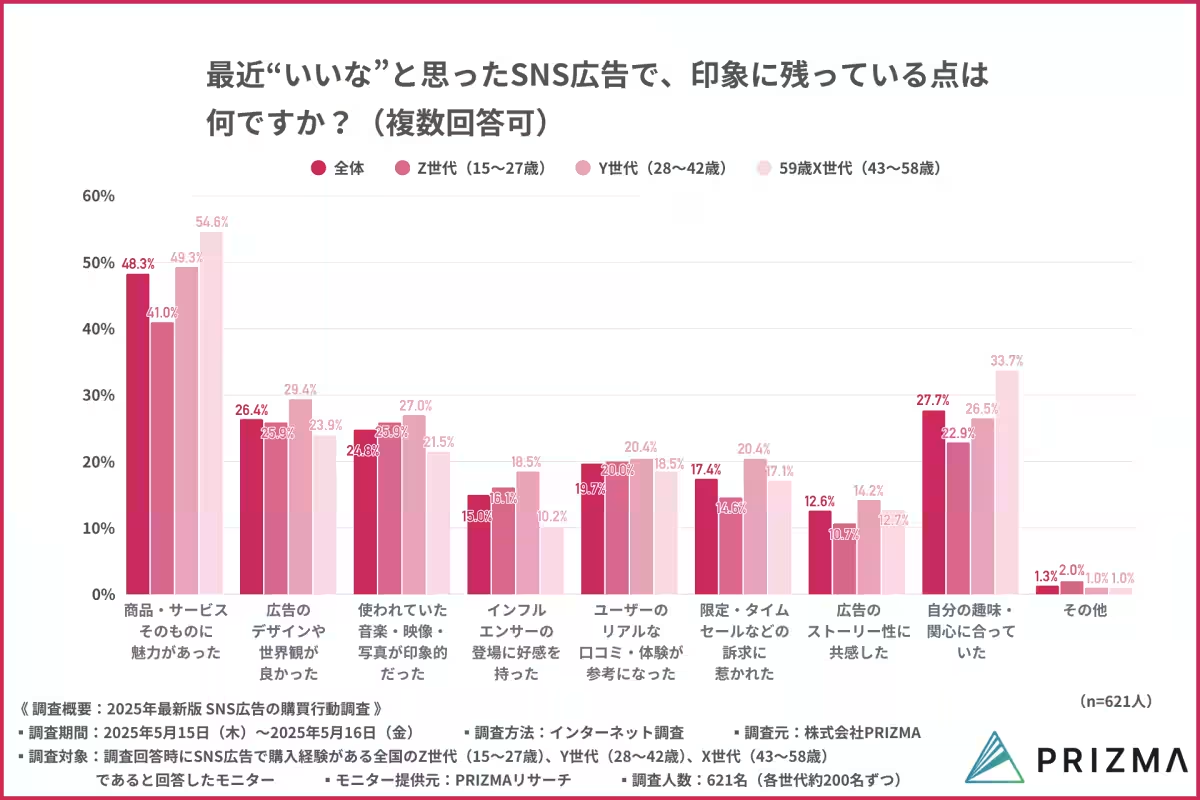
Factors leading to ad success illustrate the impact of combining product appeal with captivating narratives. In the latest survey, 48.3% of respondents interested in an ad cited the product's inherent qualities as a decisive factor, followed by the design and narrative aspects. This finding highlights a significant expectation for ads to balance aesthetic presentation with inherent product values while minimizing excessive dramatization.
Conclusion and Future Implications
The 2025 survey results reveal shifting roles of social media advertising among users, particularly across generations. While platforms like Instagram and YouTube retain relevance, the reduction in engagement levels on TikTok and X highlights the necessity for advertisers to tailor their strategies. Additionally, increasing interest in practical information underscores the need for platforms to diversify their content offerings. This comprehensive view points toward an evolving landscape in advertising—where the emphasis shifts from emotional resonance to clarity, trust, and user understanding. Advertisers must utilize these insights strategically, adapting to generational preferences to optimize the efficacy of their campaigns.
For more detailed findings from the 2025 survey, visit the PRIZMA official site.

Topics Consumer Technology)
【About Using Articles】
You can freely use the title and article content by linking to the page where the article is posted.
※ Images cannot be used.
【About Links】
Links are free to use.