



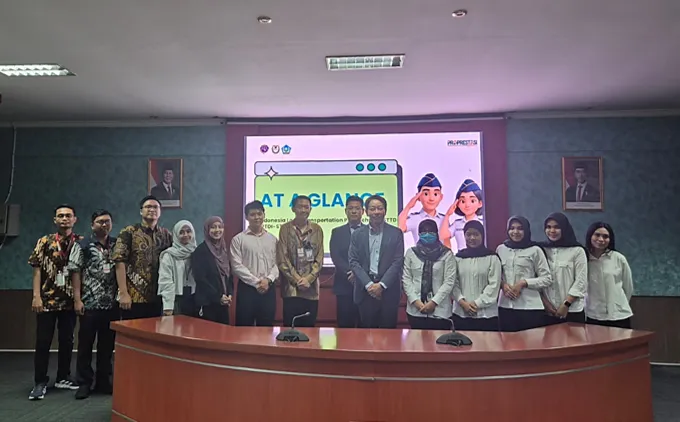
WILLER EXPRESS Partners with Indonesia Research Institute to Develop Talent in Transportation Services
Collaboration for Talent Development in Transportation
WILLER EXPRESS Co., Ltd. and the Indonesia Research Institute have formalized a collaboration aimed at training skilled personnel for the transportation services sector in Indonesia. This initiative seeks to develop a comprehensive training model that combines Japanese language instruction, safety awareness, customer service quality, and cultural understanding needed for working in Japan. The partnership includes a future collaboration with PTDI-STTD, an educational institution specializing in land transportation in Indonesia, to refine the approach to talent cultivation in the sector.
Background: Growing Need for Talent in Japan's Transportation Sector
In Japan, there is an increasing need for skilled drivers in the intercity bus service industry. It is not only about possessing driving skills; there is a demand for individuals who also have a strong consciousness about safety, customer service quality, time management, teamwork, and the ability to ensure comfort and security for passengers.
Highway Pilot: A New Era of Professional Drivers
WILLER EXPRESS redefines the role of bus drivers by introducing the term "Highway Pilot." This terminology, expected to be fully adopted by 2024, underscores the dual responsibilities of safety and service within this profession. Just as airplane pilots ensure safe and comfortable journeys, Highway Pilots must exhibit high awareness of safety and provide exceptional service. The training program aims to cultivate talent that embodies a service mindset akin to the hospitality industry, ensuring passengers have a pleasant travel experience.
Direction for Talent Development with PTDI-STTD
The collaboration with PTDI-STTD is crucial for ensuring quality transportation personnel development in Indonesia. This institution is pivotal in imparting knowledge on transportation safety and management. The initiative is set to merge PTDI-STTD's insights into land transportation with the Indonesia Research Institute's expertise in Japanese language education and employment support. Together, they will design foundational skills required for transportation service personnel. The details regarding training locations, commencement dates, number of trainees, and operational frameworks will be discussed and aligned in subsequent meetings among stakeholders.
Future Training Programs to Be Finalized
As of now, there are no defined locations, start dates, or specific numbers of trainees for the training programs set at PTDI-STTD. Further discussions are required to establish methods for candidate outreach, training locations, way of instruction, and subjects including Japanese language education, safety awareness, and customer service training. The Indonesia Research Institute aims to align Japan's personnel requirements with Indonesia's established educational frameworks, supporting the development of a sustainable model for training transportation personnel.
Educational Model Centered on Japanese Language Instruction
The planned educational framework will focus on Japanese language learning, combined creatively with instruction on safety awareness, traffic rules, and customer service standards necessary for effective work in Japan's transportation sector. Since working in Japan necessitates compliance with various regulatory requirements, including visa formalities and obtaining the relevant driving licenses, this program is structured to establish a preparatory support framework for prospective candidates.
ARBEE Method: Practical Japanese Education Approach
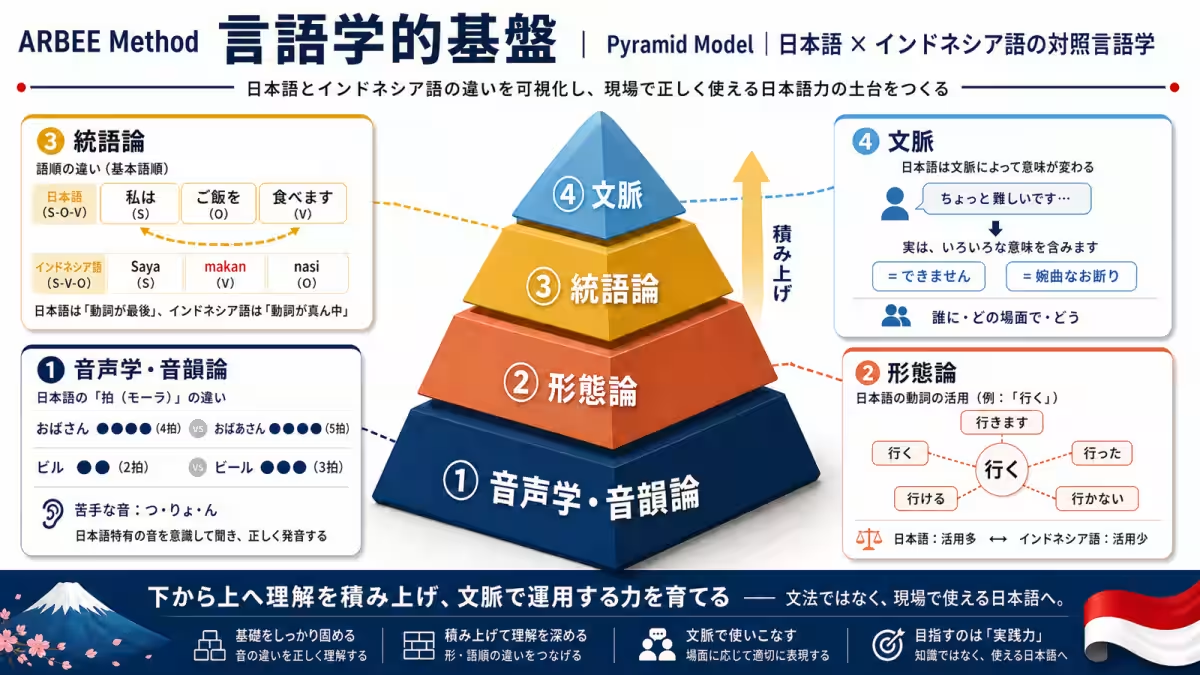
A significant part of the training model will leverage the unique "ARBEE Method," which fosters practical Japanese language skills. Unlike traditional textbook learning, this method emphasizes workplace adaptability, personal independence, and trust-building among learners. This educational program focuses on helping students grow to be reliable and self-sufficient while effectively communicating in the workplace.
The ARBEE Method uses various techniques such as visualizing the differences between Japanese and Indonesian languages, experiential learning through cognitive linguistics, and activity-based learning with role-playing and simulations. This immersive and comprehensive approach ensures that students retain useful skills that link directly to real-world scenarios they may encounter.
Role of the Indonesia Research Institute
The Indonesia Research Institute will play a fundamental role as a practical partner connecting Japanese companies with Indonesian educational and development institutions. By facilitating local adjustments, candidate recruitment, training design, collaboration with related organizations, and preparations for sending candidates abroad, this partnership aims to construct a sustainable talent circulation model that meets the demands of both sides.
Future Prospects
Moving forward, WILLER EXPRESS and the Indonesia Research Institute are committed to continued discussions with institutions such as PTDI-STTD to specify the cooperation framework for talent development. Collaboration will focus on the blend of Japanese language education, safety training, customer service quality, and cultural understanding. By bridging Japan's talent needs with Indonesia's educational capabilities, they strive to contribute to the development of professionals capable of excelling in Japan's transportation service sector.
Topics Business Technology)
【About Using Articles】
You can freely use the title and article content by linking to the page where the article is posted.
※ Images cannot be used.
【About Links】
Links are free to use.