



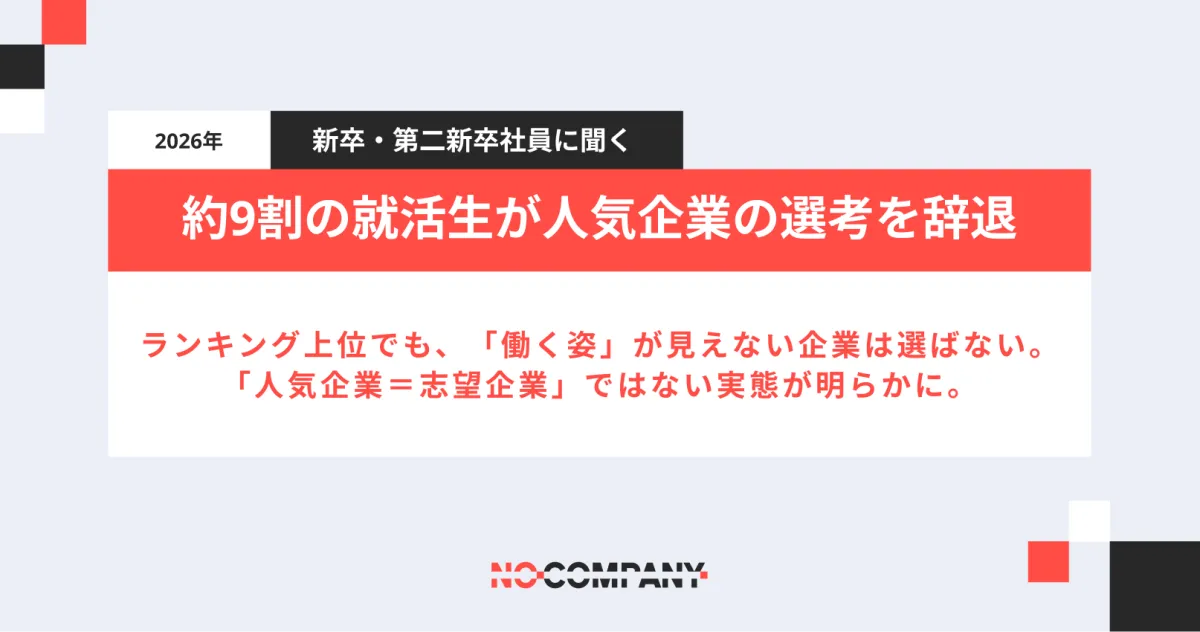
The Disconnect Between Popularity Rankings and Candidates' True Preferences in Job Selection
Understanding the New Job-Seeking Landscape
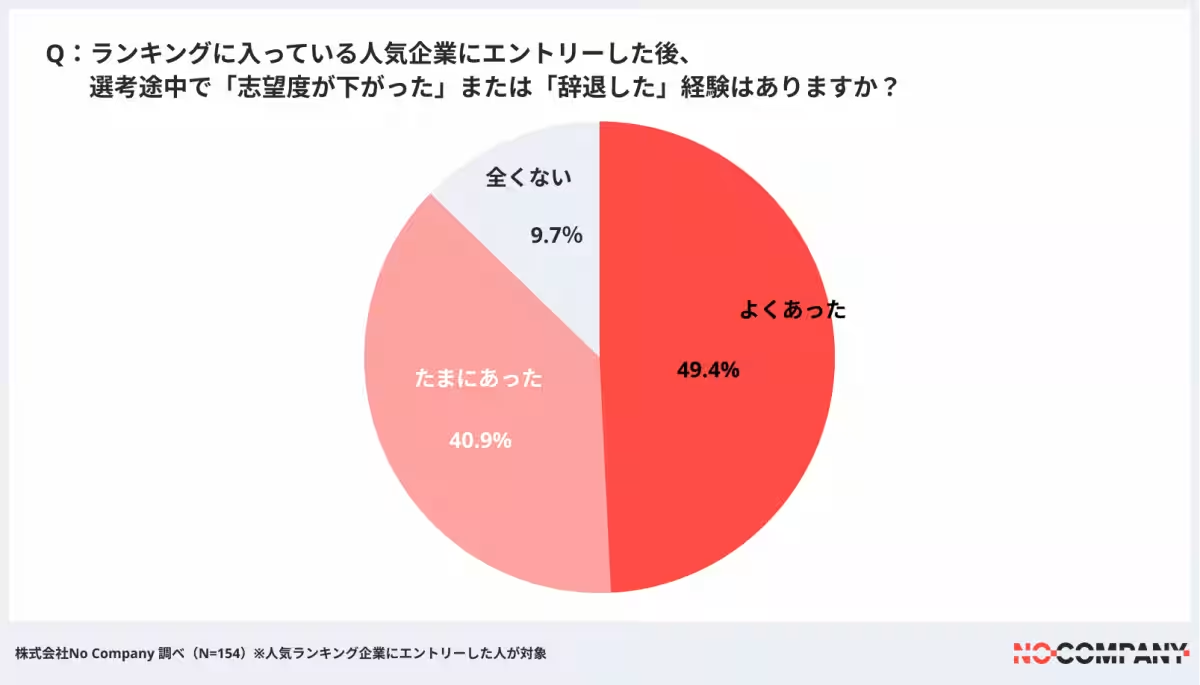
Recent trends among job seekers reveal a surprising statistic: approximately 90% of students participating in recruitment processes are choosing to withdraw or lower their interest in popular companies. This phenomenon sheds light on a crucial shift in the priorities of modern candidates and their approach to job selection. Conducted by No Company, a Tokyo-based firm specializing in recruitment marketing support, a new survey assesses the influence of employer popularity rankings and the gap between candidates' expectations and the realities they face before and after employment.
The Shift from Popularity to Fit
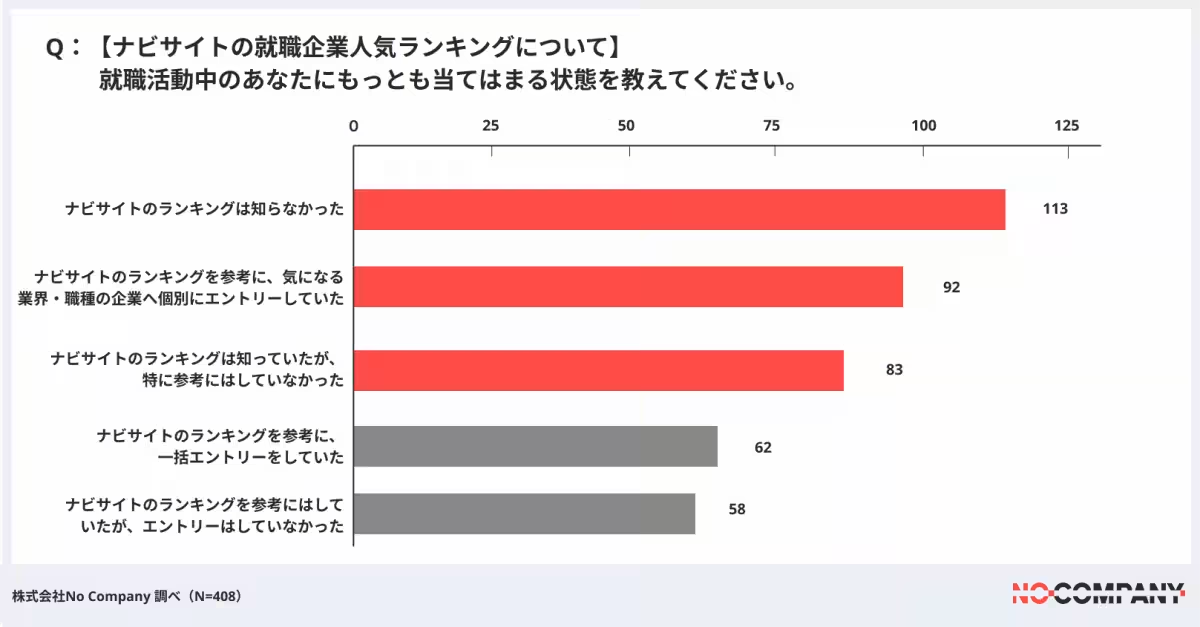
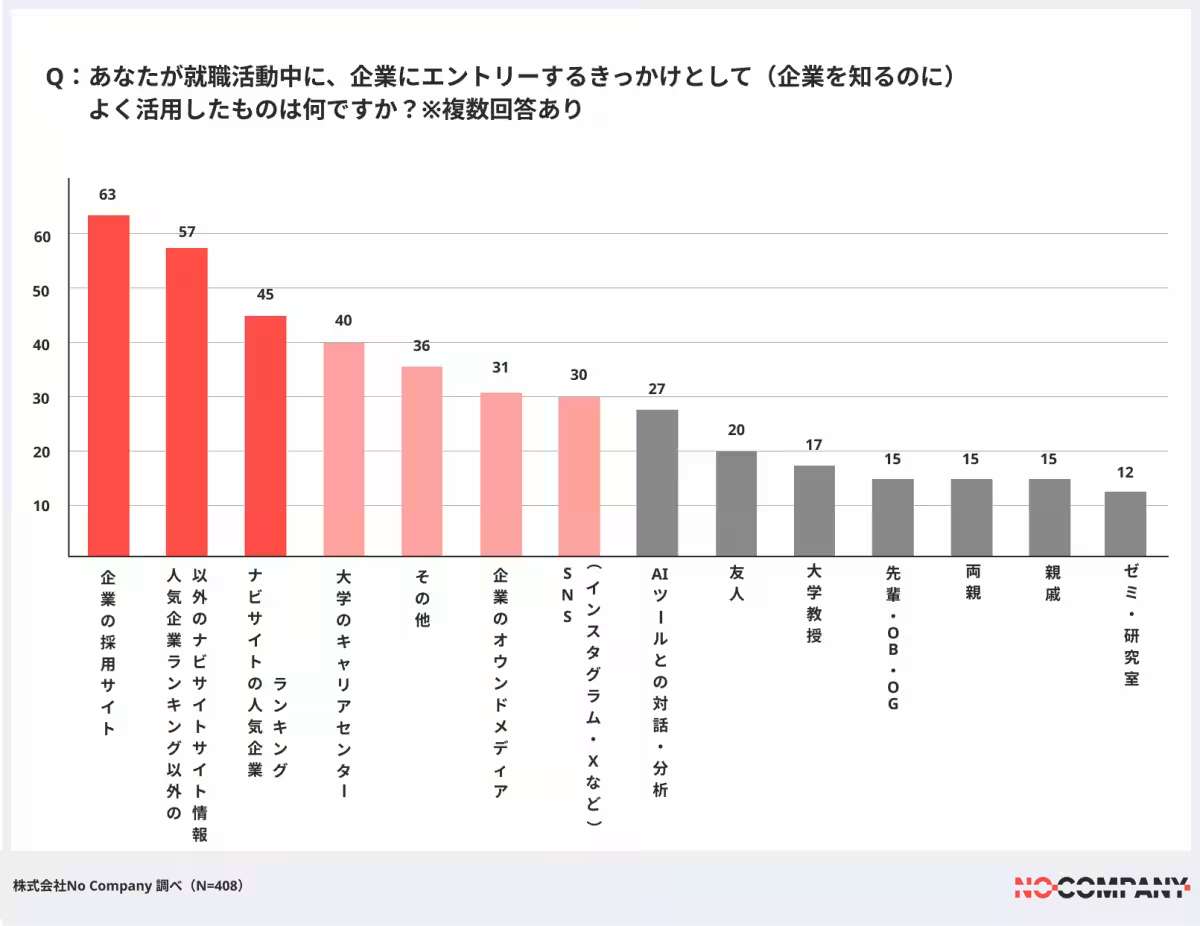
Today, job seekers are prioritizing personal alignment with a company over mere popularity or ranking. The survey indicates that many candidates were unaware of popular company rankings, instead valuing resources like a company's recruitment website or guidance from university career centers to gauge compatibility with potential employers.
This shift highlights a growing awareness among candidates, who recognize that simply being listed as a popular employer does not necessarily equate to finding the right workplace culture or job satisfaction.
Decline in Interest and High Withdrawal Rates
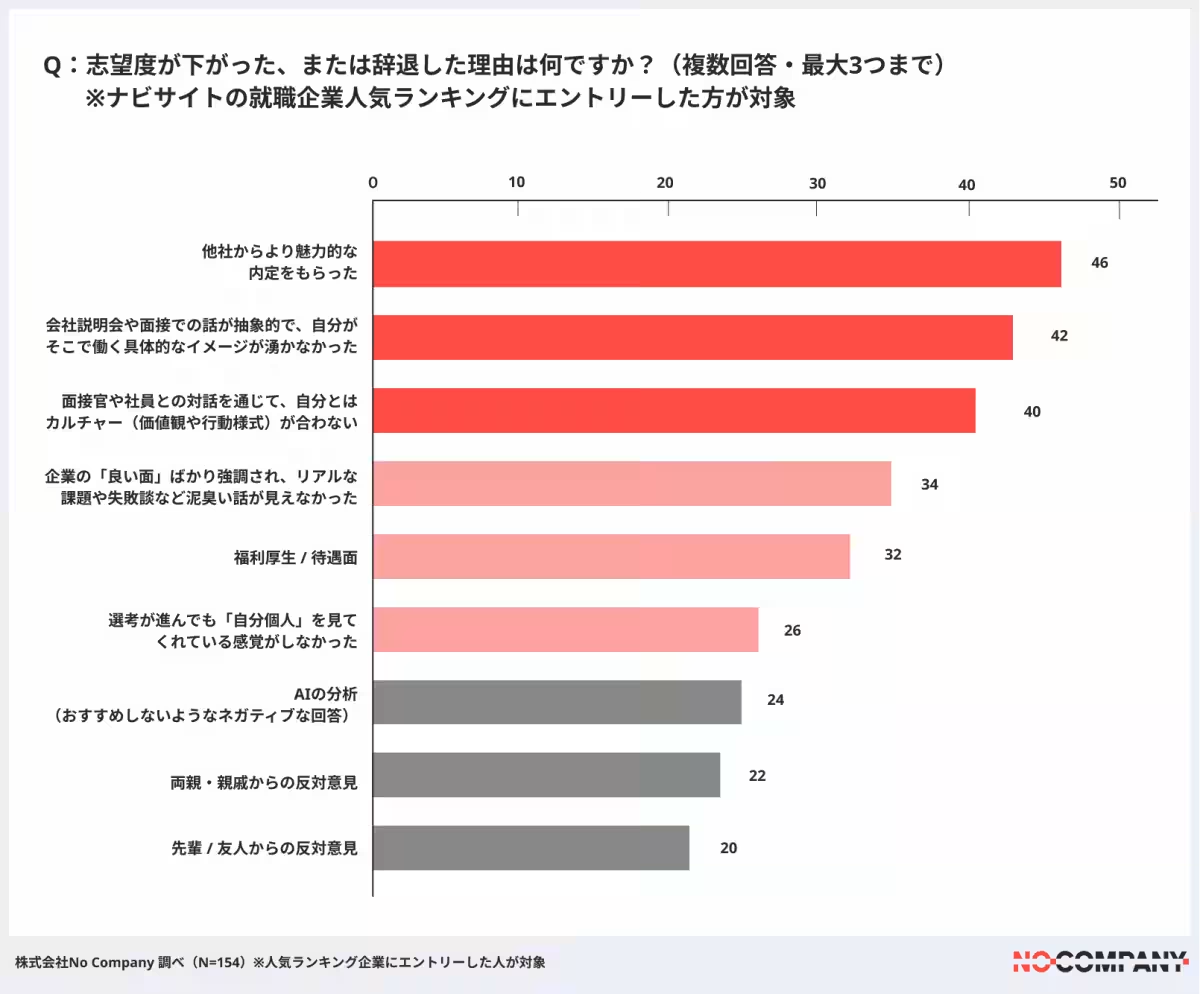
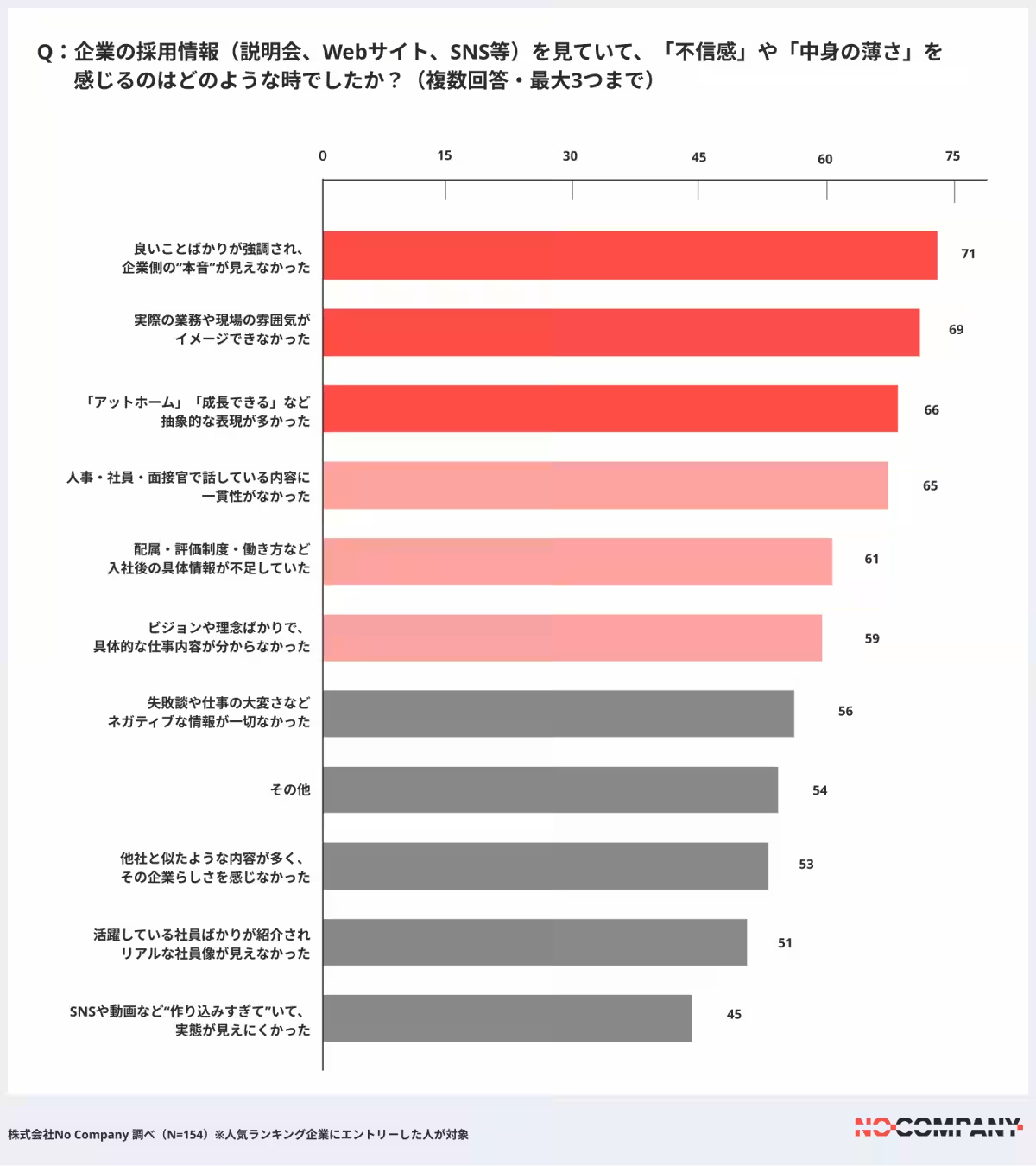
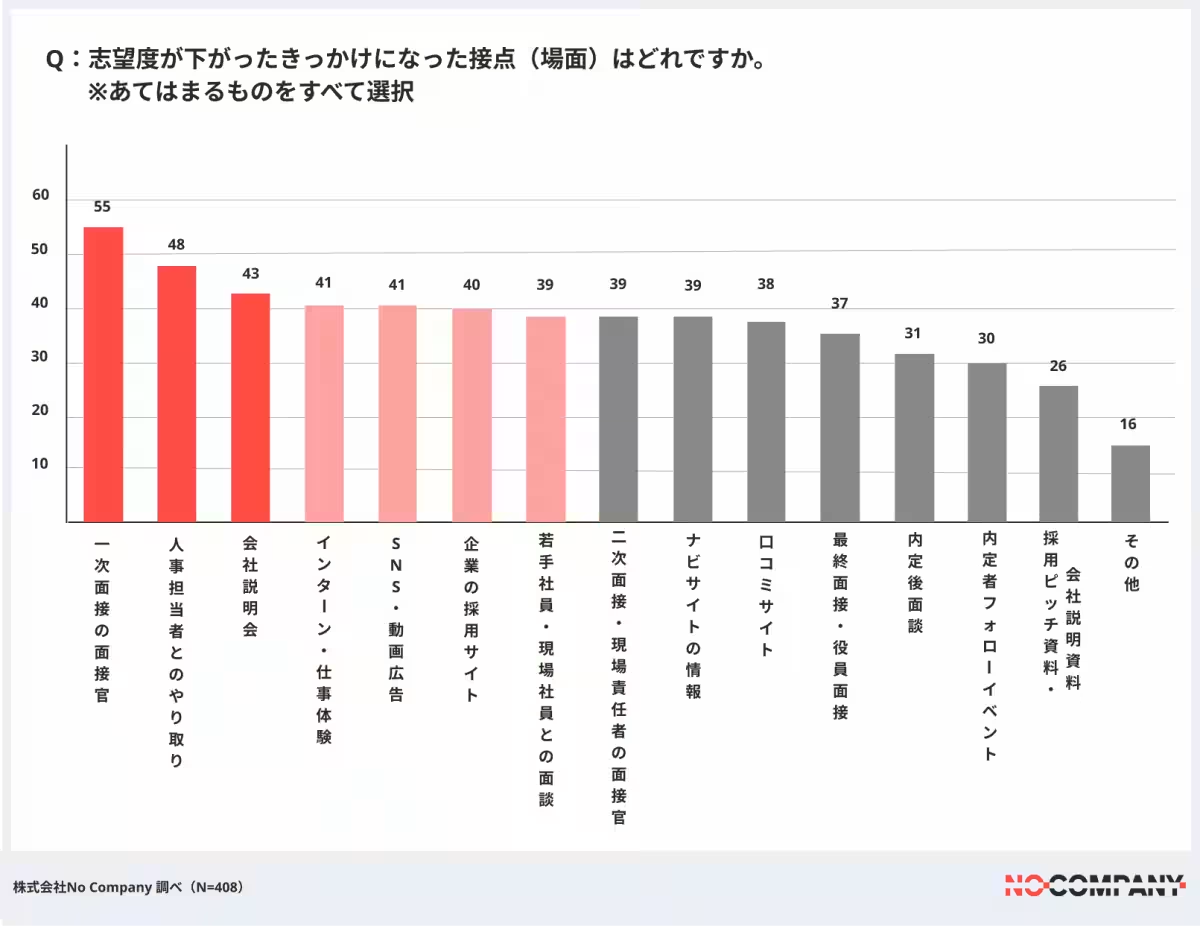
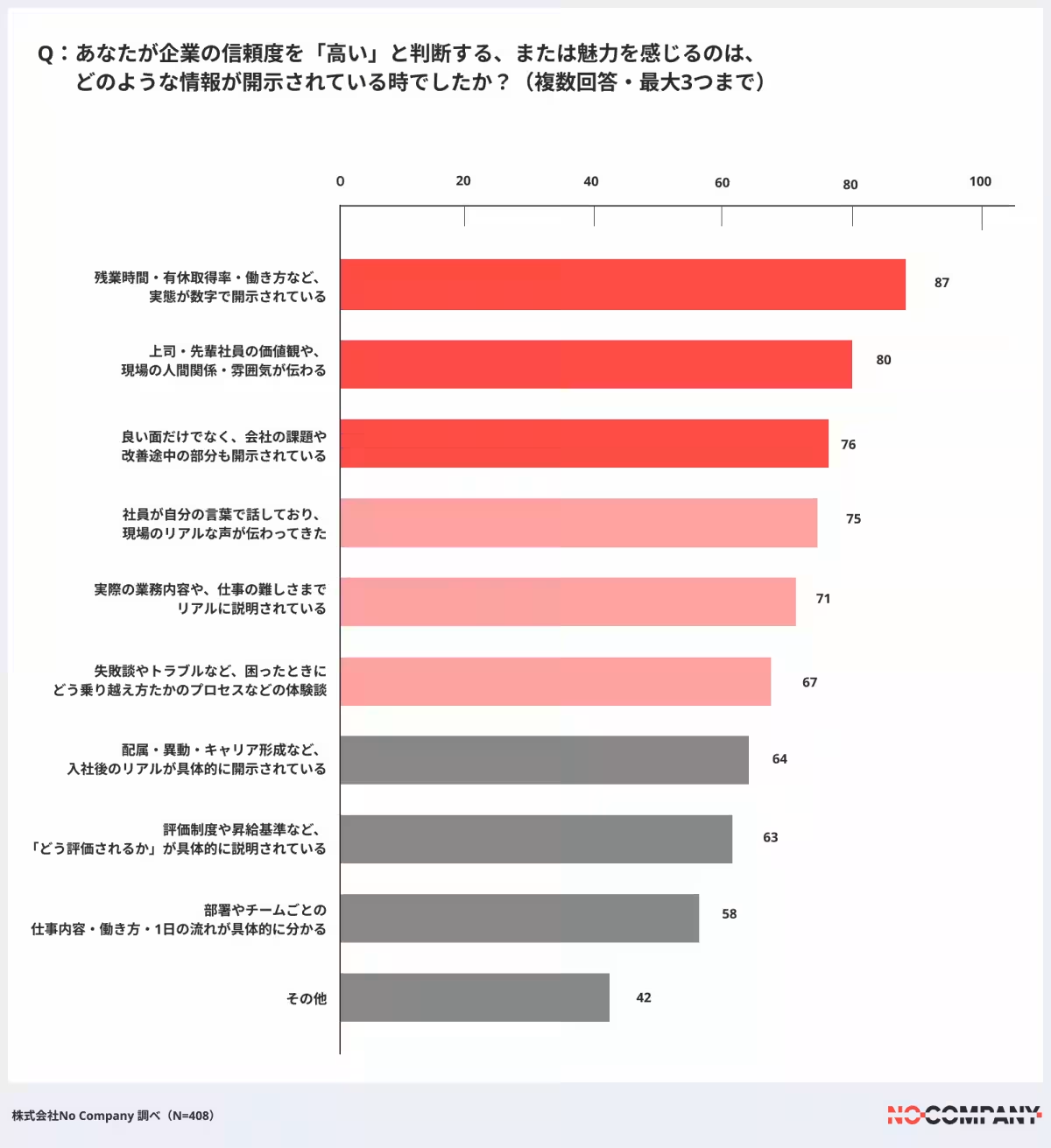
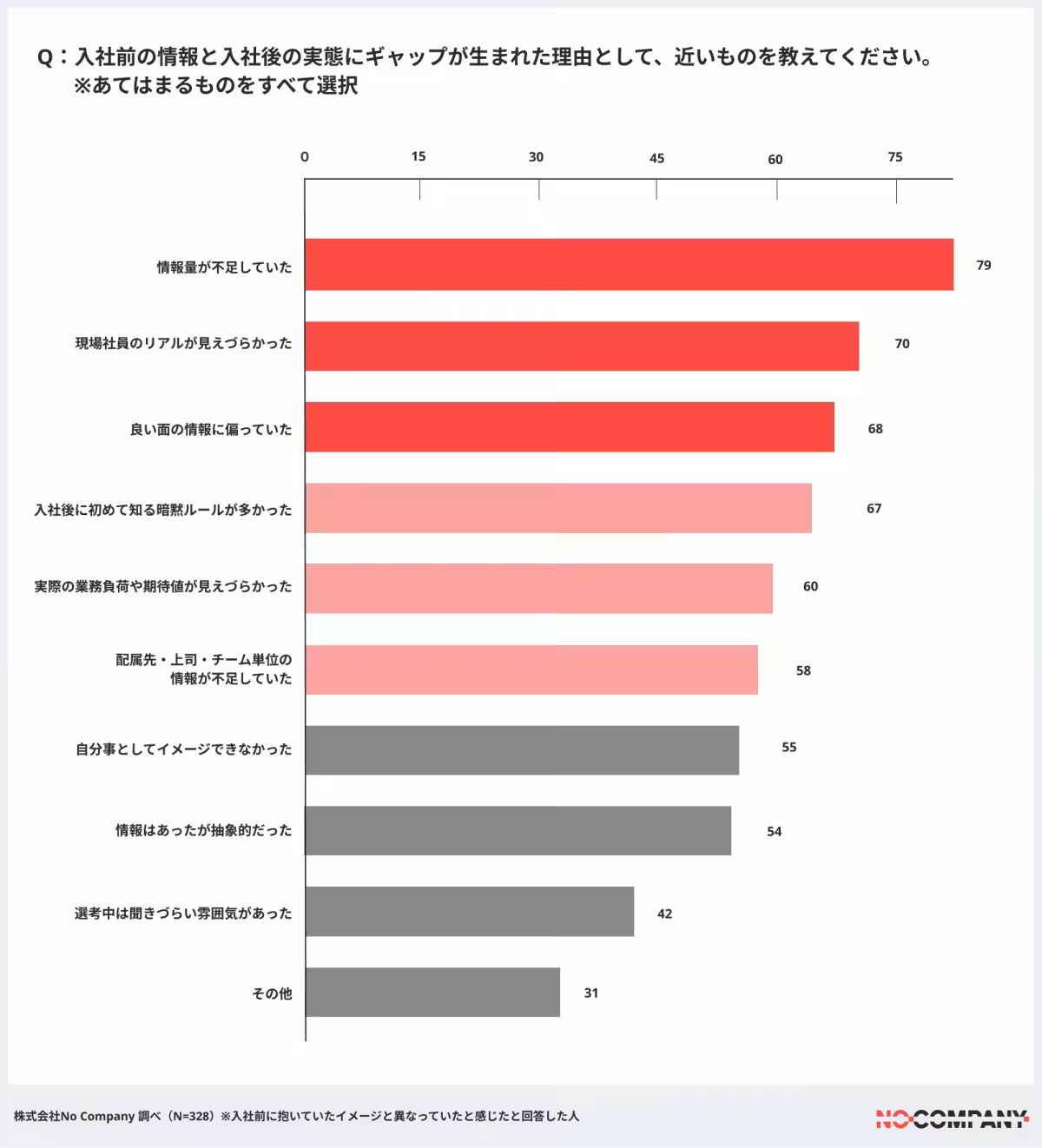
The findings are revealing. Among candidates who had applied to top-ranked companies, nearly all reported a decrease in their interest during the selection process. Reasons for this decline often include vague or abstract company descriptions that fail to convey the actual work environment, along with an emerging perception that their values might not align with those of the company. Many students expressed frustration with job postings that only highlighted positive aspects, fearing they lacked authenticity. In fact, around 70% of respondents felt that recruitment information presented good news while omitting crucial insights into the realities of the workplace.
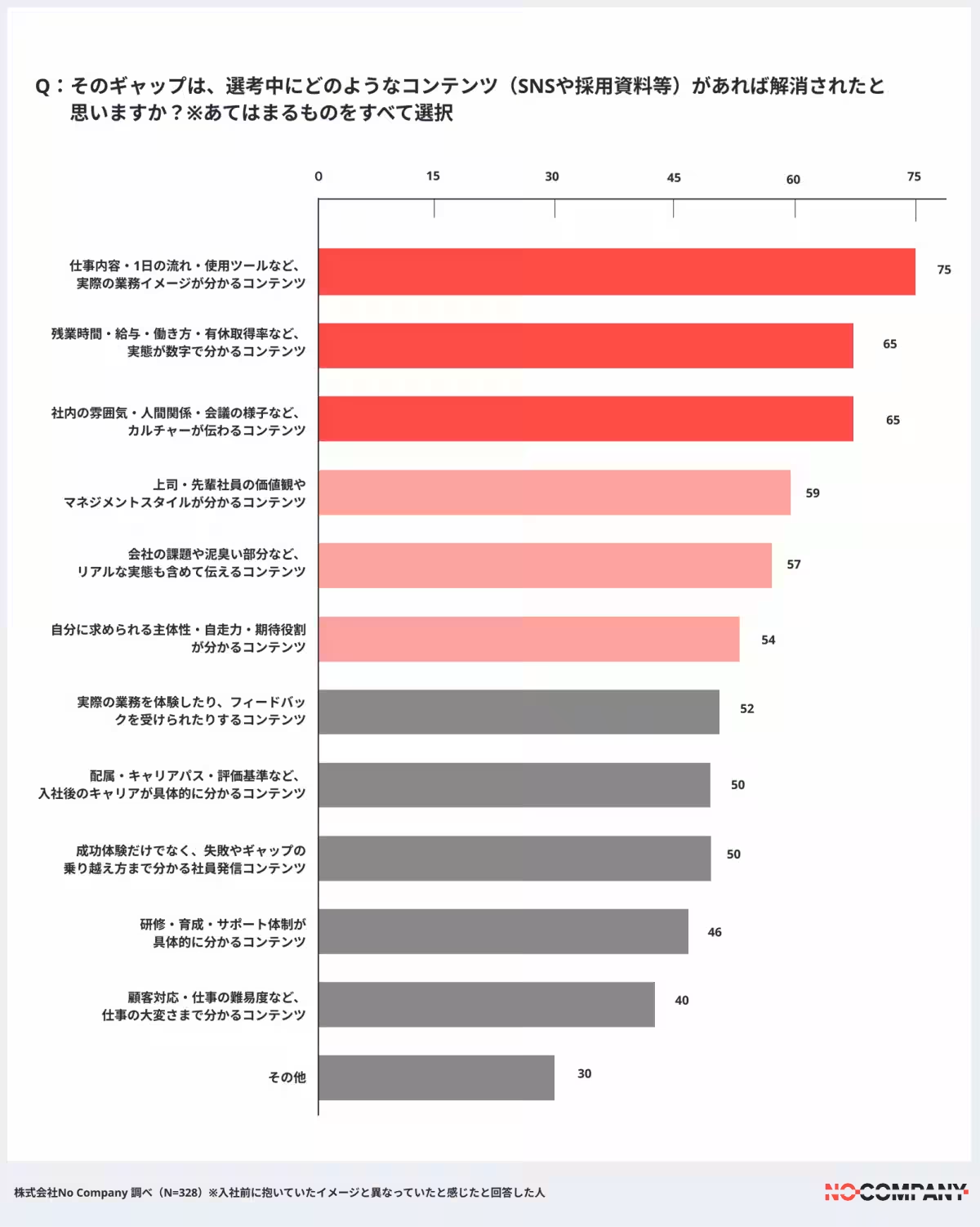
Candidates are now demanding transparency and firsthand accounts about the workplace experience rather than generic statements about company ideals. They are eager for insights into day-to-day operations, culture, and unscripted employee experiences, which can illuminate factors influencing their job satisfaction from the get-go.
The Importance of Transparency in Recruitment
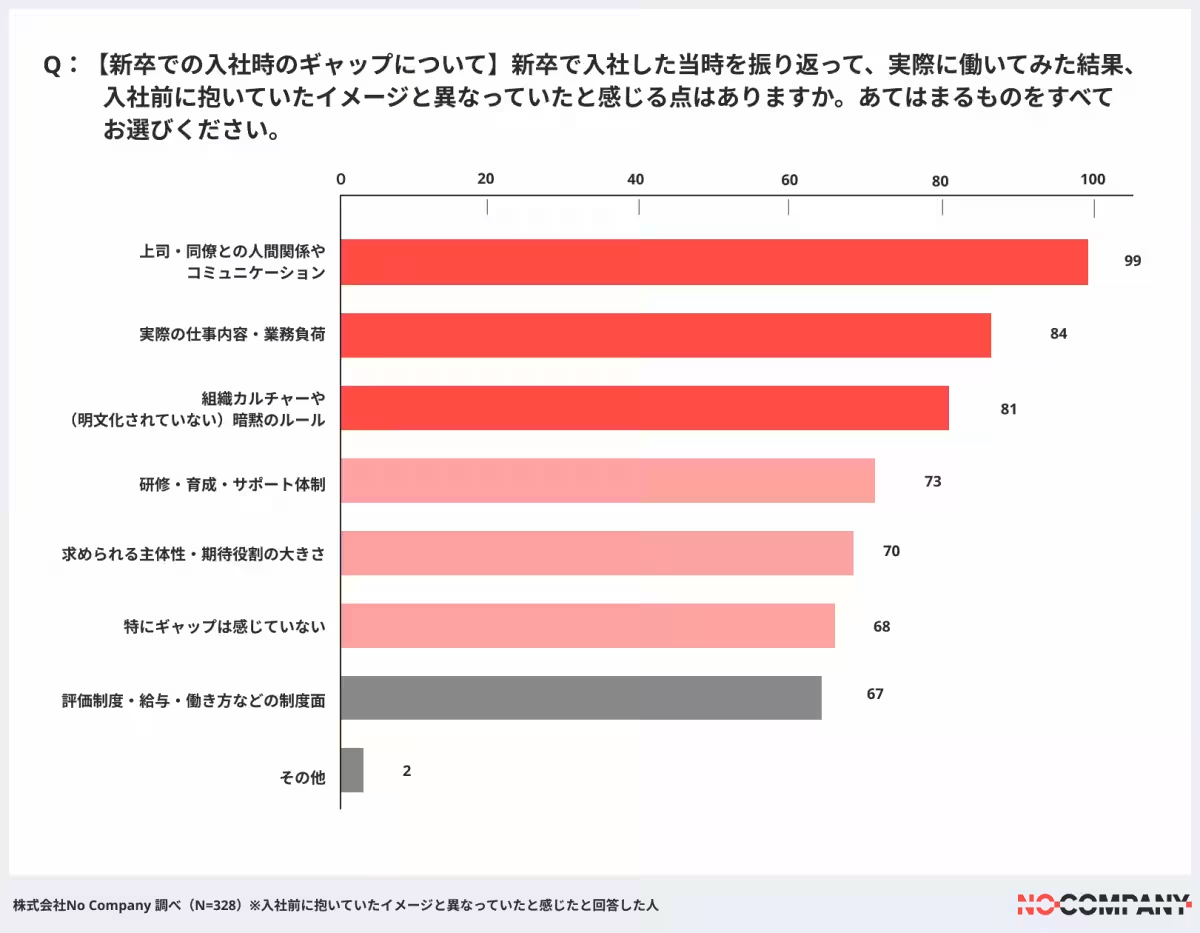
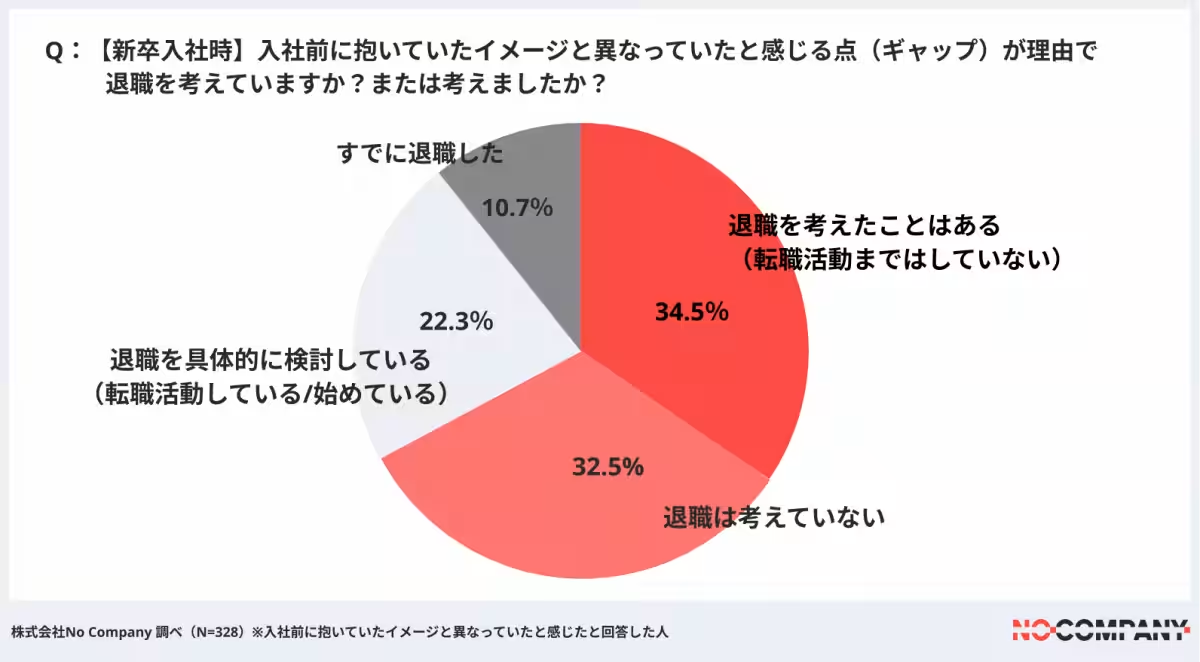
A significant contributor to candidates feeling misled or disappointed upon joining a company relates to workplace culture and unspoken norms that often aren't covered adequately during recruitment. Aspects such as interpersonal relationships, organizational culture, and unwritten rules have been noted as frequent sources of misalignment. Miscommunication and a lack of detailed information about these factors can lead to early turnover, making it imperative for companies to reassess their approach to recruitment communication.
Companies must pivot from merely enhancing brand visibility to refining how they convey their everyday workings and values throughout every stage of the recruitment process.
A Different Approach to Recruitment Mechanisms
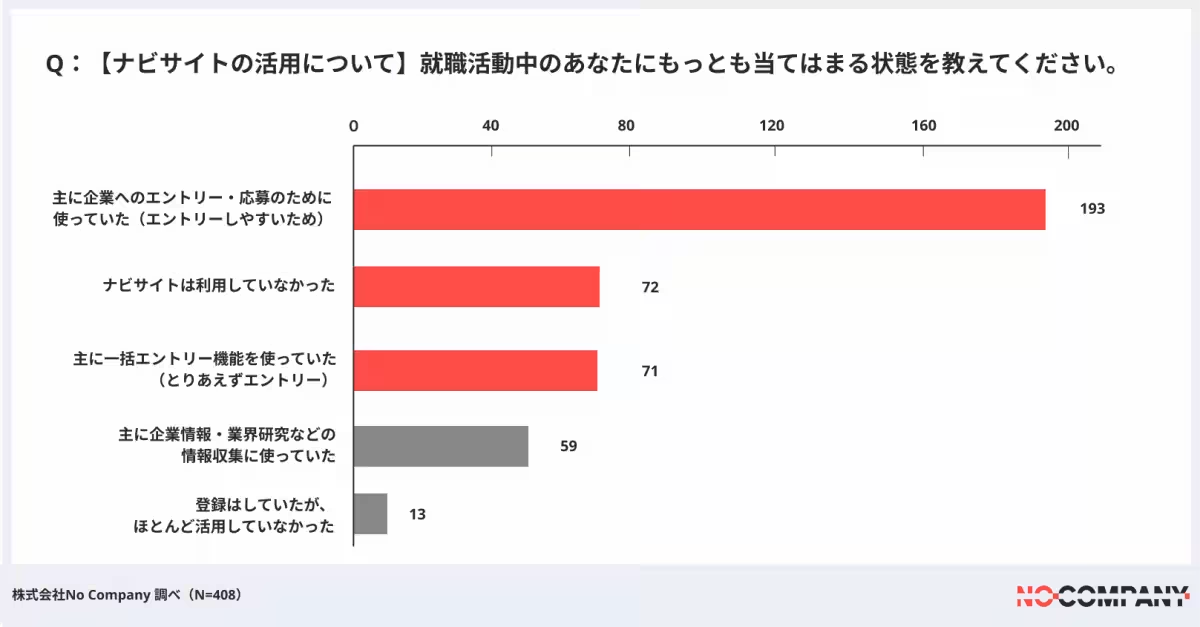
Interestingly, while traditional recruitment channels, including job boards, still hold a strong presence, students are increasingly turning away from these popularity lists. Instead, they are leveraging content from company websites and the insights from career centers. This signals a shift where candidates prioritize discerning who is delivering the information rather than solely facing companies’ marketing images.
The authentic insight coming from career centers and alumni has proven invaluable in aiding job seekers, as it provides context that corporate marketing often overlooks. As they navigate the recruitment landscape flooded with polished branding, candidates are finding it increasingly challenging to ascertain whether an opportunity truly aligns with their values.
Accordingly, there is a distinct call for companies to clarify and communicate their workplace culture. This involves articulating the challenges and realities of the jobs offered – areas that companies often shy away from presenting. Recent candidates have expressed they favor transparent discussions about potential obstacles or lessons learned from past experiences, finding these narratives more relatable and trustworthy than generic promotional content.
Avoiding Misalignment Post-Employment
When looking at the onset of dissatisfaction, the lack of clarity regarding work culture significantly contributes to new hires feeling disenchanted soon after joining their companies. The disparity between candidates’ expectations based on marketing versus the realities faced once employed poses a challenge that many organizations are beginning to recognize.
Many prospective employees entering a company with high expectations for cultural alignment often express feelings of confusion when faced with unspoken workplace norms. Reports of decreased morale or engagement shortly after joining the workforce reveal that stellar marketing may not translate to sustained employee satisfaction.
To combat these realities, organizations must display authenticity in their recruitment messages. Highlighting elements like work-life balance statistics, real employee testimonials, and candid insights about day-to-day responsibilities can strengthen trust and elevate overall candidate experience.
Conclusion: The Path Forward for Recruitment
The call for radical change in recruitment strategies is clear. Companies must shift gears from prioritizing name recognition to creating transparent, data-driven narrative frameworks within recruitment processes. No Company advocates for a model commanding authentic dialogues surrounding organizational culture and employee experience. This new approach focuses on delivering real insights – not only the bright spots but also the challenges, thereby fostering a deeper understanding between prospective employees and their organizations. By articulating and adhering to an authentic representation of company culture, employers can better attract and retain the talent that resonates with their core values.
No Company contends that exceeding expectations through strategic transparency in recruitment can attract the right talent while mitigating future turnover risks and enhancing workforce satisfaction.

Topics Business Technology)

【About Using Articles】
You can freely use the title and article content by linking to the page where the article is posted.
※ Images cannot be used.
【About Links】
Links are free to use.