


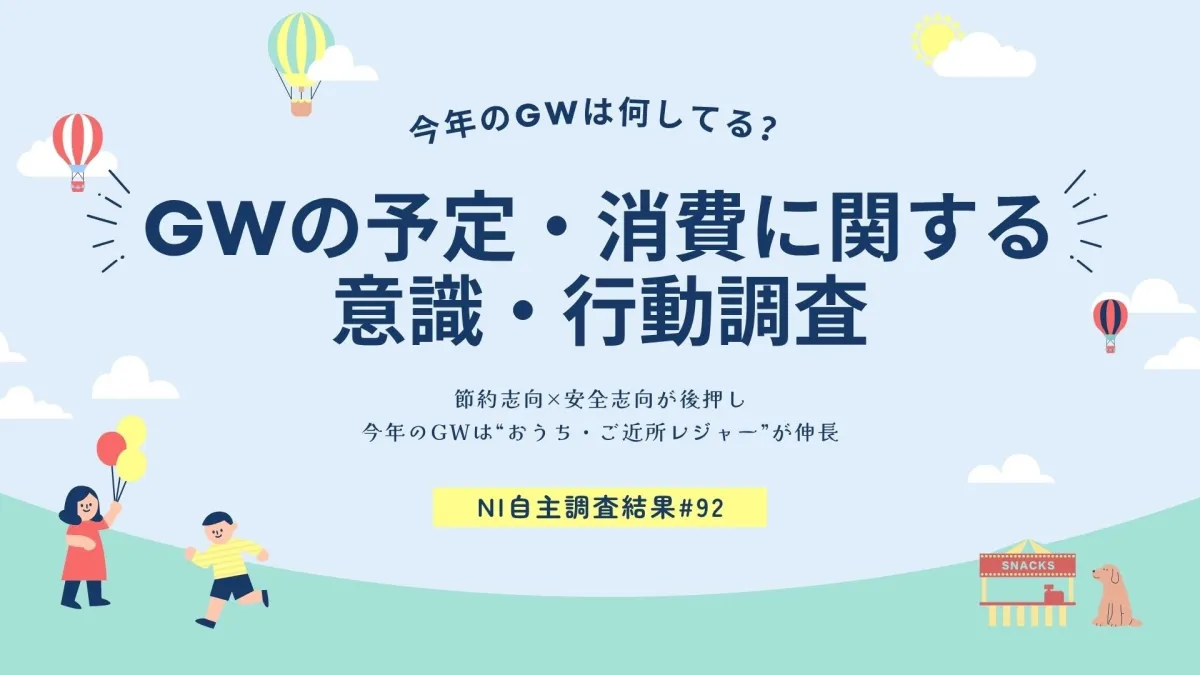
How Japanese Consumers Plan to Spend Their Golden Week in 2026
Insights into Golden Week 2026: Spending and Leisure Plans
A recent study conducted by Japan Information Co., Ltd., a comprehensive marketing research firm based in Chuo-ku, Tokyo, sought to uncover how Japanese people aged 20 to 69 plan to spend their Golden Week (GW) in 2026. The research was conducted through an internet survey of 1,074 individuals between April 6 and April 7, 2026.
Key Findings
Prevalence of Fixed Plans
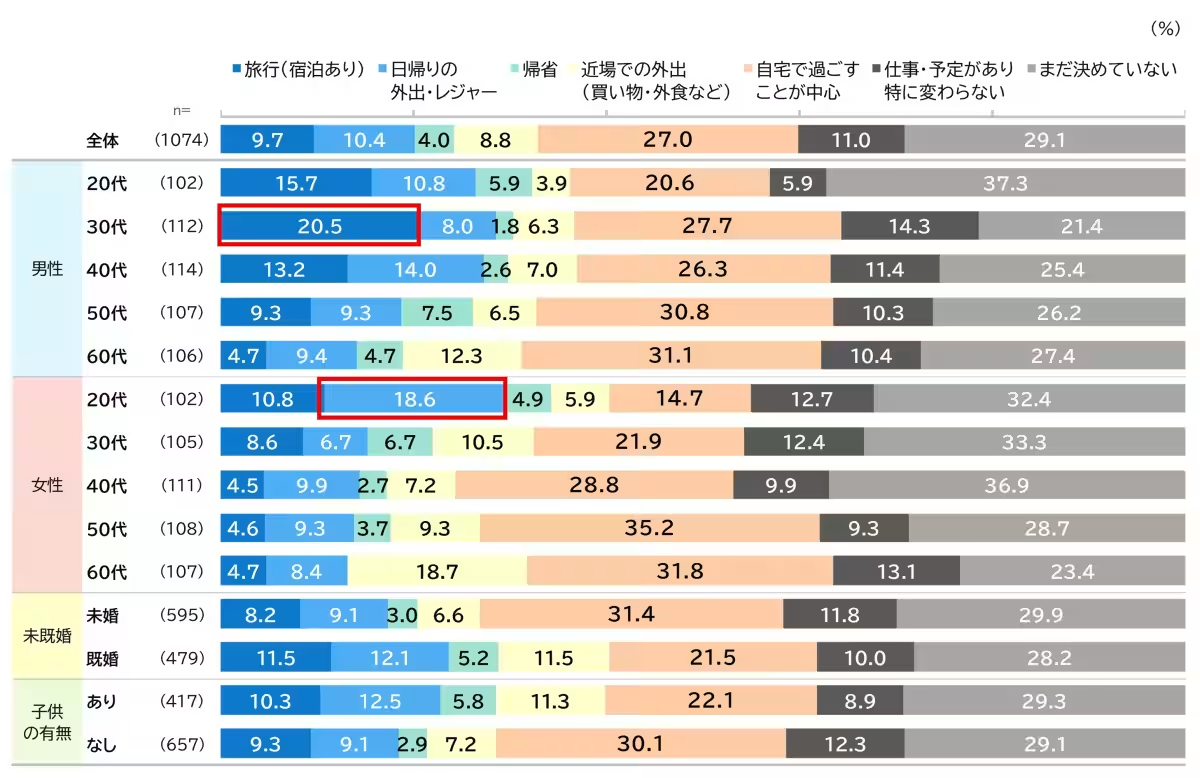
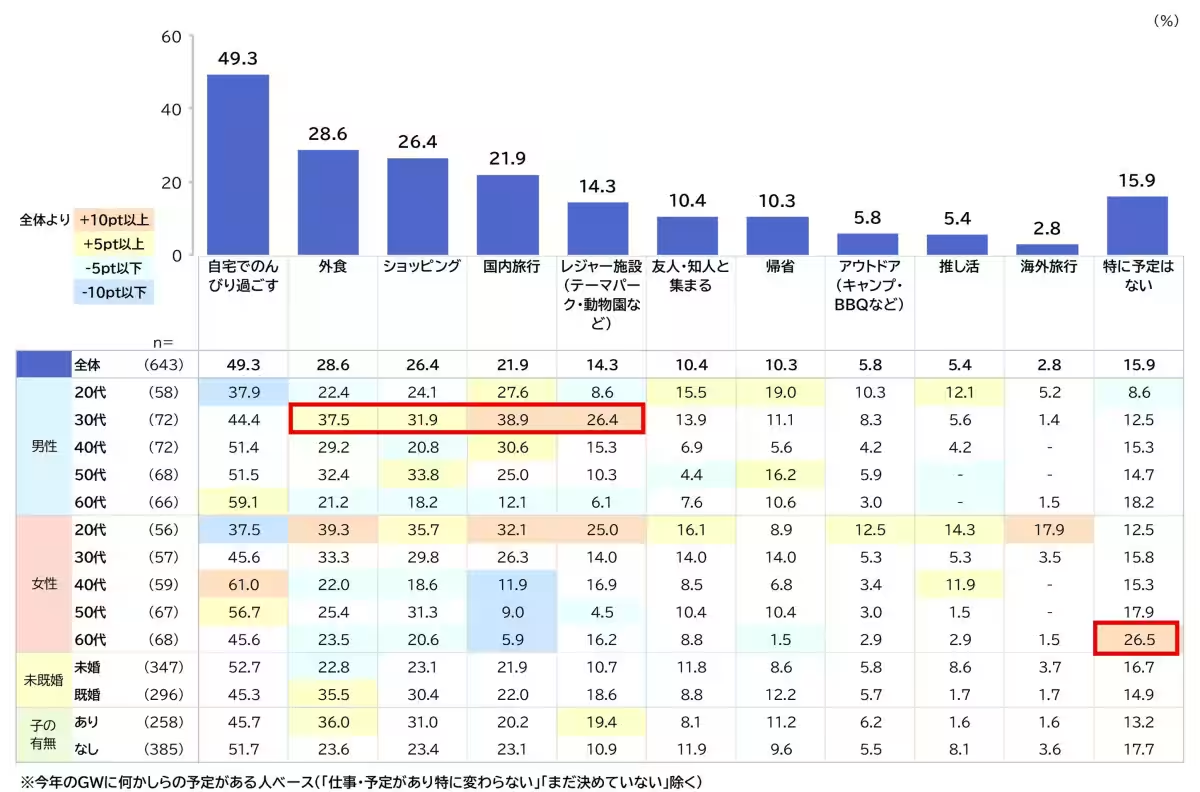
Approximately 70% of participants reported that they have already decided on their plans for Golden Week. The most common choice among these is to relax at home, selected by nearly half (49.3%) of respondents. Notably, men in their 30s exhibit a stronger inclination towards travel, with 38.9% planning domestic trips, significantly higher than any other age and gender group. The survey also indicates a clear trend: younger individuals are more likely to have leisure activities scheduled compared to older generations.
Spending Behavior
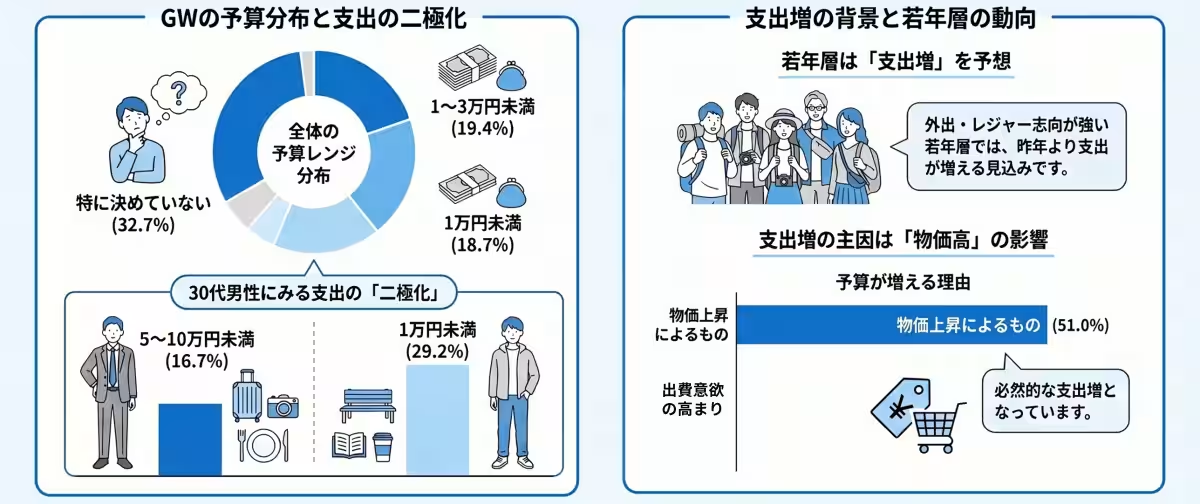
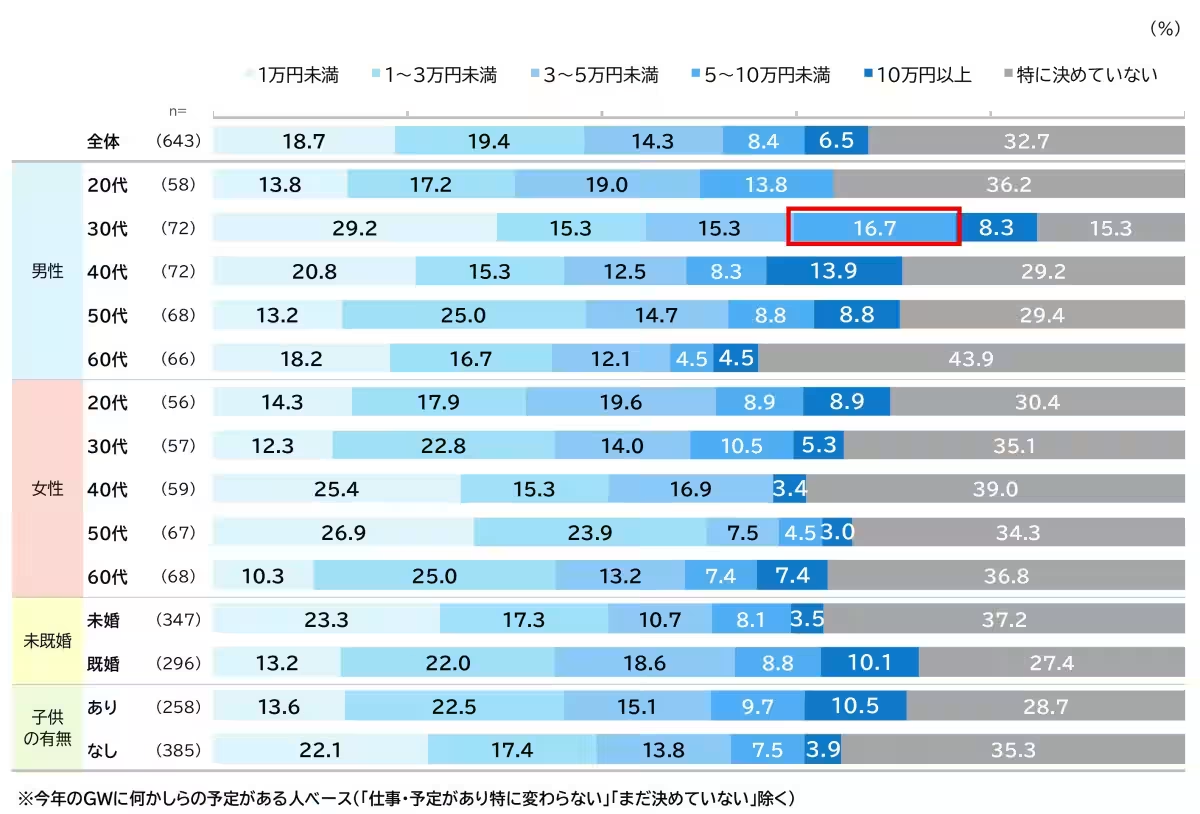
When it comes to expenditure, a significant number of respondents indicated they had 'not decided' on their budget for the holiday, with 32.7% opting for this choice. However, there is a noticeable concentration of budgets in moderate ranges, particularly 'under 10,000 yen' and '1–30,000 yen'. Interestingly, men in their 30s were more likely to anticipate expenses of '50,000–100,000 yen', suggesting a polarization in spending habits.
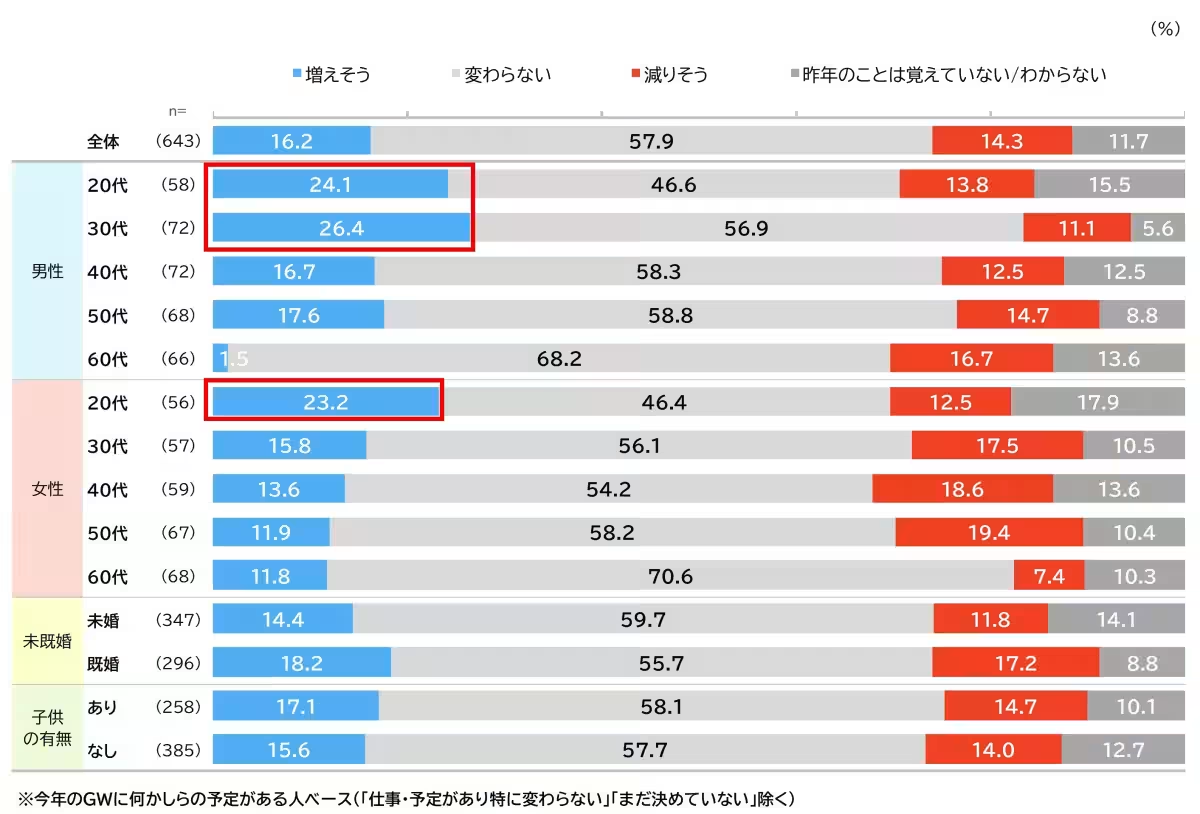
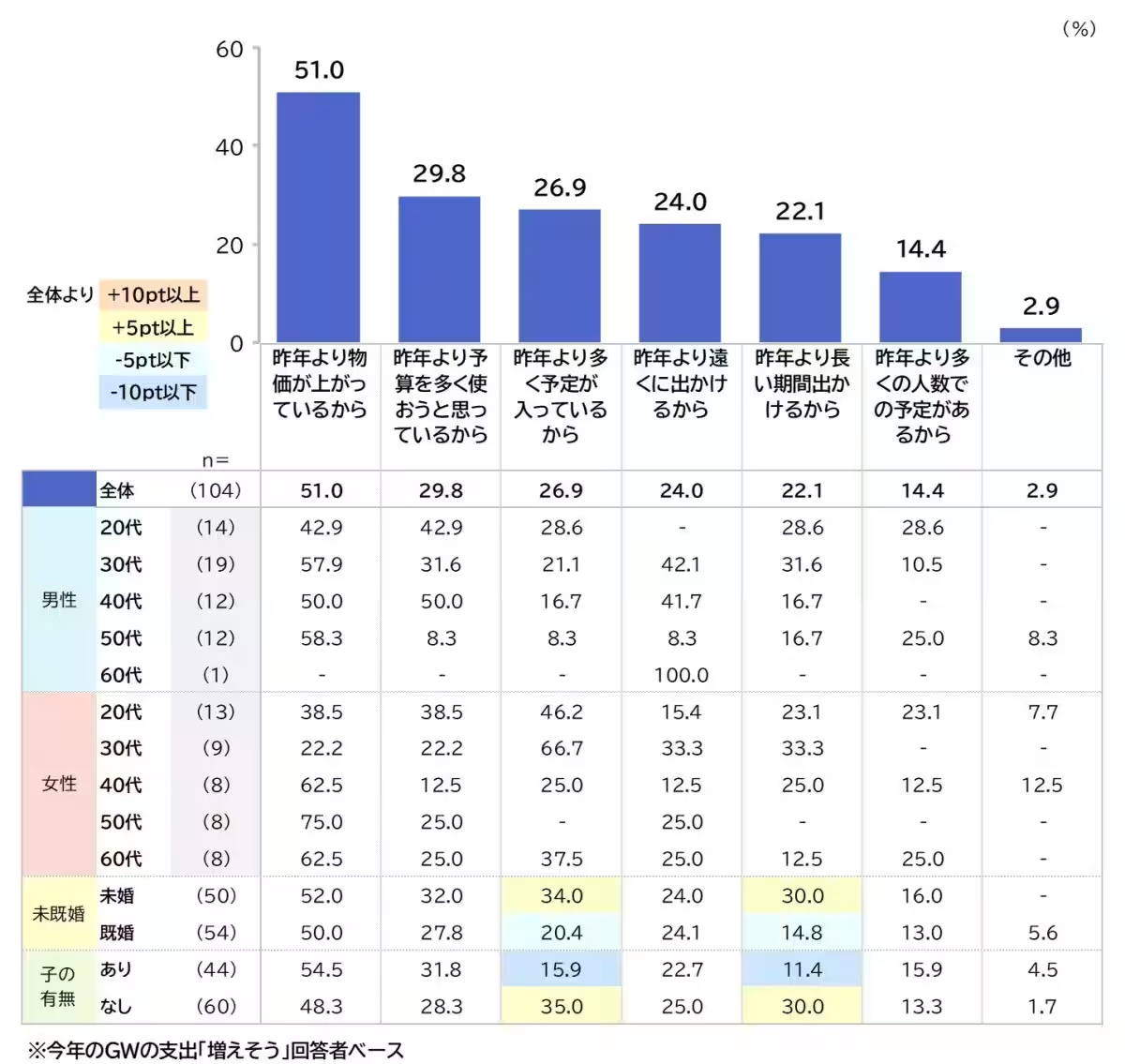
The younger demographic, especially those keen on outdoor activities, are likely to spend more than last year, although the increase is primarily attributed to rising prices. Nearly half of respondents (51%) cited the increase in living costs as a primary reason for their anticipated higher spending.
Increases in Consumption Categories
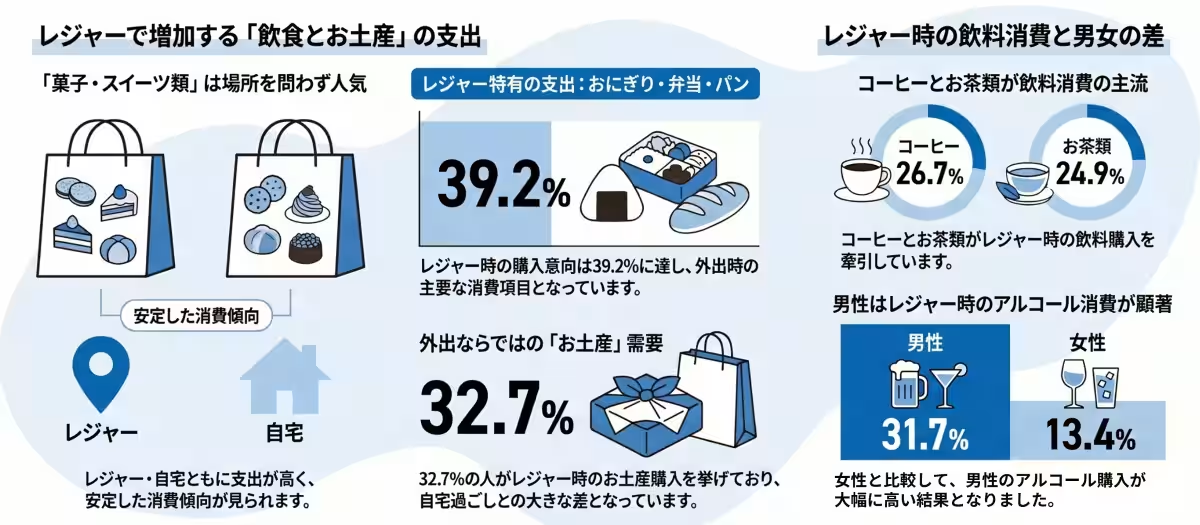
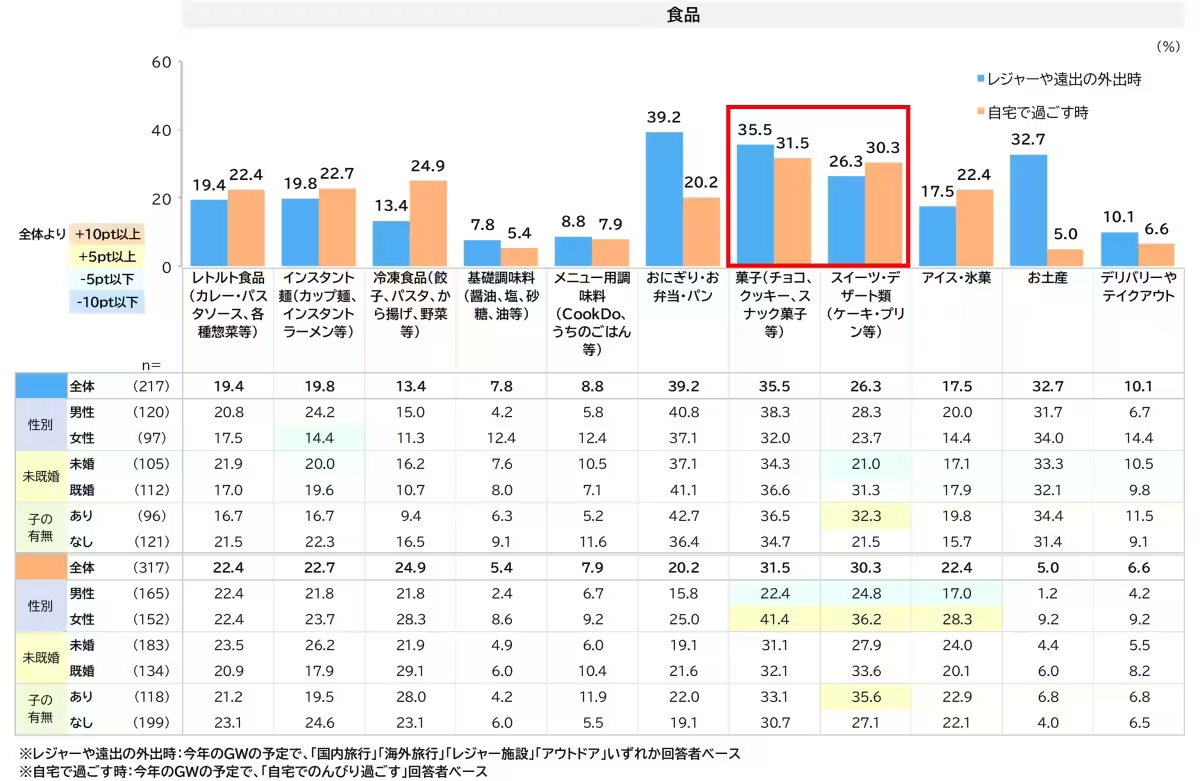
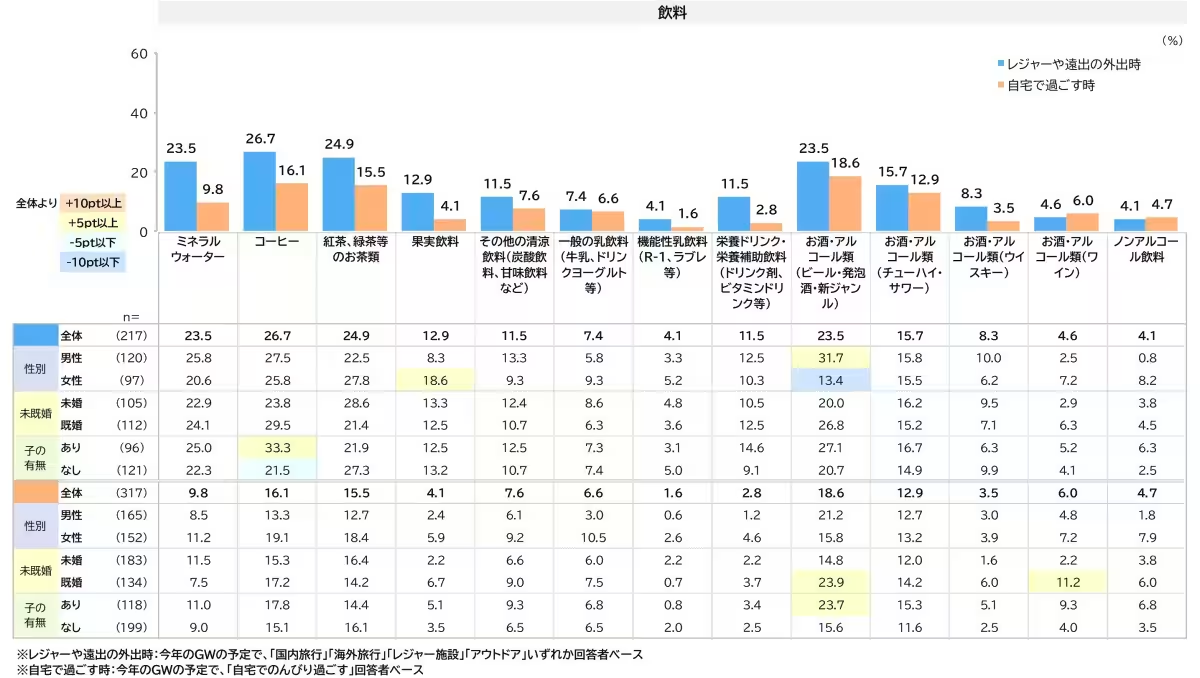
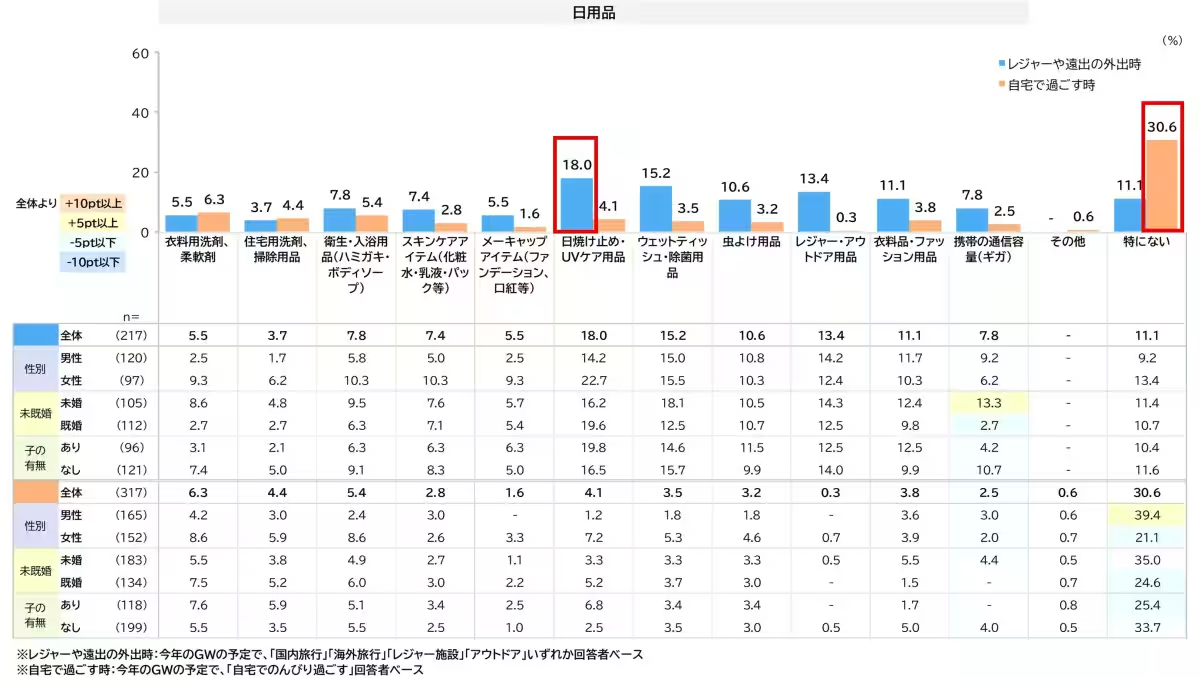
During leisure activities, spending on food and beverages, such as coffee, sweets, and ready-to-eat meals like onigiri (rice balls) and bento boxes, showed a marked increase compared to spending at home. Snacks and desserts ranked highly in both leisure and home settings, but there is a notable rise in the intent to purchase on-the-go food and drinks. For instance, during leisure time, 39.2% plan to buy onigiri and bento, reflecting a trend towards convenience consumption.
Alcohol consumption also varied significantly by gender during leisure activities, with 31.7% of men intending to purchase alcoholic beverages, compared to only 13.4% of women.
Implications for Retailers
The data suggests that this Golden Week will see a higher focus on leisure activities close to home, with 'spending at home' remaining the preferred choice for many. Retailers should consider this trend when strategizing for Golden Week promotions. The expected increase in budget allocation mostly originates from unavoidable rising costs rather than an adventurous consumer mindset.
As families look for easy and affordable indulgences, items such as sweets, drinks, and ready-to-eat meals will likely be hot sellers. It is paramount for consumer goods manufacturers to adapt to these insights to effectively meet the demand during the GW shopping rush.
Survey Methodology
The nationwide survey conducted by Japan Information covered a wide demographic of 20 to 69-year-olds, totaling 1,074 participants, to provide a comprehensive overview of consumer behavior during this prime holiday period.
For a complete report of the findings and more detailed analyses, including cross-tabulated data across various demographics, a free download is available through the provided link below.
Download Further Findings
You can access the extended report detailing all survey results and insights here: Download Report



Topics Consumer Products & Retail)


【About Using Articles】
You can freely use the title and article content by linking to the page where the article is posted.
※ Images cannot be used.
【About Links】
Links are free to use.