




Revamping the Logistics Workforce: Creating a Comfortable Work Environment and Reskilling Opportunities
Transforming the Logistics Sector: Key Insights from Randstad's 2026 Employer Brand Research
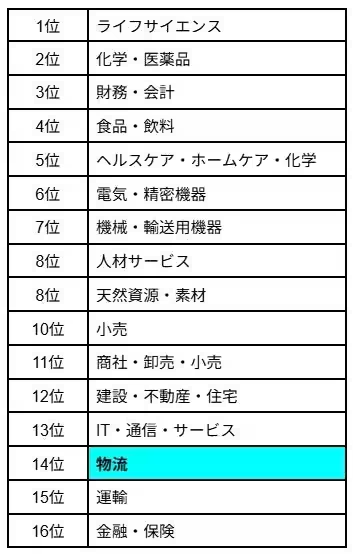
The logistics industry, while essential as a social infrastructure, has struggled to attract talent, ranking 14th out of 16 sectors in a recent Randstad survey on industry attractiveness. Understanding the workforce's evolving needs is crucial for addressing labor shortages, especially as we approach the anticipated labor crisis in 2024. The findings highlight that simply aiming for reduced working hours isn't sufficient; instead, creating a comfortable workplace environment and providing reskilling support are vital components for sustainable growth in this sector.
Attractiveness of the Logistics Industry
The Randstad study points out that the logistics sector has significant room for improvement regarding its appeal to potential employees. The allure of various professions within logistics does not resonate strongly enough with many job seekers. Thus, as the demand for labor continues to soar, businesses must go beyond basic working hour adjustments and instead focus on crafting offers that truly reflect the needs and values of employees.
Prioritizing Wellbeing Over Work-Life Balance
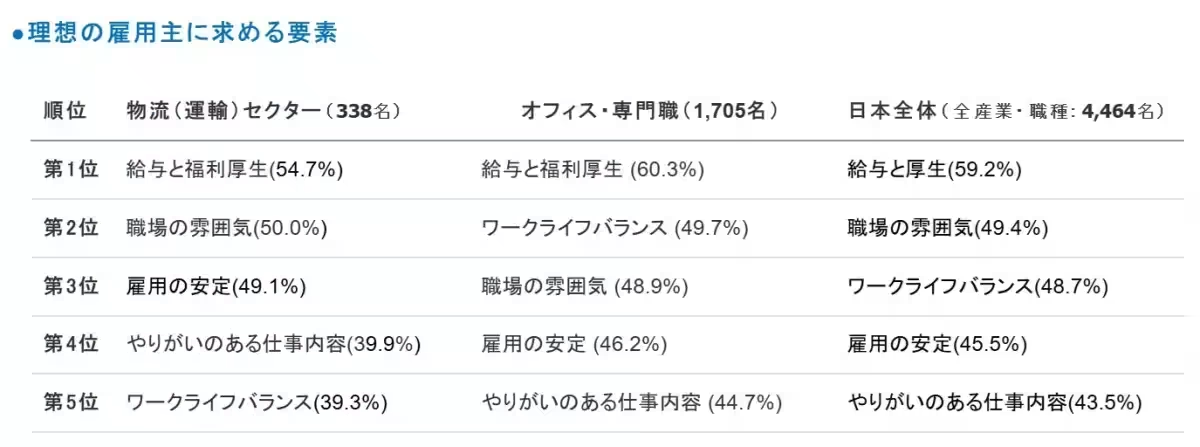
Interestingly, the findings reveal a shift in work preferences. For roles such as drivers and warehouse workers, a positive workplace atmosphere (50%) is significantly more important than work-life balance (39.3%). This indicates a change in priorities, where psychological safety and interpersonal relationships take precedence over mere working conditions. Workers demand proper break times, fair workload distribution, and a culture that respects individual dignity. Therefore, wellbeing is no longer a perk; it has become a fundamental requirement for job retention.
Bridging Generational Gaps in Expectations
The study also uncovers a noticeable generational divide in the workforce's expectations. Veteran employees prioritize job stability and fair compensation, while younger generations, particularly Gen Z and Millennials, are drawn to skill development, flexible work arrangements, and a positive workplace culture. To capture talent from every generation, the sector must design Employee Value Propositions (EVPs) that address the distinct needs of each demographic. Moreover, the logistics industry surpasses the national average—highlighting growth opportunities in education and training—with 21.5% of workers emphasizing the importance of ongoing learning and development, reflecting a desire for job security in a rapidly changing job market.
Strategic Recommendations for Workforce Retention and Attraction
To tackle the ongoing talent shortage, Randstad recommends five strategic approaches:
1. Addressing salary discrepancies: Ensure competitive compensation and enhance transparency in evaluations and pay structures.
2. Implementing practical work-life balance measures: Design flexible shifts and workloads that allow for a balanced lifestyle.
3. Optimizing unique value propositions: Tailor recruitment messages to various demographics, regions, and job categories.
4. Clarifying career paths for the future: Offer clear, specific growth pathways and development opportunities for younger employees.
5. Combining digital recruitment with personal engagement: Utilize efficient digital hiring processes while fostering relationships through face-to-face interactions.
Expert Insights on Addressing the Talent Crisis
According to Tomoki Nagabe from Randstad's Operational Talent Solutions team, resolving the logistics industry's severe labor shortage cannot rely solely on cutting hours. Instead, businesses must acknowledge the diverse and layered needs of the workforce, especially the rising demand for reskilling opportunities among younger employees. Providing training on new technologies and career development isn't merely an expense; it represents a core investment in the industry's long-term sustainability. By designing personalized EVPs that meet both veteran needs for stability and younger aspirations for growth, the logistics sector can begin transforming into a more appealing industry that effectively overcomes its current challenges.
Conclusion
Randstad’s Employer Brand Research 2026 (Japan version) offers a crucial analysis of how to realign the logistics sector's approach to talent acquisition and retention. As the report points out, understanding employee expectations and ensuring their wellbeing will be critical in overcoming the looming labor crisis in 2024 and beyond. The future of the industry hinges on these essential adaptations.


Topics Business Technology)
【About Using Articles】
You can freely use the title and article content by linking to the page where the article is posted.
※ Images cannot be used.
【About Links】
Links are free to use.