



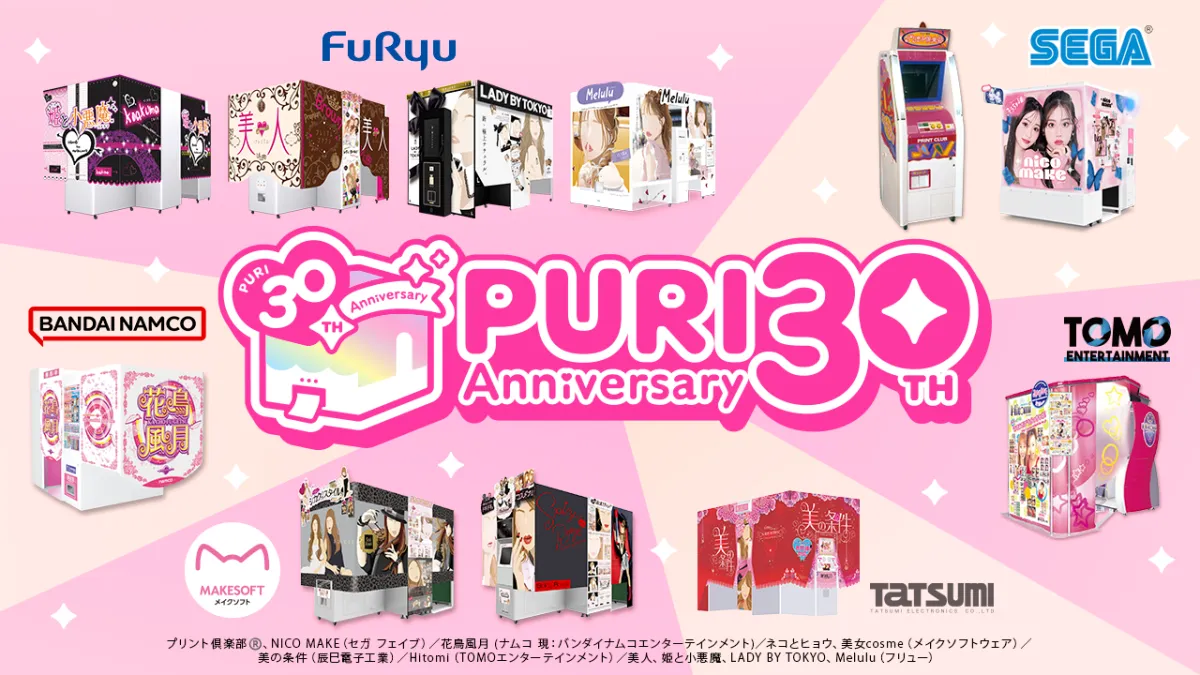
Celebrating 30 Years of Purikura: A Journey Through Time and Trends
The Evolution of Purikura: 30 Years of Capturing Memories
July 2025 marks a significant milestone in the world of photo stickers as Japan's iconic Purikura® celebrates its 30th anniversary. Originally launched on July 25, 1995, by Sega, the first machine, Print Club®, quickly became a cultural phenomenon. This article delves into the rich history of Purikura, highlighting how it has adapted to captivate the hearts of teens throughout different eras.
The Birth and Rise of Purikura
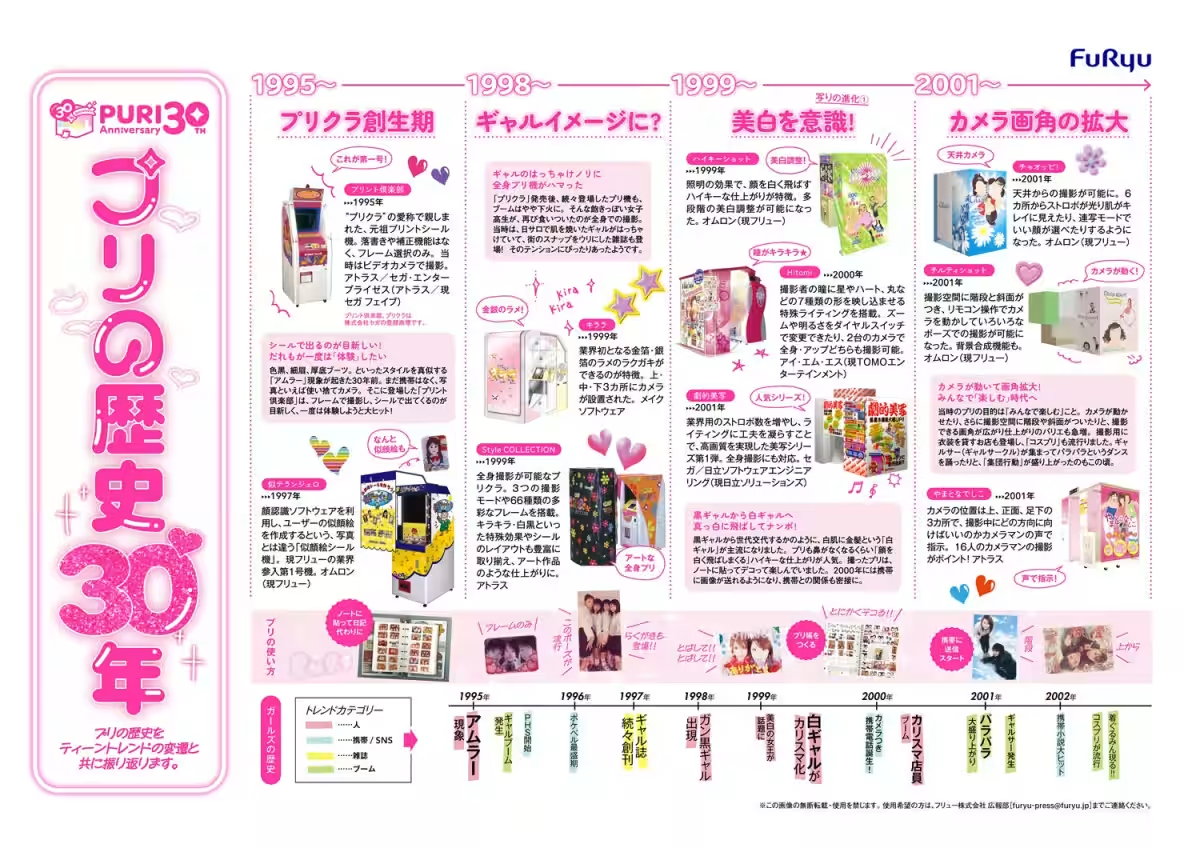
The journey of Purikura began with the introduction of the Print Club® machine, which became an instant hit. By June 1997, over 22,000 units had been sold, showcasing its widespread popularity. The concept of instantly printing photos right after taking them resonated with a generation looking for fun and memorable experiences. As Purikura gained traction, it sparked a major trend across Japan, establishing itself as a must-experience activity among youth.
In 1998, Furyu Corporation entered the Purikura market, introducing innovations that appealed to a younger demographic. One notable trend was “All-body Purikura,” which became a craze among high school girls. The evolution didn’t stop there; by 1999, amidst a booming beauty trend, machines specifically designed for taking flattering pictures emerged, thereby enriching the Purikura experience.
Adapting to Trends and Cultures
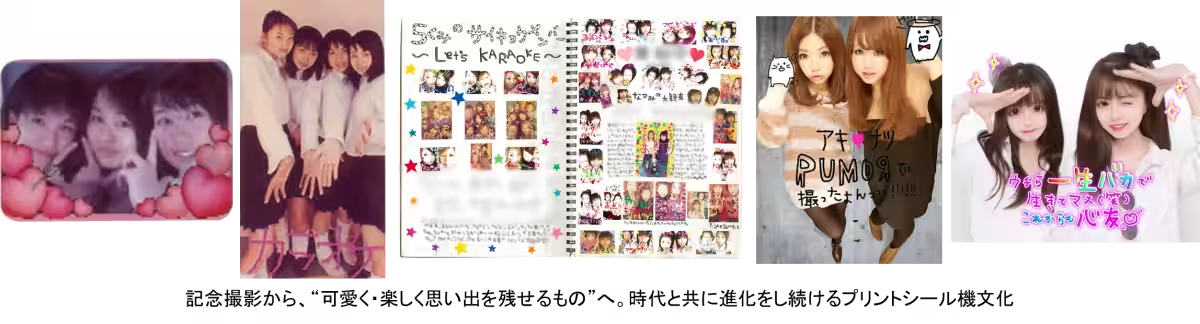
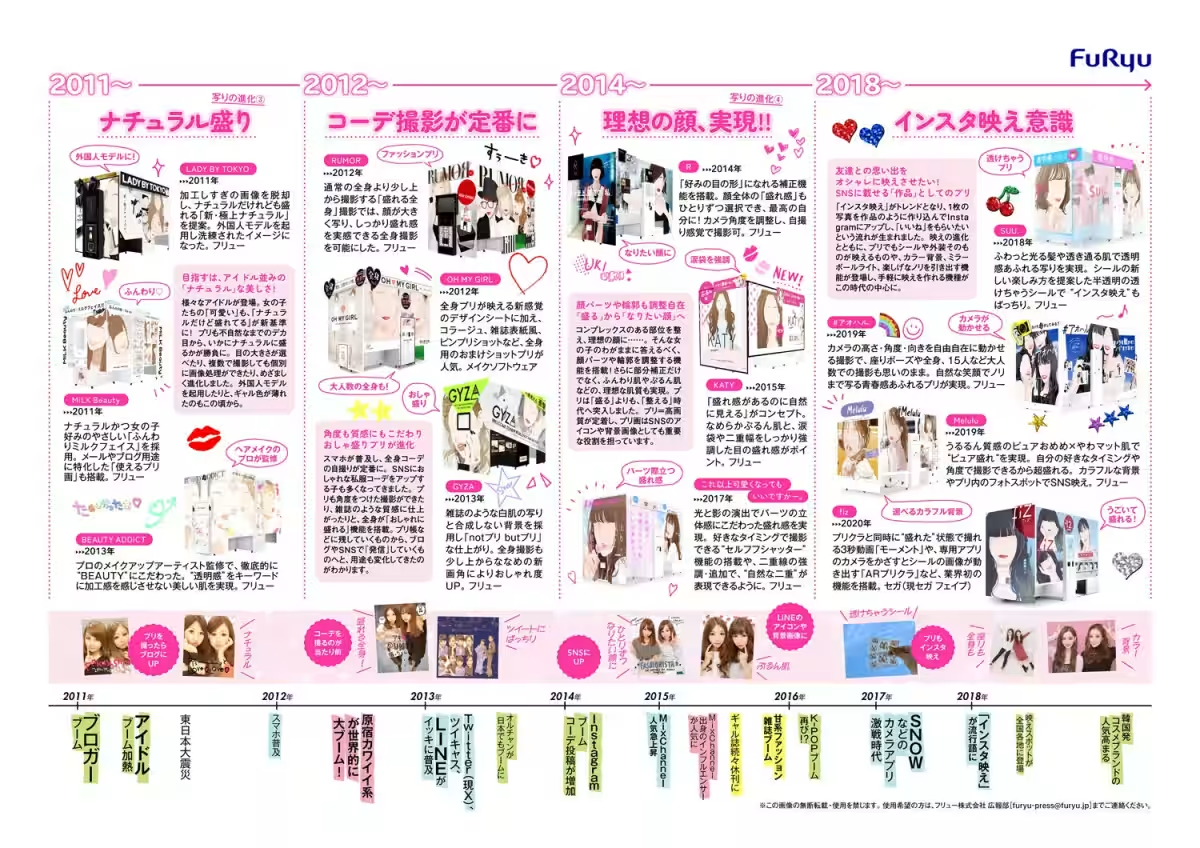
As Purikura continued to thrive, it consistently transformed alongside shifting teen trends. The machines evolved to offer new features, such as beautiful enhancement options, and became synonymous with fun and creative self-expression. Concepts like creating Puri-chō (photo sticker books) and exchanging stickers took off, leading to an ingrained culture that defined teenage social interaction.
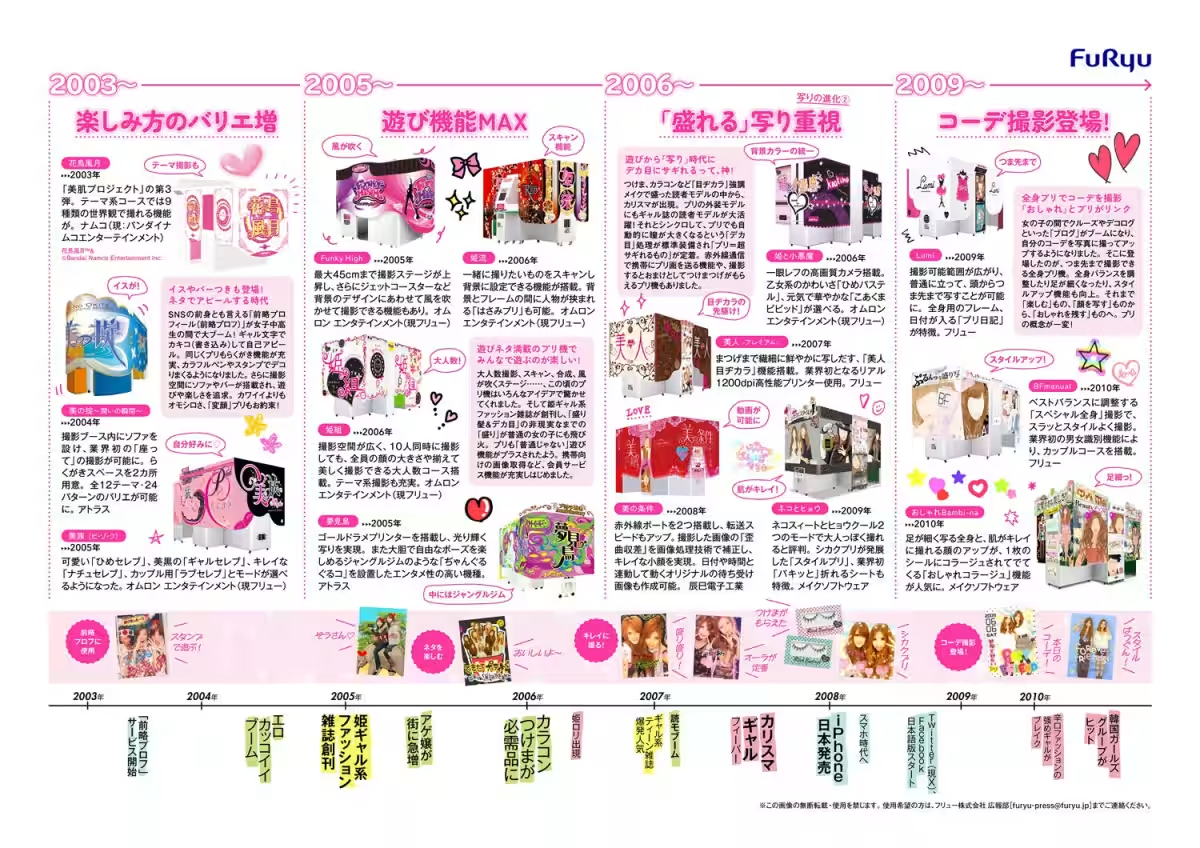
The 2000s introduced notable machines such as “Hanachōfūgetsu” by Namco, which emphasized artistic photo printing, and “Bijin” by Furyu, which popularized the idea of beautifying photographs. Even as photographic technology advanced, Purikura adapted by adopting new digital tools. Recent advancements have seen machines integrate sophisticated retouching capabilities, allowing users to fine-tune their images according to personal preferences.
Acknowledging the Past: Resources on Purikura's Legacy
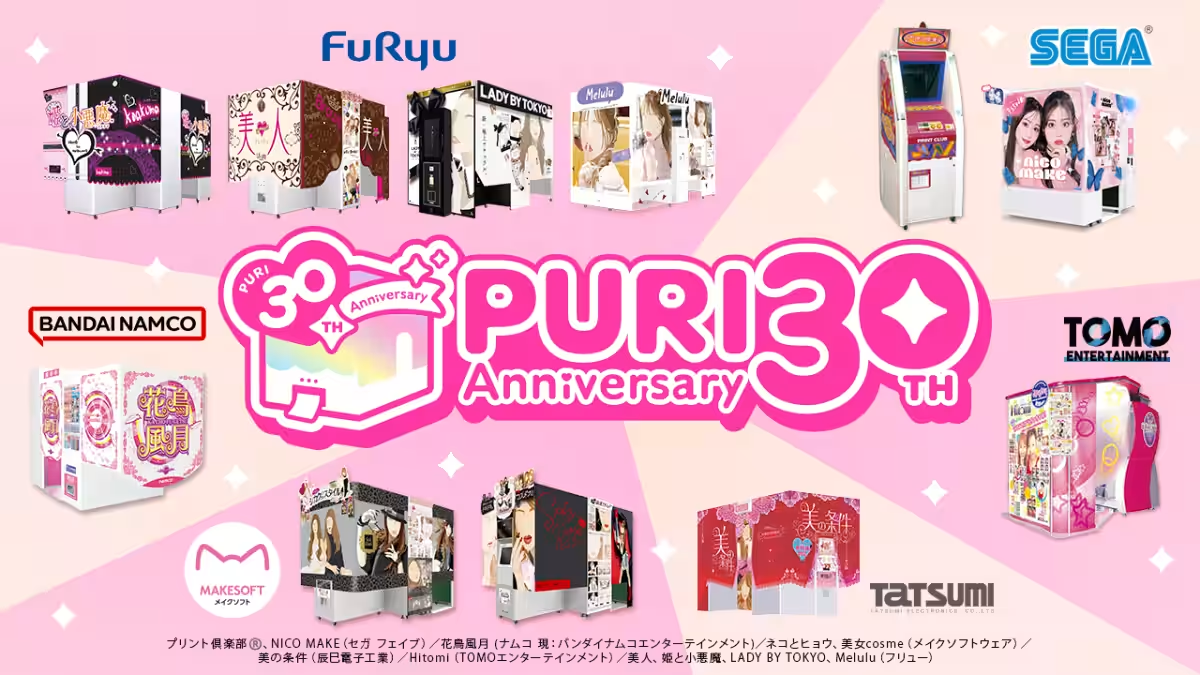
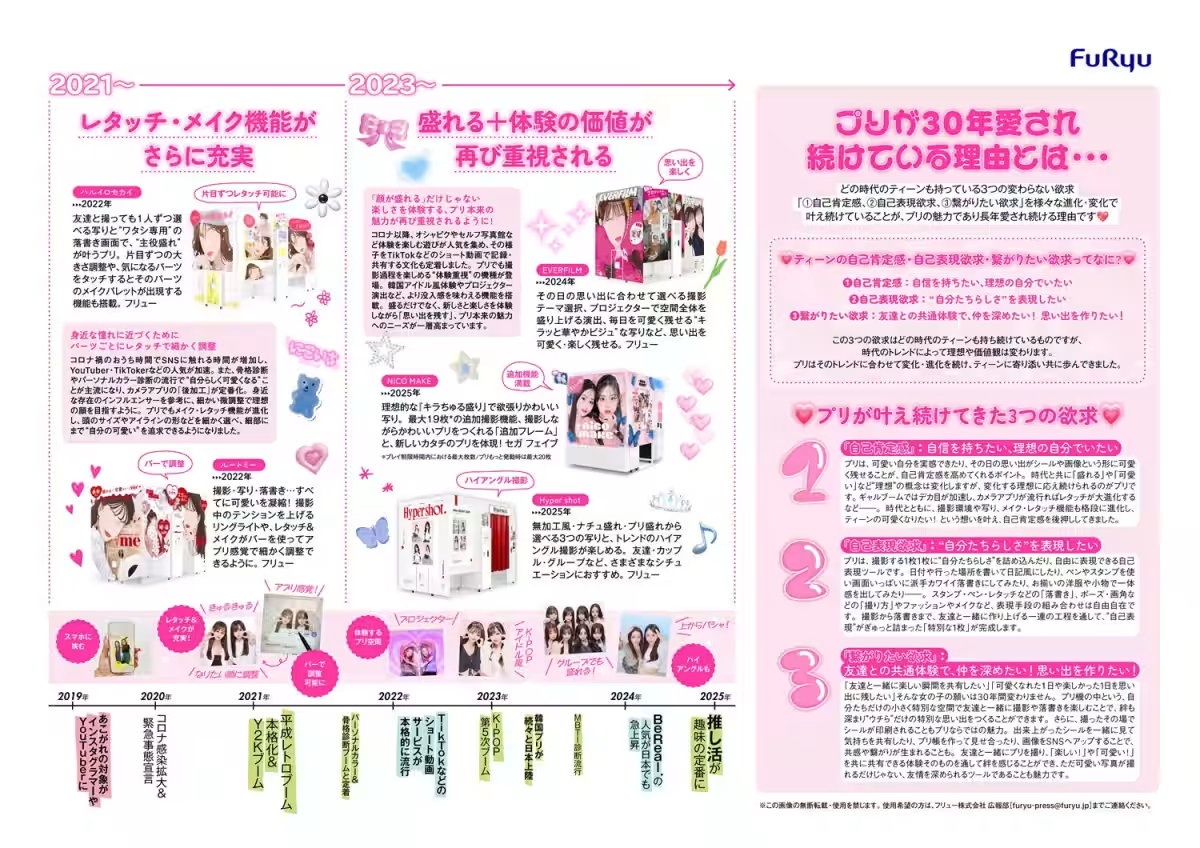
In celebration of its 30-year history, Furyu and Sega have collaboratively released a comprehensive documentation titled “The 30-Year History of Purikura.” This resource delves into the evolution of Purikura machines from 1995 to 2025, highlighting significant technological advancements and cultural impacts. The insights stem from extensive research and collaboration with several notable companies involved in the production of Purikura machines, including Bandai Namco Entertainment, Tatsumi Electronics, and others, making this documentation an essential read for fans and newcomers alike.
The resource sheds light on the deep connection between Purikura's evolution and teen culture, capturing how the features and functionalities of machines have shifted to meet the whims and desires of new generations. Readers can explore pivotal moments in Purikura's history, from its inception to modern-day innovations.
Conclusion: A Timeless Tradition
Looking back on 30 years of Purikura, it’s evident that this famed photo sticker culture has transcended time and trends, nurturing a unique form of self-expression and connection among teenagers. As it continues to innovate, incorporating the latest technology while fostering creativity, Purikura remains a beloved symbol of youth culture in Japan, promising to adapt even further in future generations.
Overall, “The 30-Year History of Purikura” serves as a testament to the creativity, fun, and ever-adapting nature of this iconic staple of Japanese sociocultural life. As we commemorate this landmark anniversary, one thing remains clear: Purikura will continue to inspire joy and creativity for years to come.
For more information and to explore the detailed history of Purikura, visit the official webpage: Purikura 30th Anniversary.
Topics Entertainment & Media)

【About Using Articles】
You can freely use the title and article content by linking to the page where the article is posted.
※ Images cannot be used.
【About Links】
Links are free to use.