



Why Organizations Struggle to Anticipate Problems in the AI Era
Introduction to Organizational Challenges in the AI Age
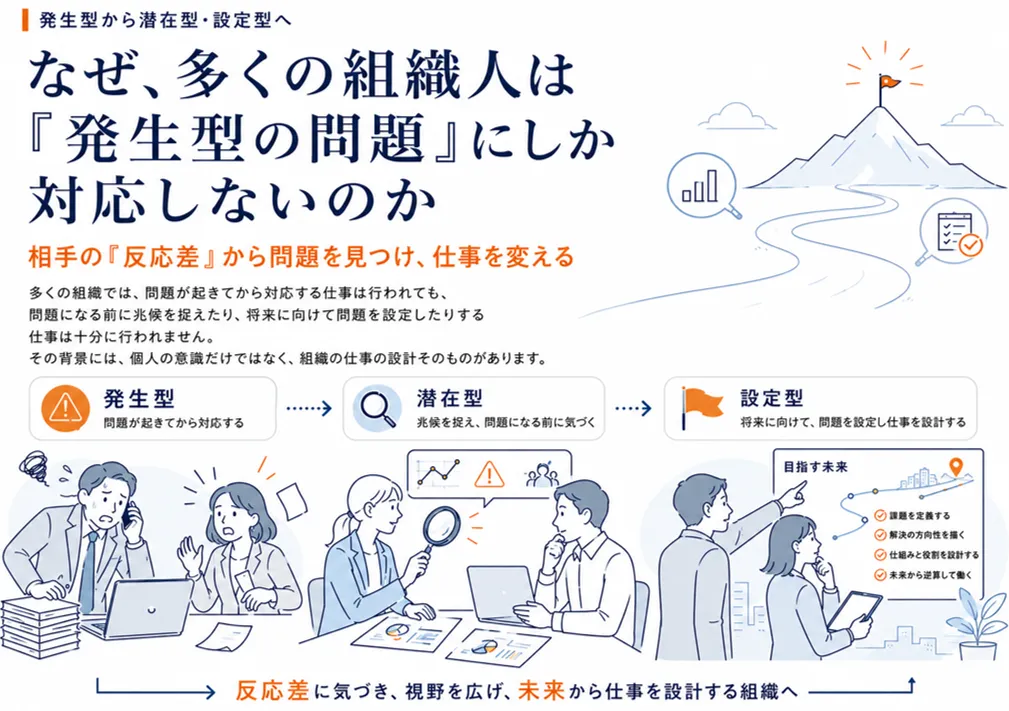
In the evolving landscape of work influenced by AI, a critical question emerges: why do employees tend to respond only to problems that have already occurred? Recent research published by Request Inc., a leader in organizational behavioral science, sheds light on this phenomenon and offers insights into how organizations can foster a culture of proactive problem discovery.
The Current Approach to Problem-Solving
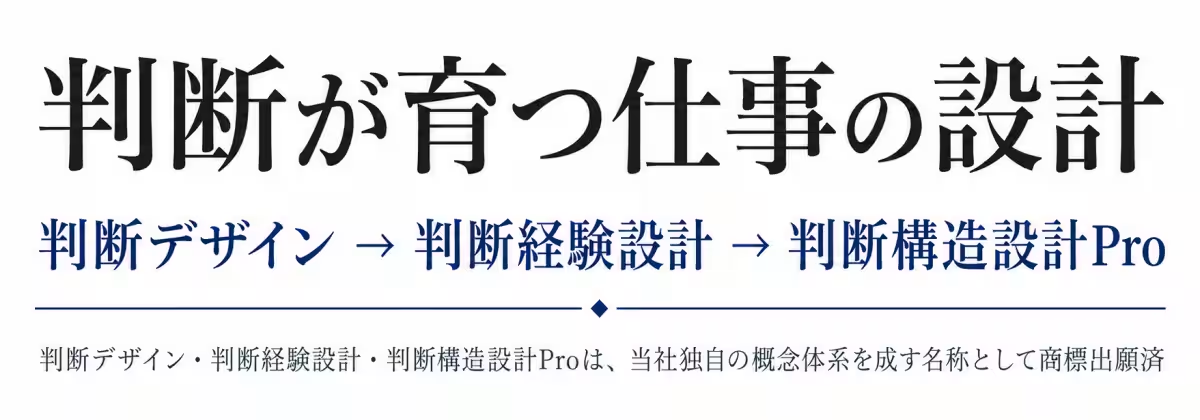
Request Inc. has recently unveiled an 11-page resource titled "Why Do Many Organizational Employees Only Address 'Occurrence-Based Problems'?" This publication builds on their prior work on judgment design and highlights a crucial shift needed in how issues are identified and handled within organizations.
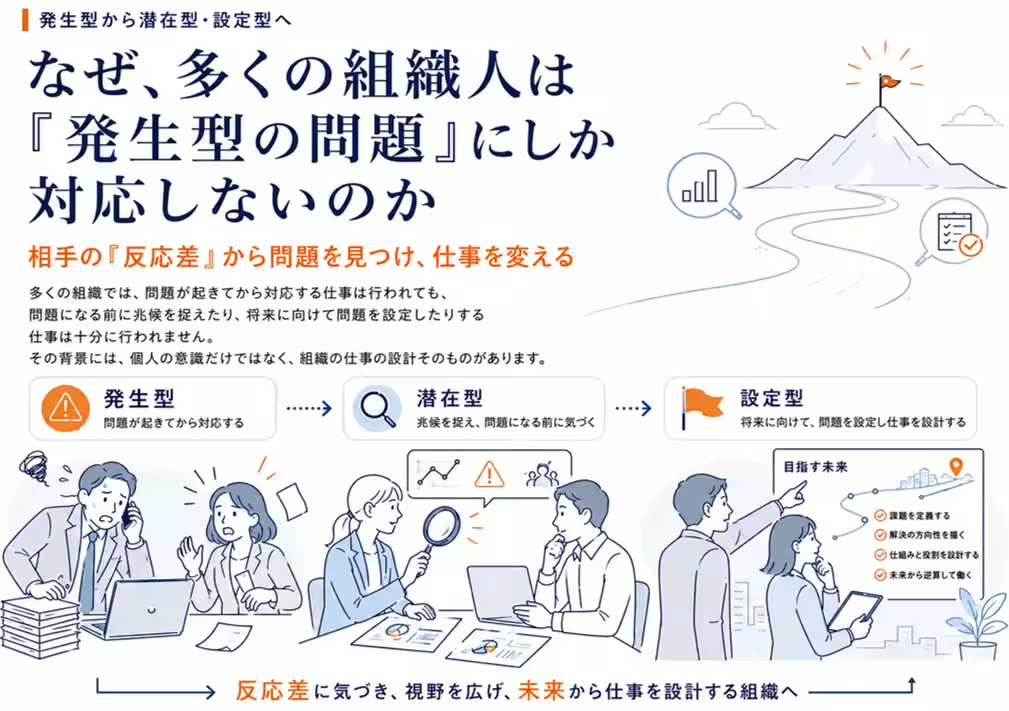
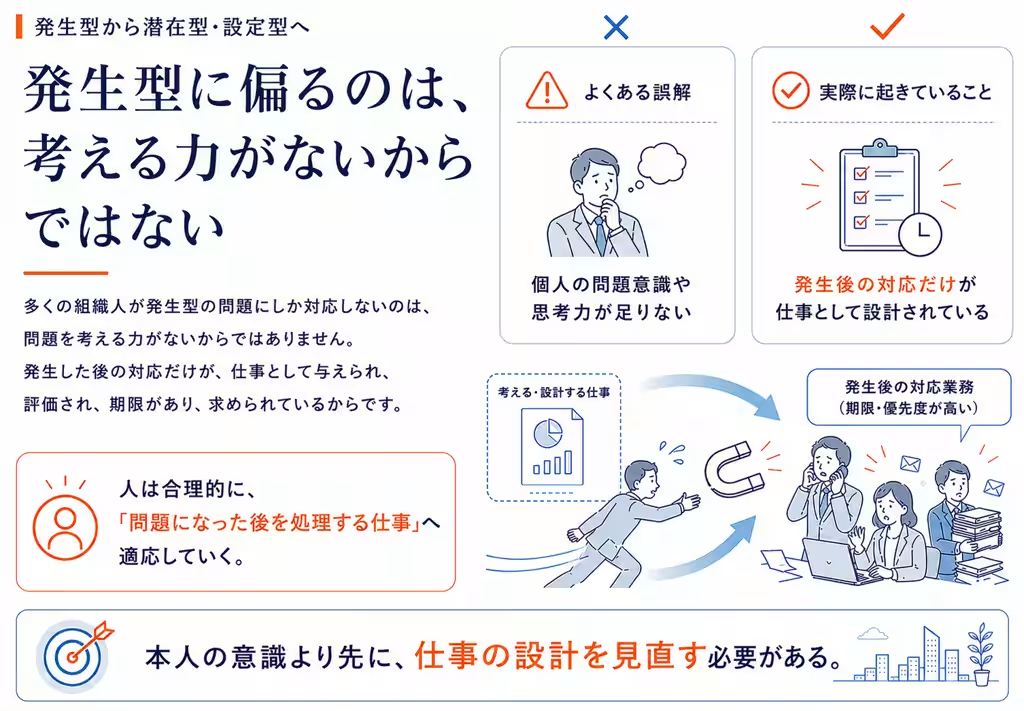
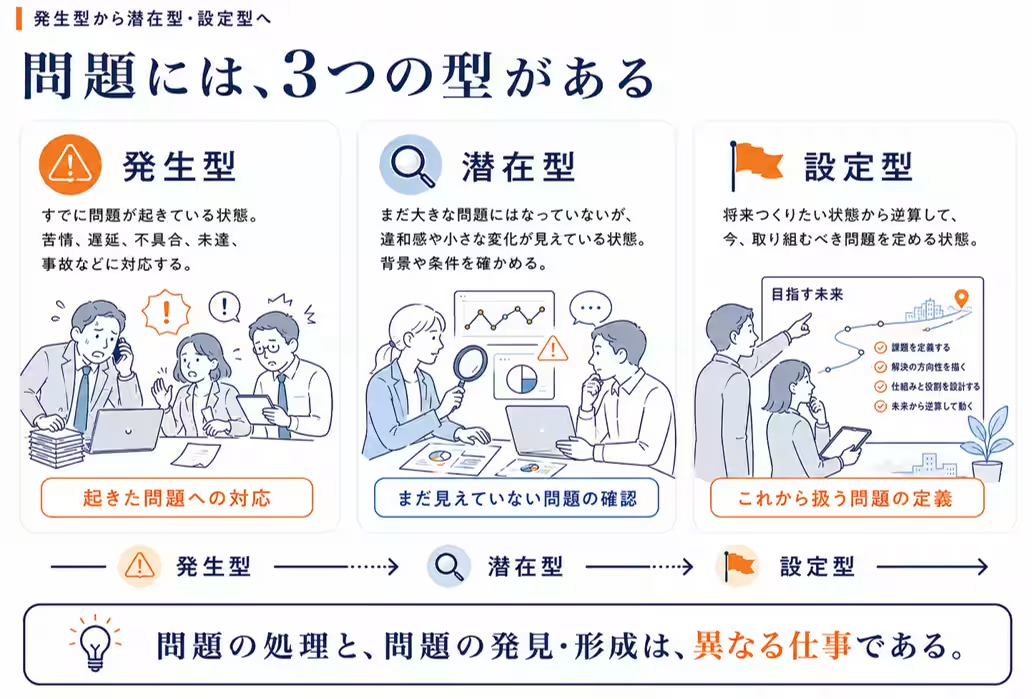
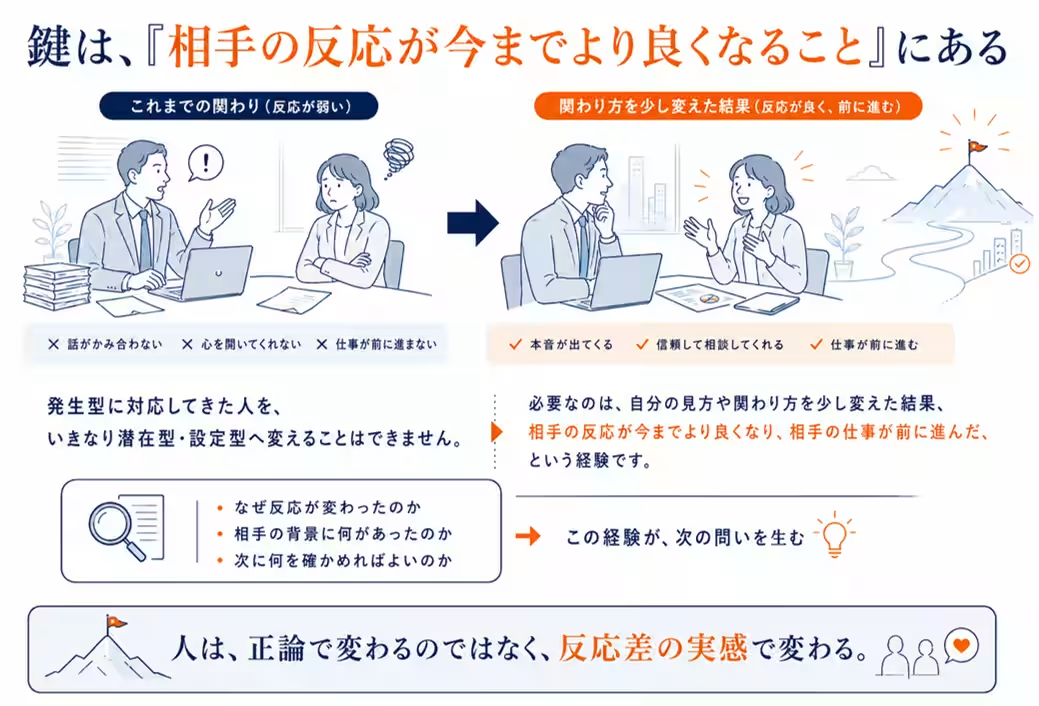
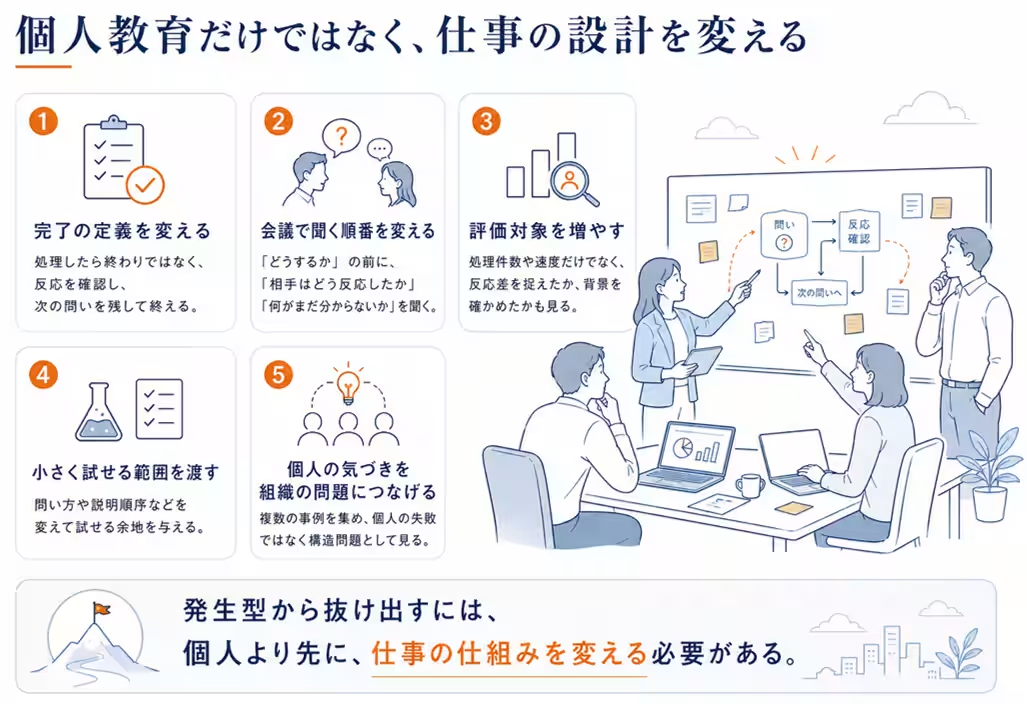
Historically, employees are taught to react to visible issues such as complaints, malfunctions, or delays. This reactive approach inherently limits their experience and learning opportunities. Rather than empowering workers to seek out underlying conditions or potential future problems, many organizations inadvertently encourage them to focus solely on issues that arise and are easily identifiable.
The Importance of Proactive Problem Identification
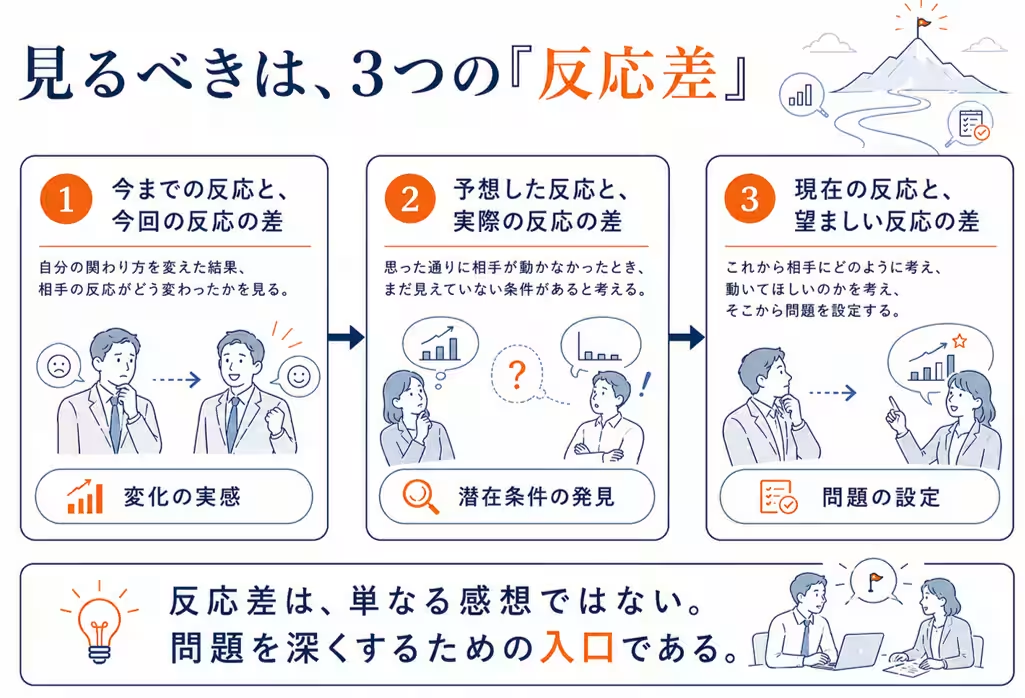
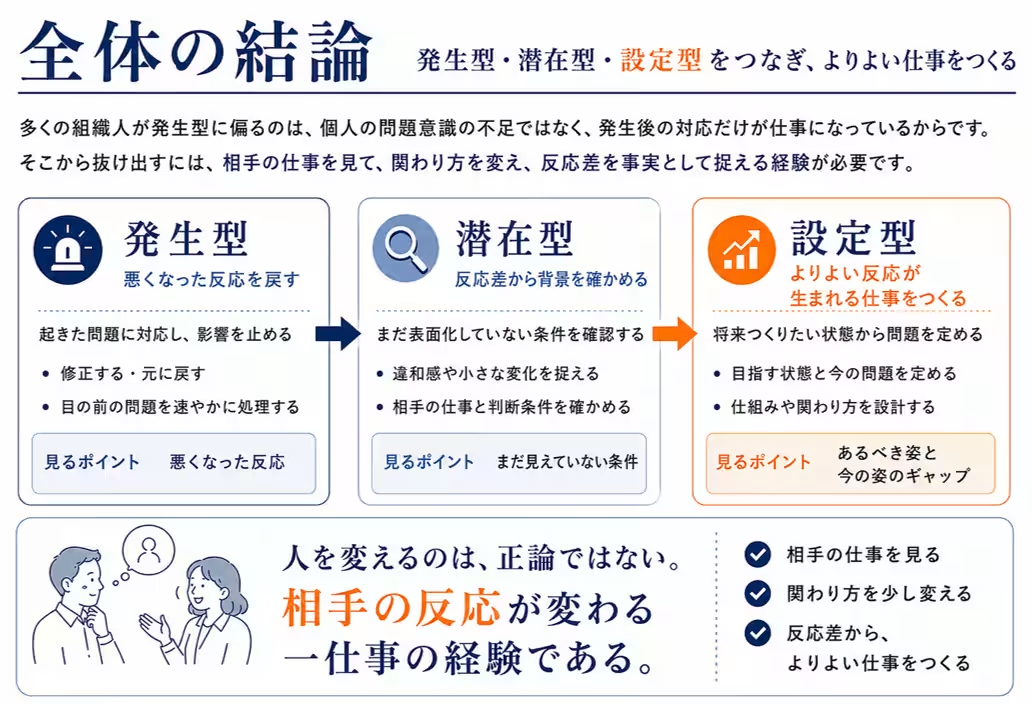
The new resource from Request Inc. emphasizes the importance of looking beyond immediate issues. It encourages organizations to focus on three crucial questions:
1. What changes need to be noticed?
2. Which facts need verification?
3. What problems should be defined as priorities?
By expanding the scope of problem identification beyond mere occurrences, organizations can facilitate a more dynamic work environment where employees are encouraged to engage in deeper analysis of their circumstances.
Connecting Problem Identification and Experience
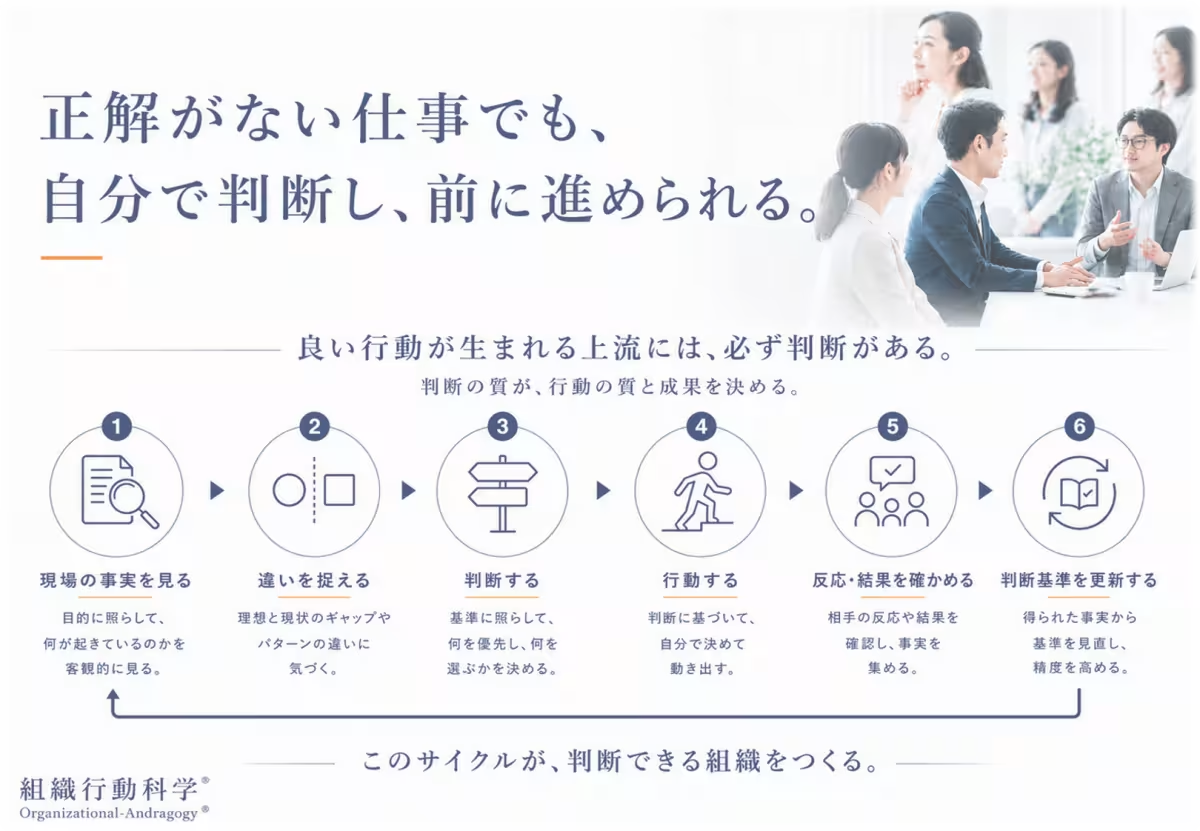
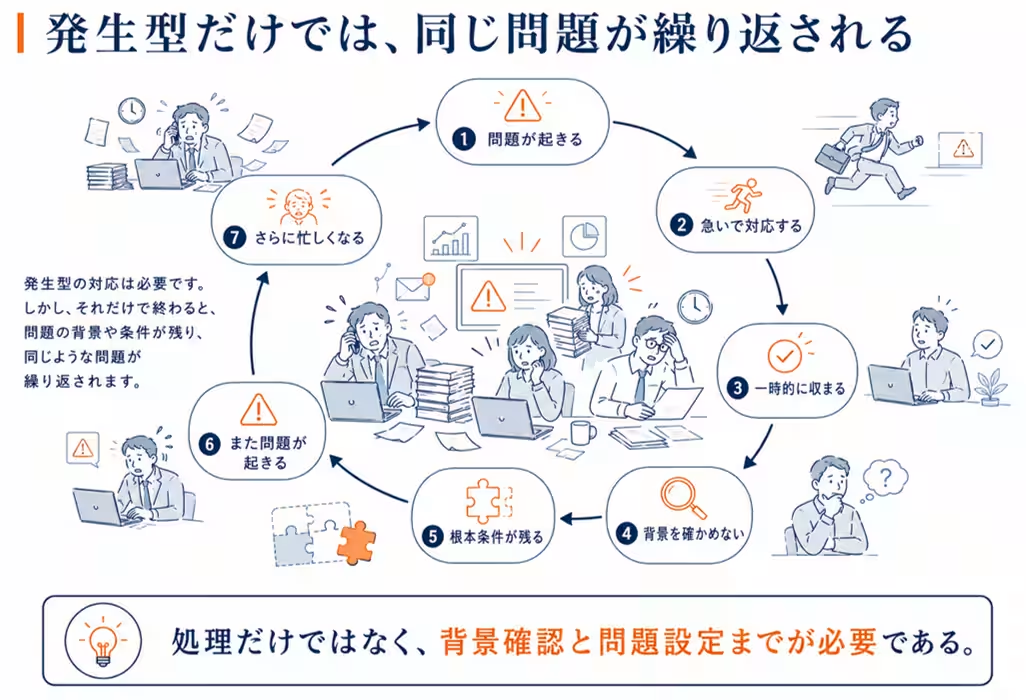
The previous publication outlined conditions for leaving behind judgment experience while performing tasks. However, merely creating conditions where judgment can thrive is not sufficient. If organizations only treat surface problems, employees won't gain the skills needed to recognize issues proactively.
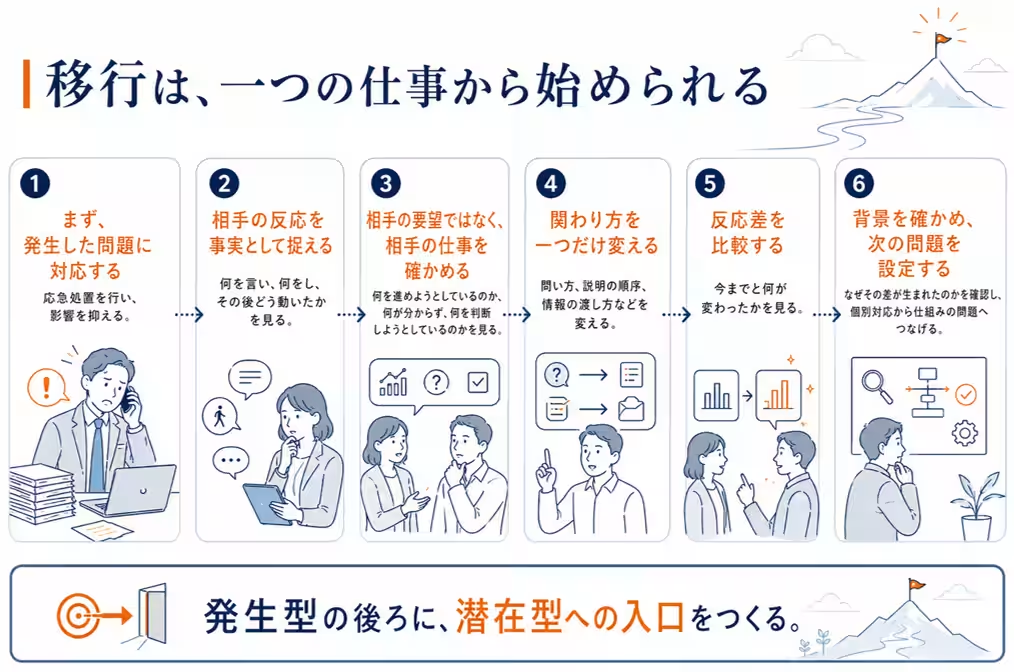
The connection between identifying latent problems and fostering decision-making skills is integral. The new documentation illustrates a work process where:
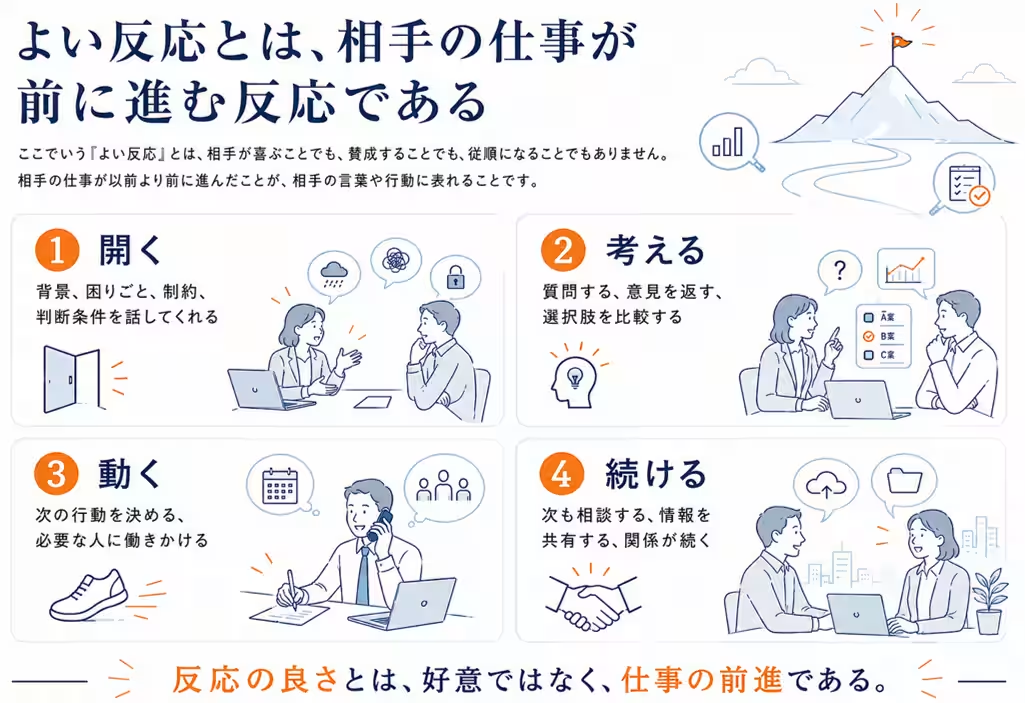
- - Recognizing changes in responses leads to verifying facts.
- - Setting hypothetical problems allows for personal judgment within established criteria.
- - Feedback from results and responses refines the guiding principles for future judgments.
Overcoming Barriers to Executive Proactivity
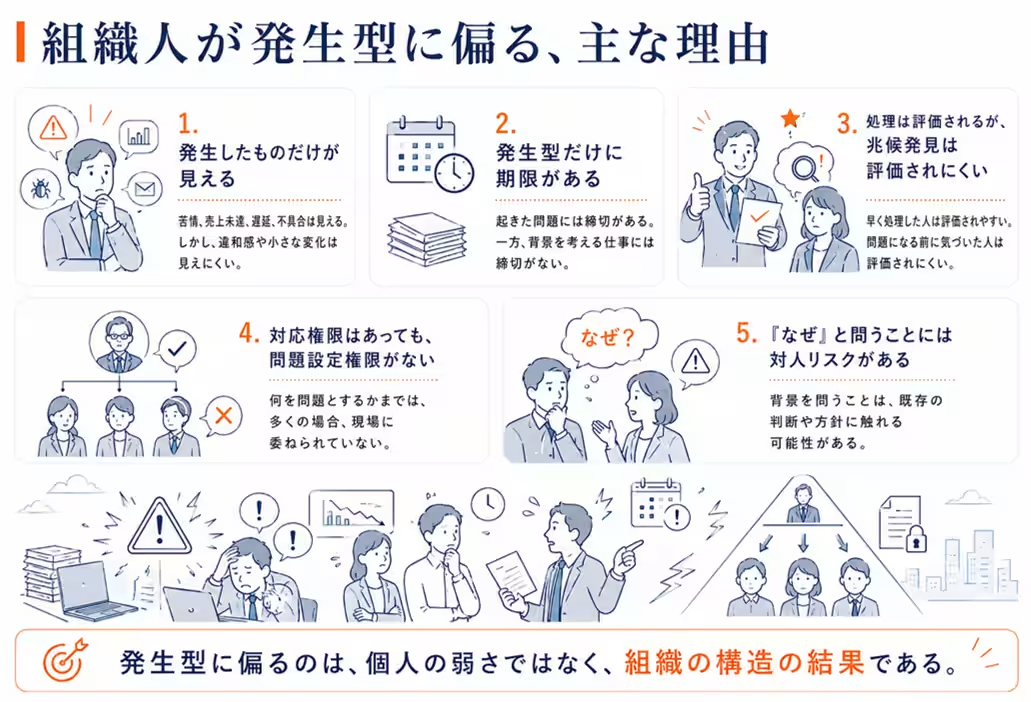
The challenge lies not in asking employees to be more aware of problems, but in creating an environment where detecting subtler signs of trouble is considered a valuable part of the job. Organizational culture often emphasizes reactive measures, leaving little room for proactive analysis. This can lead to assumptions about employee capability being based solely on their perception rather than systemic support.
The Role of AI in Facilitating Change
In the context of increasing reliance on AI, the critical aspect shifts from merely speeding up responses to enabling robust problem identification upstream. AI can assist in sifting through vast amounts of data and identifying patterns, but human discretion remains essential for setting the context and conceptualizing the problems fed into AI systems.
Conclusion: Redefining Responses and Problem Handling
To summarize, the primary objectives presented in this recent publication are multifaceted. They stress the need for:
- - Recognizing response differences in various organizational interactions.
- - Validating the next necessary areas of inquiry.
- - Establishing problems not based solely on immediate data points, but on broader organizational health indicators.
As organizations navigate the complexities of the AI age, creating structures where proactive problem identification is prioritized will not only enhance individual judgment experiences but also contribute to a robust organizational framework capable of adapting to change.
For your convenience, the entire 11-page document can be downloaded here.


Topics General Business)
【About Using Articles】
You can freely use the title and article content by linking to the page where the article is posted.
※ Images cannot be used.
【About Links】
Links are free to use.