



Importance of Regular Inspections and Replacements for Residential Smoke Detectors
Understanding the Importance of Smoke Detectors
In Japan, the Japan Fire Alarm Association has been actively encouraging homeowners to check and replace their smoke detectors, especially if they have been in place for over a decade. The law mandating smoke detectors in newly constructed homes came into effect in 2006, and as we approach two decades since implementation, many households are at risk of malfunction due to battery depletion or aging components.
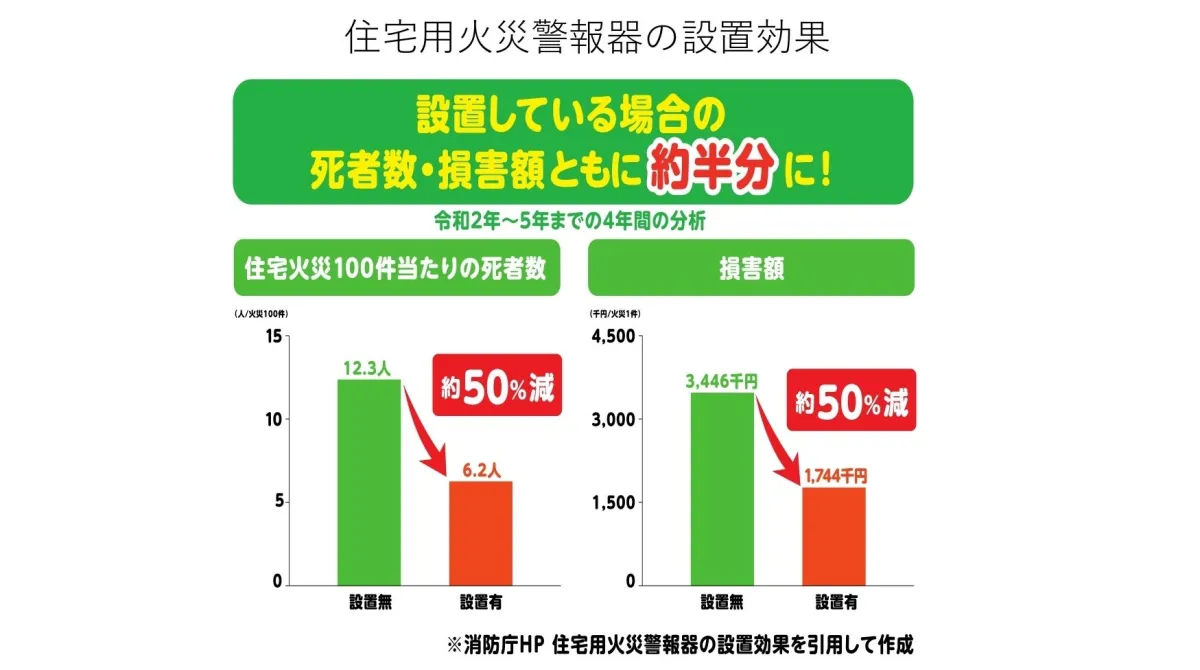
The Ministry of Internal Affairs and Communications recommends regular checks of smoke detectors as an essential practice for fire safety. In alignment with this, the association emphasizes the necessity of replacing units after approximately ten years to secure maximal efficacy. Detecting fires early is crucial, and the state of the smoke detector can significantly influence the potential damages caused by such fires.
The Increasing Risk of Fire among the Elderly
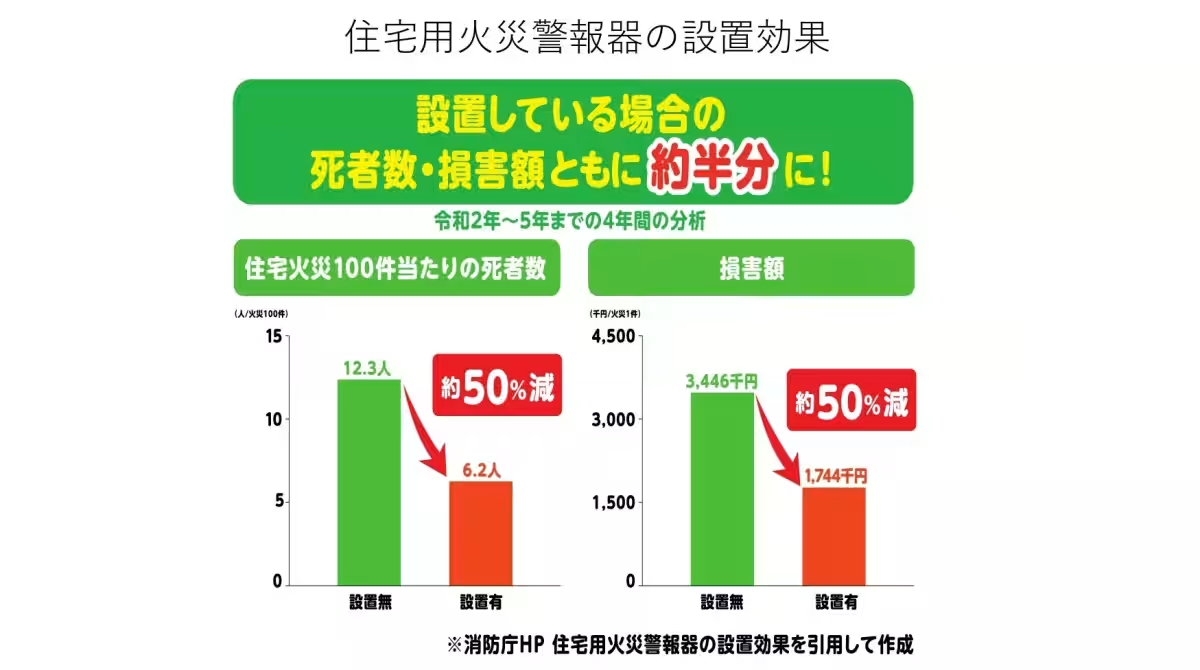
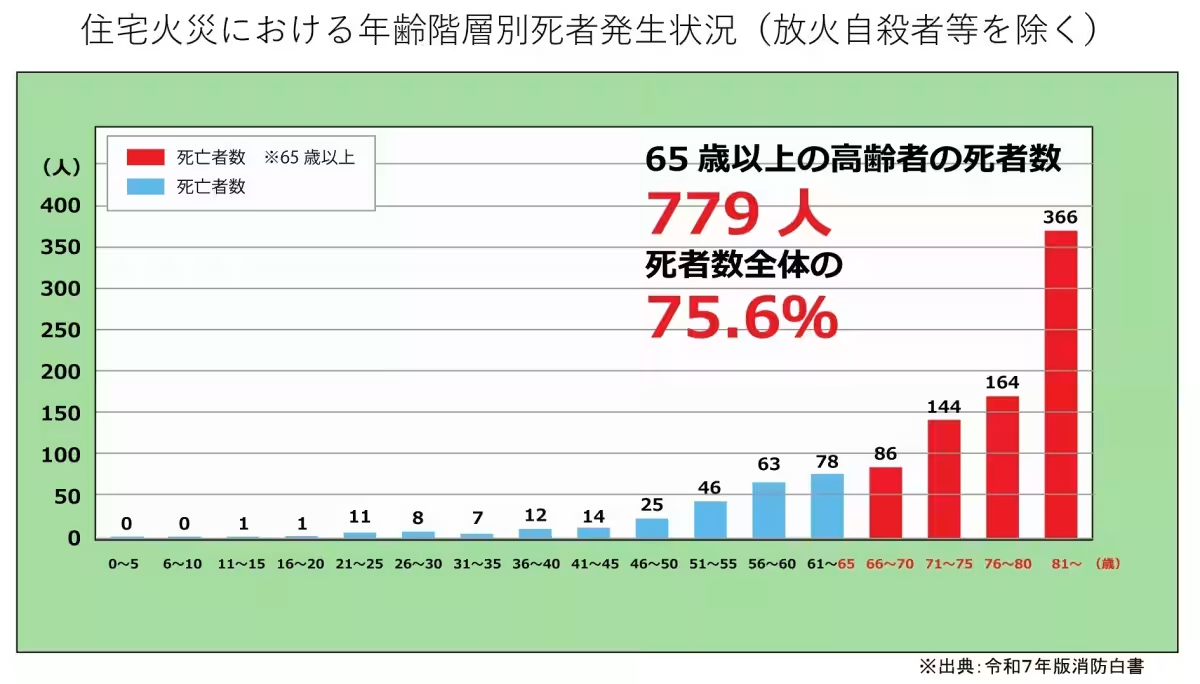
The rising elderly population in Japan has led to a concerning trend: fire incidents increasingly affect older adults. According to the 2025 Fire Report, there were 1,030 fatalities from residential fires, a slight increase compared to previous years. Alarmingly, those aged 65 and above accounted for 75.6% of these deaths, signifying that the functionality of smoke detectors can often be the deciding factor between life and death. As such, it's imperative for the association to continuously and clearly convey the importance of regular inspections and timely replacements of these critical devices.
Recent Survey Highlights
To shed light on public awareness and behavior regarding smoke detectors, the association conducted a survey between June 20 and July 14, 2025. The focus was on households built between April 2006 and March 2014, involving 880 participants with a total of 5,016 smoke detectors installed.
Awareness vs. Action
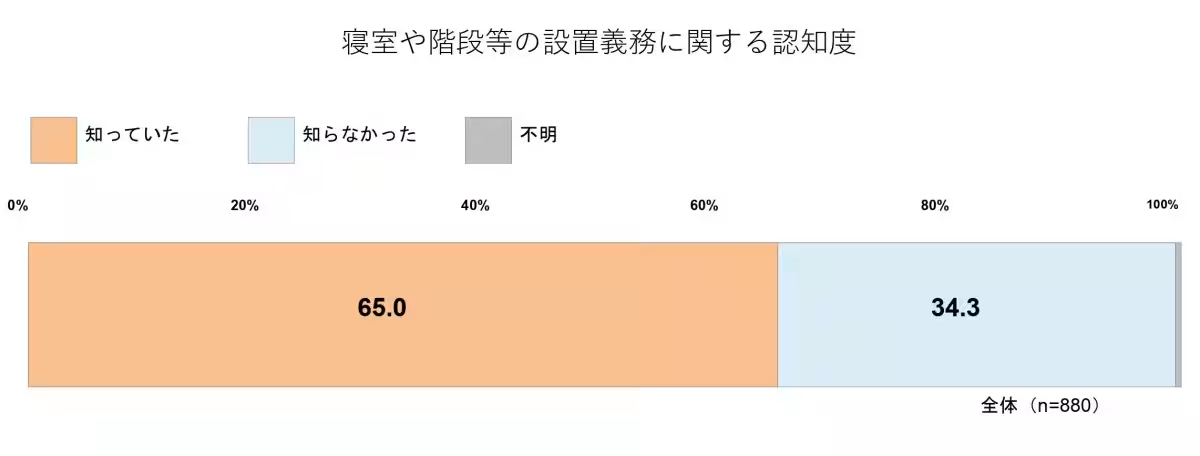
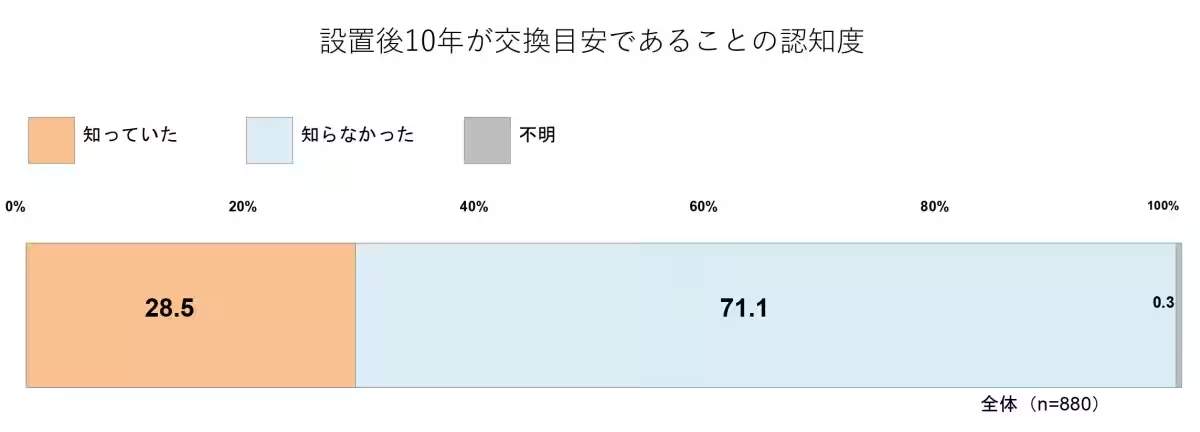
A notable finding from the survey revealed that while 65% of respondents were aware of the legal requirement to install smoke detectors in bedrooms and stairways, 71.1% were unaware of the recommendation to replace them after ten years. This suggests a gap between knowledge of installation requirements and actions surrounding replacements.
Barriers to Replacement
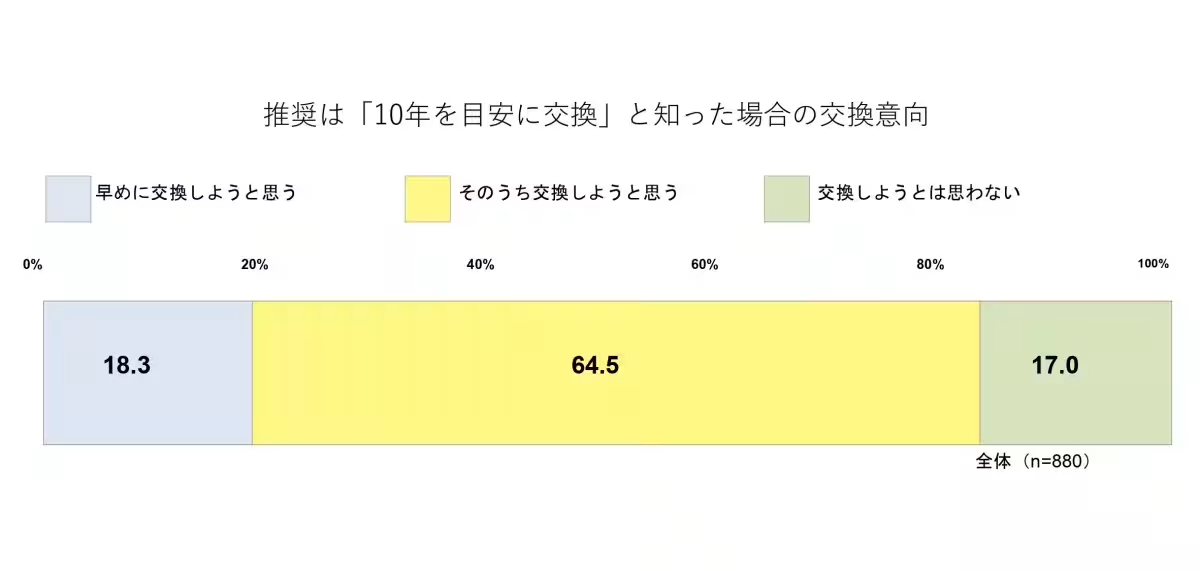
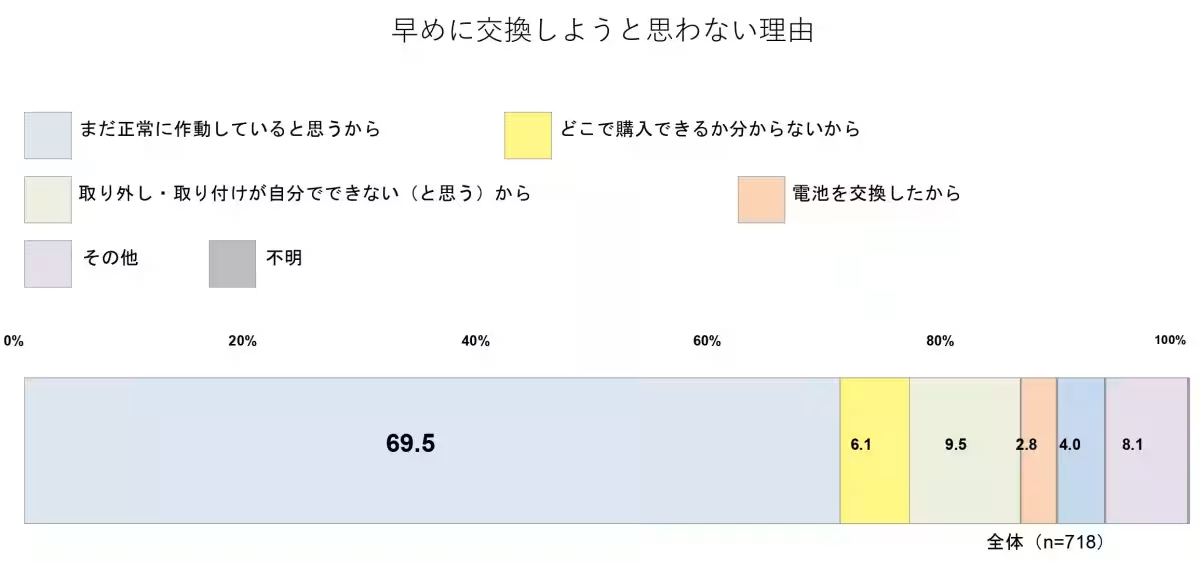
Many respondents, approximately 69.5%, felt that their smoke detectors were still functioning properly, leading them to procrastinate on replacements. Only 18.3% indicated they would consider replacing their devices after learning about the ten-year recommendation. Furthermore, some participants cited a lack of ability to remove or install detectors and confusion about where to buy replacements, indicating that barriers still exist even among those who recognize the need for action.
Inspection Knowledge
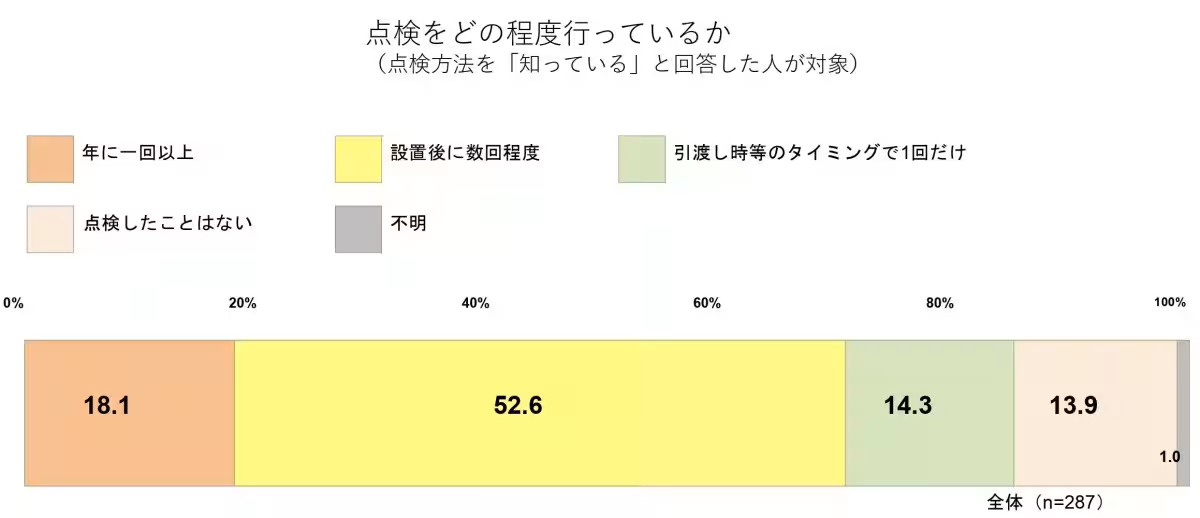
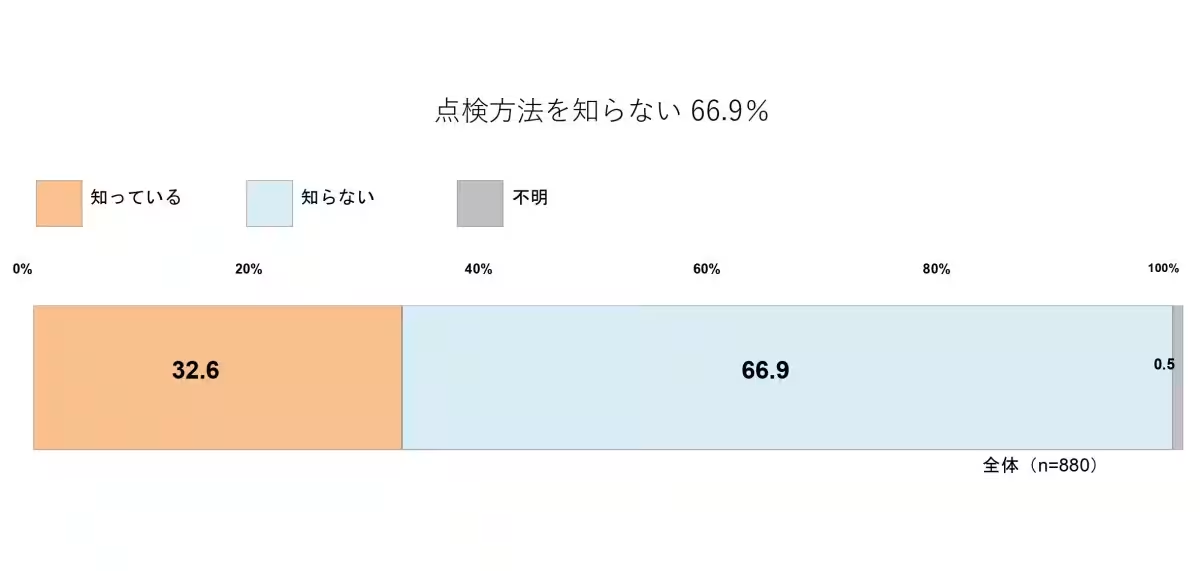
The survey also revealed a striking gap in knowledge about the inspection process. Only 32.6% of individuals knew how to check if their smoke detectors were operational, and even among those who did, less than 20% performed regular checks. This highlights a troubling trend where the awareness of how to ensure smoke detector functionality does not translate into habitual practice.
Misunderstanding Alarm Signals
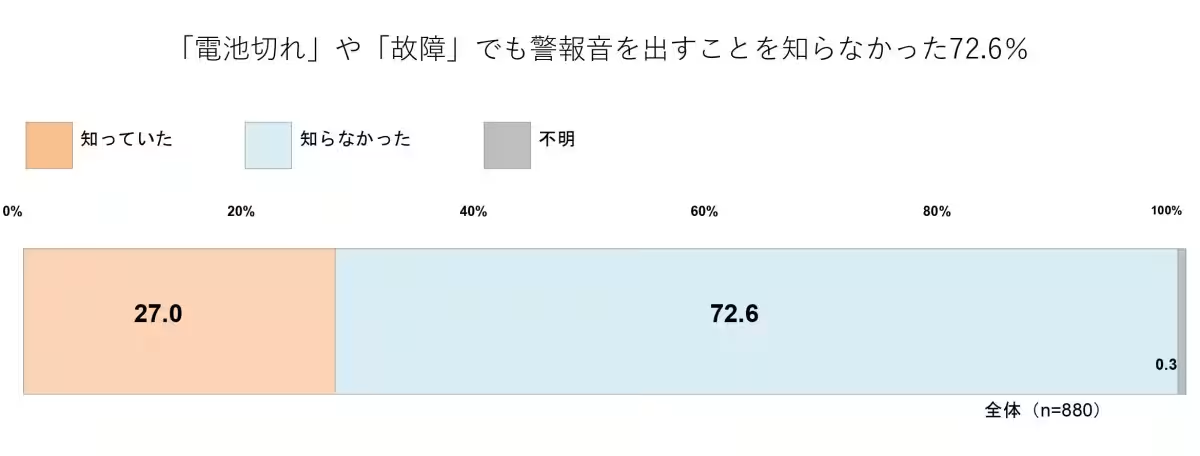
Another significant concern is that 72.6% of respondents were unaware that smoke detectors also sound alarms for low batteries or malfunctions. This lack of understanding puts users at risk of ignoring vital warning signals, potentially leading to malfunction during a fire, thus endangering lives and properties.
Longevity and Effectiveness of Smoke Detectors
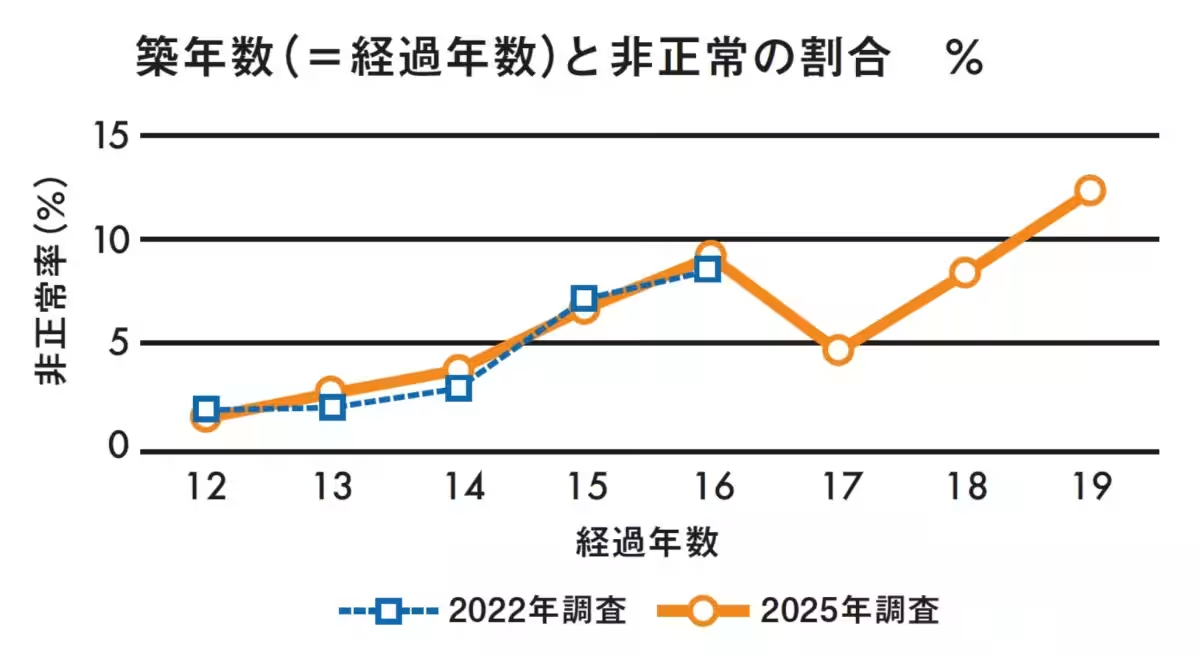
Data indicated that as smoke detectors age, the likelihood of them failing to operate due to battery issues or malfunctions increases. For instance, between 2022 and the recent 2025 survey, the percentage of detectors not functioning rose significantly. This trend underscores the necessity of vigilance regarding the longevity and operational status of smoke detectors, as many users may continue to presume their units are functional based solely on their presence.
Conclusion
The findings from this survey reveal a concerning lack of engagement with smoke detector maintenance practices. While people recognize the importance of installation, actions regarding inspections and replacements are not adequately understood or pursued. Many individuals remain unaware of the ten-year replacement guideline and may postpone necessary maintenance due to misplaced confidence in their detectors' functionality.
Given these insights, the Japan Fire Alarm Association plans to enhance awareness initiatives, partnering with fire departments and utilizing both official channels and social media platforms to disseminate critical information on the importance of timely inspections and replacements. Ensuring that smoke detectors are always operational could very well be a matter of life and death, reinforcing the urgent need for public education in this vital safety area.
Topics Policy & Public Interest)
【About Using Articles】
You can freely use the title and article content by linking to the page where the article is posted.
※ Images cannot be used.
【About Links】
Links are free to use.