



Designing Life in Low Gravity: Microbial Solutions for Lunar Living
Designing Life in Low Gravity: Microbial Innovations for the Moon
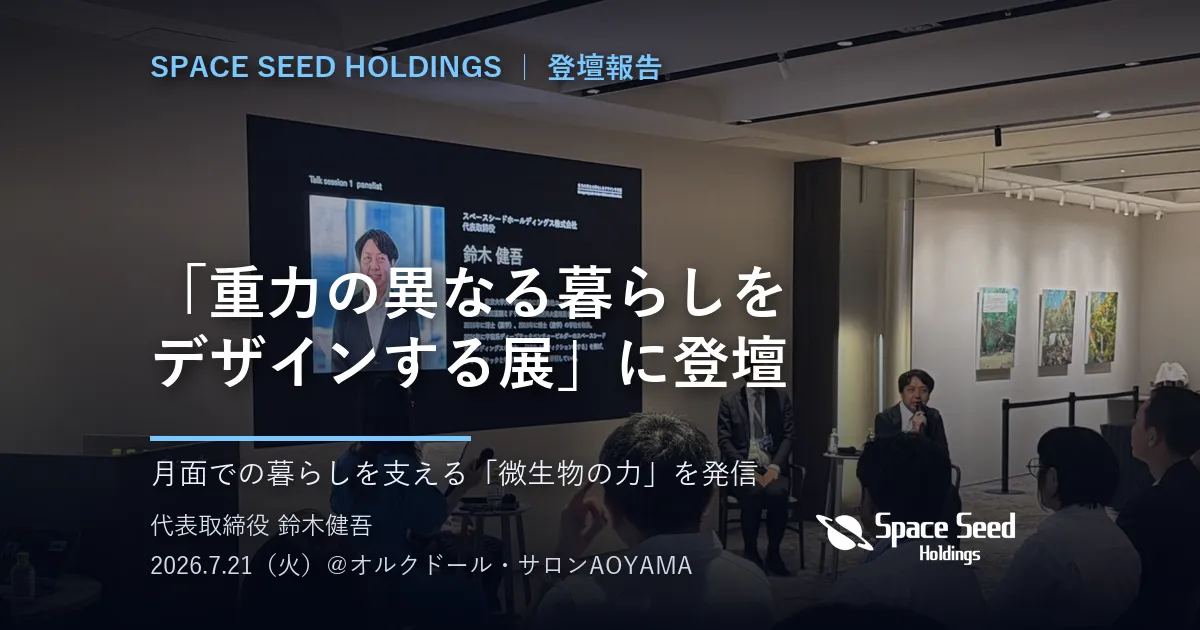
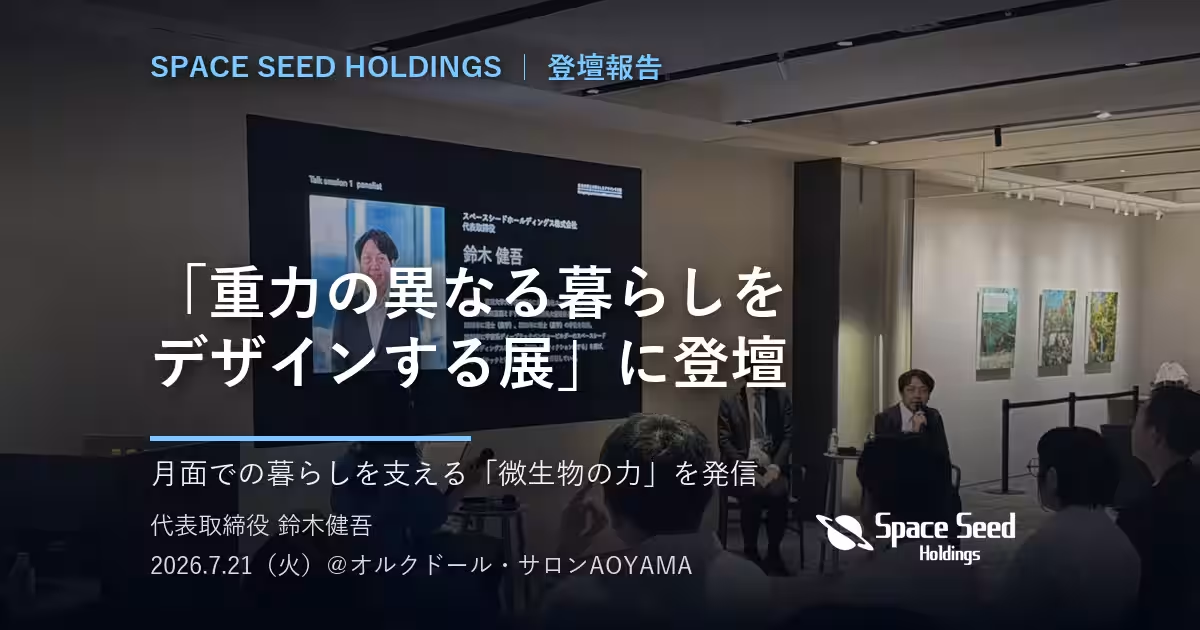
In a pioneering event titled “Designing Life in Low Gravity” hosted by the EX Gravity organization, Ken Suzuki, CEO of Space Seed Holdings, recently participated in a panel discussion focused on the potential of microbes in sustaining life on the Moon. The event took place on July 21, 2026, at the Aoyama-Olqdor Salon in Tokyo, Japan, and aimed to reimagine our understanding of life and culture in environments with differing gravitational conditions.
Key Insights from the Event
The exhibition featured keynote speeches, special presentations, and engaging panel discussions, with participants from diverse fields, including design, architecture, and space development. Suzuki emphasized the importance of microbial power in establishing a sustainable living environment on the Moon, where resources will be limited, and traditional supply lines will not exist.
The Role of Microbes in Lunar Living
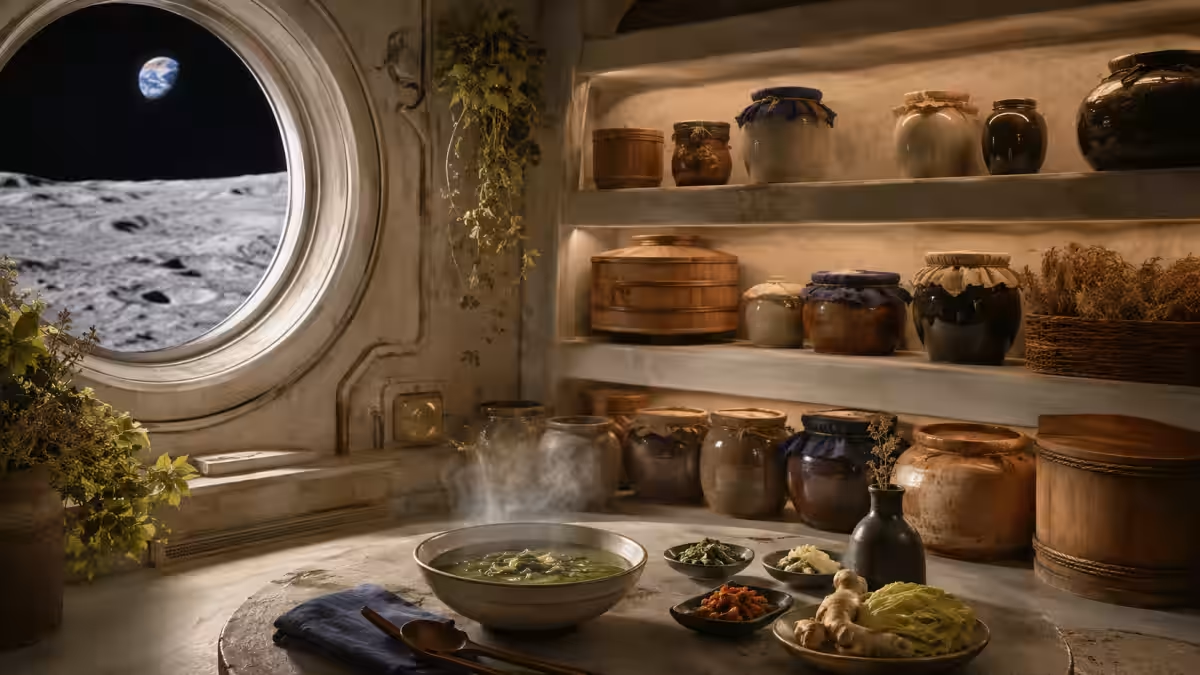
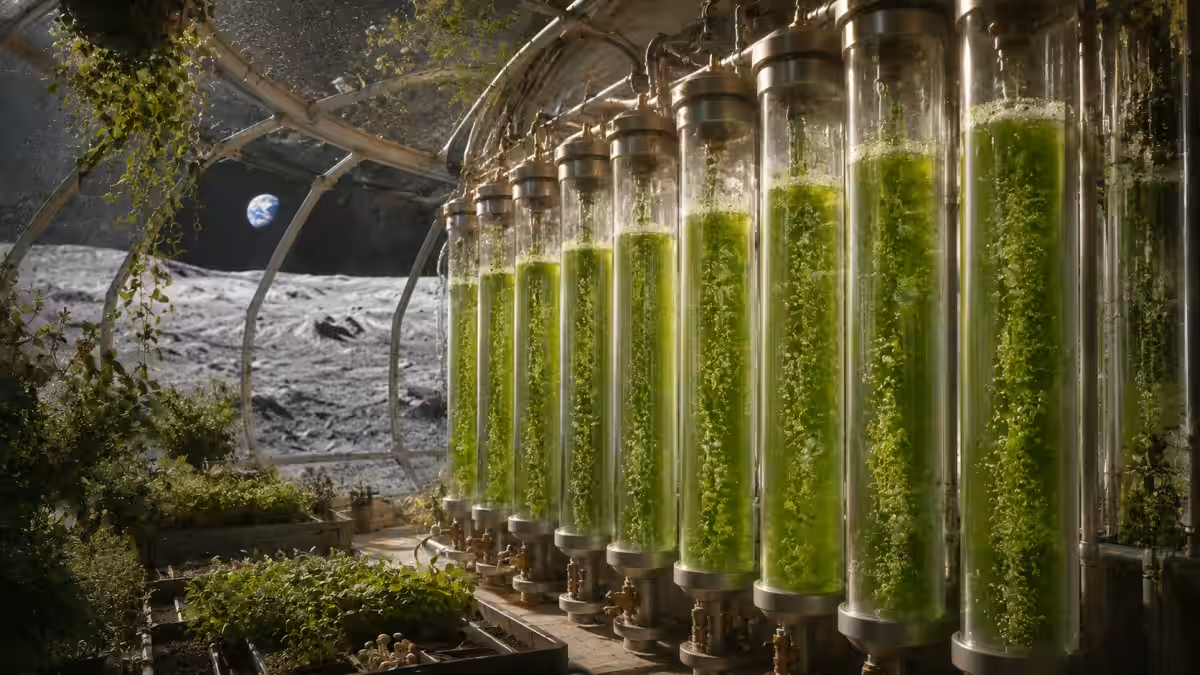
Suzuki highlighted the vital role that microbes will play in sustaining human life on the Moon. He presented fermentation as a technique to produce consumable food items from scarce raw materials, enhancing both preservation and flavor. Additionally, Suzuki pointed out that microalgae, which can generate organic matter from light and carbon dioxide, could serve as a source of proteins and fats, while also playing a crucial role in the carbon cycle by absorbing CO2 and producing oxygen.
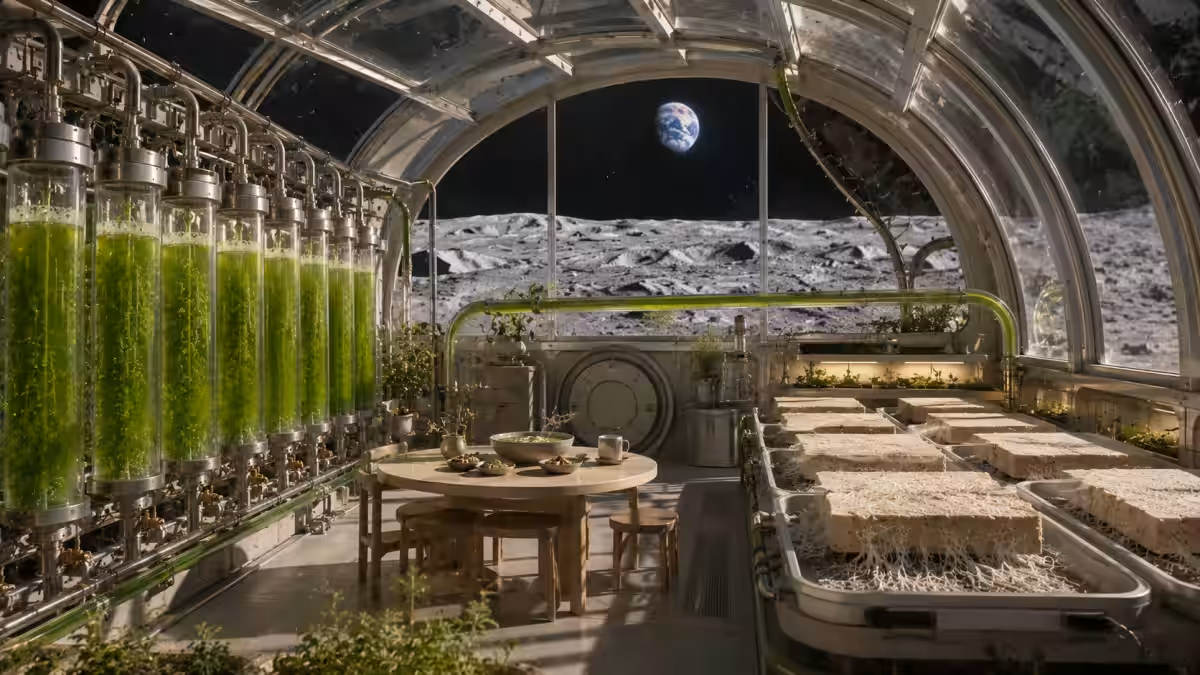
By combining the functions of various microorganisms and microalgae, a closed-loop system can be developed where resources are produced on-site rather than imported, presenting a novel approach to lunar habitation. This approach ties into Space Seed’s broader mission of transforming science fiction concepts into tangible, real-world applications.
Recent Experiments and Future Plans
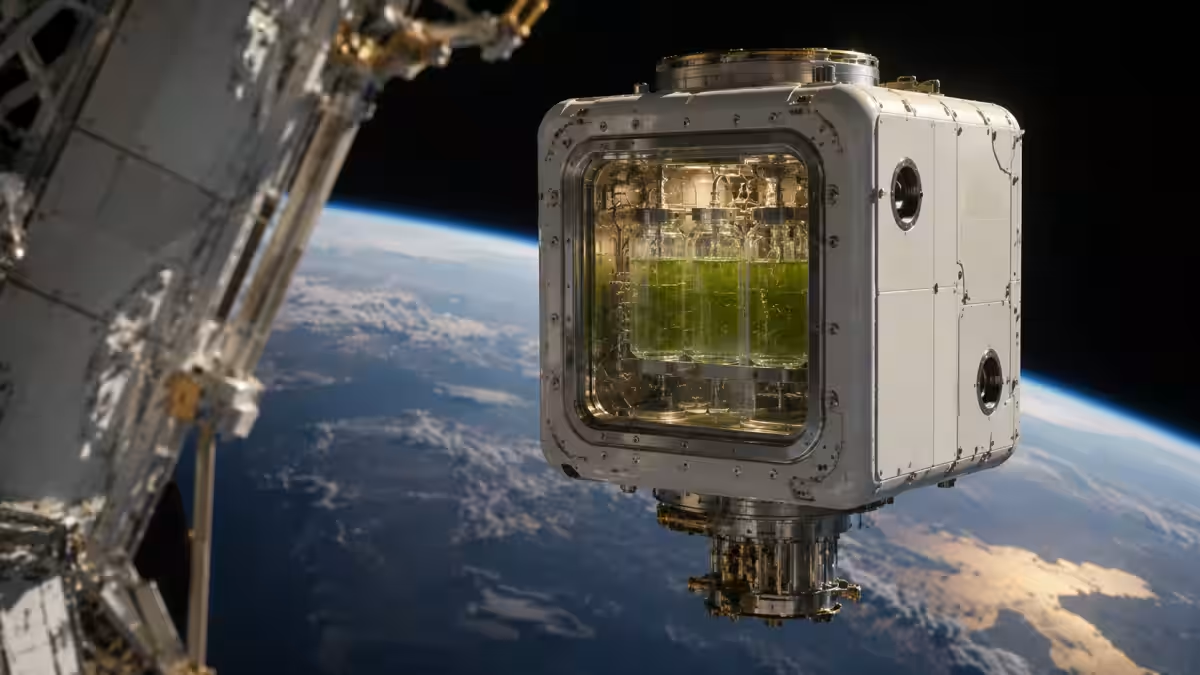
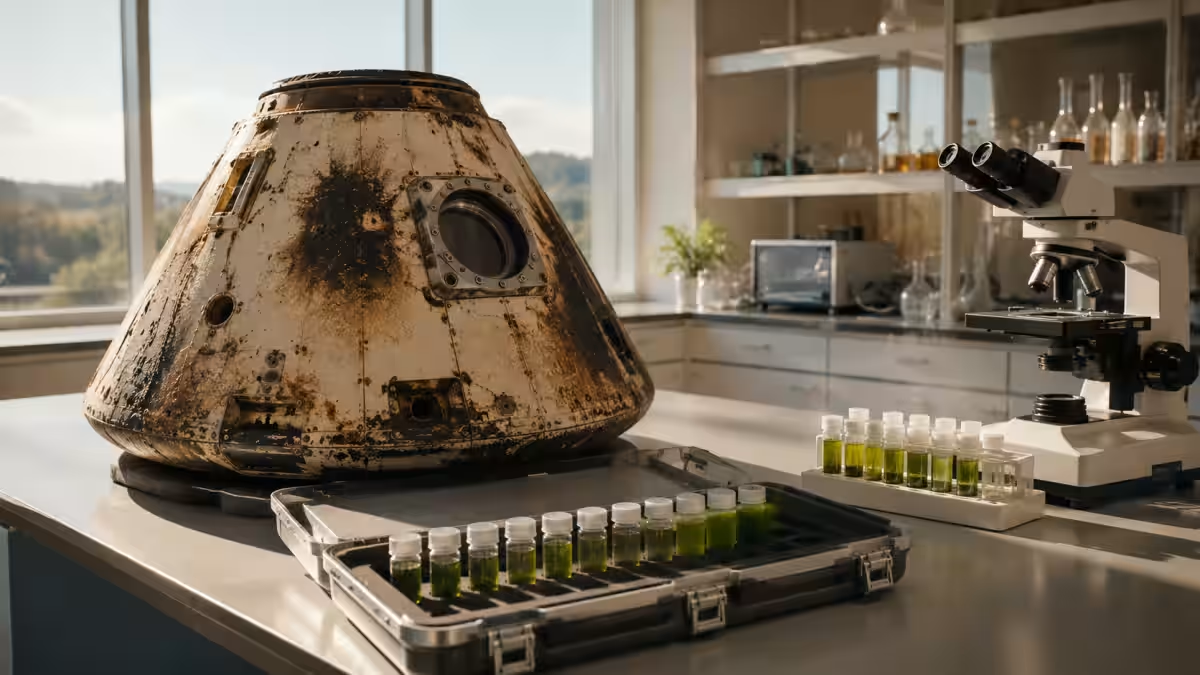
As part of its space-related initiatives, Space Seed is advancing a project to cultivate microalgae in orbit and develop a miniaturized cell culture module that can return samples to Earth for further analysis. Existing evidence suggests significant differences in the growth and genetic expression of microalgae under microgravity conditions compared to those on Earth. By returning these samples to conduct rigorous terrestrial tests, scientists aim to solidify their understanding and verify the adaptability of these organisms in extraterrestrial environments.
Suzuki introduced the upcoming research plans using a recoverable orbital research platform, positioning this as a crucial step toward future lunar living.
Possibilities in Moon Construction
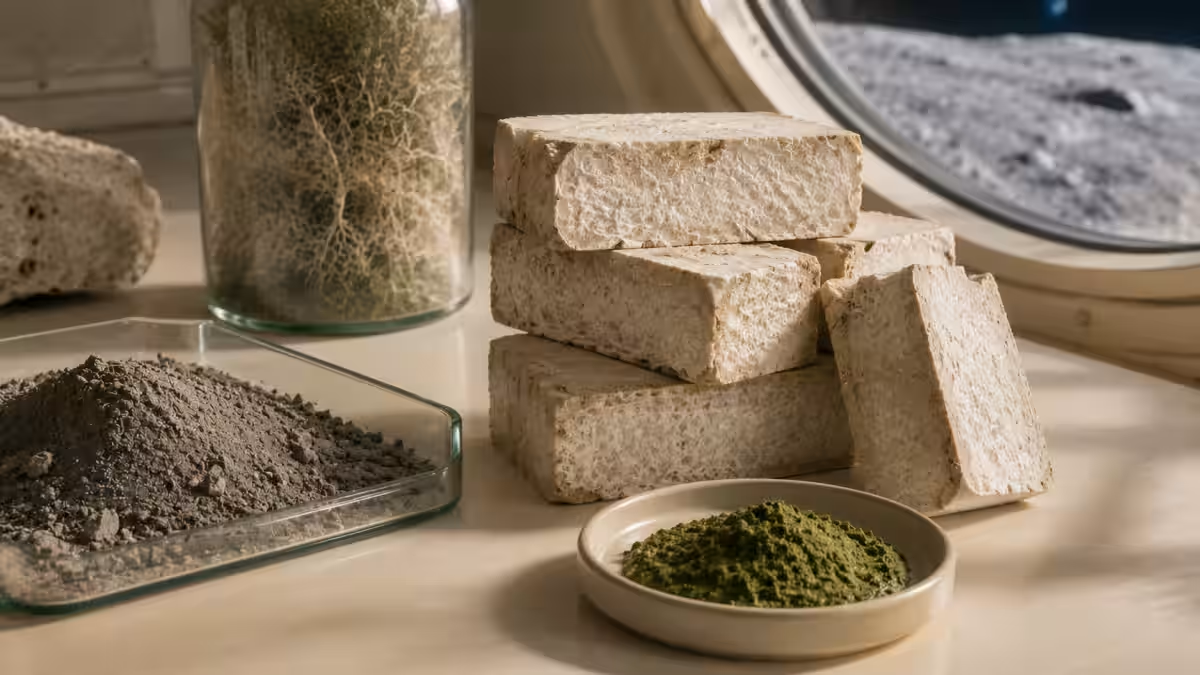
The discussion also brought forth innovative ideas from other panelists about constructing buildings on the Moon, utilizing fungi-based composite materials produced on site. Suzuki noted that microalgae could provide necessary nutrients for fungi, enabling this sustainable building approach. By leveraging sunlight and carbon dioxide, these organisms could not only supply food but also become invaluable material resources for construction, thus simplifying resource logistics on the lunar surface.
This shift in paradigm, where food production and construction materials are created from the same material cycles, underscores the foundational role microorganisms and microalgae can play in future lunar settlements.
Final Thoughts from Ken Suzuki
In reflecting on the event, Suzuki stated, “When gravity differs, everything from our dietary practices to the very shape of our lives will change. Yet, I firmly believe that the fundamental capabilities of microbes to produce and circulate food will remain powerful even on the Moon. Engaging in discussions with experts in design and architecture has illuminated ways in which microalgae could serve not just as food but as resources for constructing lunar materials.
“To begin this journey, we will first cultivate algae in orbit and return samples to Earth, where we can rigorously assess the differences. One step at a time, we will transform our mission of turning science fiction into nonfiction into reality.”
About Space Seed Holdings
Space Seed Holdings is a venture builder dedicated to deep tech in the space industry, committed to making science fiction a reality. They focus on investment activities, research, and development across various initiatives, particularly in fermentation and longevity technologies. Their goal is to gather the necessary technology for human habitation in space by 2040, collaborating with various stakeholders.
For more details on their projects and initiatives, visit Space Seed Holdings.
Topics Consumer Technology)
【About Using Articles】
You can freely use the title and article content by linking to the page where the article is posted.
※ Images cannot be used.
【About Links】
Links are free to use.