



Unveiling the Hidden Challenges of Clinic Operations in Japan
Overview of Clinic Operations in Japan
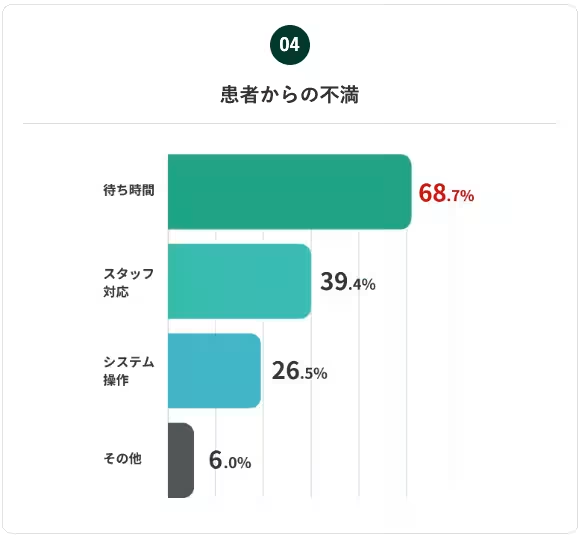
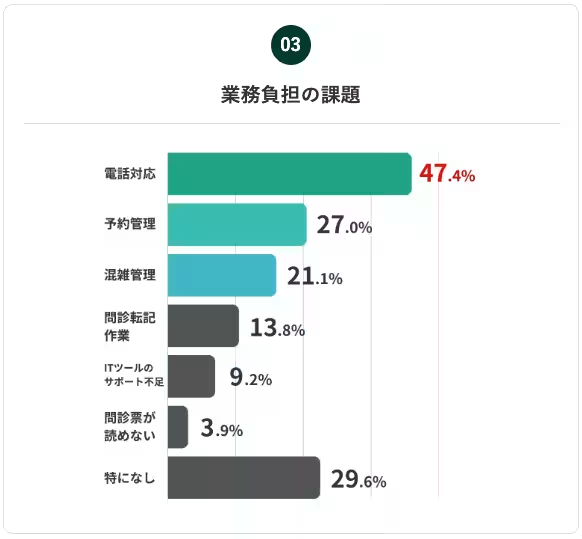
A recent study conducted by HERO innovation, headquartered in Fukuoka, Japan, sheds light on the operational challenges faced by clinics across the nation. With 68.7% of clinics reporting experiences with patient complaints related to waiting times, it is clear that this issue significantly impacts patient satisfaction and overall clinic efficiency. Furthermore, 47.4% of clinics reported interruptions to their workflow due to excessive phone calls, highlighting a pressing need to streamline operations.
Background of the Study
The survey was prompted by the increasing demand for local medical services amid rapid aging and a shortage of healthcare professionals in Japan. Clinics are now more than ever required to meet varied needs, from managing appointments and phones to patient care and website operations. HERO innovation sought to understand the daily burdens clinics face, thereby informing strategies for future service enhancements and support systems.
Key Findings of the Survey
1. Waiting Times as a Major Concern
With the highest percentage, 68.7% of clinics identified waiting times as their primary issue, emphasizing how crucial it is for improving patient satisfaction. Both enhancing patient experience and optimizing in-house operations are critical challenges that clinics must address.
2. Burden from Phone Interactions
The survey revealed that almost half (47.4%) of clinics feel overwhelmed by phone interactions interrupting their work. Given the limited staff available in many clinics, this can lead to increased employee workloads and diminished quality of care.
3. Role of Websites in Patient Acquisition
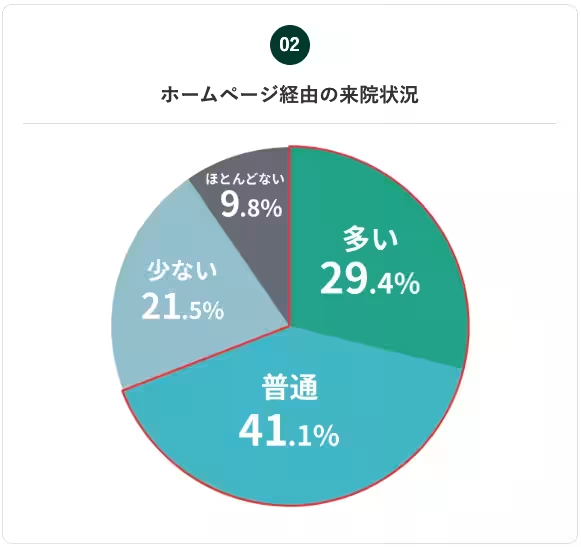
An encouraging trend observed was that over 70% of clinics acknowledged increased patient visits through their websites. This underscores the need for effective web marketing and information dissemination. However, issues with website management still pose challenges, such as outdated content and poor search visibility.
4. The Push for Digital Transformation (DX)
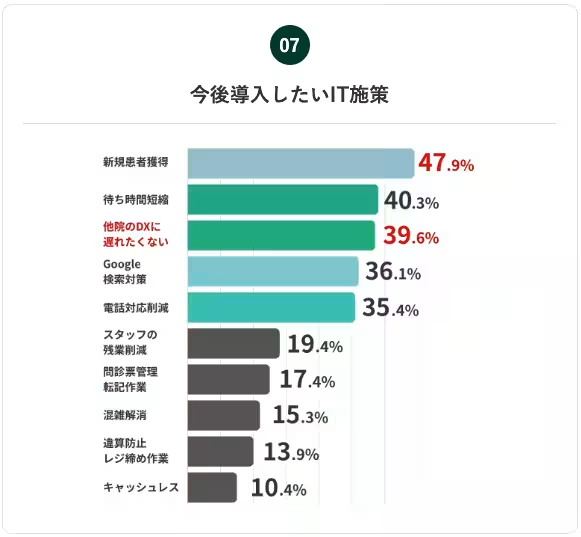
With 39.6% of clinics feeling pressured not to lag behind in digital transformation initiatives, it highlights a growing recognition of the need to embrace technology. However, clinics also voiced concerns regarding appointment management, patient inquiries, and alleviating congestion within their practices.
Implications of the Findings
The results of the survey paint a complex picture of the issues facing clinics, indicating that problems extend beyond patient acquisition. Key areas of focus include:
- - Enhancing patient satisfaction levels
- - Reducing waiting times
- - Streamlining phone response processes
- - Improving appointment inquiries and management
- - Efficient website operations
- - Advancing digital transformation initiatives
These challenges interconnect in ways that affect patient experiences, staff workloads, and operational efficiency. The survey aligns with a need for clinics to address these multifaceted challenges holistically rather than in isolation.
HERO Innovation's Commitment
HERO innovation is dedicated to optimizing clinic operations through a variety of solutions that encompass website development, operational support, SEO, web-based appointment systems, electronic medical records, and AI-assisted documentation systems.
Last November, the organization launched the MEDISMA brand, which incorporates these solutions into a cohesive package aimed not just at providing tools, but at working closely with healthcare facilities to enhance patient satisfaction while improving operational productivity.
As the organization continues to evolve its services based on feedback from healthcare providers, it aims to significantly contribute to overcoming the challenges in clinic management and bolster community healthcare.
Conclusion
Through this comprehensive study, HERO innovation has underscored the importance of addressing the hidden burdens that clinics face. By recognizing and tackling these challenges head-on, improvements can be made that not only enhance patient care but also support the well-being of healthcare workers and the operational success of clinics in Japan.
For those interested in exploring the detailed findings of the survey, HERO innovation has shared extensive analyses on a dedicated page, inviting stakeholders to delve deeper into the data and insights uncovered.
Topics Health)
【About Using Articles】
You can freely use the title and article content by linking to the page where the article is posted.
※ Images cannot be used.
【About Links】
Links are free to use.