



ADK Marketing Solutions Reveals 2025 Survey Results on Public Awareness of SDGs
ADK Marketing Solutions and the 2025 Survey Outcomes
ADK Marketing Solutions, headquartered in Tokyo, has been conducting the comprehensive "ADK Lifestyle Consumer Survey" since 2008, targeting over 10,000 individuals aged 15 to 79 in the Kanto and Kansai regions. This extensive research examines various aspects of consumer lifestyles, purchasing behaviors, and media interactions. Recently, the company released the findings from the 2025 survey focusing on public awareness of the Sustainable Development Goals (SDGs).
Since the adoption of the SDGs in 2015, there has been a surge in initiatives aimed at addressing various environmental and social issues. ADK MS aims to foster impactful solutions by cultivating new connections between businesses and society. The recent findings analyze the level of public recognition and understanding of the SDGs and their correlation with consumer lifestyles.
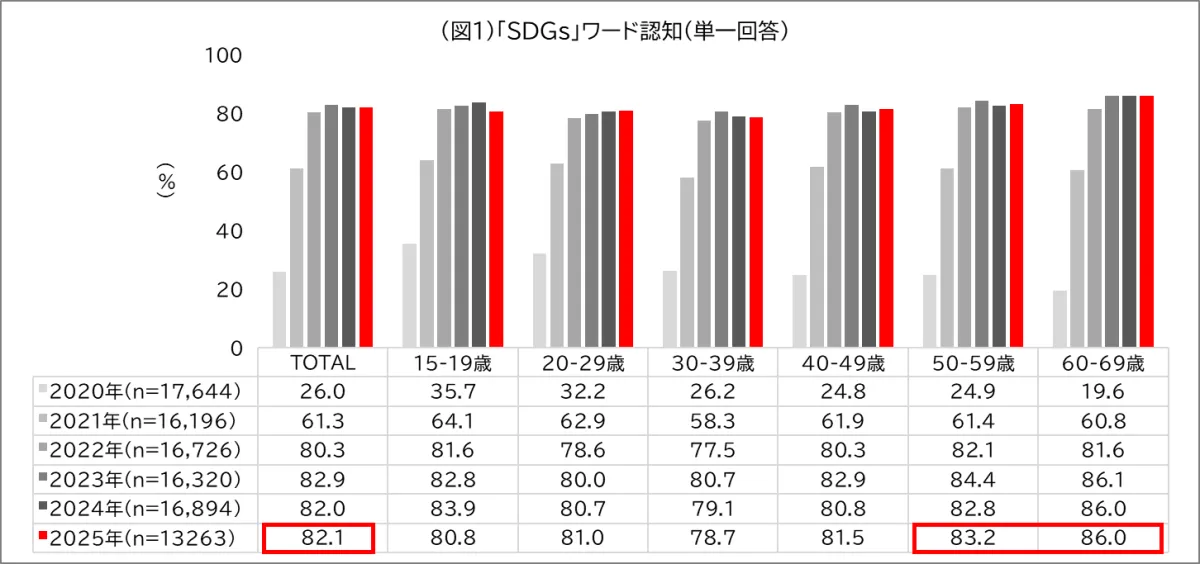
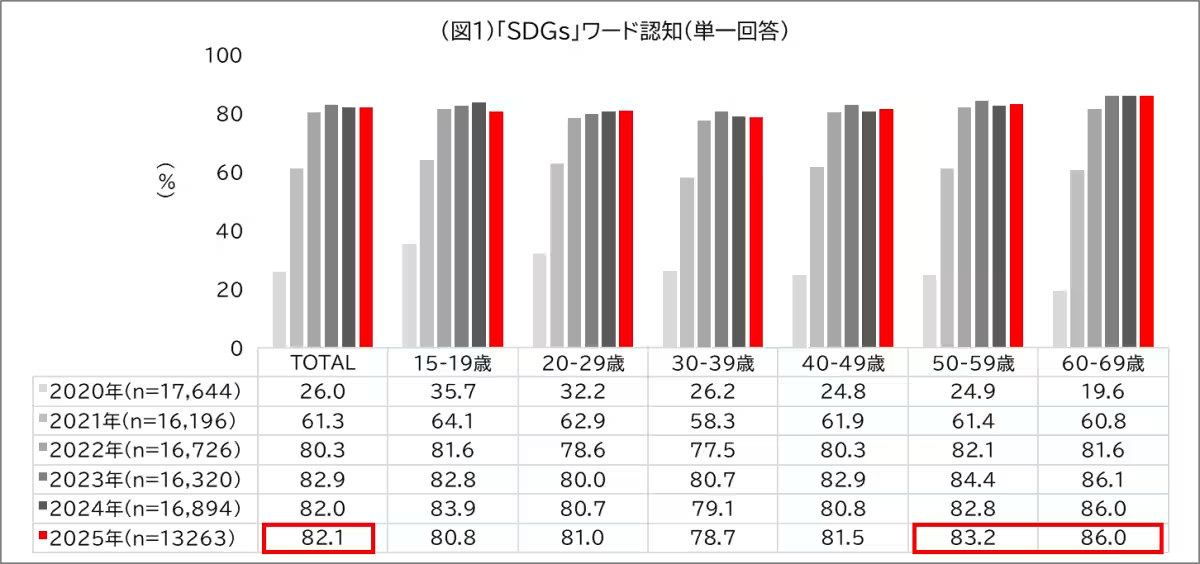
The survey reveals that recognition of the term "SDGs" remains robust at around 80% across all age demographics, a trend that has continued from the previous year. Notably, individuals aged 50 and above exhibit a higher awareness level. However, similar barriers to engaging with SDG-related products and services persist from last year.
Key Findings from the Report
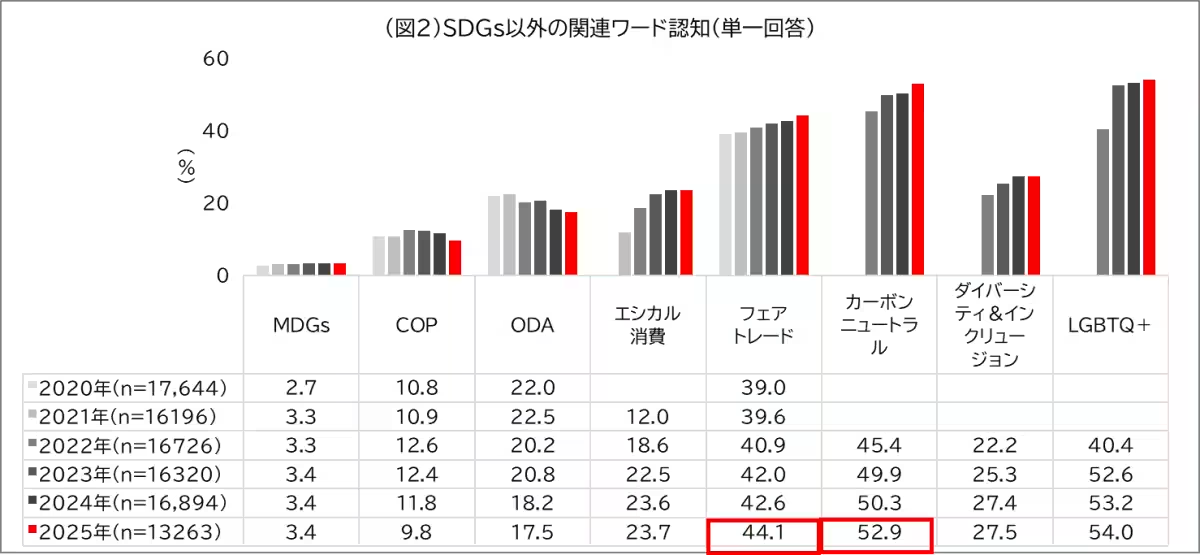
- - SDGs awareness remains high at 82.1%. While terms like "fair trade" and "carbon neutrality" have seen an upswing, other associated terminology shows a stagnation in growth.
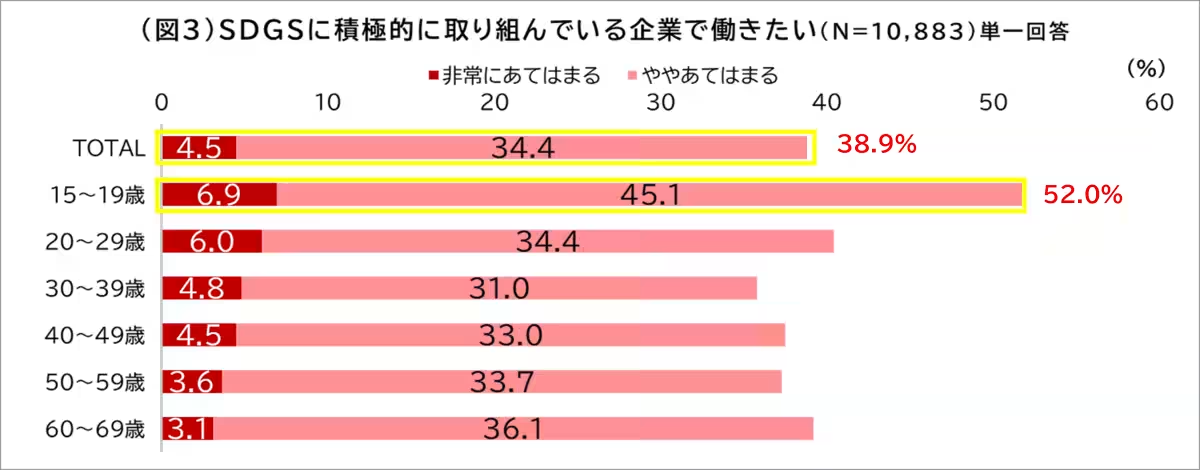
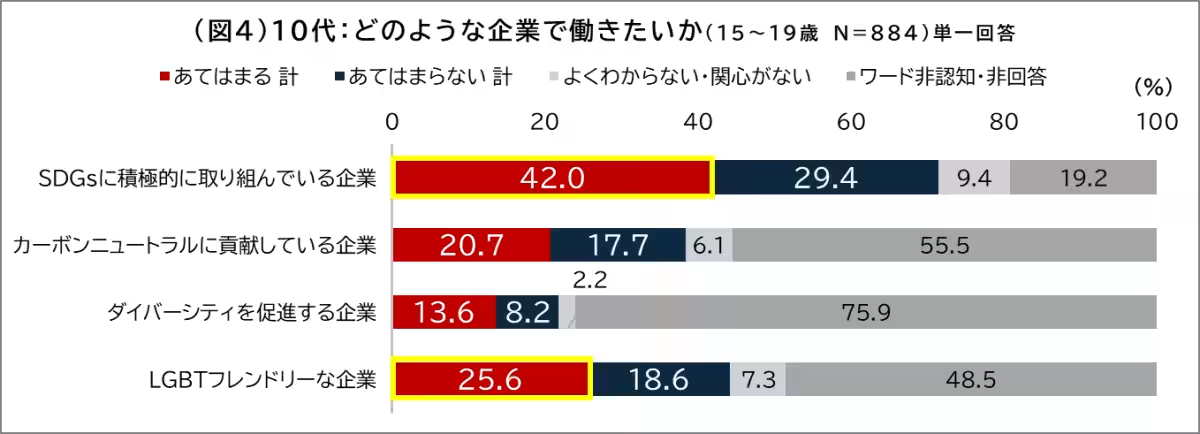
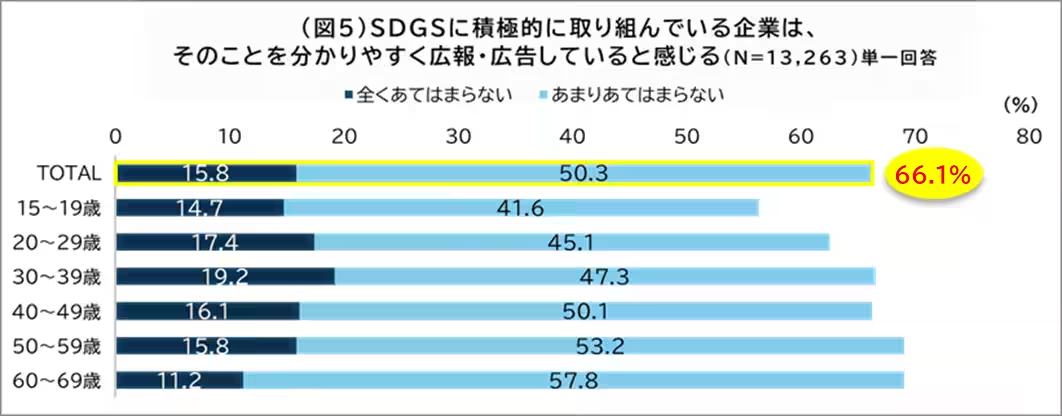
- - Younger individuals show a stronger desire to work for companies actively engaged with SDGs, with 52% of teenagers expressing such interest. Yet, over 60% of respondents find SDG-related advertising hard to comprehend.
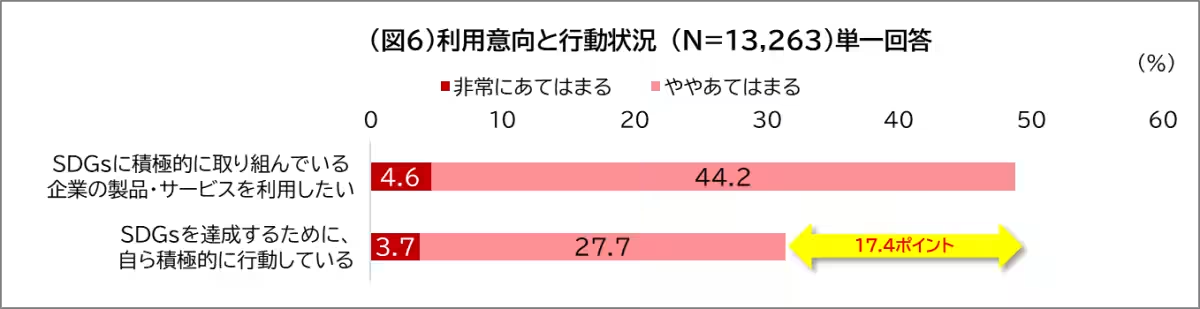
- - There exists a noteworthy 17.4-point gap between the interest in engaging with SDGs and actual consumer actions.
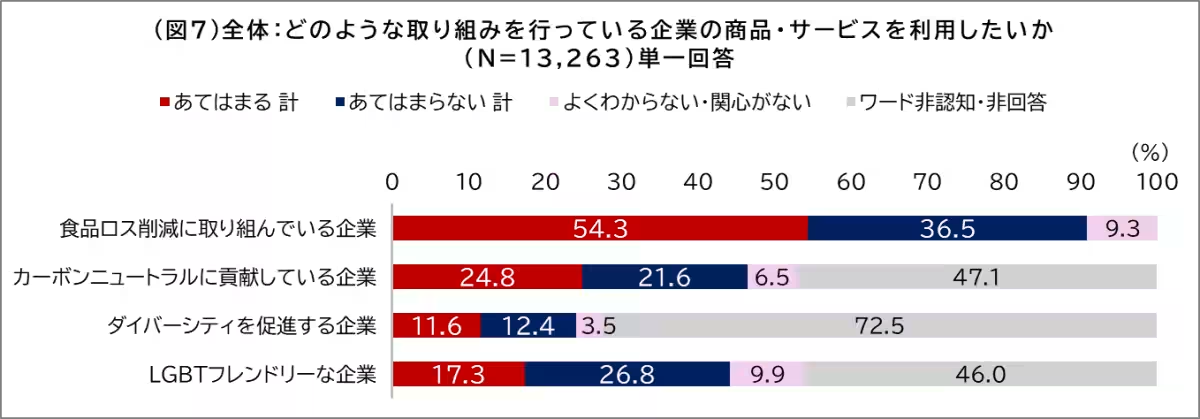
- - Many respondents indicate interest in supporting businesses focused on reducing food waste.
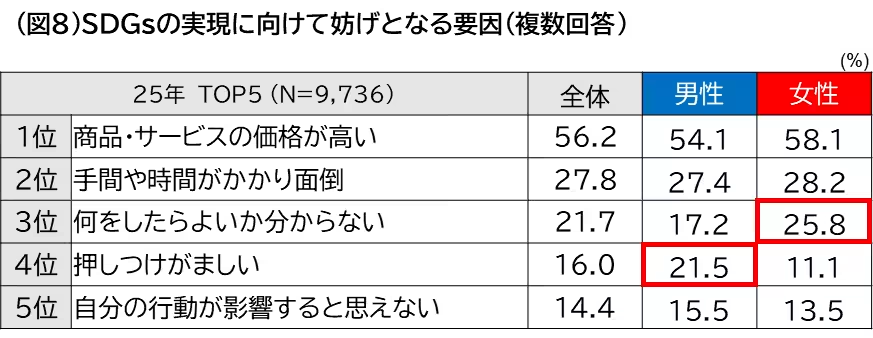
- - The top three barriers to realizing SDGs include high costs of products/services, the perceived inconvenience or complexity of taking action, and uncertainty about how to contribute.
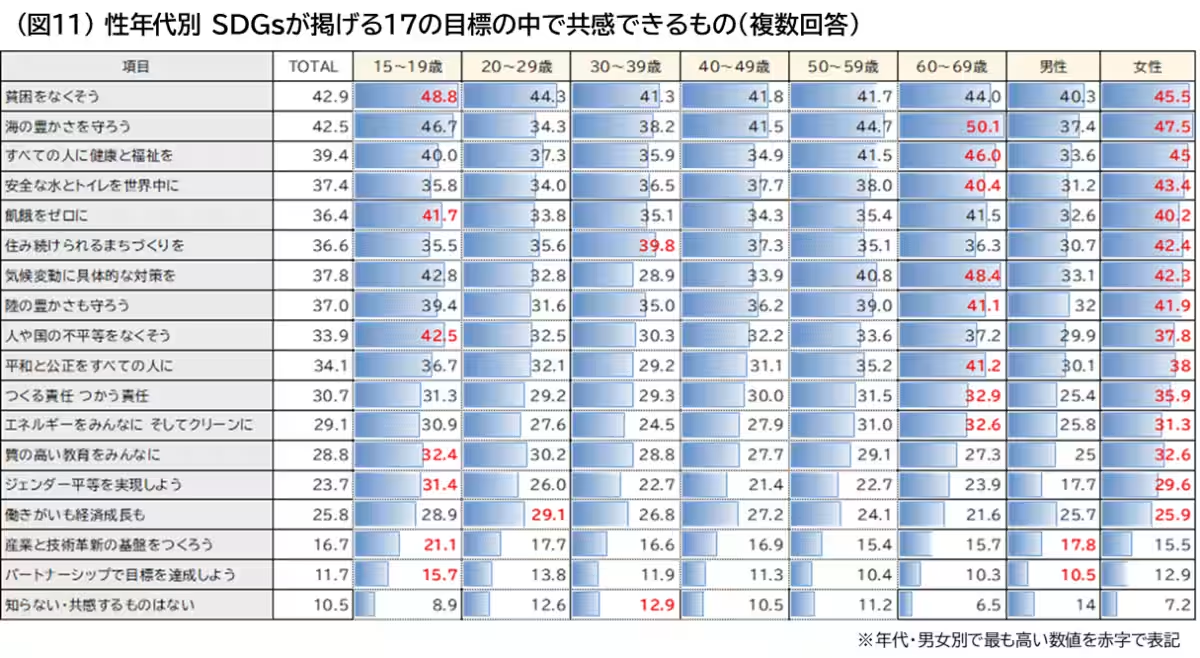
- - For the fourth consecutive year, the most resonating SDG goals are "No Poverty," "Life Below Water," and "Good Health and Well-being."
Detailed Survey Insights
Awareness of the SDGs stands at an impressive 82.1%, slightly up from the previous year. Age-wise, the recognition remains consistently above 80% across the board, particularly among those over 50. Recognition for specific terms such as "fair trade" has risen by 1.5 points to 44.1%, while "carbon neutrality" increased by 2.6 points to 52.9%. Conversely, growth has stalled for other related terms.
When asked whether they prefer working for companies proactive about SDGs, the overall affirmation rate stands at 38.9%. However, this interest is strikingly higher among teenagers, at 52%. This suggests a younger generation is more inclined to support sustainable practices in their employment choices. Furthermore, a considerable percentage view current SDG advertising as unclear, which points to a crucial communicative gap.
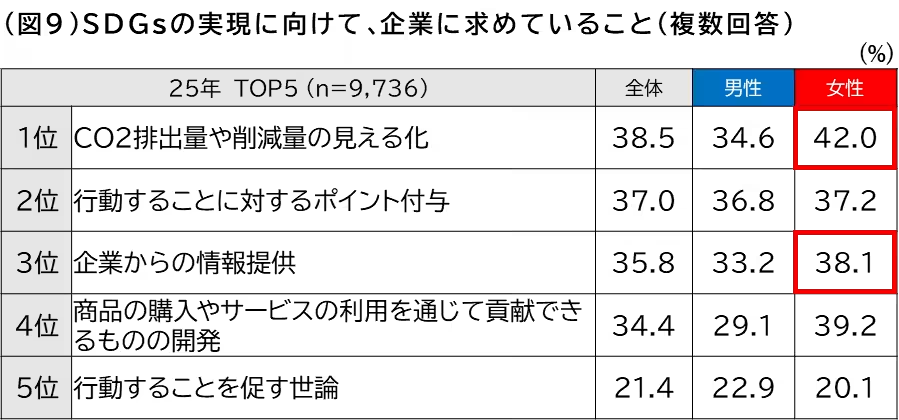
In terms of consumer action towards supporting SDGs, nearly half express an interest in using products from companies that are dedicated to these goals. Yet, only about one-third actively engage in actions contributing towards these aims, highlighting the existing gap in awareness versus action.
Interestingly, when asked about the barriers to realizing these goals, 56.2% cited high prices as the primary hindrance. This reflects a perceived challenge that consumers face, where added costs deter engagement with sustainable options. Additionally, women were more likely to express confusion about effective actions to take, while men cited feelings of being overwhelmed by advocacy efforts.
In conclusion, the 2025 findings showcase that while awareness and interest in SDGs remain high among the public, significant challenges in translating this into action persist. ADK MS aims to continue utilizing the data from these surveys to inform business strategies, develop new products, and contribute to societal solutions. The survey results are a call to action for companies to enhance their messaging and operational practices to bridge the gap between consumer intent and action.

Topics Consumer Products & Retail)
【About Using Articles】
You can freely use the title and article content by linking to the page where the article is posted.
※ Images cannot be used.
【About Links】
Links are free to use.