



Analyzing COVID-19 Trends and Healthcare System in Okayama Prefecture as of June 2026
Understanding COVID-19 Trends and Healthcare in Okayama
As we reach June 2026, the ongoing efforts to monitor and analyze the impact of COVID-19 in Okayama Prefecture remain crucial for both public health and community well-being. Since the official end of the pandemic was declared by the WHO, daily life in Japan has gradually returned to normal. However, ensuring the effectiveness of infection control measures and assessing healthcare capacity remains essential, especially for high-risk populations that require early diagnosis and treatment.
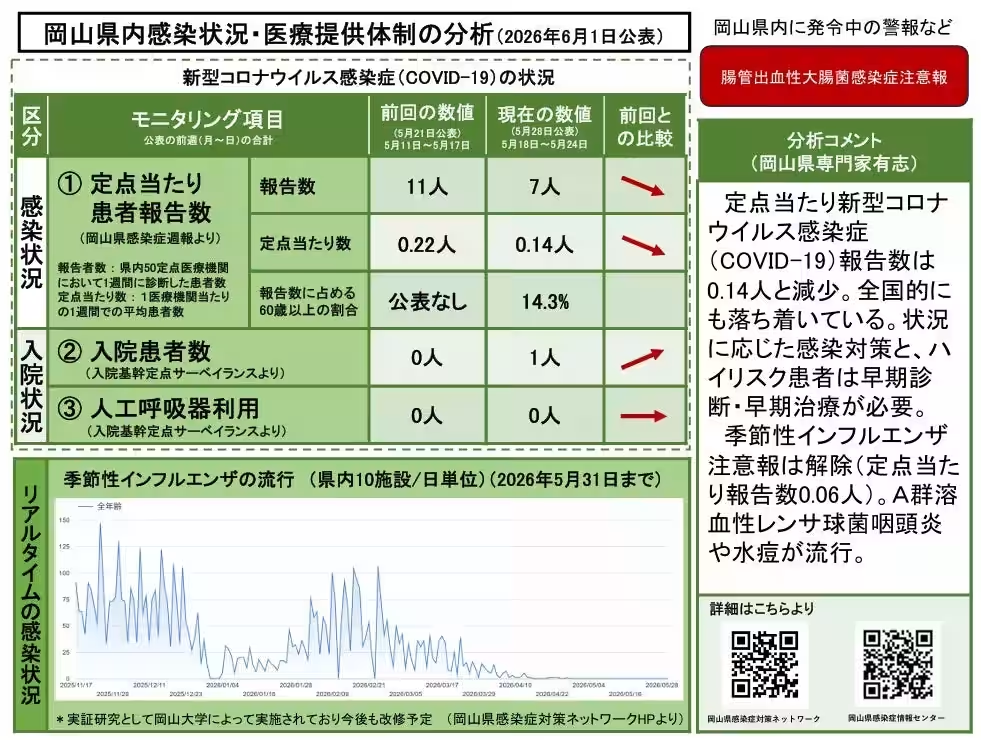
According to the latest data released by Okayama University's expert team, who regularly updates the public with weekly reports, the COVID-19 infection rate as of June 1, 2026, stands at 0.14 cases per designated healthcare facility, indicating a downward trend and much-needed stability. Furthermore, nationwide reports show a similar calming of the situation, allowing for a sense of security among residents.
The monitoring analysis employs a straightforward format, referencing similar methods utilized in Tokyo's monitoring assessments to present critical data clearly. This accessibility provides residents with an easier way to understand the current state of the pandemic and adjust their individual behaviors accordingly.
Current Medical Response and Infection Trends
The report highlights that seasonal flu warnings have been lifted due to a reported incidence of only 0.06 cases per designated healthcare area. However, other infections such as Group A Streptococcal pharyngitis and chickenpox are witnessing surges in cases. This dual focus on COVID-19 and other respiratory illnesses illustrates the complexity and interconnectedness of public health issues in a post-pandemic world.
Expert Contributions and Community Engagement
The insights provided in this report are a collaborative effort of several specialists from various institutions. Notable contributors include:
- - Kazunori Ichimura, International Medical Cooperation Agency at Okayama University
- - Hideaki Hagiya, Infectious Diseases Department, Okayama University Hospital
- - Koji Fujita, General Medicine & Infectious Diseases, Tsuyama Central Hospital
- - Harushi Yamada, Infectious Diseases Department, Okayama City Hospital
- - Daisuke Yoshioka, Clinical Infectious Disease, Kawasaki Medical University
- - Takashi Raifudo, Epidemiology & Hygiene, Okayama University Graduate School of Medicine, Dentistry and Pharmaceutical Sciences
This collective expertise enables a deeper understanding of the healthcare landscape in Okayama, ensuring timely and informed responses to the public health challenges that continue to arise.
Reassuring the Population
It is vital that the citizens of Okayama remain informed about infection statuses and healthcare provisions. This knowledge empowers individuals to take necessary precautions in their daily lives, contributing actively to community health initiatives. The continuous provision of updated information aims to foster trust and collaboration between health authorities and the general public.
In summary, as we reflect on the transformation of healthcare responses to COVID-19 in Okayama, the importance of expert insights, timely updates, and community engagement cannot be overstated. Our fight against this virus is ongoing, and with collaboration and transparency, we can navigate the future with confidence.
Topics Health)
【About Using Articles】
You can freely use the title and article content by linking to the page where the article is posted.
※ Images cannot be used.
【About Links】
Links are free to use.