



Unveiling Love Trends: How Generational Differences Shape Romantic Pursuits in Japan
Exploring Love Across Generations in Japan
In a fascinating survey conducted by Pairs, the popular dating app, insights into the changing styles of romance across three generations in Japan—昭和 (Showa), 平成 (Heisei), and 令和 (Reiwa)—have been unveiled. Designed to encompass the romantic habits of millennials and Gen Z, the survey focused on the concept of "恋愛可処分時間" (disposable time for love), revealing significant generational shifts in how time is dedicated to love and relationships.
Survey Details
The survey, titled "Generational Disposable Time for Love," was executed from July 23 to July 29, 2025, through internet polling that gathered responses from 1,011 participants—each generation contributing 377 individuals who spent their twenties in Showa (born between 1950-1960), Heisei (born between 1980-1990), and Reiwa (born between 1999-2009).
Key Findings
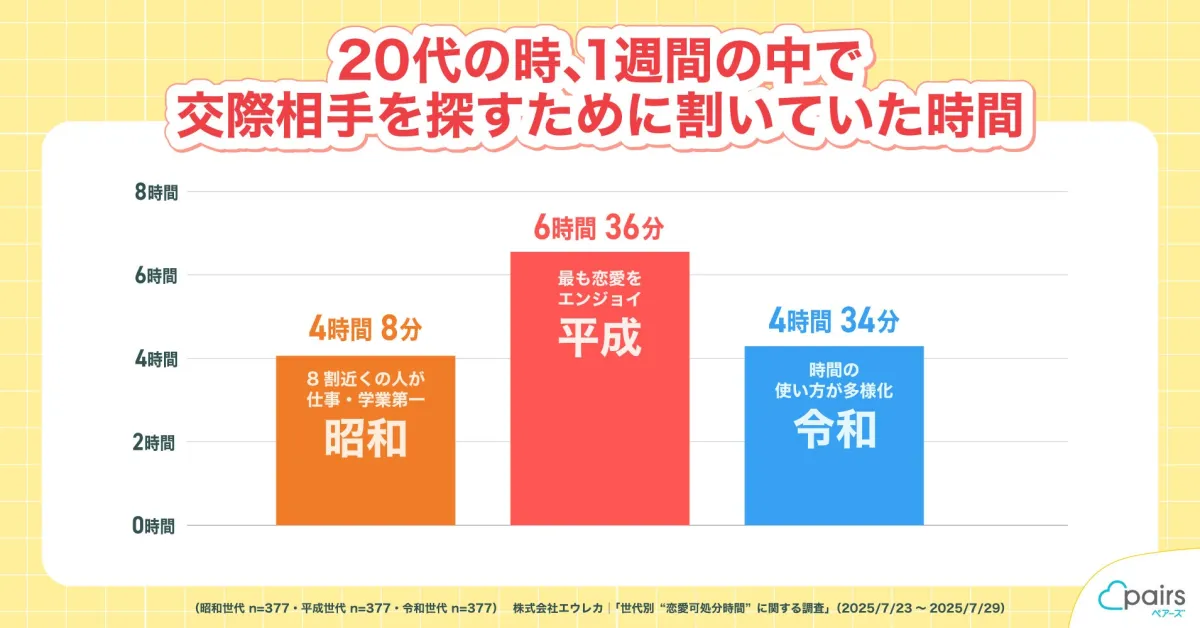
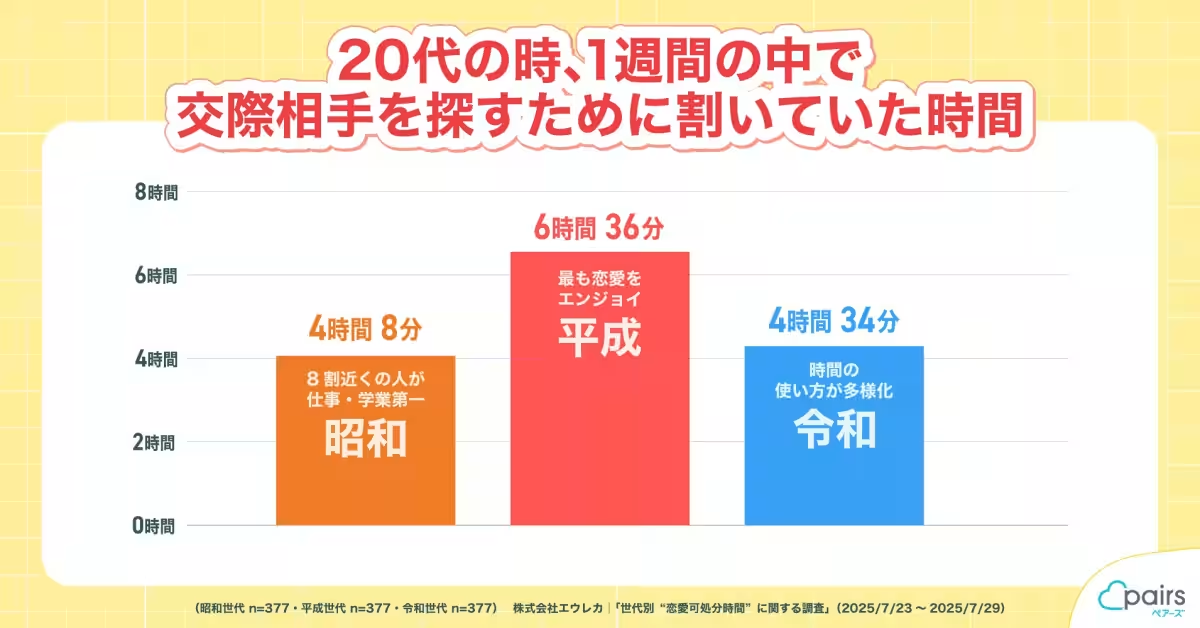
The results indicated that Heisei generation members spent the most considerable time pursuing love, averaging around 6 hours and 36 minutes per week, significantly outpacing the Reiwa generation's 4 hours and 34 minutes. This decline from the previous generation is startling, decreasing by two hours in just a decade.
Furthermore, the survey signaled a shift in priorities. The Heisei cohort engaged actively in gatherings, social events, and collective outings, while the Reiwa generation faced challenges with fewer opportunities for face-to-face interactions, highlighting a reliance on digital platforms such as dating apps and social media.
Relationship Challenges Across Generations
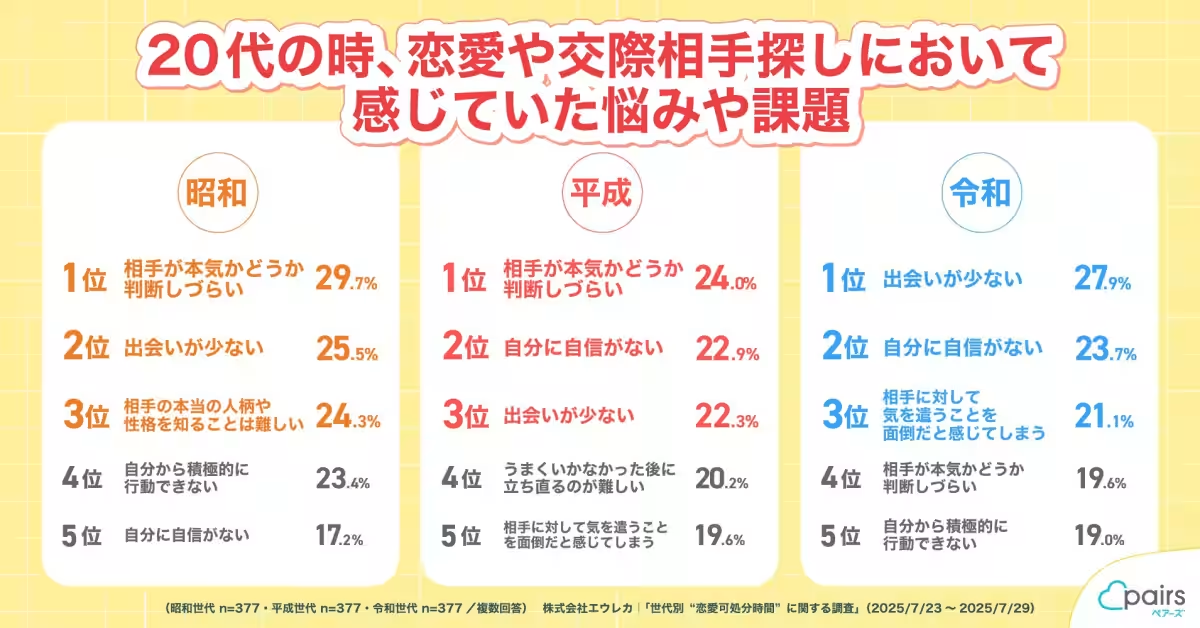
Interestingly, the survey revealed that while both Showa and Heisei generations grappled with uncertainties about their partners' seriousness, the Reiwa generation's primary concern was a scarcity of potential connections. This lack of opportunities to meet new people stood as a stark contrast to the previous generations, which often had more traditional avenues like social circles or arranged meetings.
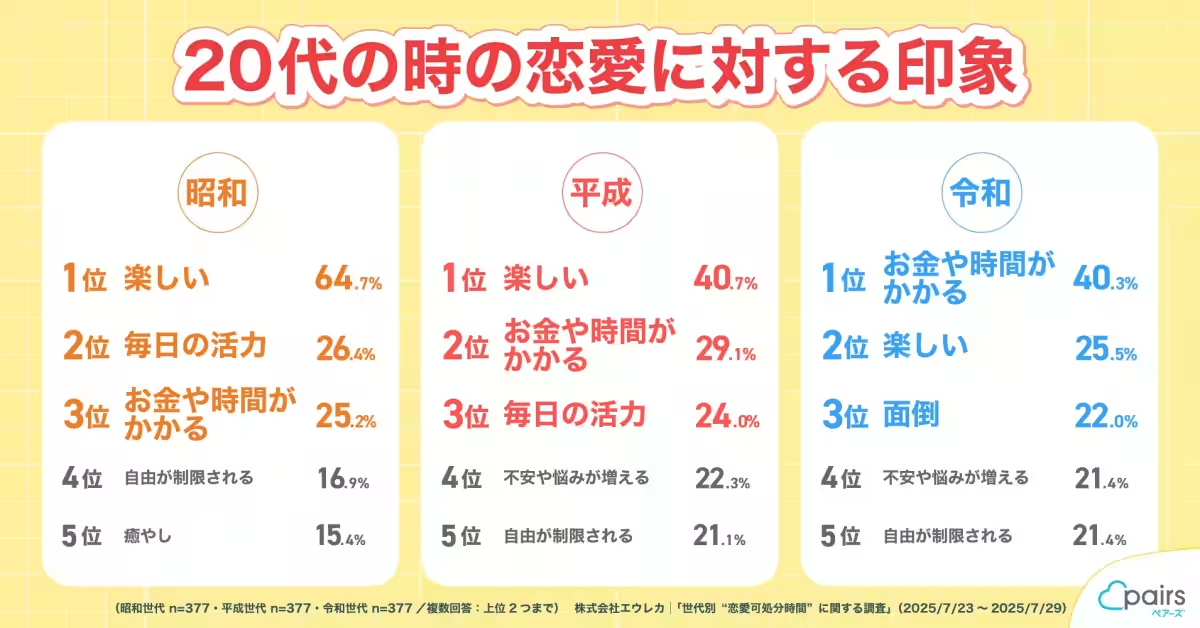
Moreover, while the Showa and Heisei generations predominantly viewed love as a joyful experience, many from the Reiwa generation now perceive it as something costly in terms of time and resources, adding weight to their romantic aspirations and encounters.
Innovative Solutions by Pairs
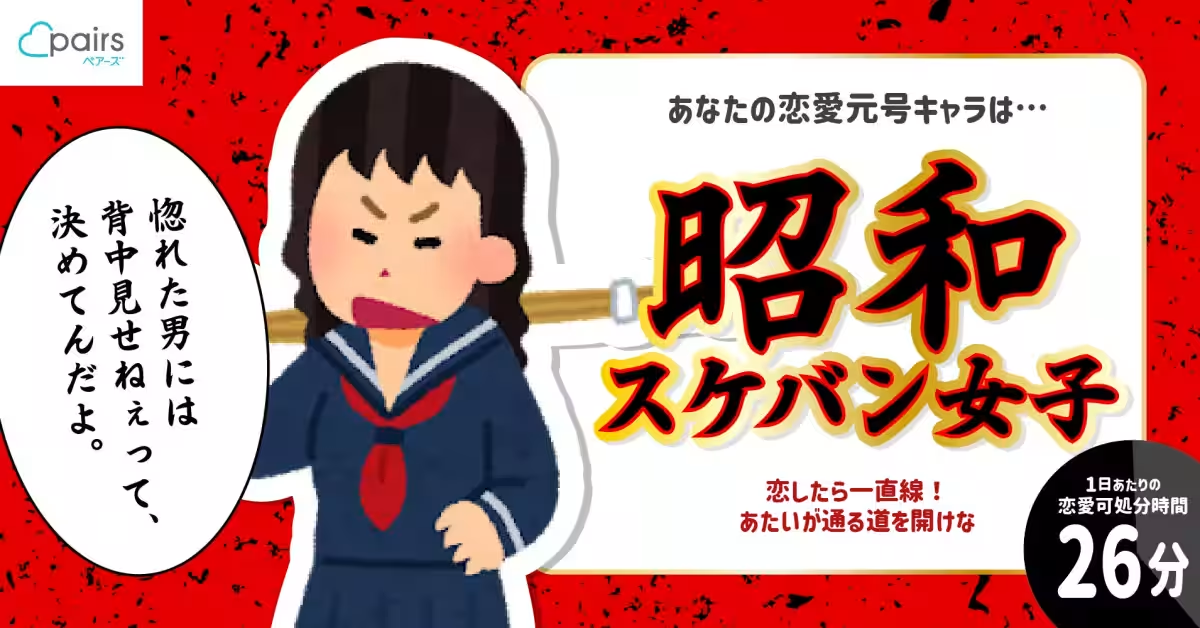
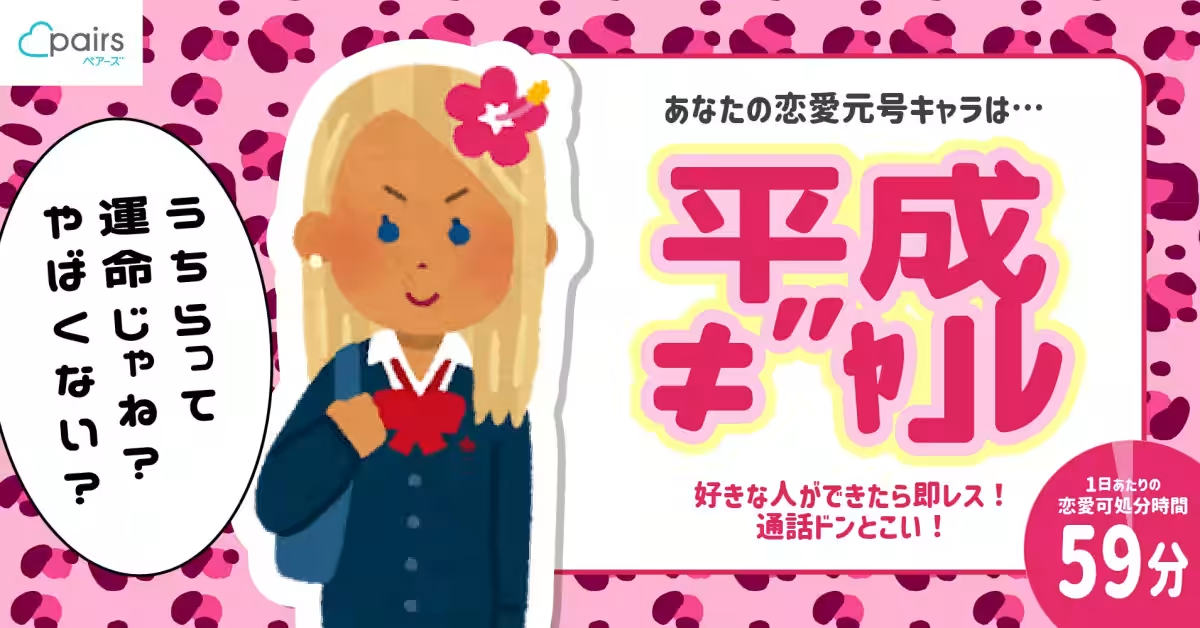
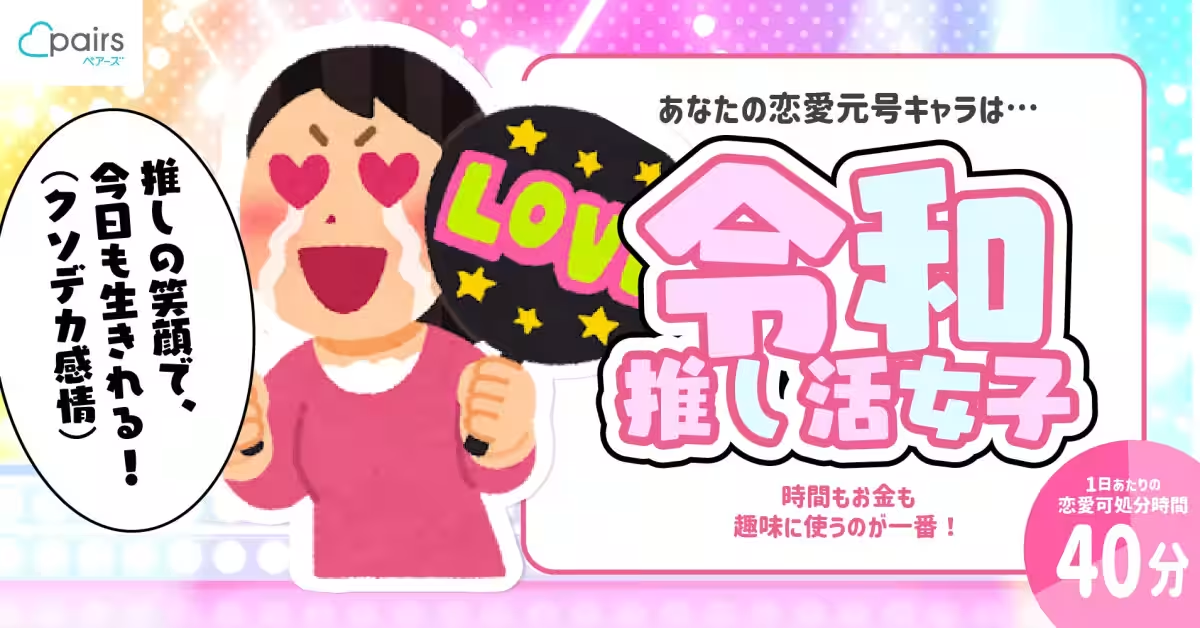
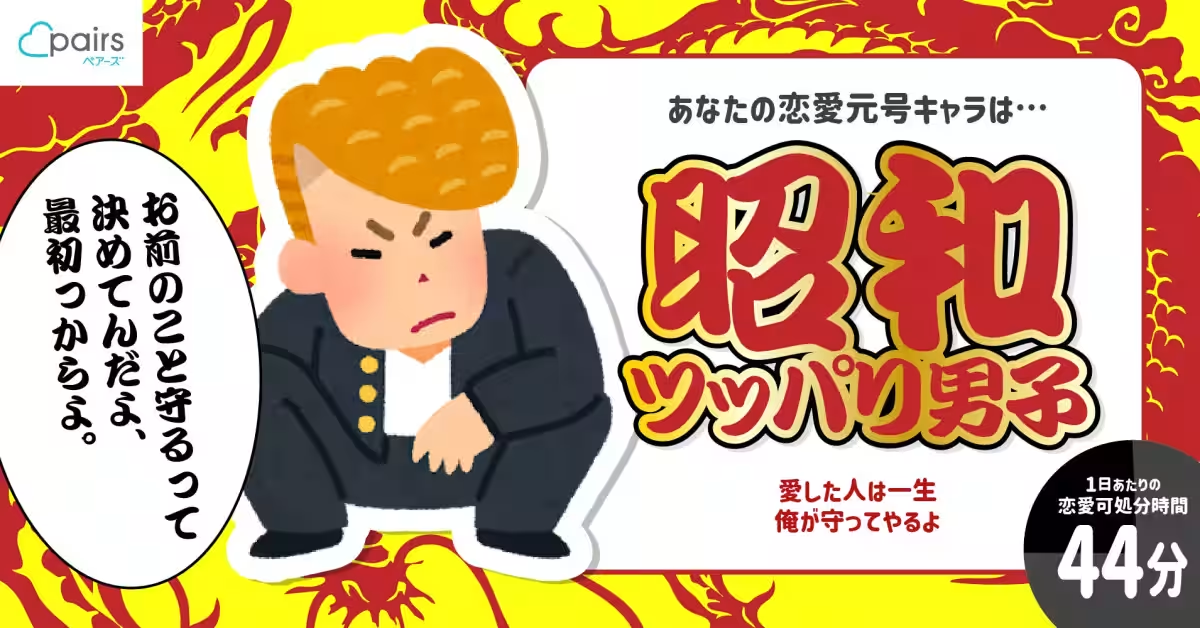
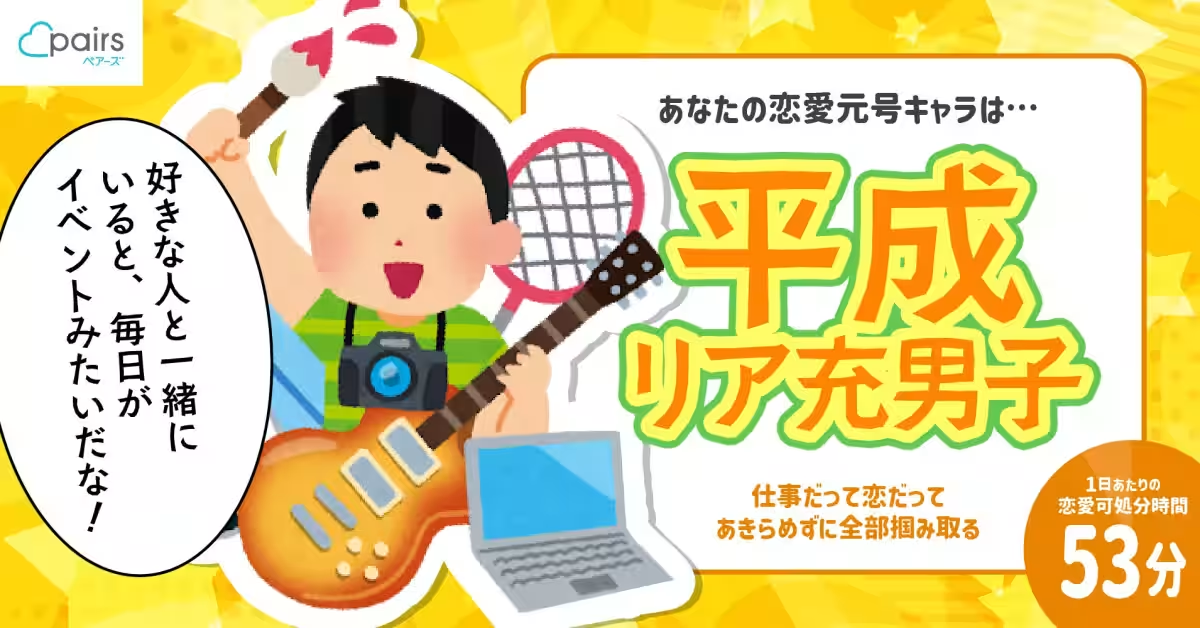
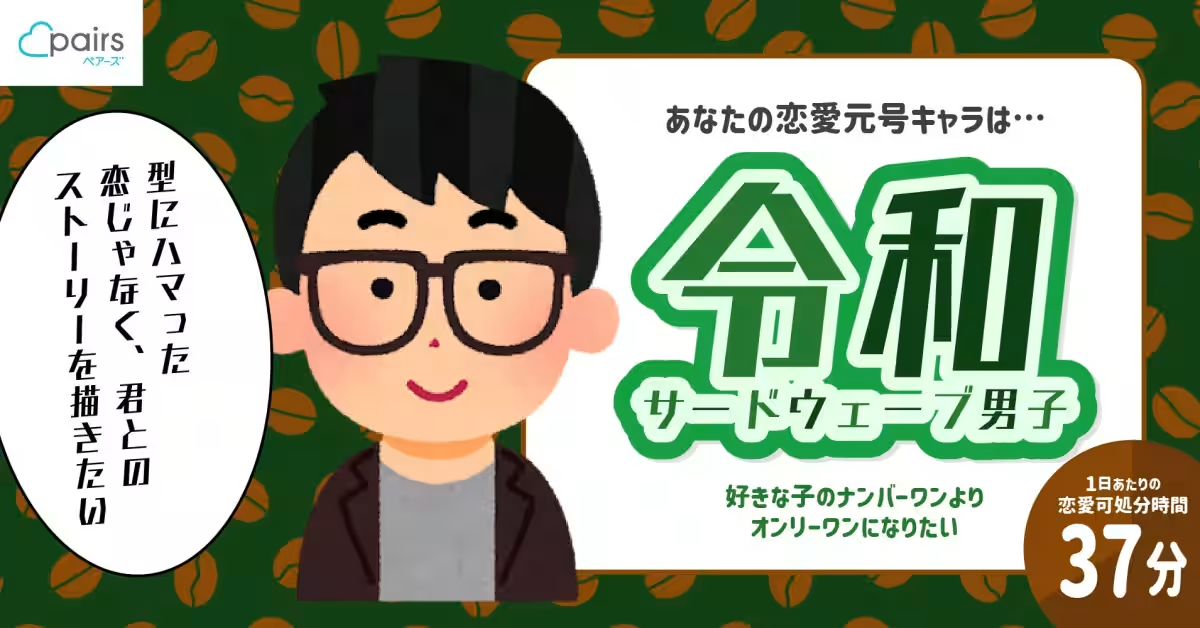
To alleviate some of the burdens highlighted by the survey findings, Pairs has introduced the "Love Era Character Diagnosis." This interactive quiz allows users to determine their romantic style by answering a few questions, categorizing them into various persona types like the 昭和スケバン女子 (Showa Gangster Girl) and 令和推し活女子 (Reiwa Enthusiast Girl) among 16 character types. Users learn not only about their dating personas but also receive tailored advice on finding compatible partners.
Additionally, Pairs is currently running a campaign, where users who share their quiz results on X could win a gift card, further engaging the audience in a playful way.
Understanding the Decline in Love Time
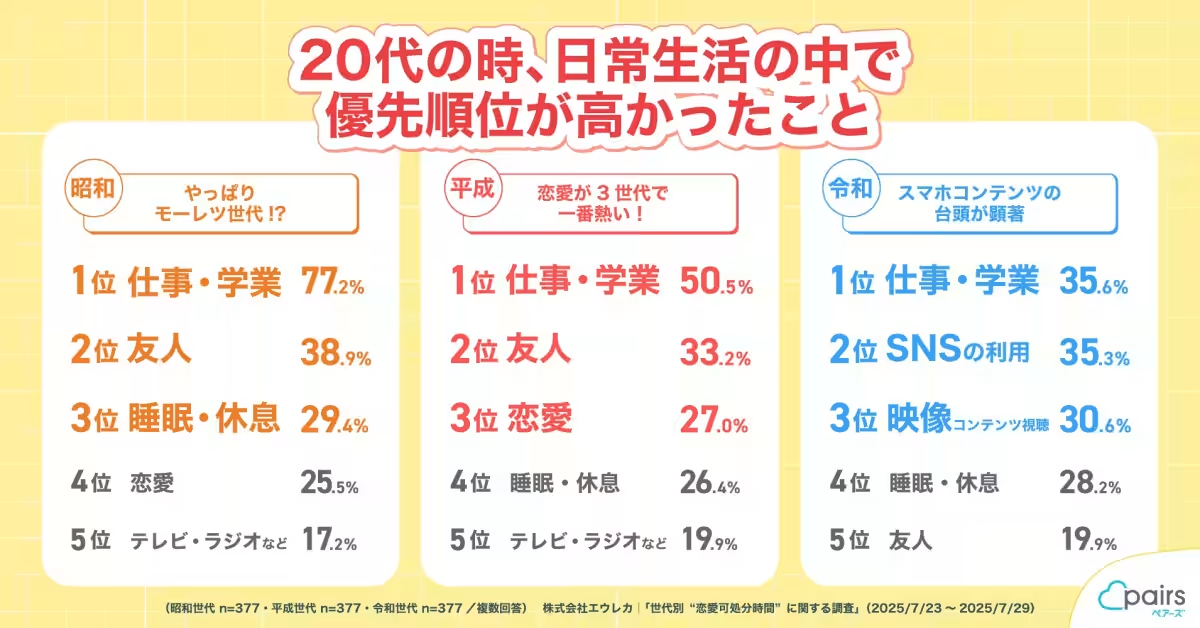
The study also shed light on the declines in love-time commitment, revealing stark differences in daily life priorities across generations. While today's youth prioritize social media usage—a reflection of their dynamic lifestyles over traditional methods—over 50% of Showa respondents identified 'work/studies' as their primary focus, starkly contrasting with only 35.6% of Reiwa respondents.
The survey also brought forth personal anecdotes from participants about why they didn't dedicate more time to relationships, with traffic hours spent on work commitments often cited.
Comparing Love Methods: Then and Now
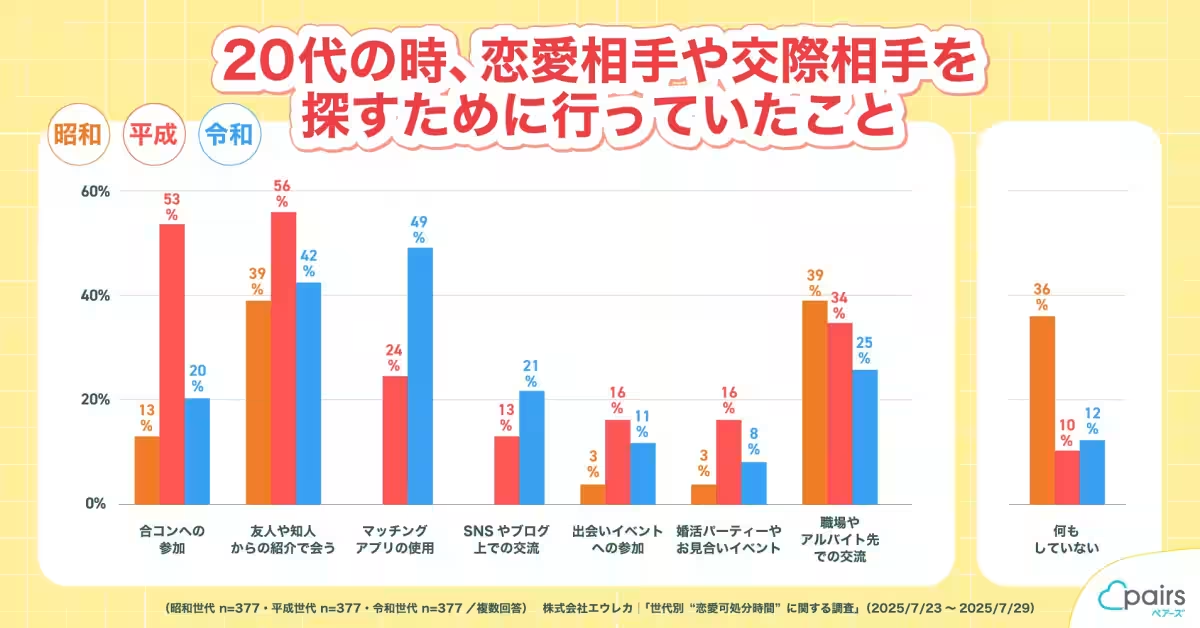
When exploring methods to find romantic partners, Showa and Heisei respondents predominantly leaned towards introductions from friends or acquaintances, whereas the Reiwa generation found success primarily through dating apps. The dramatic pivot in how these generations approach romance illustrates a larger trend away from communal engagements toward personalized searches for connection.
Concluding Thoughts
As Japanese society evolves, so too do the expectations and methods people employ in seeking love. The generational disparities resulting from the shift to individualism and technology-driven interactions exhibit both challenges and opportunities that Pairs aims to capitalize on moving forward. By fostering innovative solutions to address modern love's complexities, they capture the essence of contemporary dating trends, striving for a future where meaningful connections can flourish again.
For more information, take the Pairs Love Era Character Diagnosis and explore your romantic affinities today!

Topics Entertainment & Media)



【About Using Articles】
You can freely use the title and article content by linking to the page where the article is posted.
※ Images cannot be used.
【About Links】
Links are free to use.