



Examining the Role of Employee Resignation Services: Insights from Mizukara's Study
Exploring Career Exit Strategies: Insights into Resignation Services
In a rapidly changing job market, understanding employee motivations is crucial for businesses. Recent research conducted by Mizukara Inc., a coaching company based in Tokyo, highlights the growing interest in resignation services among working adults in Japan. On February 10, 2026, Mizukara surveyed 500 men and women aged 20 to 59 regarding their experiences and considerations concerning resignation services. The findings shed light on the complexities behind resignations, emphasizing a significant trend that deserves attention.
The Emergence of Resignation Services
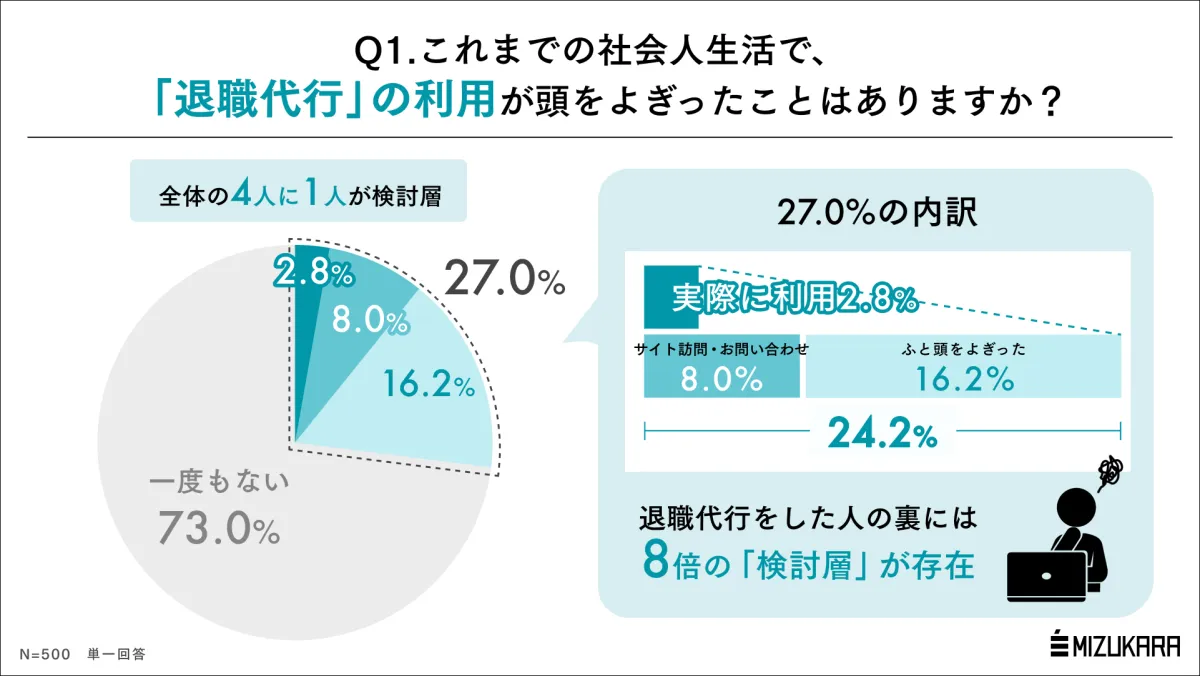
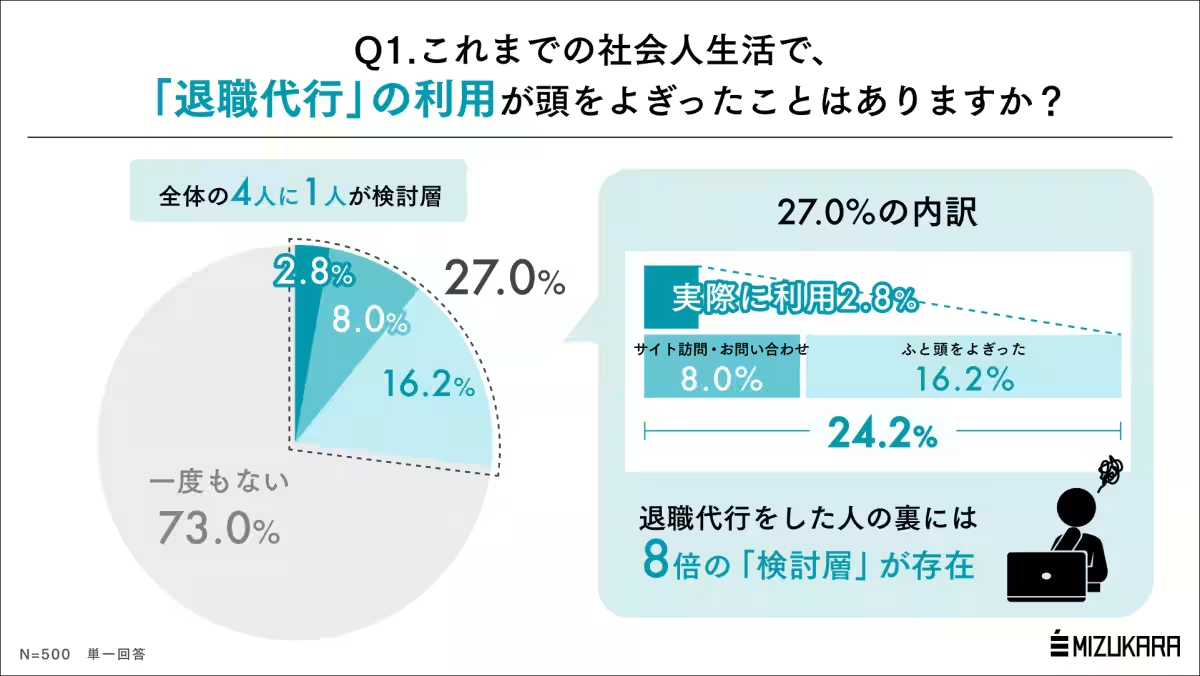
Resignation services have gained traction in recent years, signaling a societal shift in how individuals navigate their career changes. Although only 2.8% of surveyed participants had actually used such a service, a notable 24.2% indicated that they had at least contemplated or researched the idea of using one. This indicates that for every resignation service user, there are approximately eight individuals considering the same option, suggesting a substantial underlying demand.
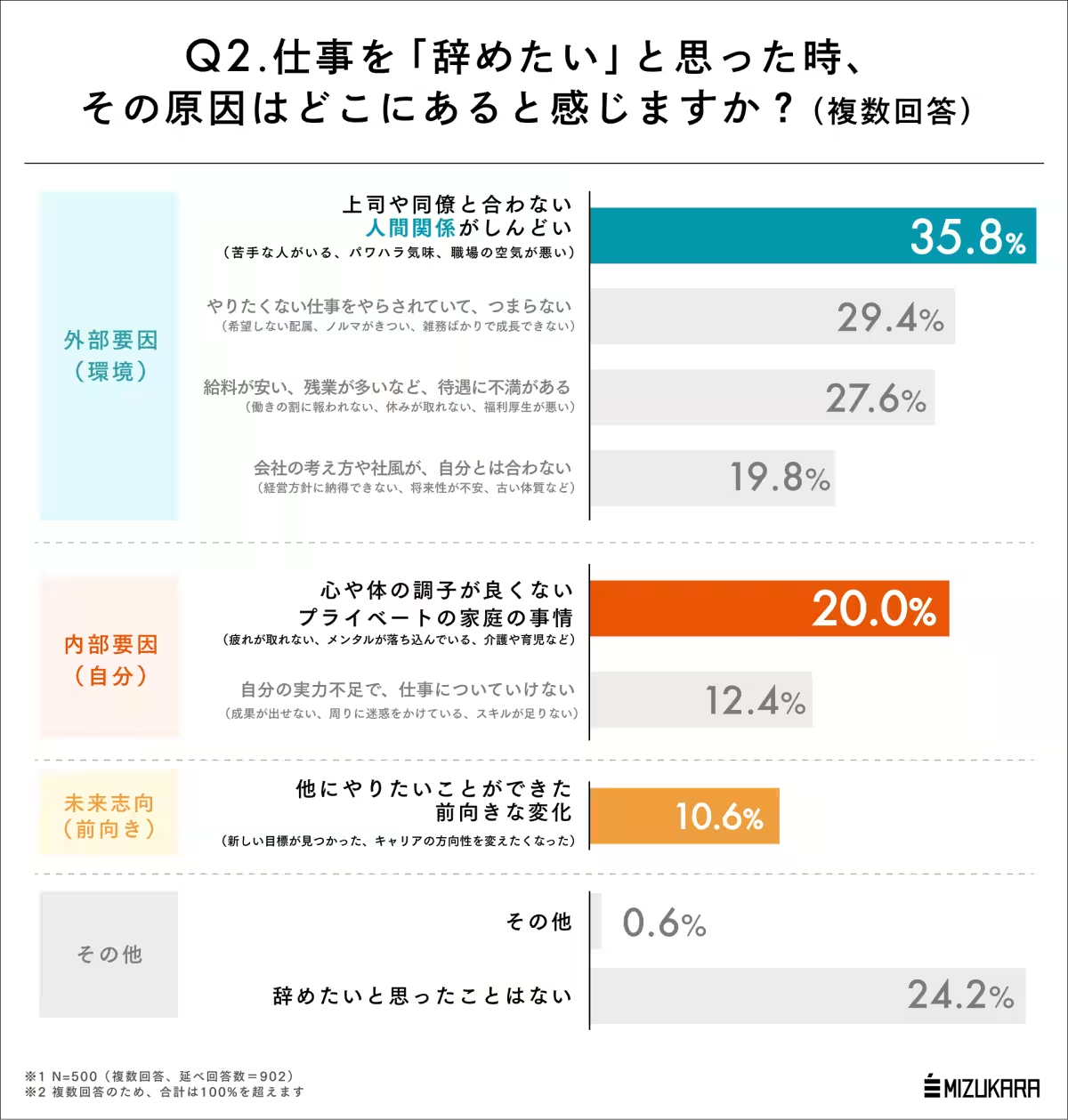
The idea of resigning from a job is often accompanied by various emotions and motivations. For instance, the survey identified that the predominant reason for contemplation of resignation was dissatisfaction with workplace relationships, cited by 35.8% of respondents. Additionally, there is a broader trend of individuals seeking to escape rather than pursue fulfilling opportunities, with only 10.6% expressing a desire to change careers for positive reasons such as new passions.
Psychological Implications of Career Changes
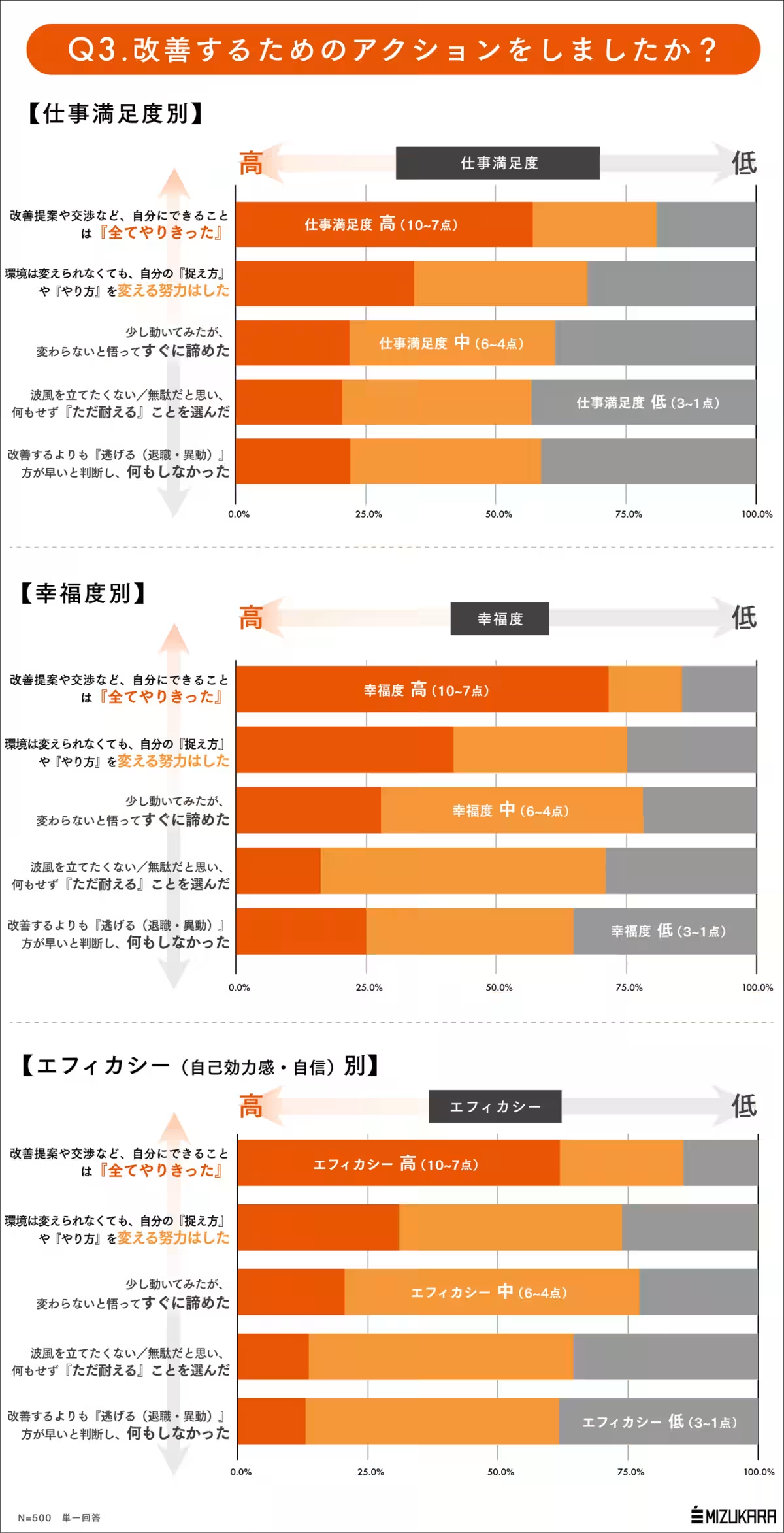
The study also explored the psychological impact of how employees handle workplace discontent. Those who actively seek to resolve their issues—whether through negotiations or submitting improvement proposals—reported higher job satisfaction, well-being, and self-efficacy. In contrast, individuals who choose to endure their situations without any action tend to experience significantly lower levels of happiness and fulfillment. This highlights the importance of proactively addressing workplace challenges rather than resorting to mere endurance.
The Demand for Alternative Communication Services
Mizukara's study didn't stop at resignations; it sought to capture the broader communication needs of employees. Participants shared specific instances where they wished for assistance in articulating their thoughts or concerns. For instance, one respondent suggested a service that could gently prompt before unnecessary meetings, reflecting the common frustration with unproductive gatherings. Others expressed a desire for tools that would help them manage procrastination effectively, emphasizing a more supportive framework for personal accountability.
The findings underscore a potential market for apps or services that could ease communication hurdles and improve workplace interactions. By addressing these everyday challenges, such services could alleviate some of the stress employees face in their professional environments.
Mizukara’s Role in Career Development
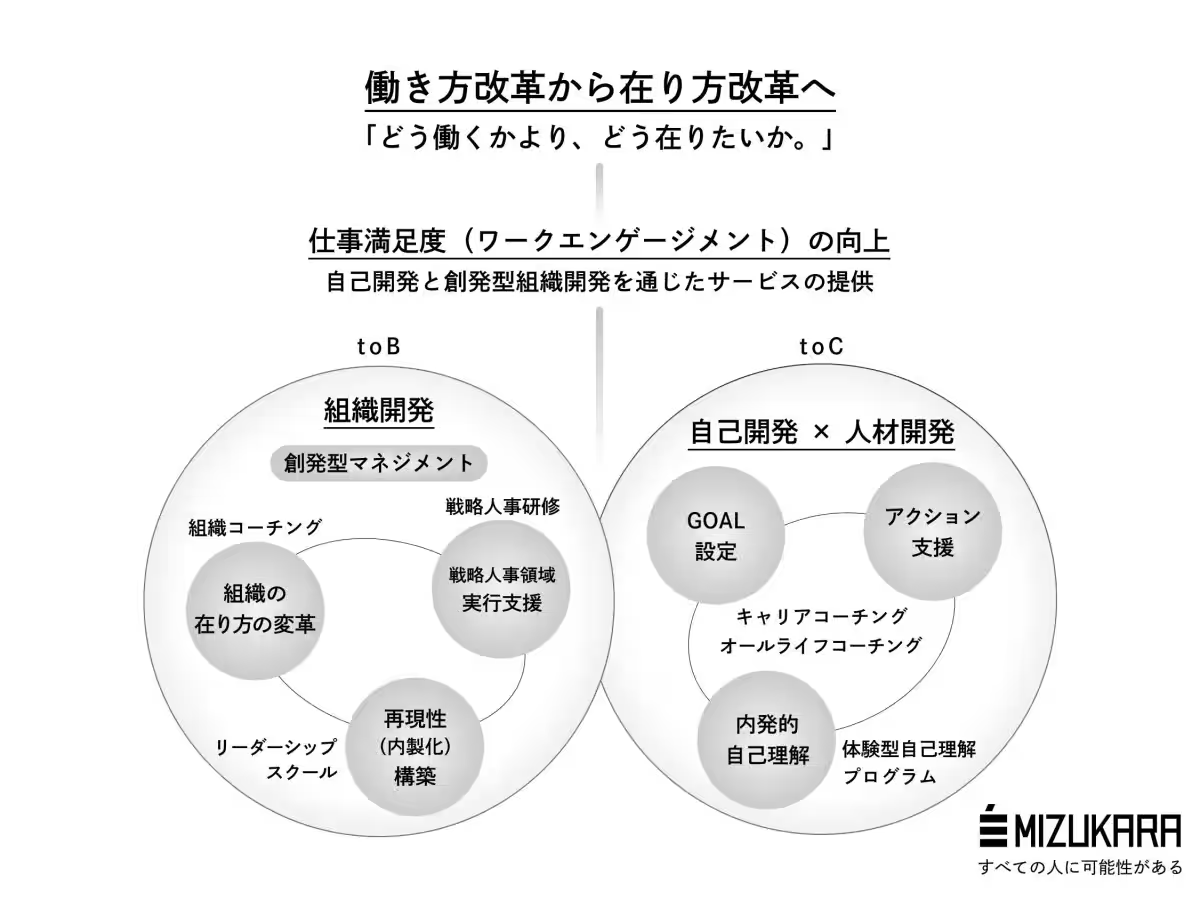
Mizukara Inc. is committed to enhancing workforce engagement and satisfaction by providing coaching services that foster self-awareness and personal development. Their mission is built on the belief that everyone has untapped potential. Through individual coaching, organizational development, and transformative programs like REBOOST, Mizukara aims to empower both businesses and individuals to thrive in their respective environments.
In light of the survey findings, Mizukara's initiatives resonate strongly with the current workforce needs, emphasizing career growth and proactive management of job dissatisfaction.
Conclusion
As we navigate an era of unprecedented change in the workforce, understanding the factors driving employee transitions is more important than ever. Mizukara's survey offers valuable insights into the motivations behind resignations and suggests opportunities for organizations to improve workplace culture. By fostering an environment that encourages open communication and supports personal growth, companies can not only reduce turnover rates but also cultivate a more engaged and satisfied workforce, marking a step towards a healthier work-life balance for many employees.
Topics People & Culture)








【About Using Articles】
You can freely use the title and article content by linking to the page where the article is posted.
※ Images cannot be used.
【About Links】
Links are free to use.