



Survey Reveals Children’s Wish to Preserve Family Homes for Future Generations
The Heartfelt Attachment to Family Homes: A Recent Survey
Family homes hold a significant emotional value for many; they symbolize fond memories and family bonds. In a recent survey conducted by Philia Corporation, a real estate firm based in Itabashi, Tokyo, the sentiments surrounding the wish to preserve these homes until death were explored.
The survey aimed to uncover the genuine thoughts of children regarding their family homes, especially as parents age or when inheritance decisions loom. With over 1,000 inquiries into vacant houses and inheritance issues, the survey results reflect a warm affection from the children’s generation alongside some daunting realities they may face in the future.
Survey Overview
1. Target Audience: Men and women nationwide
2. Survey Period: June 1-2, 2026
3. Conducted By: In-house research
4. Method: Internet-based voluntary responses
5. Valid Responses: 200
Key Findings
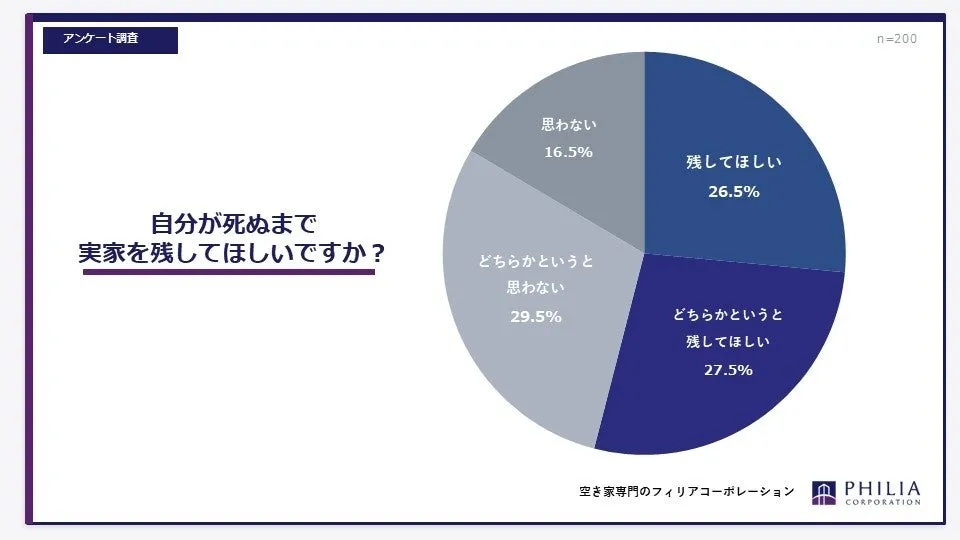
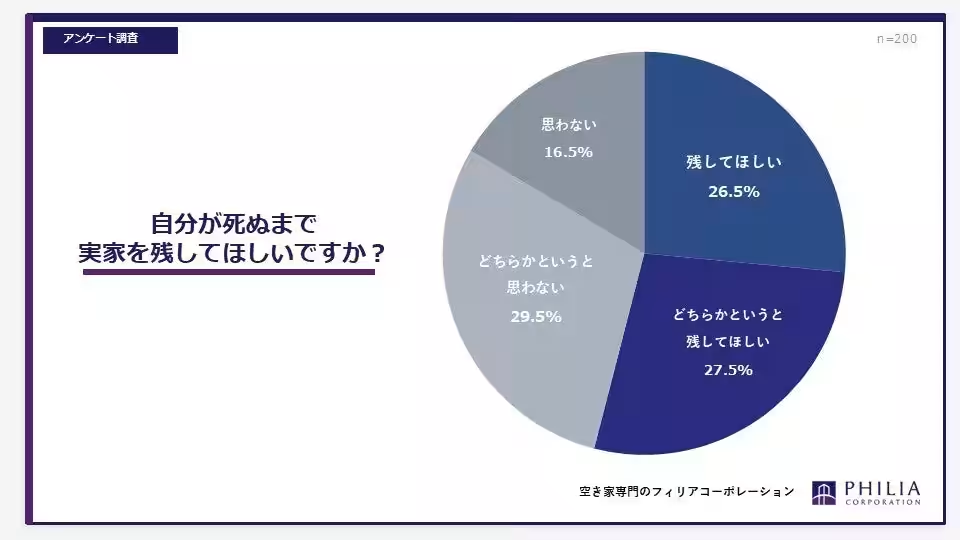
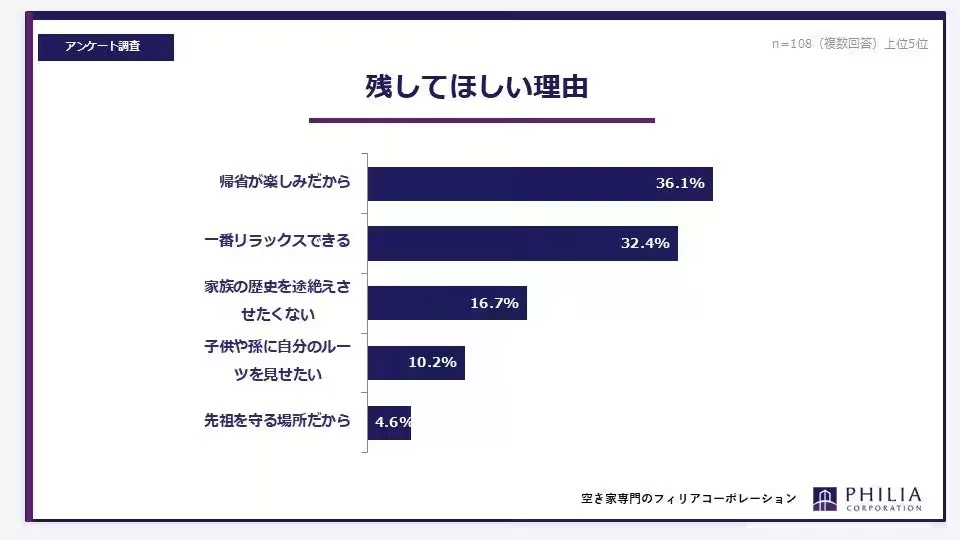
The results showed that more than 50% of respondents wish for their family homes to remain intact. Among those, the leading reason (36.1%) was the joy of returning home during holidays. This indicates a strong emotional connection to these homes, transcending mere physical structures.
Conversely, 46% of those polled either disagreed or were uncertain about their attachment to their childhood homes, suggesting varying levels of concern about the responsibilities attached to maintaining or inheriting a family property.
Reasons For Wanting to Keep Family Homes
1. Returning Home is Enjoyable (36.1%)
The top reason for wanting to keep the family home was the enjoyment of homecoming during holidays. Respondents noted the excitement of gathering with parents and childhood friends in the warm familiarity of their upbringing.
Expert Insight: The appeal of returning home emphasizes the emotional connection. However, it is crucial to confront the reality of properties that may become vacant once parents enter facilities or pass away. For children living far away, the burden of managing the property, such as maintaining the yard or ensuring functionalities, can become overwhelming. Utilizing property management services might help mitigate such burdens, preventing homes from becoming financial liabilities.
2. The Most Relaxing Place (32.4%)
A narrow second found that many feel their family home is the most relaxing place, a sentiment echoing the security and familiarity of childhood.
Expert Insight: This calmness may complicate the future, especially when it comes time to manage the estate. With numerous belongings accumulated over decades, sorting through items can be emotionally and physically strenuous. Employing an estate liquidator can be beneficial for a comprehensive clean-up.
3. Preserving Family History (16.7%)
Some participants expressed the desire to uphold their family history by maintaining their childhood home, highlighting significant psychological challenges when considering the sale or destruction of a property that tells their family's story.
Expert Insight: The desire to keep family history can result in tensions between relatives when opinions differ on whether to maintain or sell. This is particularly true for homes that cannot be rebuilt due to legal or structural limitations, which can complicate marketability. Collaboration with experts in real estate law is advisable to ensure clarity and fairness in these discussions.
4. Sharing Roots with Future Generations (10.2%)
Some wish to show their children and grandchildren the places where they grew up. Experiences in traditional homes can offer invaluable lessons for children from urban environments.
Expert Insight: While the intent is admirable, families must avoid placing undue burdens on future generations. Discussions about realistic plans for property utility are essential to prevent turning cherished homes into sources of debt or responsibilities.
5. Protecting Ancestral Lands (4.6%)
A smaller segment expressed a commitment to preserve places with ancestral significance, showcasing traditional values and responsibilities.
Expert Insight: Those with responsibility might need to acknowledge the risks associated with leaving a property unmanaged, particularly as laws governing vacant properties tighten.
Real-life Case Study
To address the wishes of keeping homes alive against the backdrop of practical limitations, Philia Corporation has undertaken several rehabilitation projects for difficult properties.
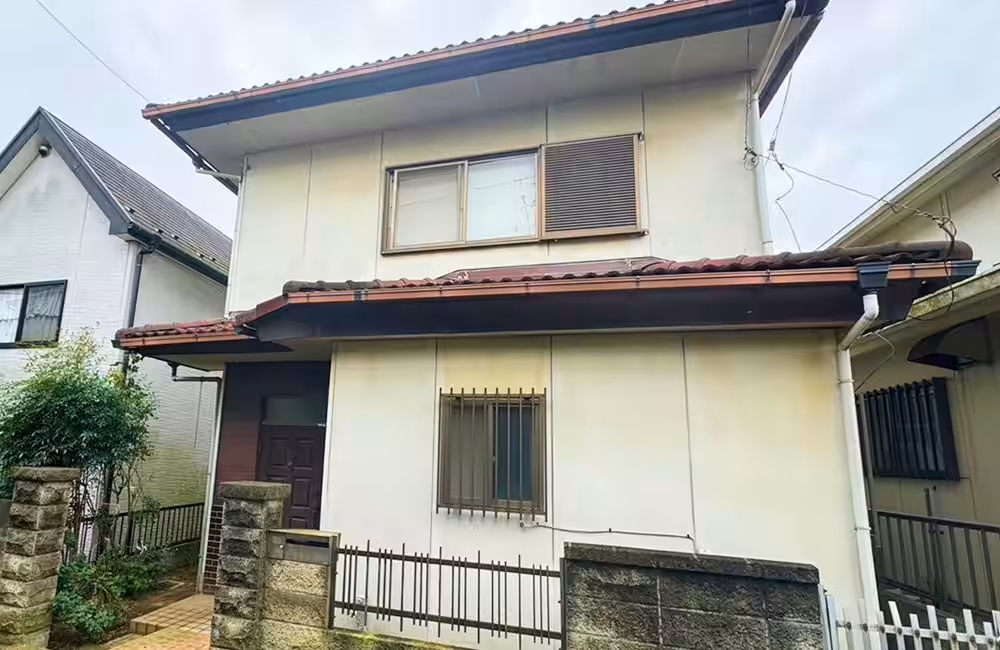
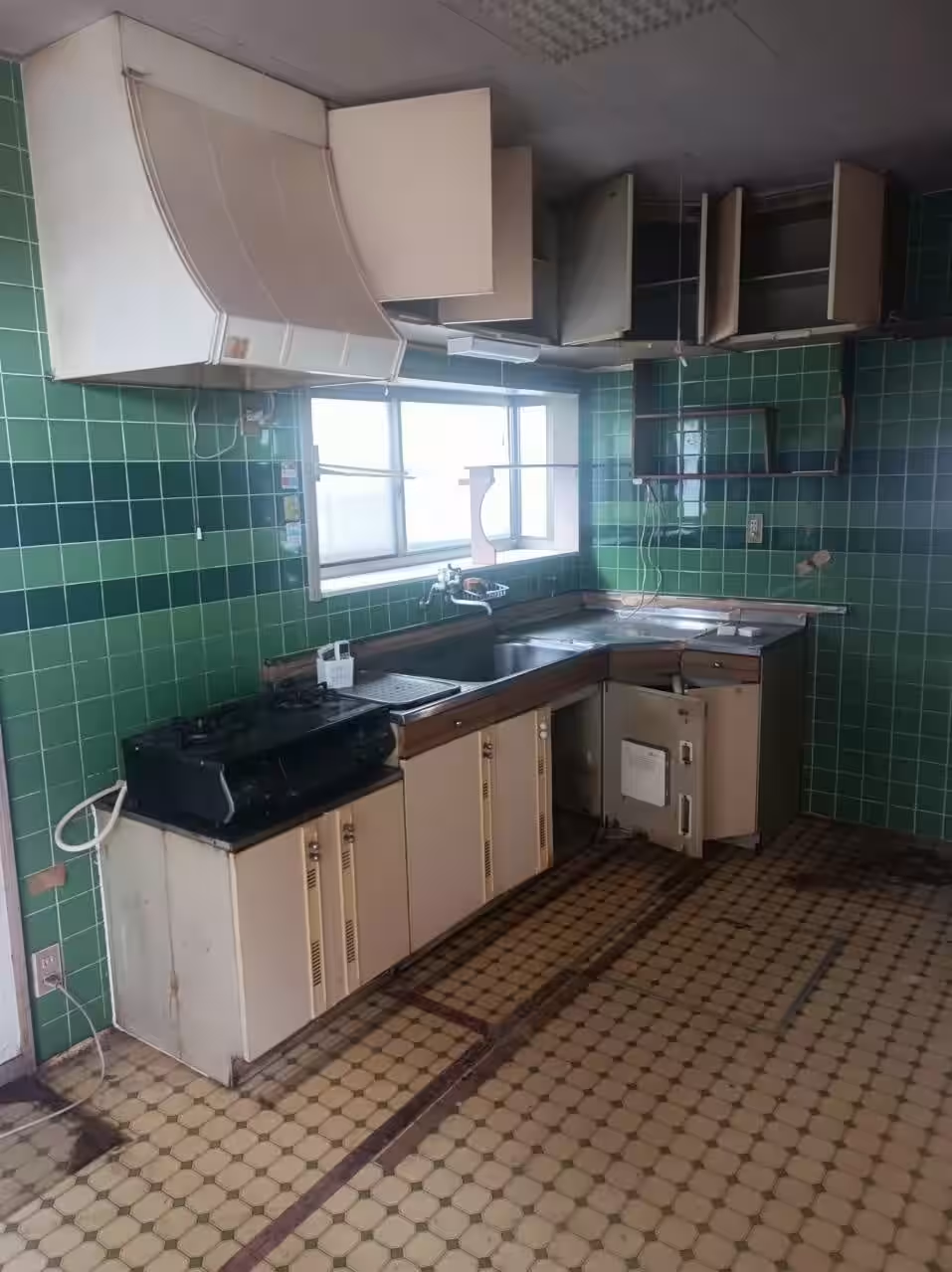
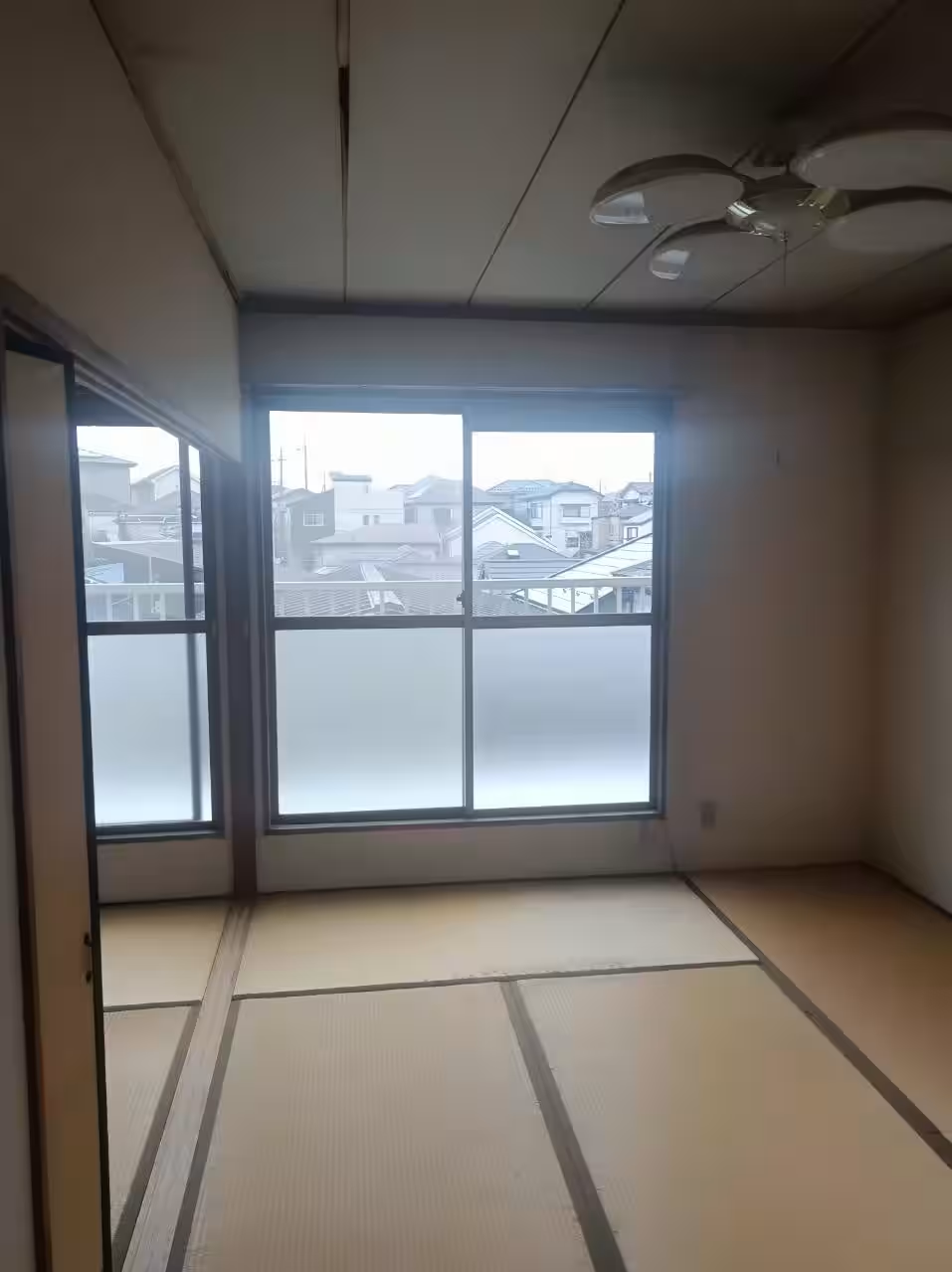
For instance, a small, vacant house in Sakura City, Chiba, was purchased under conditions where rebuilding was not permitted due to legal constraints. After buying the property in its existing state, Philia renovated it, and it's now being utilized as rental housing.
Overall, Philia Corporation aims to mitigate empty house issues by providing transparent assessments using modern technology and offering realistic solutions based on extensive on-site experience. By collaborating with relevant administrative bodies and professionals, they plan to convert difficult properties into valuable assets, alleviating future burdens on subsequent generations.
Final Thoughts
The survey outcomes illustrate a deep attachment to family homes among the child generation, with many wishing they remain until death. However, neglecting the potential burdens of maintaining such properties can lead to financial strains and disputes among family members in the future.
Reflecting on the warmth associated with family homes is essential, but proactive discussions around realistic choices—maintenance, renting, or selling—should take place. Considering professional advice can also help clarify advantages and disadvantages in this delicate process.
Topics Consumer Products & Retail)


【About Using Articles】
You can freely use the title and article content by linking to the page where the article is posted.
※ Images cannot be used.
【About Links】
Links are free to use.