



Consumers Question The Effectiveness of Sustainability Initiatives Like Paper Straws
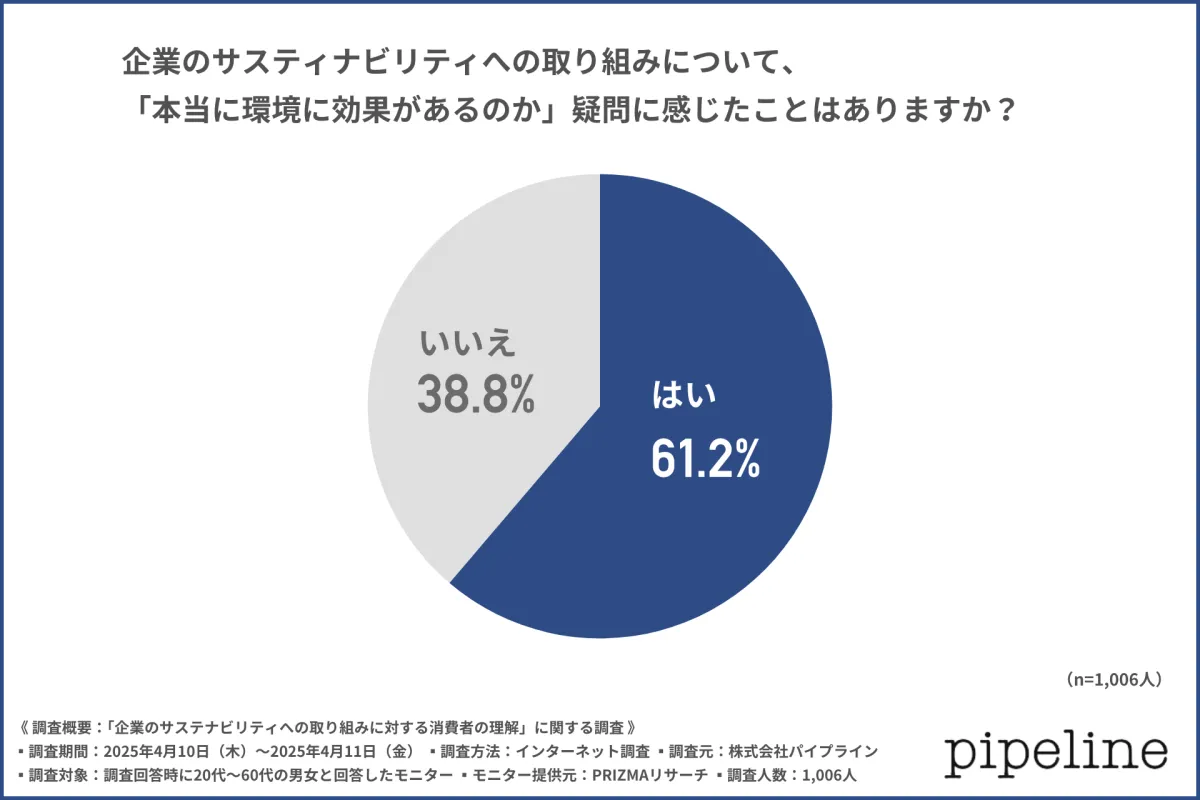
In recent years, sustainability practices have gained significant attention. However, a recent survey conducted by Pipeline Inc. reveals a growing skepticism among consumers regarding the effectiveness of these initiatives. Among more than a thousand participants aged between 20 and 60 years from across Japan, over 61% expressed doubts about whether sustainability measures genuinely benefit the environment.
The survey aimed to understand consumer sentiment towards corporate sustainability efforts, particularly focusing on areas where consumers have felt inconvenient or dissatisfied. Surprisingly, while eco-friendly practices such as using environmentally sound materials and simplifying product packaging received positive feedback, certain measures were met with resistance. Chief among these was the introduction of paper straws, cited as the most inconvenient sustainability initiative by 40.9% of respondents. This was followed by the charge for plastic bags at 32.8%, and discontinuing amenities like toothbrushes at 11.3%.
The main reasons for the dissatisfaction with paper straws highlighted by participants included poor usability, deterioration in beverage taste, and general inconvenience for children. Many expressed that the environmental benefits of these sustainability measures were unclear compared to the traditional conveniences they replaced.
Despite this, a notable 59.2% of respondents indicated a willingness to accept the inconveniences associated with eco-friendly efforts, showing a dichotomy between expectations of convenience and an acknowledgment of the need for environmental stewardship.
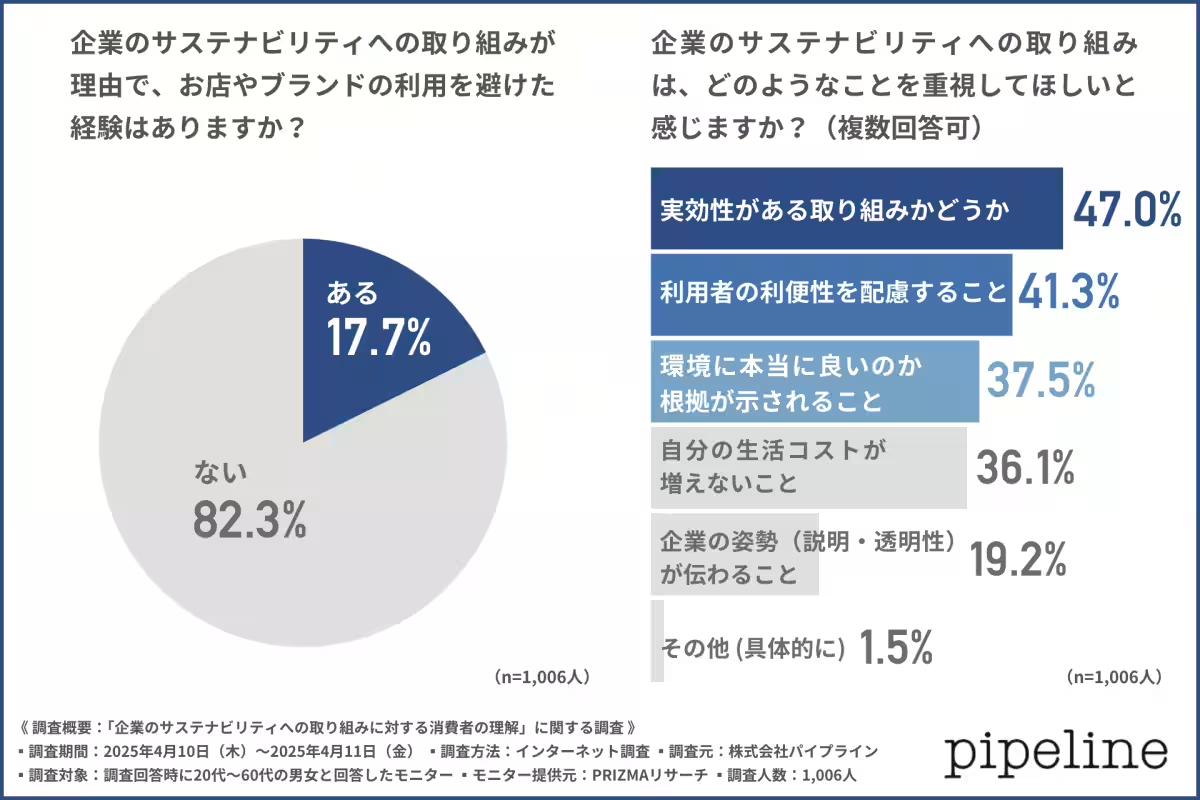
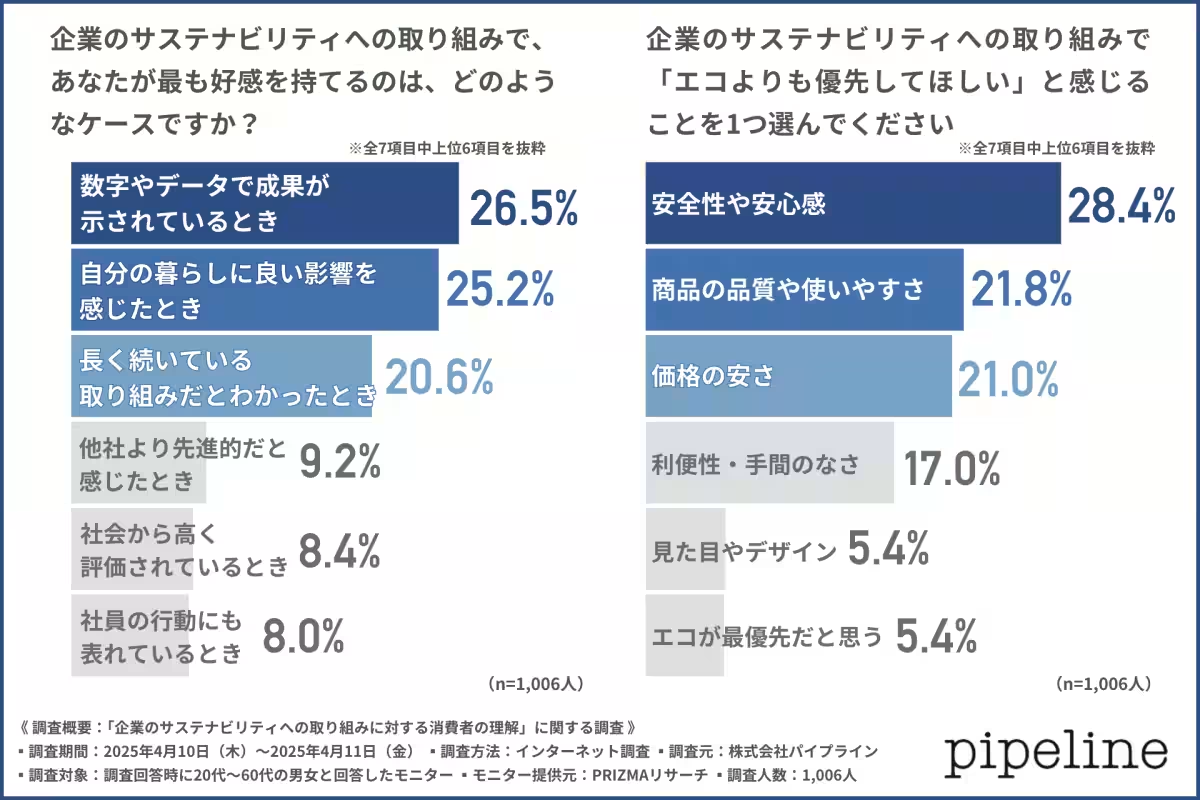
Moreover, the results indicated a trend where respondents preferred companies that could demonstrate measurable sustainability outcomes. More than 26% of participants expressed that they favored companies when they could see tangible results from their sustainability initiatives. This sentiment was reinforced by a significant number, 47%, indicating that the effectiveness of these efforts is paramount, while 41.3% emphasized the importance of maintaining consumer convenience.
While there are clear instances where consumers are hesitant to comply with sustainable practices due to inconvenience, most demonstrated an understanding that sustainability sometimes requires sacrifices. Nevertheless, the survey also revealed an underlying tension. For instance, 28.9% of respondents felt that the inconveniences were not justifiable, indicating a gap between consumer readiness to accept sustainability measures and their expectations for practical usability.
Furthermore, when asked what should take precedence over eco-friendliness in product considerations, safety and assurance came to the top at 28.4%, with factors like product quality and cost effectiveness also being significant at 21.8% and 21% respectively. This further emphasizes that while environmental sustainability is important to consumers, core consumer values regarding product efficacy and price remain crucial.
The findings also presented an interesting perspective on transparency in corporate communication. Consumers expressed a preference for companies to clearly articulate the reasoning behind sustainability choices. Without data or clear arguments supporting the practices, consumer support may dwindle.
Companies must adopt a balanced approach in integrating sustainability initiatives into their operations. They need to be mindful of the consumer's daily experiences and preferences to effectively communicate the benefits of their sustainability practices. In doing so, they can transform skepticism into support and possibly influence purchasing decisions positively in the long term.
To conclude, the study conducted by Pipeline Inc. sheds light on the complexities of consumer attitudes towards corporate sustainability initiatives. It highlights the need for businesses to align their sustainability efforts with consumer values, emphasizing the potential benefits while addressing the inconveniences. By prioritizing effective communication and practicality in their environmental practices, companies can foster a culture that embraces sustainability without compromising on consumer satisfaction.
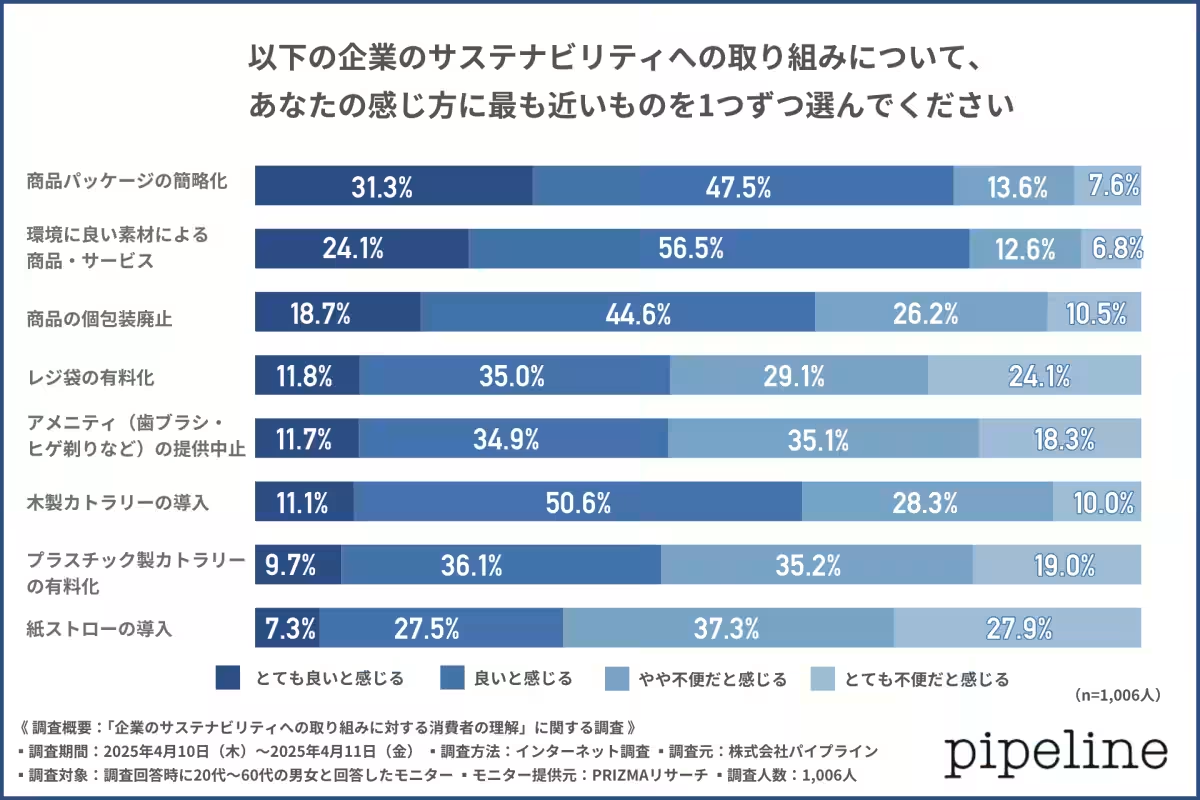
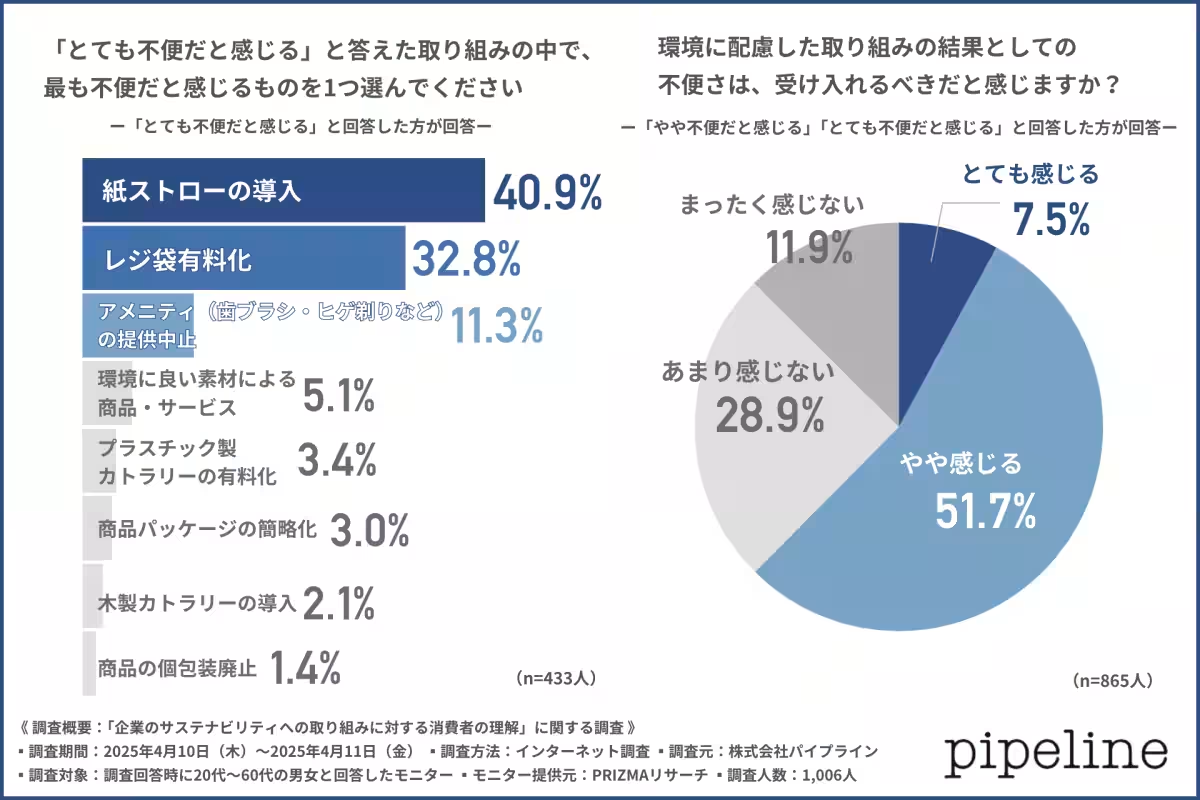
The survey aimed to understand consumer sentiment towards corporate sustainability efforts, particularly focusing on areas where consumers have felt inconvenient or dissatisfied. Surprisingly, while eco-friendly practices such as using environmentally sound materials and simplifying product packaging received positive feedback, certain measures were met with resistance. Chief among these was the introduction of paper straws, cited as the most inconvenient sustainability initiative by 40.9% of respondents. This was followed by the charge for plastic bags at 32.8%, and discontinuing amenities like toothbrushes at 11.3%.
The main reasons for the dissatisfaction with paper straws highlighted by participants included poor usability, deterioration in beverage taste, and general inconvenience for children. Many expressed that the environmental benefits of these sustainability measures were unclear compared to the traditional conveniences they replaced.
Despite this, a notable 59.2% of respondents indicated a willingness to accept the inconveniences associated with eco-friendly efforts, showing a dichotomy between expectations of convenience and an acknowledgment of the need for environmental stewardship.
Moreover, the results indicated a trend where respondents preferred companies that could demonstrate measurable sustainability outcomes. More than 26% of participants expressed that they favored companies when they could see tangible results from their sustainability initiatives. This sentiment was reinforced by a significant number, 47%, indicating that the effectiveness of these efforts is paramount, while 41.3% emphasized the importance of maintaining consumer convenience.
While there are clear instances where consumers are hesitant to comply with sustainable practices due to inconvenience, most demonstrated an understanding that sustainability sometimes requires sacrifices. Nevertheless, the survey also revealed an underlying tension. For instance, 28.9% of respondents felt that the inconveniences were not justifiable, indicating a gap between consumer readiness to accept sustainability measures and their expectations for practical usability.
Furthermore, when asked what should take precedence over eco-friendliness in product considerations, safety and assurance came to the top at 28.4%, with factors like product quality and cost effectiveness also being significant at 21.8% and 21% respectively. This further emphasizes that while environmental sustainability is important to consumers, core consumer values regarding product efficacy and price remain crucial.
The findings also presented an interesting perspective on transparency in corporate communication. Consumers expressed a preference for companies to clearly articulate the reasoning behind sustainability choices. Without data or clear arguments supporting the practices, consumer support may dwindle.
Companies must adopt a balanced approach in integrating sustainability initiatives into their operations. They need to be mindful of the consumer's daily experiences and preferences to effectively communicate the benefits of their sustainability practices. In doing so, they can transform skepticism into support and possibly influence purchasing decisions positively in the long term.
To conclude, the study conducted by Pipeline Inc. sheds light on the complexities of consumer attitudes towards corporate sustainability initiatives. It highlights the need for businesses to align their sustainability efforts with consumer values, emphasizing the potential benefits while addressing the inconveniences. By prioritizing effective communication and practicality in their environmental practices, companies can foster a culture that embraces sustainability without compromising on consumer satisfaction.
Topics Consumer Products & Retail)
【About Using Articles】
You can freely use the title and article content by linking to the page where the article is posted.
※ Images cannot be used.
【About Links】
Links are free to use.