




Unveiling Seniors' Preferences in Online Shopping: Insights from Recent Survey
Understanding Seniors' Insights in Online Shopping
A significant report released by Cosmo Health, through its marketing platform CosmoLab, sheds light on the online shopping habits of seniors. The survey, which gathered responses from 1,071 senior adults aged 50 and above, reveals critical insights into their payment preferences, order methods, and challenges in online shopping.
Survey Highlights
1. Diverse Experiences Among Seniors
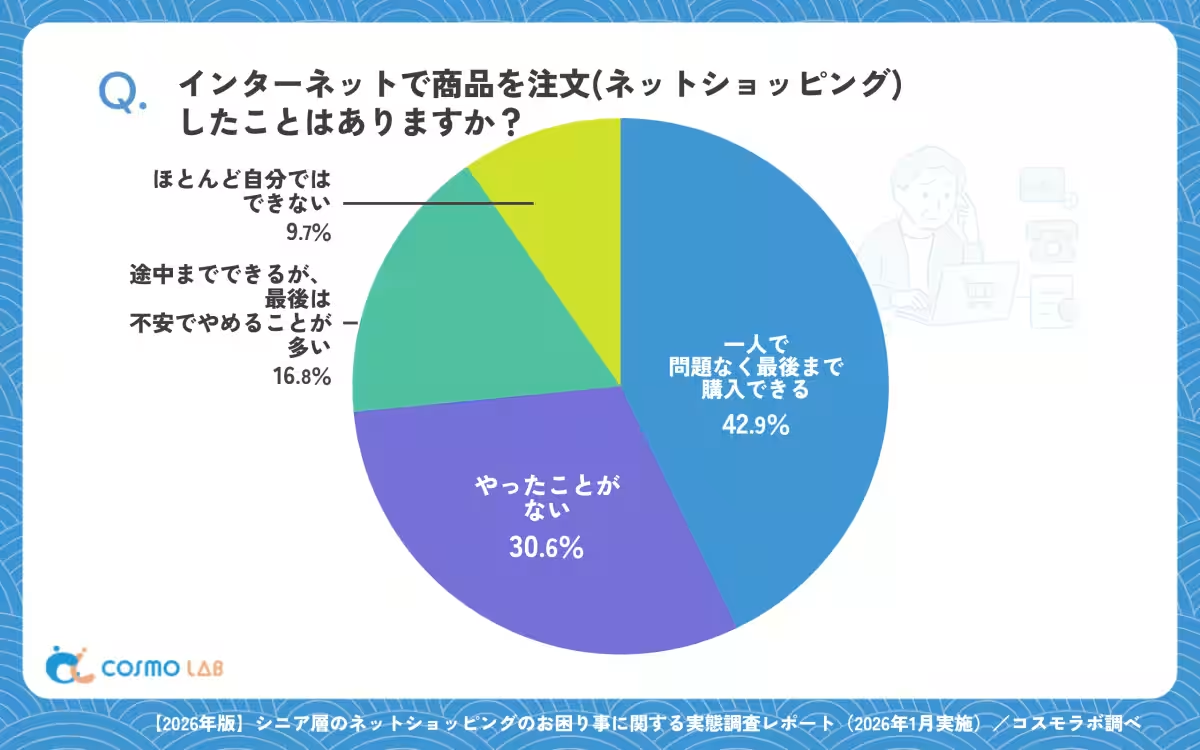
Among the respondents, 42.9% reported they can easily complete purchases independently, yet a considerable number remain hesitant. 30.6% have never shopped online, while 16.8% can initiate a purchase but often abandon it due to uncertainty. This indicates that barriers to online shopping are less about digital literacy and more about anxiety related to completing transactions securely.
2. Main Sources of Anxiety
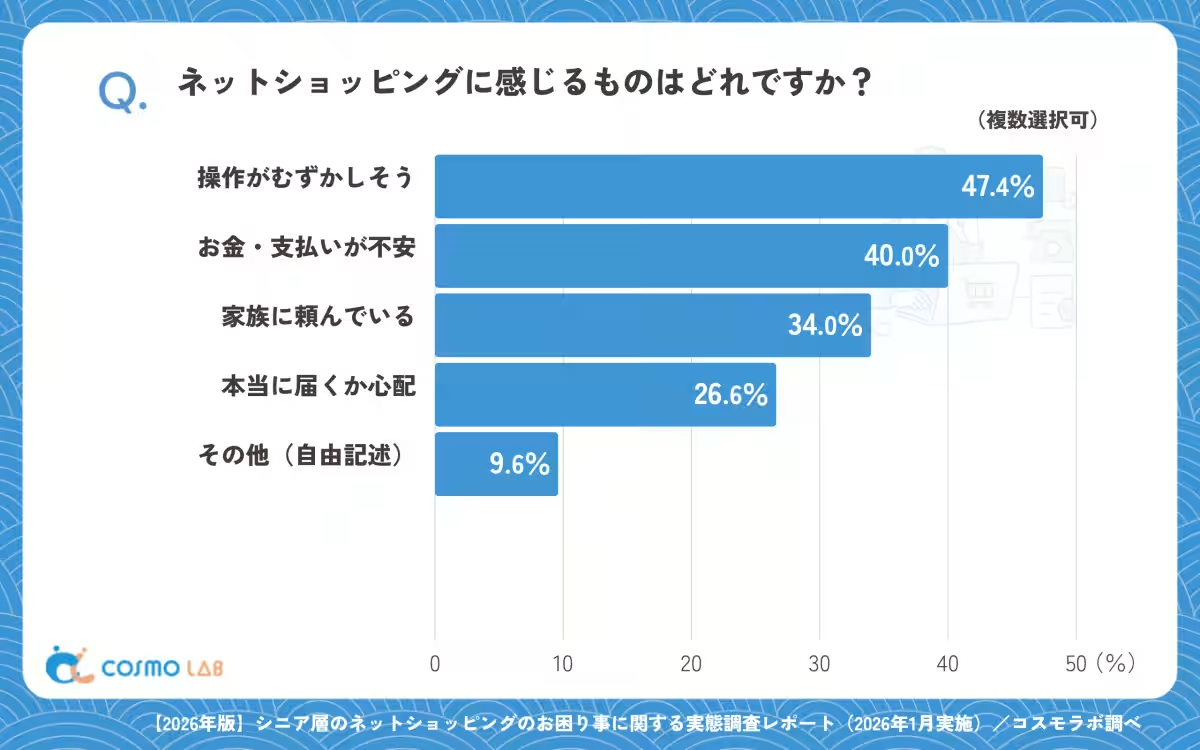
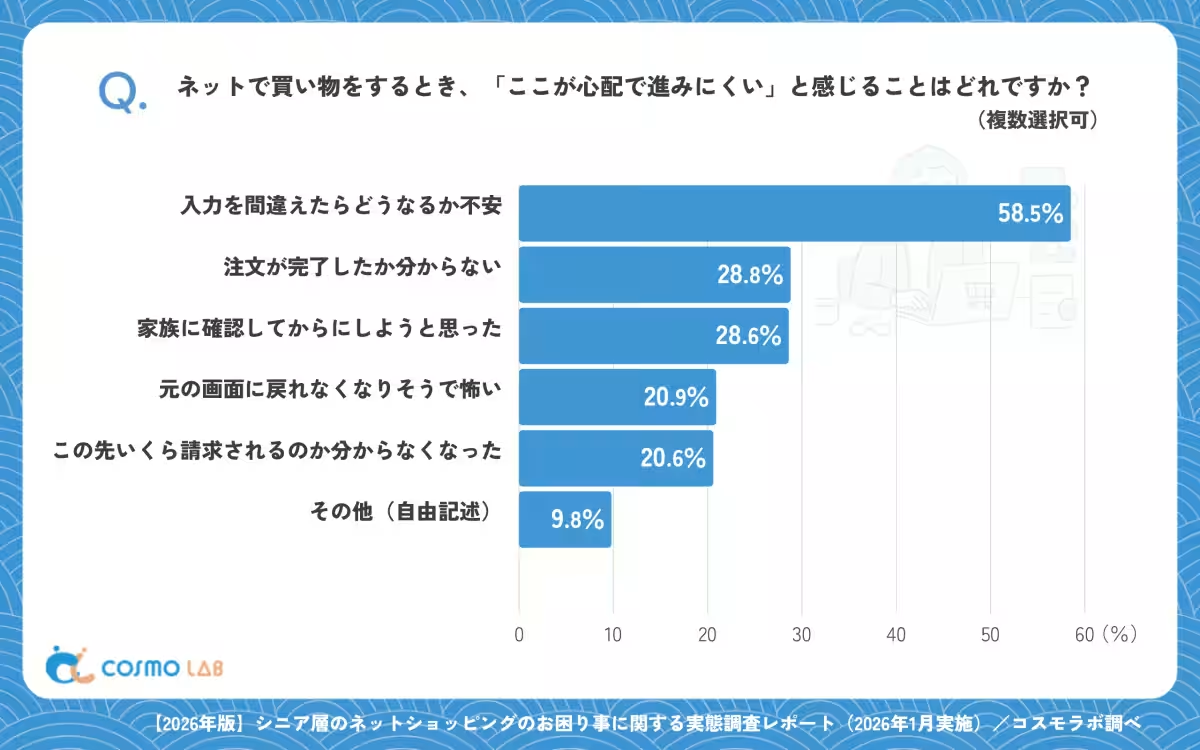
Seniors' concerns largely stem from fears of making mistakes and worries regarding payment security. The survey findings showed 47.4% believed online shopping operations appear complicated, while 40.0% expressed anxiety about financial transactions. Notably, a staggering 58.5% of participants indicated they hesitated to proceed due to fears of input errors, highlighting the need for clearer, more supportive online interfaces.
3. Preference for Cash Payments
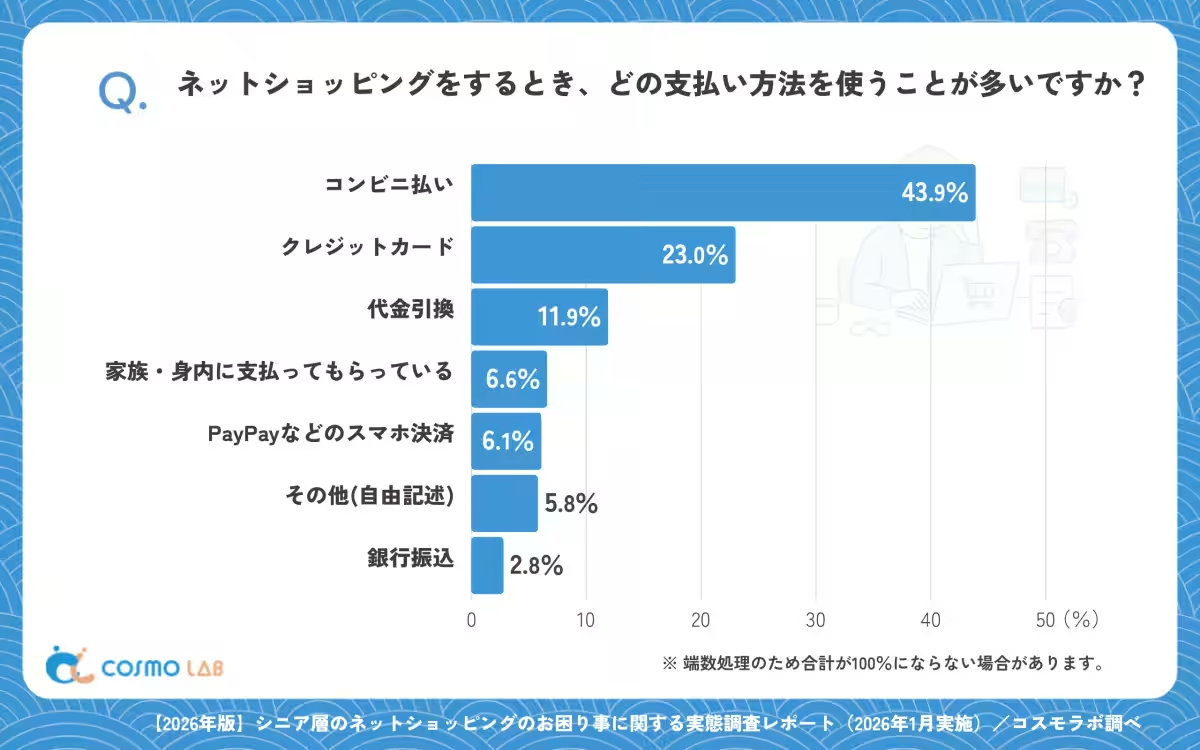
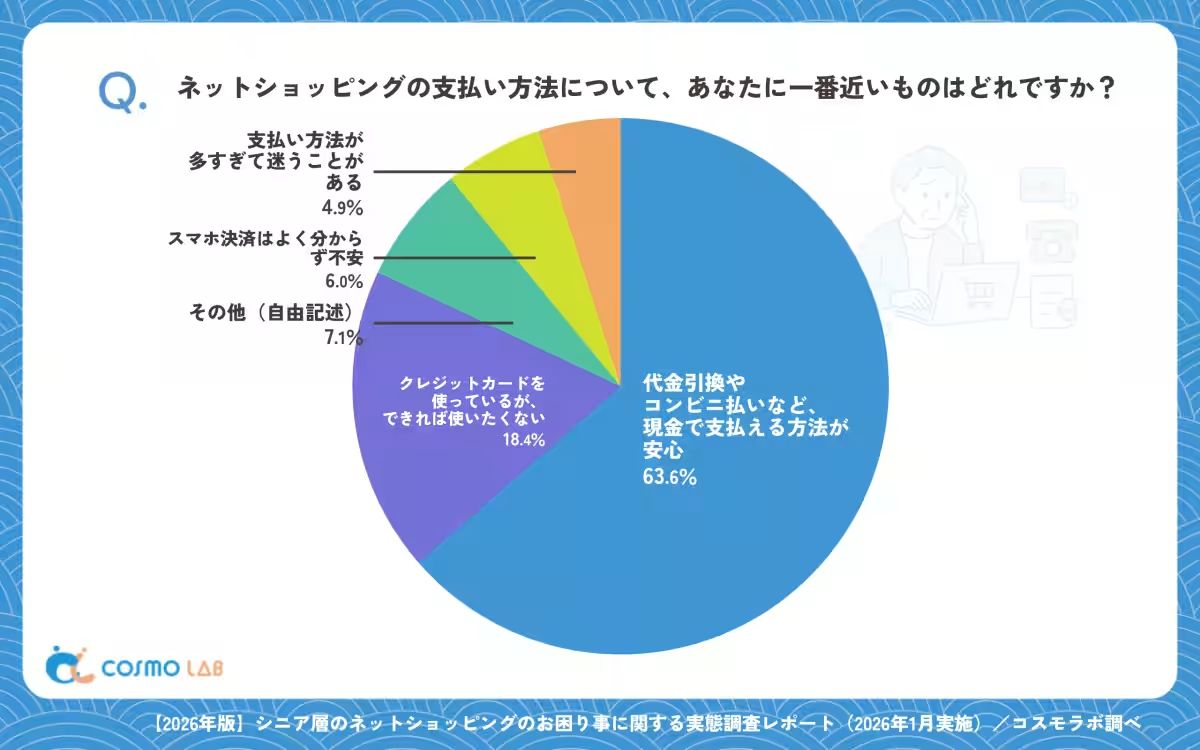
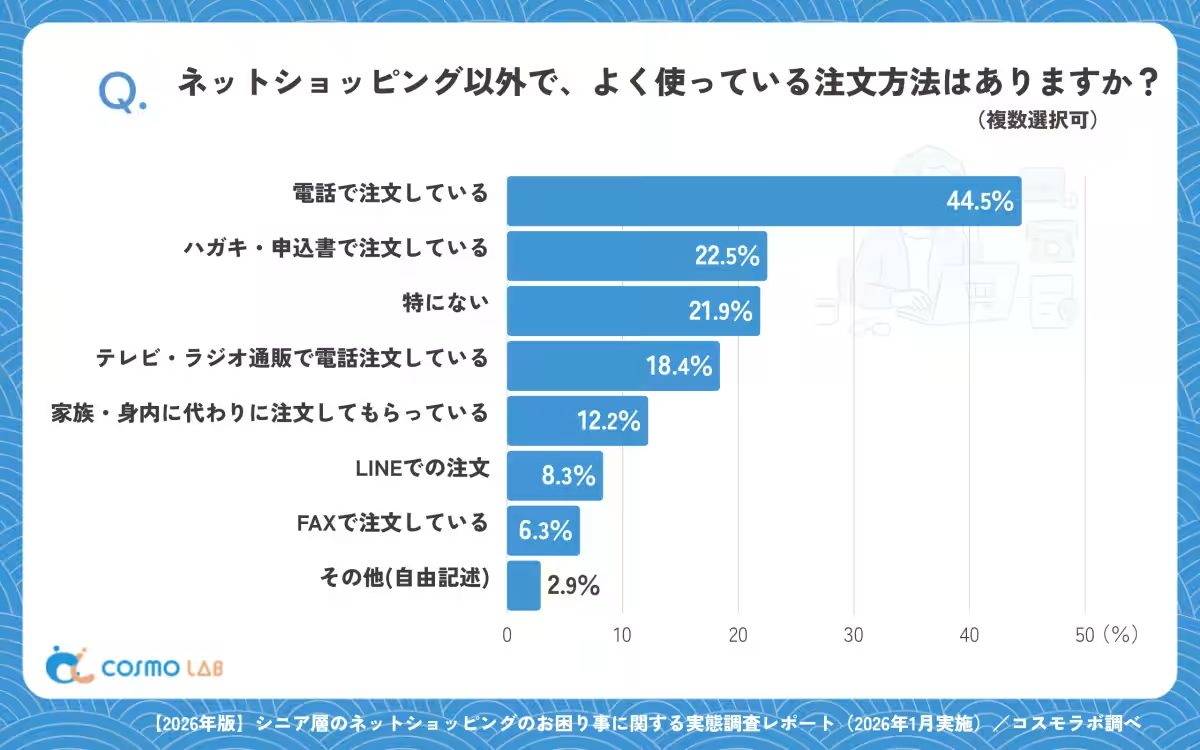
The survey highlighted a strong inclination towards cash payments, with 43.9% preferring convenience store payments, and 63.6% asserting that methods such as cash on delivery or convenience store payments offer them more comfort. Additionally, 44.5% indicated that they often turn to phone orders, signifying a strong desire for the reassurance that comes from direct interaction. For many seniors, maintaining a human connection during the ordering process is crucial, emphasizing the importance of confidence in their purchasing decisions.
4. Email Input and Its Challenges
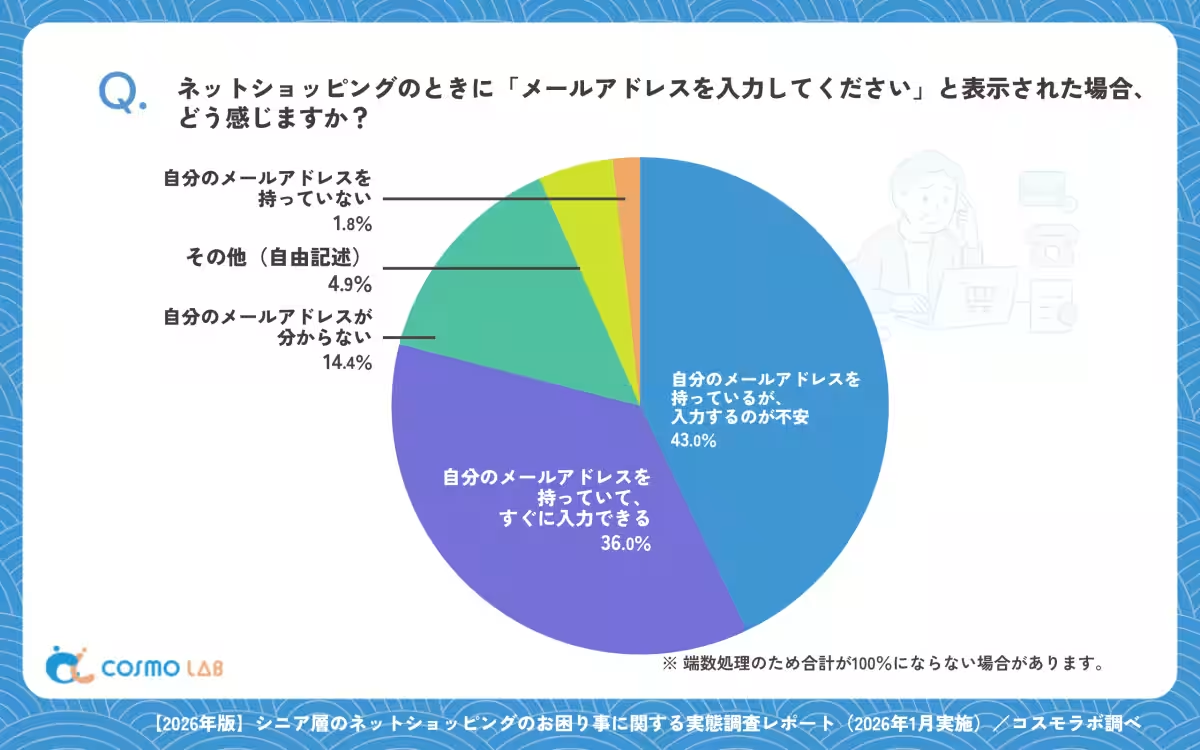
When it comes to entering email addresses for online transactions, 43.0% of respondents reported feeling anxious, despite having email accounts. This underscores a common hurdle: the worry about whether they can manage their email information correctly and security concerns surrounding personal data. Thus, simplicity in the input process and clear guidance on using emails can help alleviate this apprehension.
Conclusion
Ultimately, the survey indicates that while a significant number of seniors have had some experience with online shopping, a notable portion struggles with confidence and security, particularly when it comes to finalizing purchases. Prioritizing cash payment options, enhancing user-friendly interfaces, and implementing effective email guidance could significantly enhance the online shopping experience for seniors.
Furthermore, companies aiming to engage with the senior demographic must consider these insights while strategizing their marketing approaches. By addressing these unique concerns and emphasizing familiarity in payment methods, businesses can not only gain the trust of this demographic but also facilitate a more inclusive online shopping environment.
CosmoLab remains committed to researching various themes affecting senior consumers, including health, safety, and changing consumption patterns. For additional resources and insights into the evolving landscape of senior marketing, please visit CosmoLab's research portal.

Topics Consumer Products & Retail)
【About Using Articles】
You can freely use the title and article content by linking to the page where the article is posted.
※ Images cannot be used.
【About Links】
Links are free to use.