



The Current State of Korean Cuisine in Japan: Trends and Insights from Opening Data
The Current State of Korean Cuisine in Japan
The rise of Korean culture in Japan, fueled by K-POP and Korean dramas, has led to an enduring interest in Korean cuisine, evolving beyond a fleeting trend to become a staple dining option. In this exploration, we delve into how the popularity of Korean food is reflected in restaurant openings across Japan.
Insights from Restaurant Opening Data
Company Review, based in Osaka, conducted an analysis of 3,083 restaurant openings containing keywords such as "Korean" or "Korea". This comprehensive study sheds light on the changes in the number of openings and regional trends over recent years. While the overall number of new establishments has slightly declined recently, major cities such as Tokyo and Osaka continue to see a steady stream of new Korean restaurants.
A Shift Post-2023
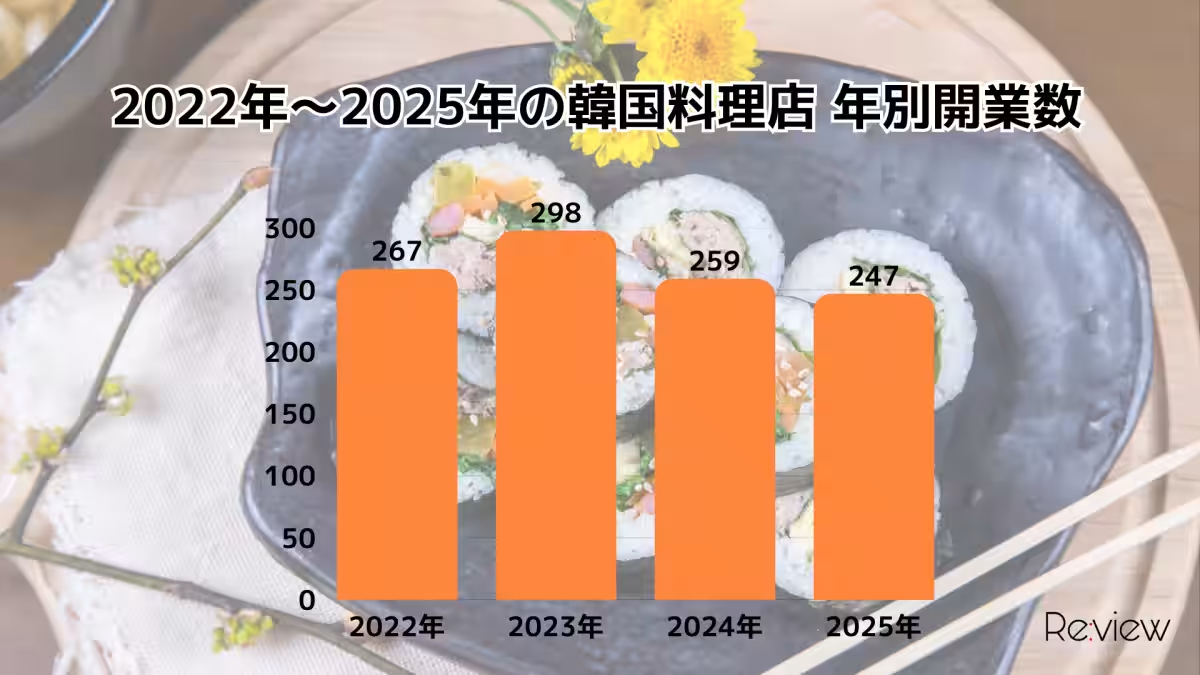
Examining the annual numbers reveals that in 2022, there were 267 new Korean restaurants, which increased to 298 in 2023. However, projections indicate that subsequent years may see a decline, with anticipated openings of just 259 in 2024 and 247 in 2025. This suggests that while Korean cuisine has become a common choice for many, the rapid pace of new openings might be stabilizing post-2023.
Yet, over 200 new openings are still expected in both 2024 and 2025, hinting at a transition from a booming restaurant scene to one marked by sustained, stable growth. Early data for 2026 indicates 101 openings by August, raising questions about future growth trends.
Concentration of Openings in Major Cities
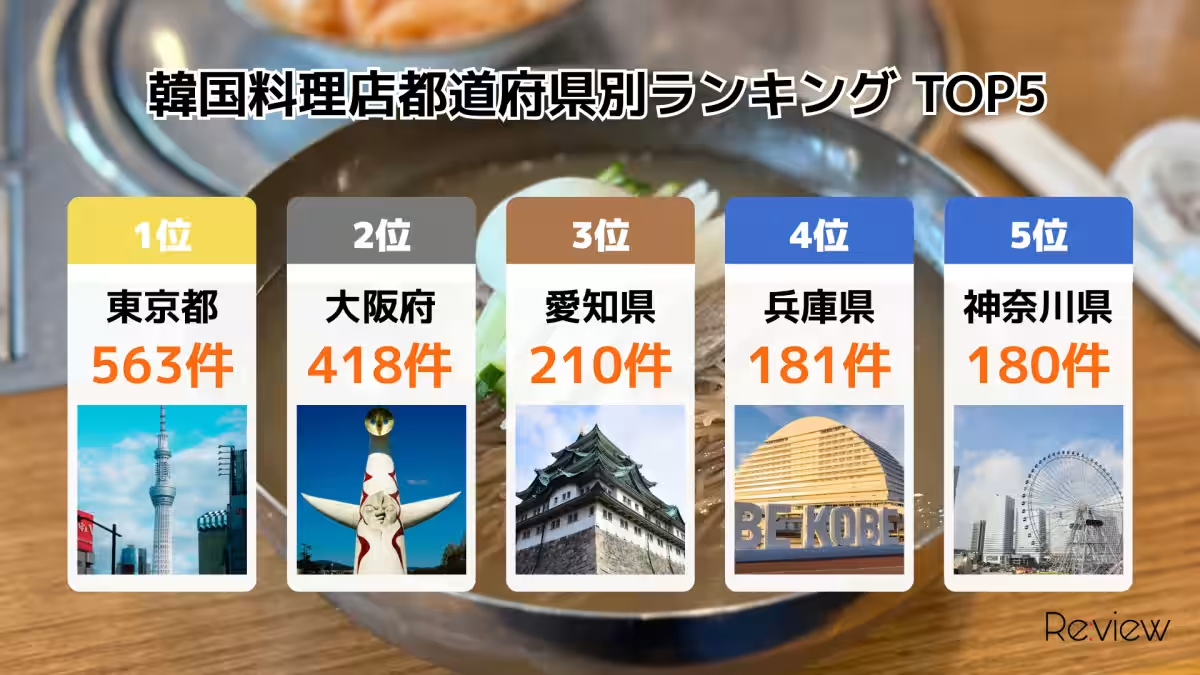
Analyzing the data by prefecture, Tokyo leads with 563 new Korean restaurants, followed by Osaka with 418. Together, these two regions account for about 30% of all openings analyzed. This highlights a pronounced tendency for new establishments to cluster in urban areas.
While new developments traditionally emerge in neighborhoods known for a vibrant Korean culture, like Shin-Okubo in Tokyo and various districts in Osaka, a broader distribution across multiple urban centers is also evident, signaling a growing acceptance of Korean cuisine outside its traditional strongholds.
Notable Districts with High Openings
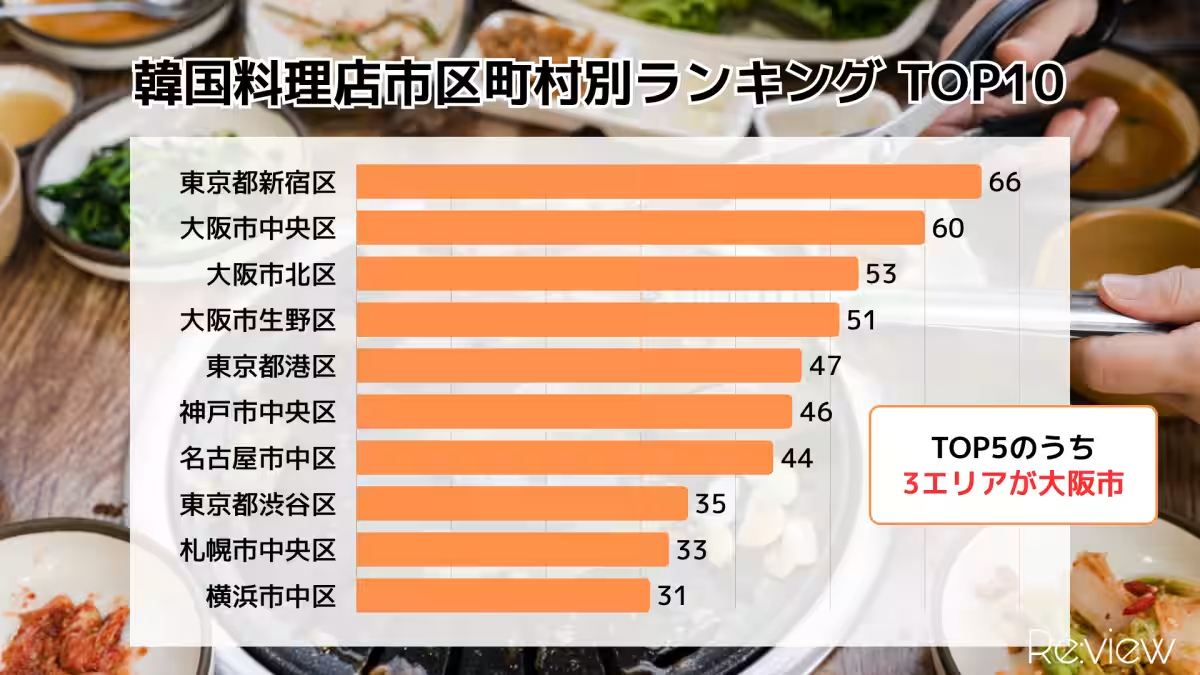
When we observe the data at the ward level, Shinjuku in Tokyo tops the list with 66 new establishments. Notably, Osaka’s Chuo Ward follows closely with 60, and Kita Ward comes in third with 53 openings. Interestingly, three of the top five areas are parts of Osaka, each possessing its unique characteristics influencing the culinary landscape.
The distinctiveness of neighborhoods such as Ikuno, known for its Korean town, juxtaposed against the bustling commercial centers of Chuo and Kita, indicates that Korean cuisine is becoming a frequent choice in areas bustling with daily visitors, not just in culturally designated neighborhoods. The data also reveals the presence of Korean restaurants in other significant urban centers, including Nagoya, Kobe, Sapporo, and Yokohama.
Korean Cuisine’s Evolving Place in Daily Life
The findings suggest that Korean restaurants are not merely a trend but have integrated into the daily dining habits of many Japanese people. Despite a slight decline in the pace of new openings, the persistent growth across various cities indicates a maturation of Korean cuisine's presence within the broader culinary scene.
As we continue to monitor the shifts in the restaurant landscape, it is crucial for industry stakeholders to understand these trends. The Korean dining experience has transformed from a specialty niche into a vibrant part of the everyday food culture in Japan.
Review's ongoing commitment to tracking restaurant openings ensures a keen understanding of regional developments within the food sector, which will be pivotal in responding to the ever-evolving tastes of consumers.
Conclusion
This analysis not only highlights the sustained interest in Korean cuisine but also signifies a wider acceptance of its incorporation into the daily lives of consumers across Japan. While the initial surge in interest may have leveled off, the establishment of Korean restaurants in various regions showcases their integration into a modern culinary narrative.
Looking forward, we anticipate that as Korean culture continues to influence dining choices, the landscape of Korean cuisine in Japan will evolve further, becoming a familiar part of gastronomy rather than a mere trend.
About Review
Review operates the data platform YOROZU DATA, offering a comprehensive database for restaurant and business information, which aids in market analysis and strategizing for new ventures. We strive to create opportunities and foster economic vitality within communities through insightful data services.

Topics Consumer Products & Retail)
【About Using Articles】
You can freely use the title and article content by linking to the page where the article is posted.
※ Images cannot be used.
【About Links】
Links are free to use.