



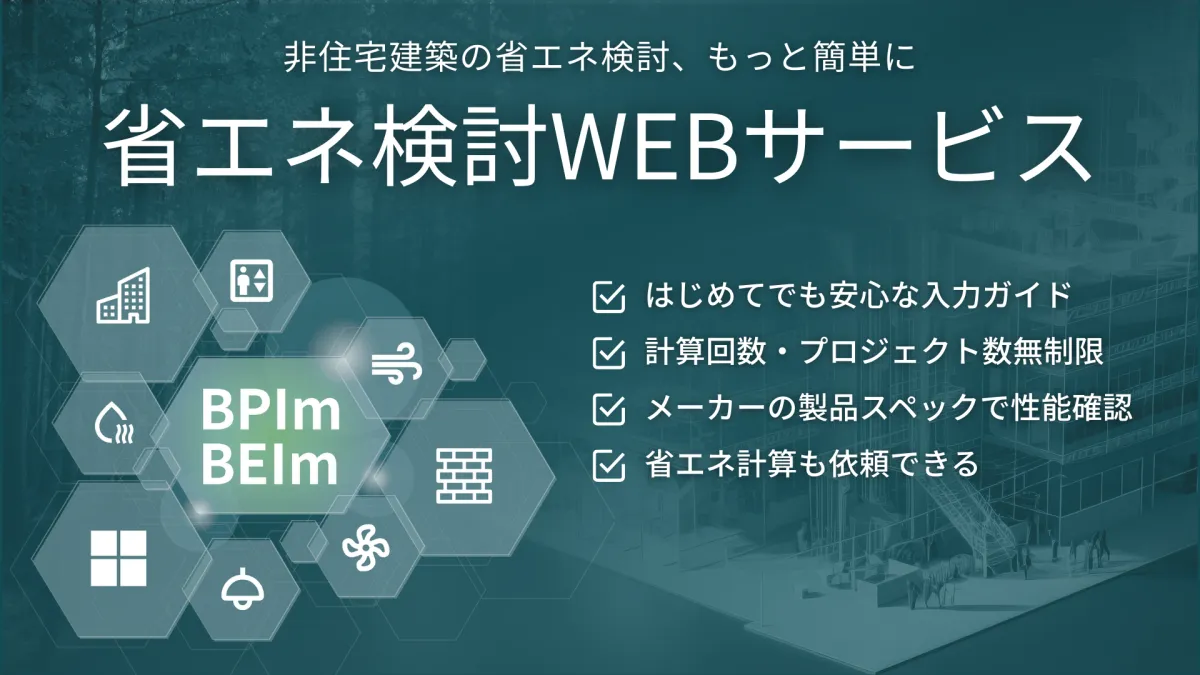
Innovative Free Web Service for Energy Efficiency in Non-Residential Buildings Updated
Major Update to Energy Efficiency Web Service
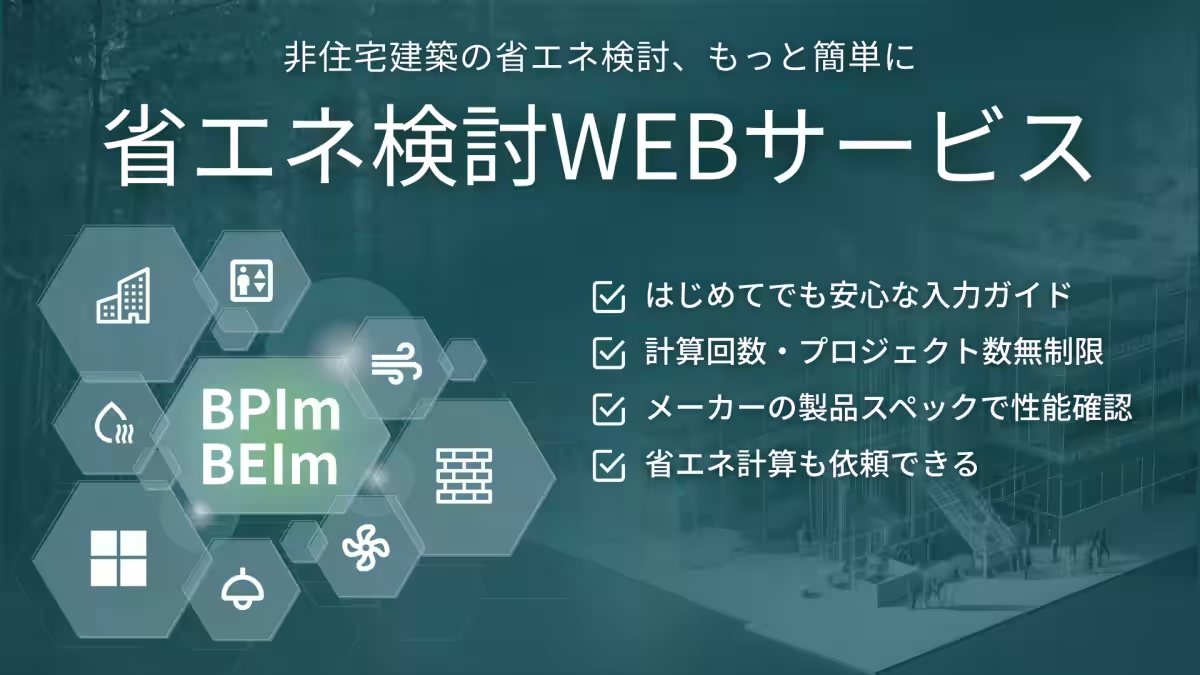
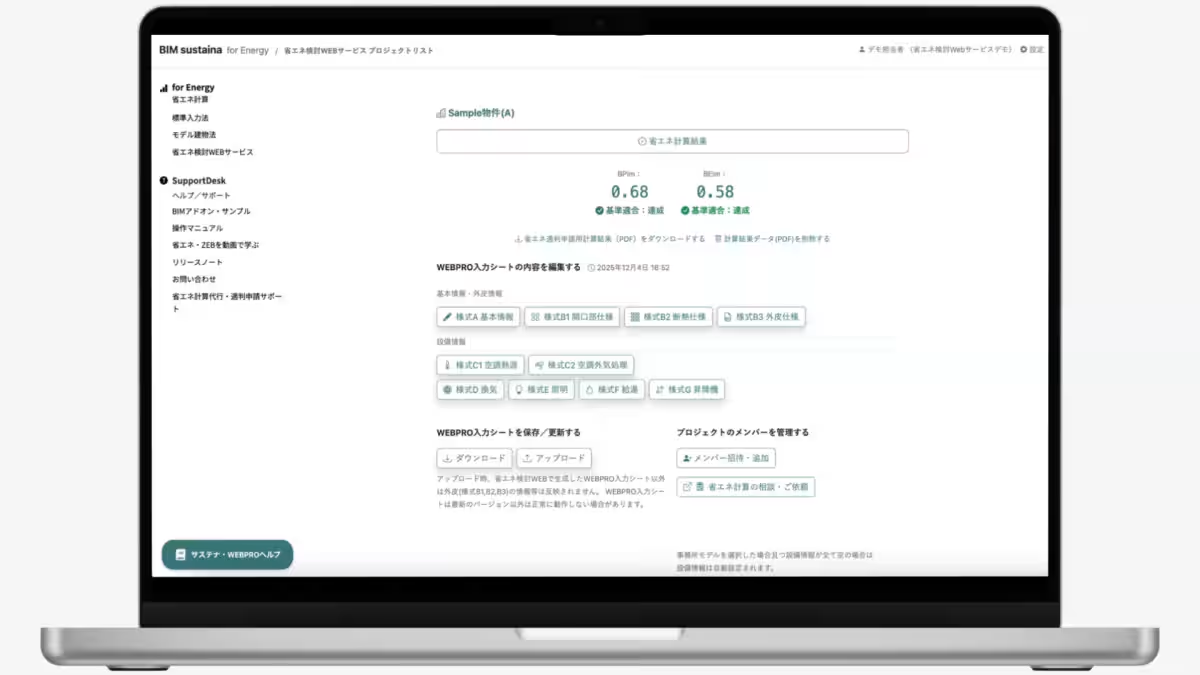
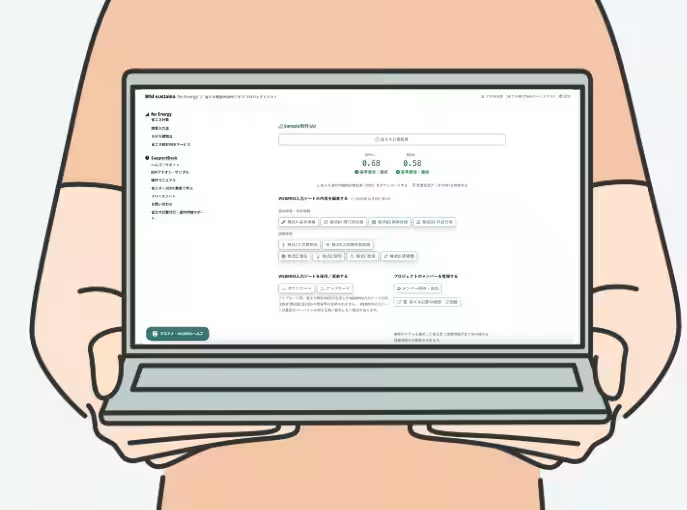
The Tokyo-based company, One Building, has significantly upgraded its free web service aimed at enhancing energy efficiency assessments for non-residential buildings. This platform now allows users to complete evaluations, from examining building envelopes to calculating primary energy consumption (BEIm), all online. The upgrade supports inputting and editing information about frequently used building systems, such as air conditioning, lighting, ventilation, hot water supply, and elevators, through a user-friendly web interface. This seamless integration enables architects and engineers to assess energy performance at various design stages and facilitates smoother decision-making regarding energy compliance and zero-energy building (ZEB) standards.
Background and Purpose of Service Development
As national regulations mandating compliance with energy efficiency standards come into force, design teams are facing increasing pressure not only to meet minimum requirements but also to secure ZEB standards looking ahead to 2030. Furthermore, stricter energy regulations are anticipated to be implemented in April 2026, necessitating a shift in design processes. This shift encourages verifying energy performance throughout the various stages of design rather than solely at the final phase, where it could lead to costly adjustments and delays.
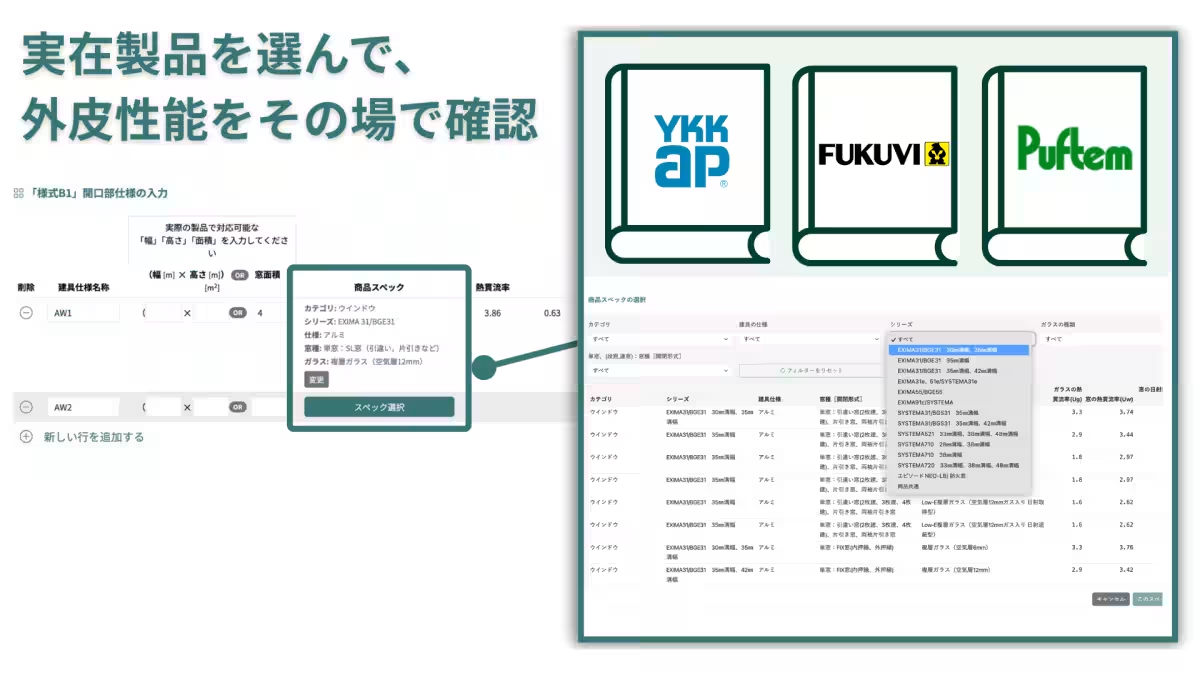
For effective energy efficiency assessment, it is crucial to ensure that building envelope considerations work hand in hand with systems design. Historically, these assessments have been siloed, which often delayed vital design decisions until equipment specifications were finalized. By collaborating with companies like YKK AP, Takashima Corporation, Fukubi Chemical, and Nippon Perfume, One Building has previously provided a robust environment for evaluating envelope performance based on actual product data. This upgrade enables a comprehensive energy efficiency analysis by integrating critical system inputs into the platform.
Key Enhancements from the Recent Update
1. Support for High-Frequency Equipment Input
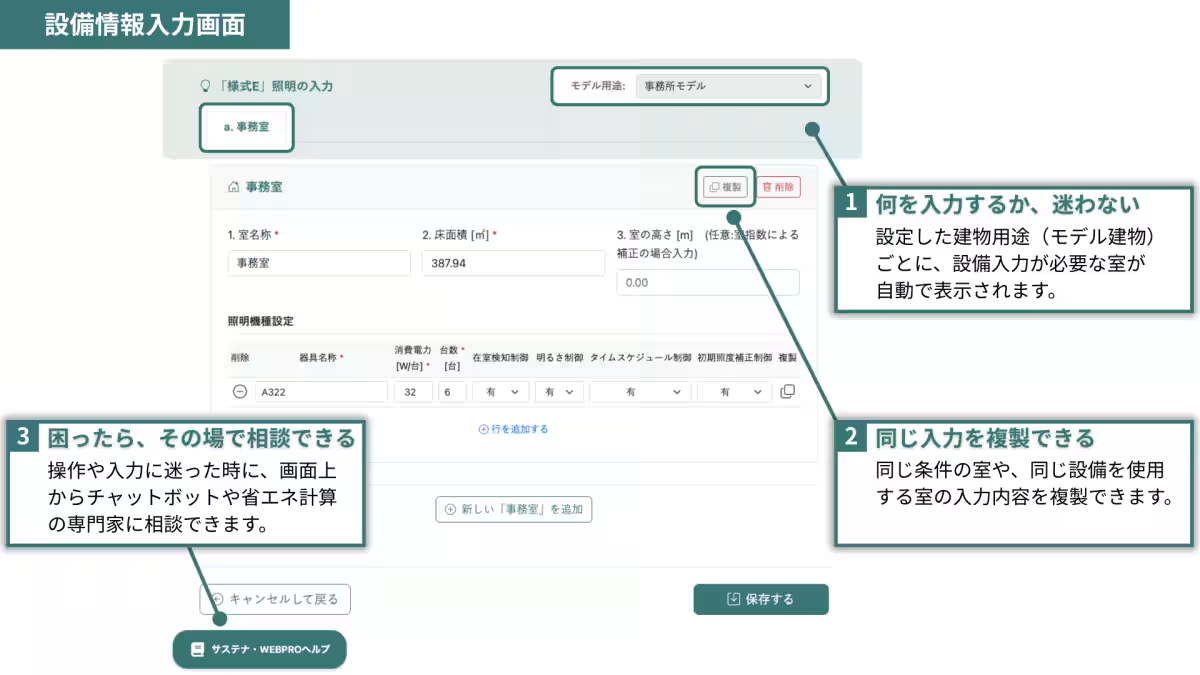
Designers can now use the web service to directly input and modify frequently used equipment formats (Form C to G), including air conditioning, ventilation, lighting, and elevators, in the web browser. This real-time interfacing allows immediate feedback regarding energy performance impacts as specification changes are made.
2. Real-Time Calculation of Integrated BEIm
By merging envelope performance data (BPIm) with system specifications, the platform immediately calculates primary energy consumption (BEIm). This provides users quantitative insights into compliance status with each design proposal from an early stage.
Note: Future updates planned for February 2026 will include additional system types, like air conditioning pumps and solar power equipment.
Distinct Features of the Free Non-Residential Energy Assessment Web Service
This unique service supports energy efficiency calculations for non-residential buildings at no cost and requires no specialized knowledge in energy management or Building Information Modeling (BIM). Users can easily generate energy performance simulations by simply entering building data, preparing necessary Excel files for compliance submissions effortlessly.
Feature 1: Unlimited Project Creation
Users can freely create multiple projects and perform as many calculations as needed without any performance limits, thereby allowing for extensive comparison and specification adjustments throughout design phases.
Feature 2: Fully Web-Based with Updated Standards
No software purchases or installations are required. As long as users have internet access, they can utilize the platform, which automatically adapts to legal and regulatory changes efficiently, eliminating the hassle of managing separate files for different design proposals.
Feature 3: Easy Inputs for Detailed Assessments
The input interface is designed to guide users through the energy calculation process, ensuring even beginners can operate effectively. Users can select materials from leading manufacturers, allowing them to simulate performance based on real-world product data.
Feature 4: Team Collaboration and Resource Sharing
The invitation feature enables easy collaboration among project team members and external partners, promoting efficient review processes and division of tasks.
New Features and Demonstrations
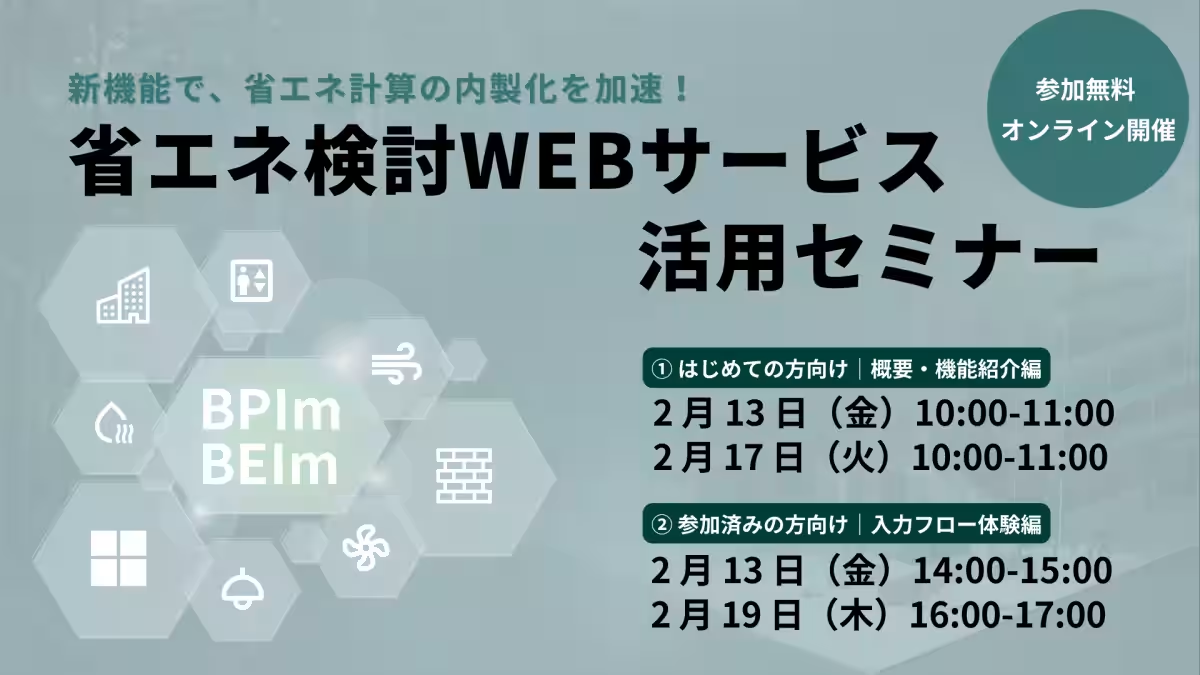
An online seminar introducing the latest features of the energy assessment web service is being offered. Two sessions are available: one for newcomers aiming to understand the service's overview and functions, and another for users who have participated in earlier sessions to experience the input flow firsthand.
- - Overview Session: February 13 and 17, 2026
- - Input Flow Session: February 13 and 19, 2026
Future Expansion Plans
By the end of February 2026, the service plans to integrate compatibility for additional system types to provide a more comprehensive service that supports everything from initial design to preparation for submissions. One Building aims to enhance collaboration with building material and system manufacturers to ensure that all designers can easily evaluate building performance.
The service marks a significant advancement in making energy efficiency exploration more accessible and manageable for design professionals.
For more information about the non-residential energy assessment web service, visit: Web Service Details


Topics Consumer Technology)
【About Using Articles】
You can freely use the title and article content by linking to the page where the article is posted.
※ Images cannot be used.
【About Links】
Links are free to use.