




Travel Trends Forecast for Japan in 2026: Insights and Predictions
Travel Trends Forecast for Japan in 2026
As we approach 2026, JTB has compiled an extensive forecast detailing the travel dynamics expected throughout the year. This analysis draws from various economic indicators, consumer behavior surveys, and tourism-related data collected continuously since 1981. Here’s what we can expect for both domestic and international travel in Japan.
Overview of Travel Trends
Total Travelers
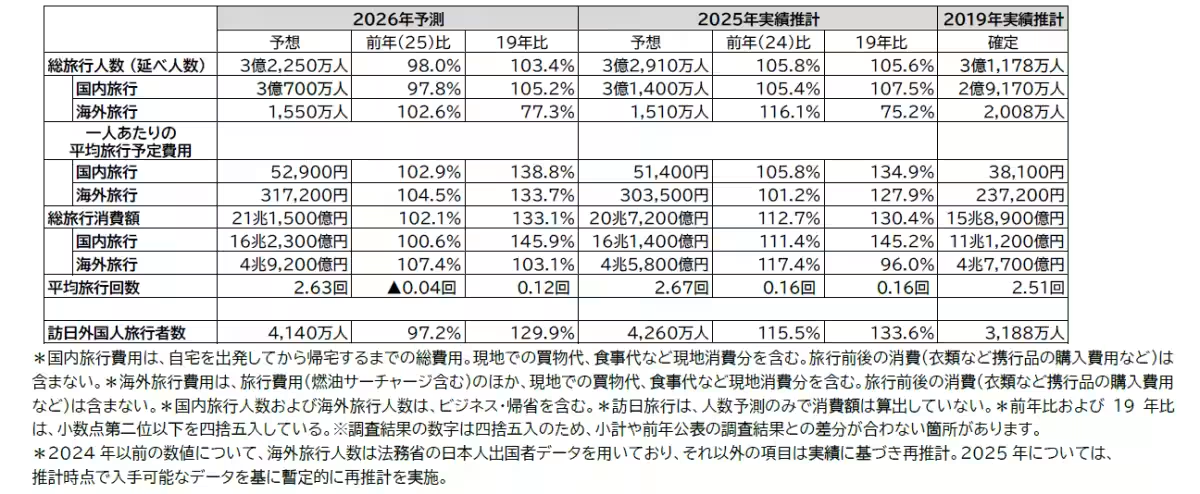
In 2026, it is projected that Japanese citizens will make a total of approximately 322.5 million trips, which reflects a slight decrease of 2% compared to the previous year. The trends provide insights into the differing dynamics of domestic and international travel.
1. Domestic Travel:
- Expected travelers: 307 million
- Average spending per trip: ¥ 52,900
- Total domestic travel expenses: ¥ 16.23 trillion
2. International Travel:
- Expected travelers: 15.5 million
- Average spending per trip: ¥ 317,200
- Total international travel expenses: ¥ 4.92 trillion
3. Inbound Travel:
- Expected visitors to Japan: 41.4 million, a decline of 2.8% from the previous year.
Domestic Travel Insights
In 2026, domestic travel costs are projected to rise due to ongoing price increases in accommodation and other travel-related expenses. Despite a stable number of travelers, overall spending will see a minor increase as higher costs offset the volume. Surveys indicate that the rise in prices is primarily due to fluctuations in economic conditions and inflation.
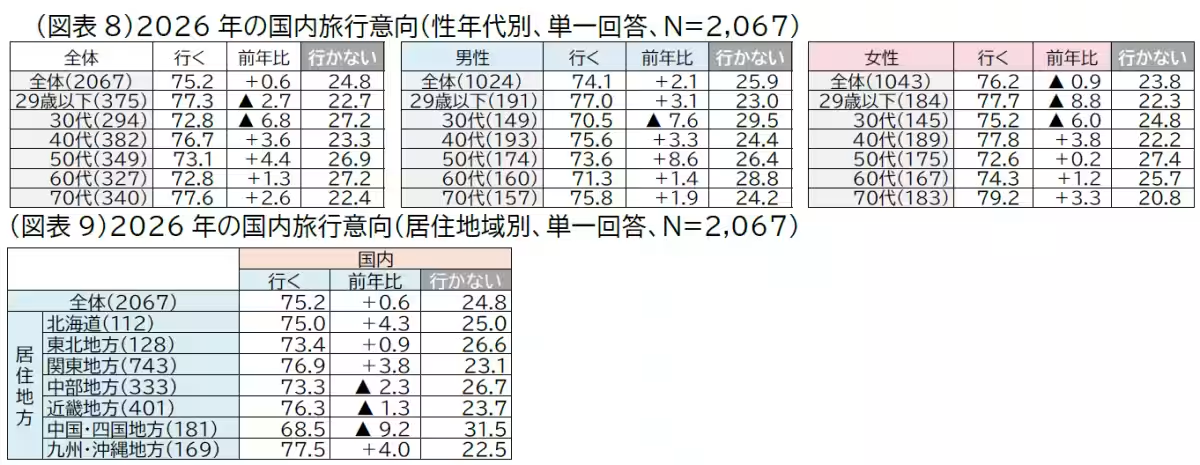
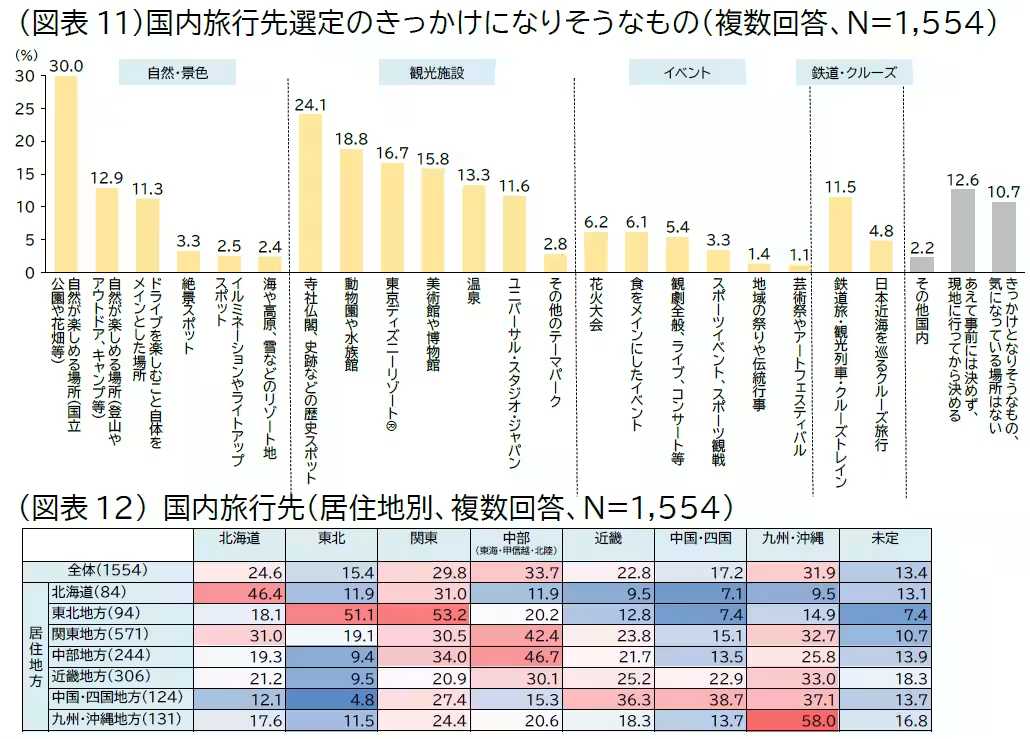
For those partaking in domestic travel, key motivators include a desire to experience natural beauty, cultural sites, and historical landmarks. Popular travel regions will likely be centered around Kyushu, Kanto, and Kinki, reflecting consistent preferences over the years.
International Travel Insights
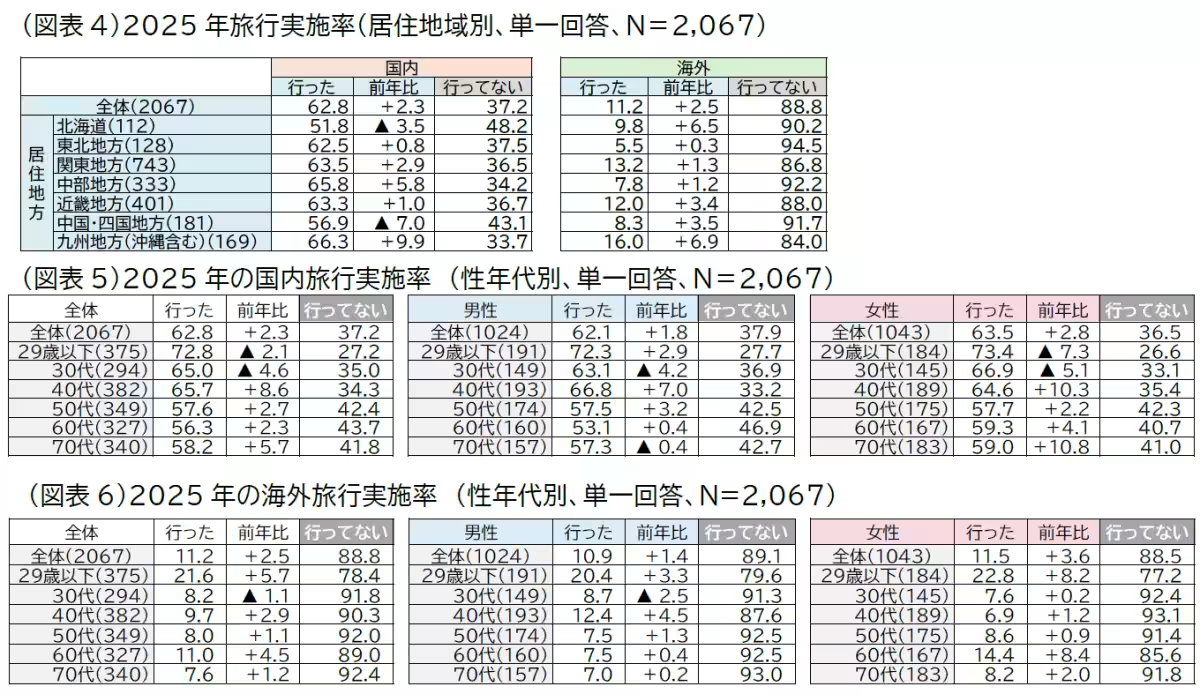
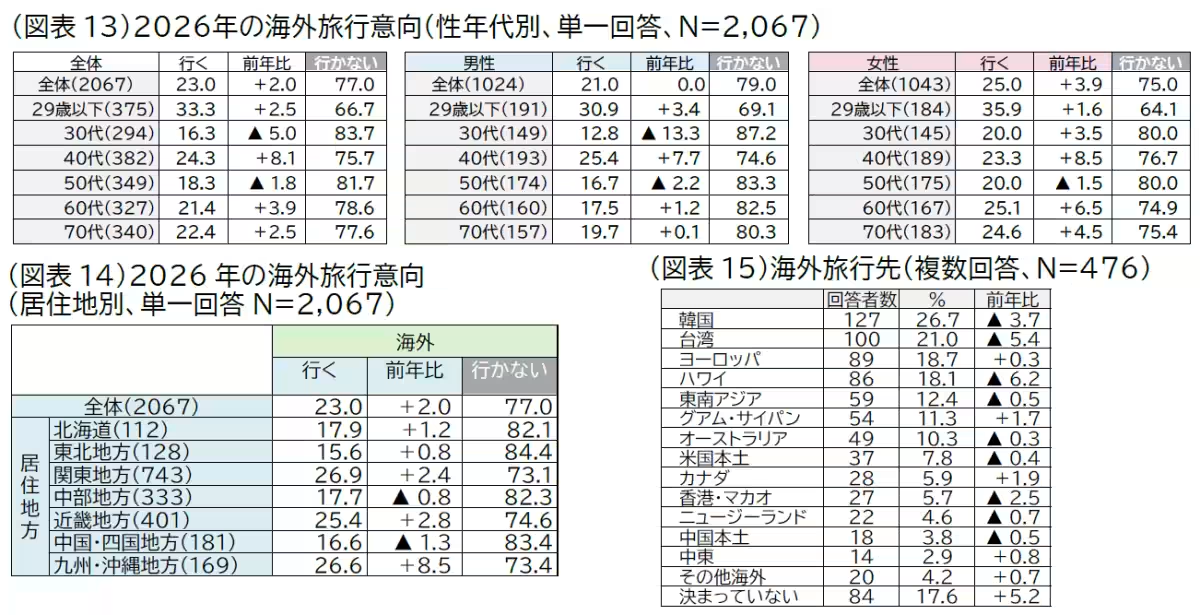
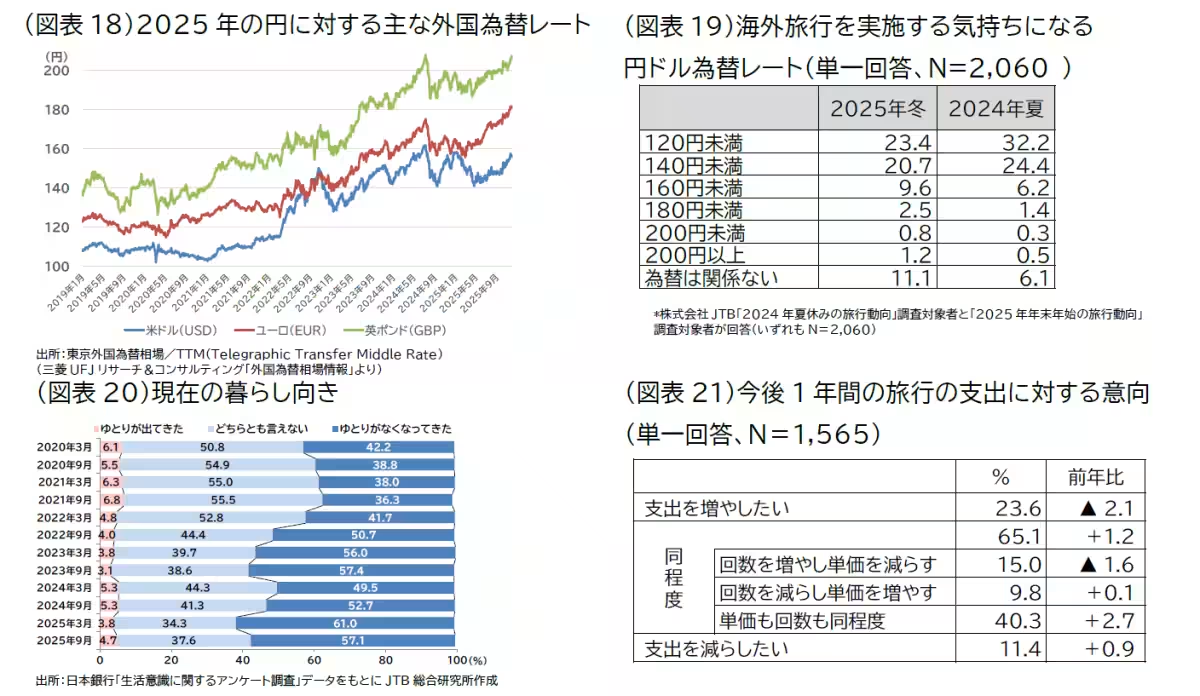
The trajectory of international travel for 2026 shows a gradual recovery with travelers increasingly adapting to the ongoing economic climate influenced by currency fluctuations and global tensions. Notably, approximately 23% of survey respondents expressed intentions to travel abroad, driven particularly by young adults (under 29), showing significantly high interest in destinations like South Korea and Taiwan.
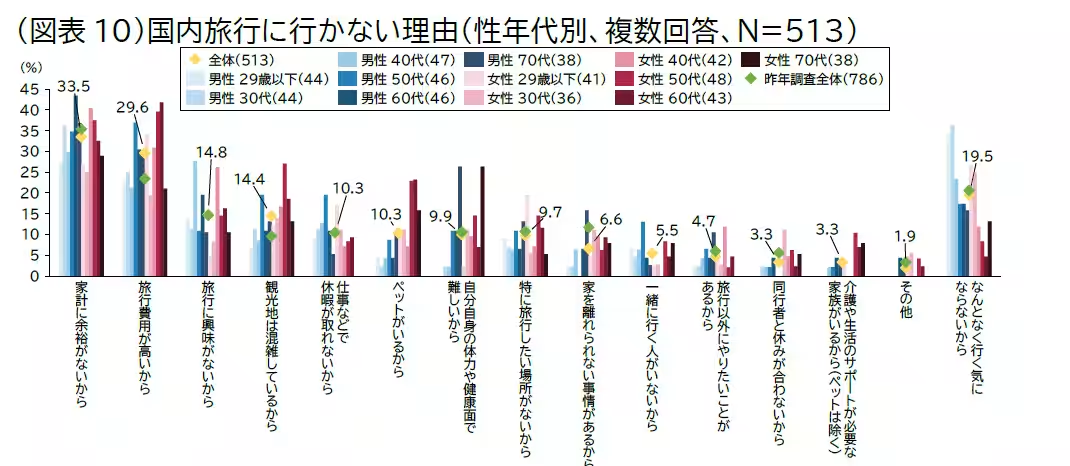
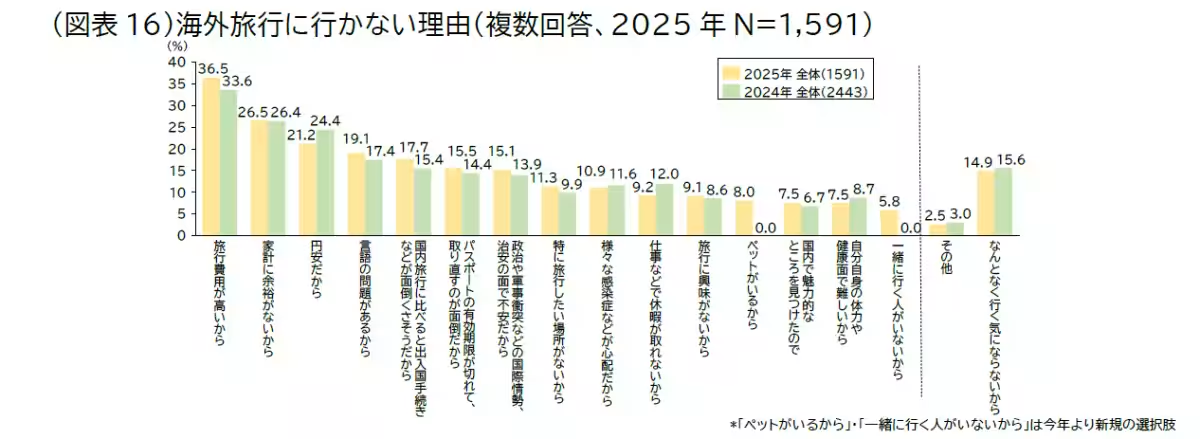
However, financial constraints continue to be a leading reason deterring travel, with roughly 77% of individuals expressing intent to avoid international trips, primarily due to high travel costs and economic instability.
Economic Considerations
Looking at the larger economic landscape, research indicates that Japan’s GDP growth rate is anticipated to hover around 0.7% to 0.9% in 2026. Factors contributing to this growth include stable consumer spending and continued investments in tourism sectors. Despite challenges such as increasing costs and labor shortages, the outlook remains cautiously optimistic as the economy steadily recovers from previous downturns.
Anticipated Economic Impact on Travel
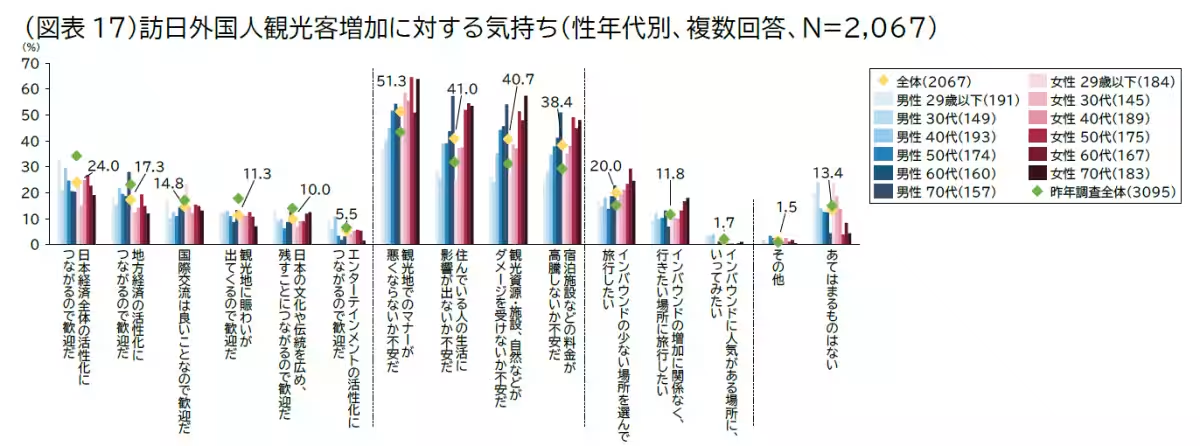
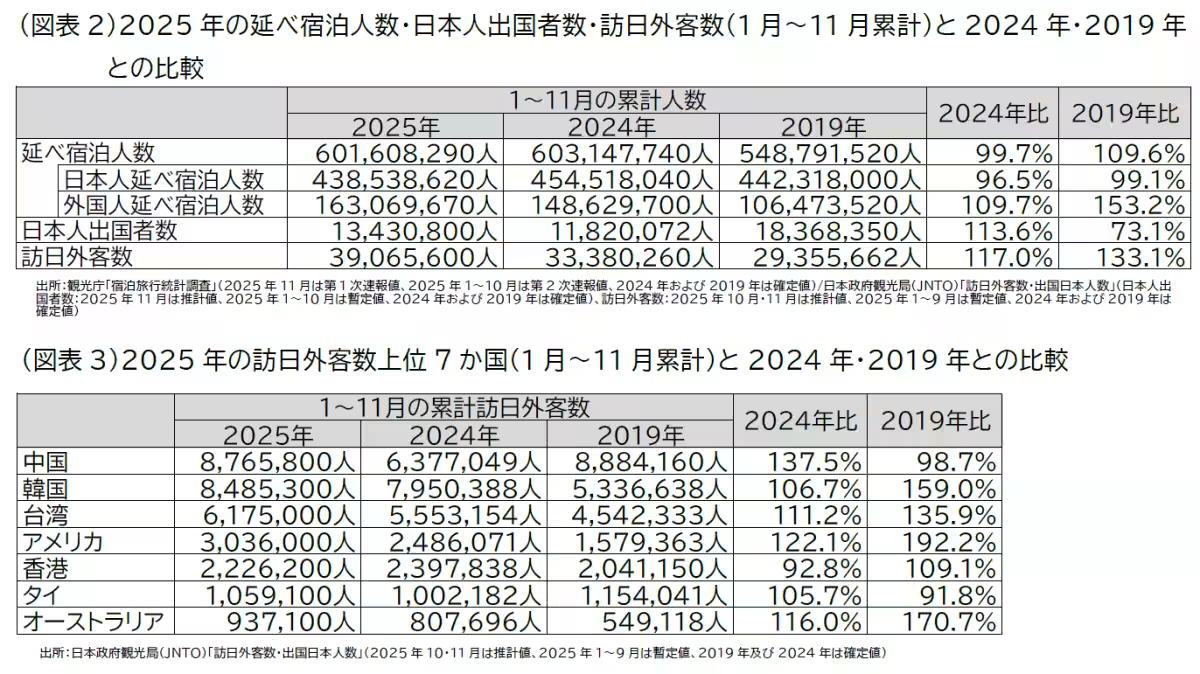
With foreign tourist numbers projected to decline primarily due to reduced demand from China and Hong Kong, Japan might see a resurgence in growth attributed to increased income levels in other international markets and a stable domestic economy. This adjustment may enhance the overall perception of travel to Japan. Survey responses indicate that while increased visitor numbers are welcomed by younger generations, there are palpable concerns among senior citizens over potential disruptions to local lifestyles and cultural integrity.
Upcoming Events Shaping Travel
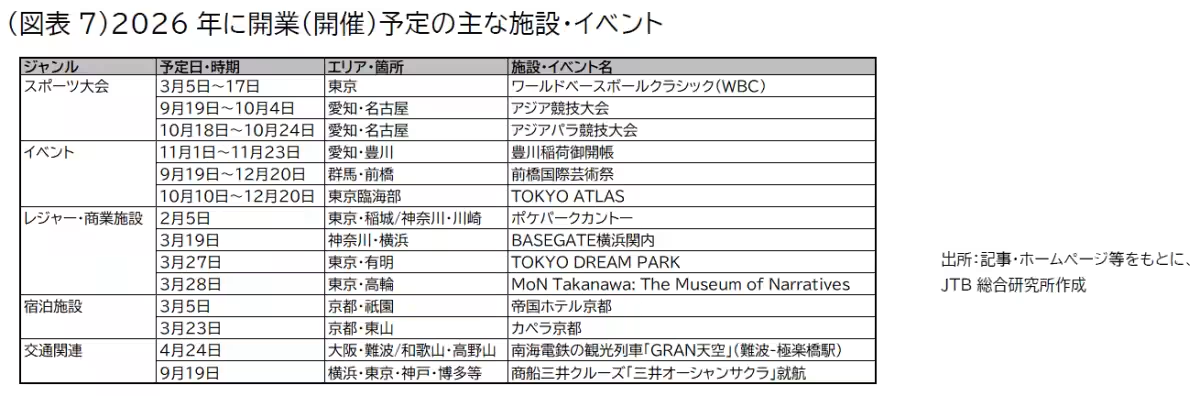
In terms of major events affecting travel in 2026, Japan is set to host widely recognized events including the World Baseball Classic and various artistic festivals, likely drawing significant attention from both domestic and international spectrums. Additionally, annalgoz celebrates the 25th anniversary of iconic attractions such as Tokyo Disneyland and Universal Studios Japan.
Conclusion
As indicated by this forecast, the travel dynamics in Japan for 2026 promise to be shaped by economic influences, evolving consumer behavior, and significant events, setting the stage for a year of gradual recovery and adaptation in the travel sector. Continuous monitoring and engagement with travelers will be crucial in navigating these changes effectively.


Topics Travel)
【About Using Articles】
You can freely use the title and article content by linking to the page where the article is posted.
※ Images cannot be used.
【About Links】
Links are free to use.