



Understanding Senior Health Management: Insights from Cosmos Lab Survey
Insights into Senior Health Management
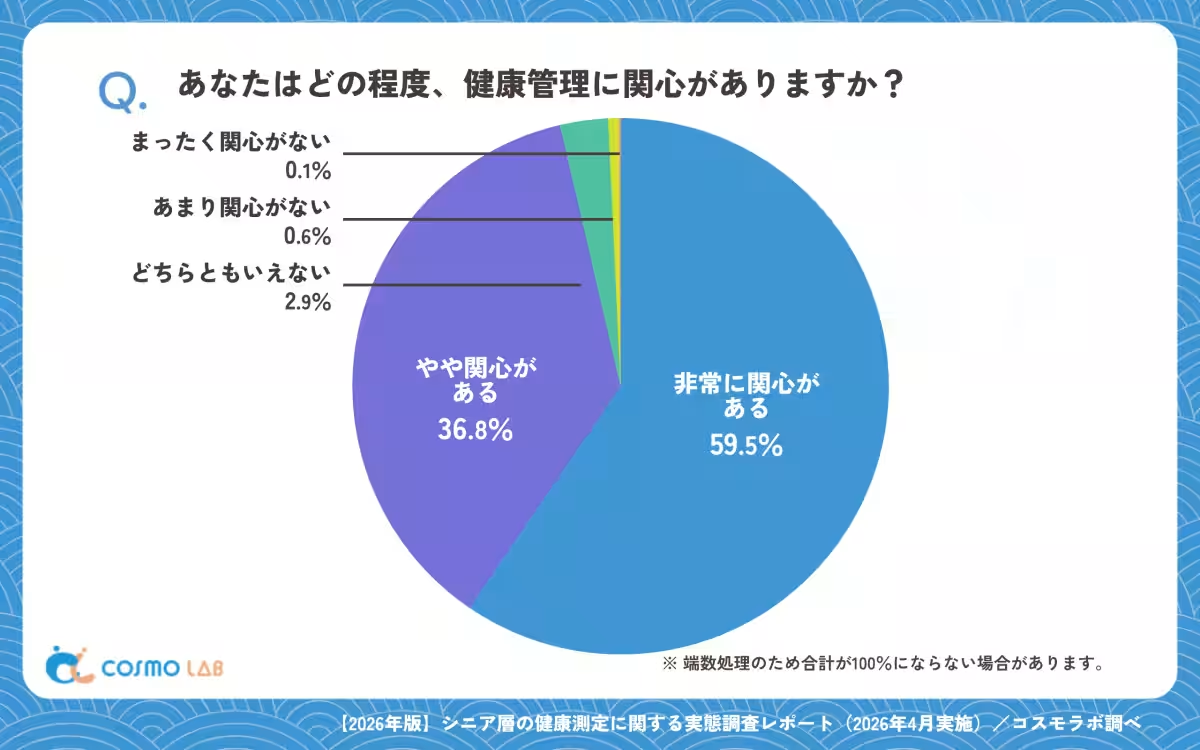
In a recent survey conducted by Cosmos Lab, healthy management perceptions among seniors were examined. This report covers the attitudes of seniors aged 50 and older concerning health monitoring and highlights an impressive 90% of respondents expressing significant concern for their health management.
High Awareness with Deep Concerns
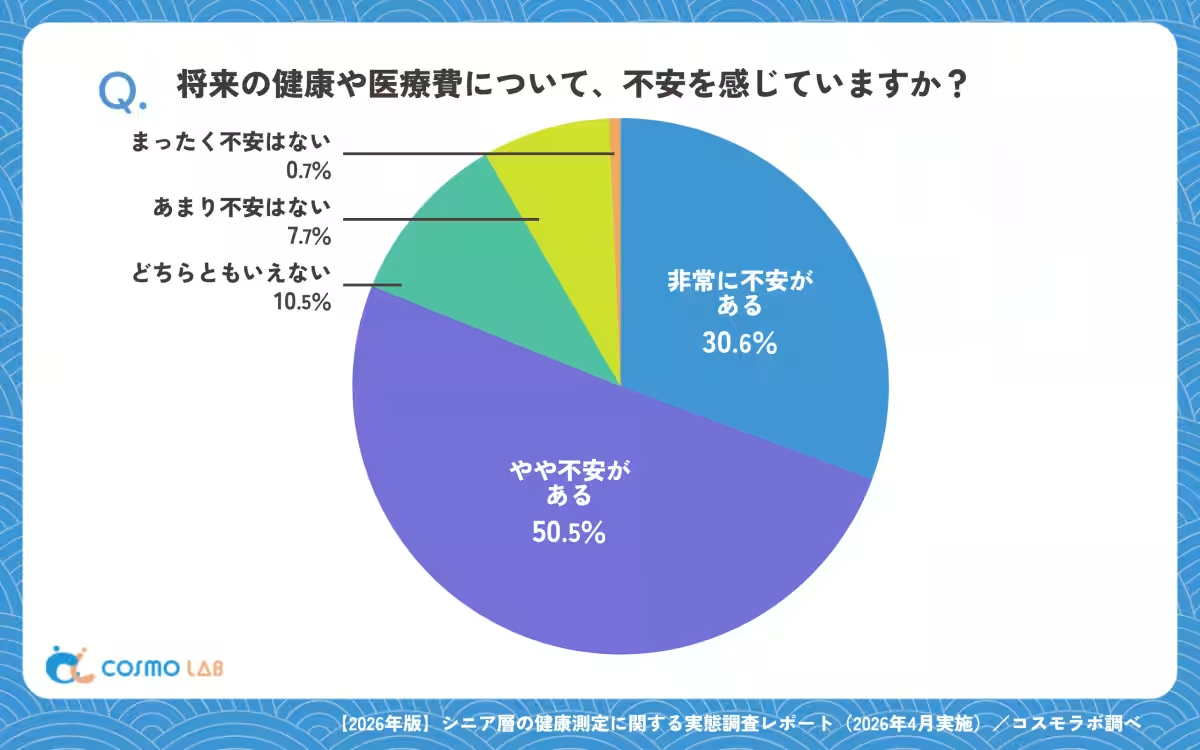
The survey reveals that a combined total of 96% said they are either "very concerned" (59.5%) or "somewhat concerned" (36.8%) about their health. Furthermore, over 80% express anxiety regarding future health and medical expenses, with 30.6% categorizing themselves as "very anxious."
This acute awareness isn't merely a reflection of health trends but underscores a real concern for potential declines in physical health and financial burdens associated with healthcare. The findings emphasize a pressing need for preventive measures and early detection strategies among the aging population.
Measurement Habits: Routine, But Lacking in Data Management
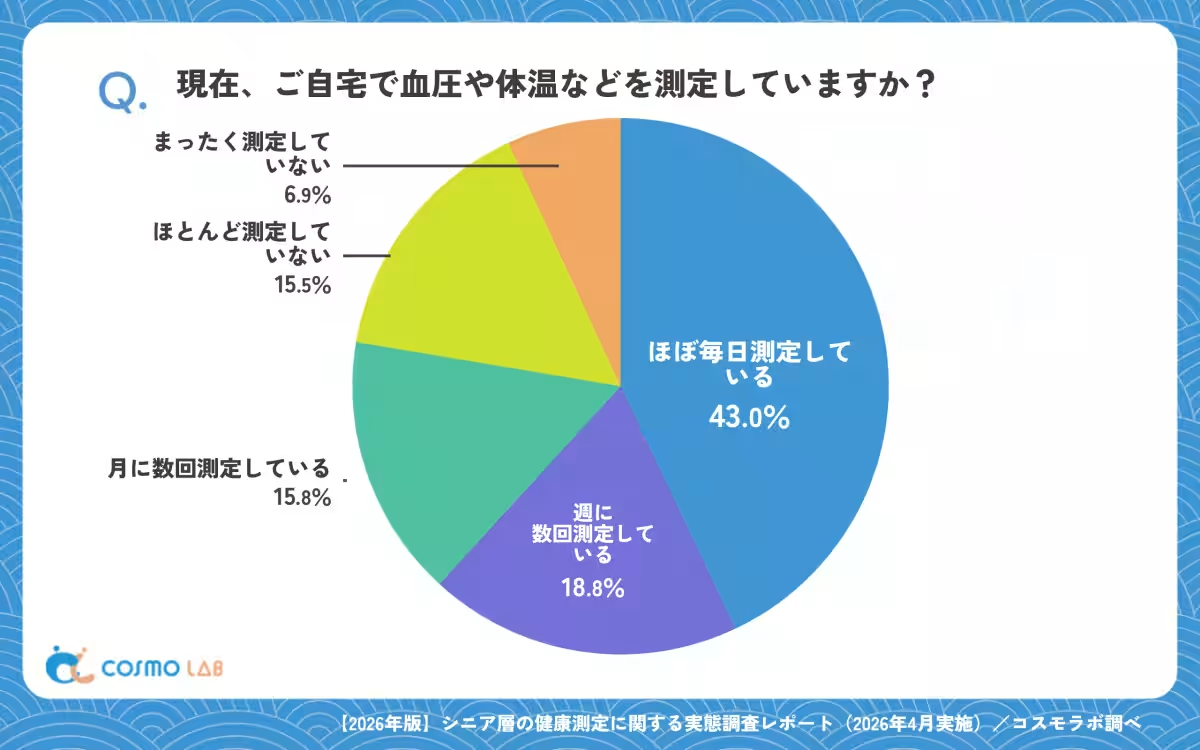
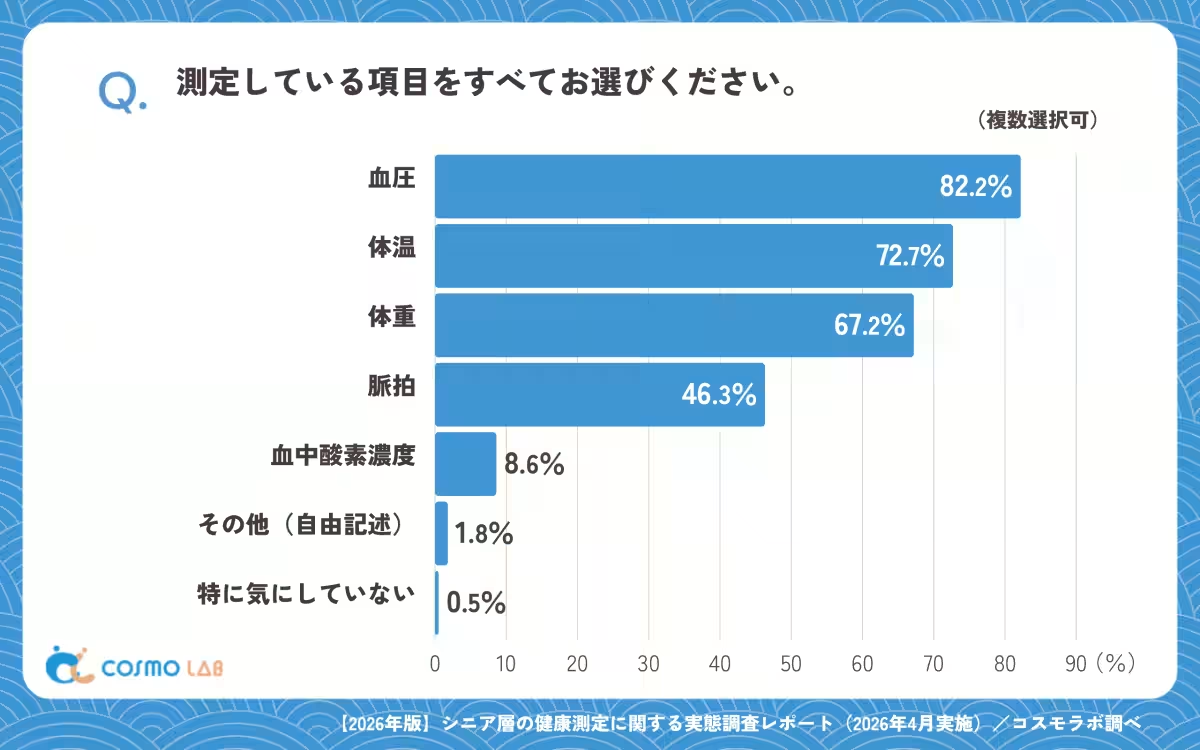
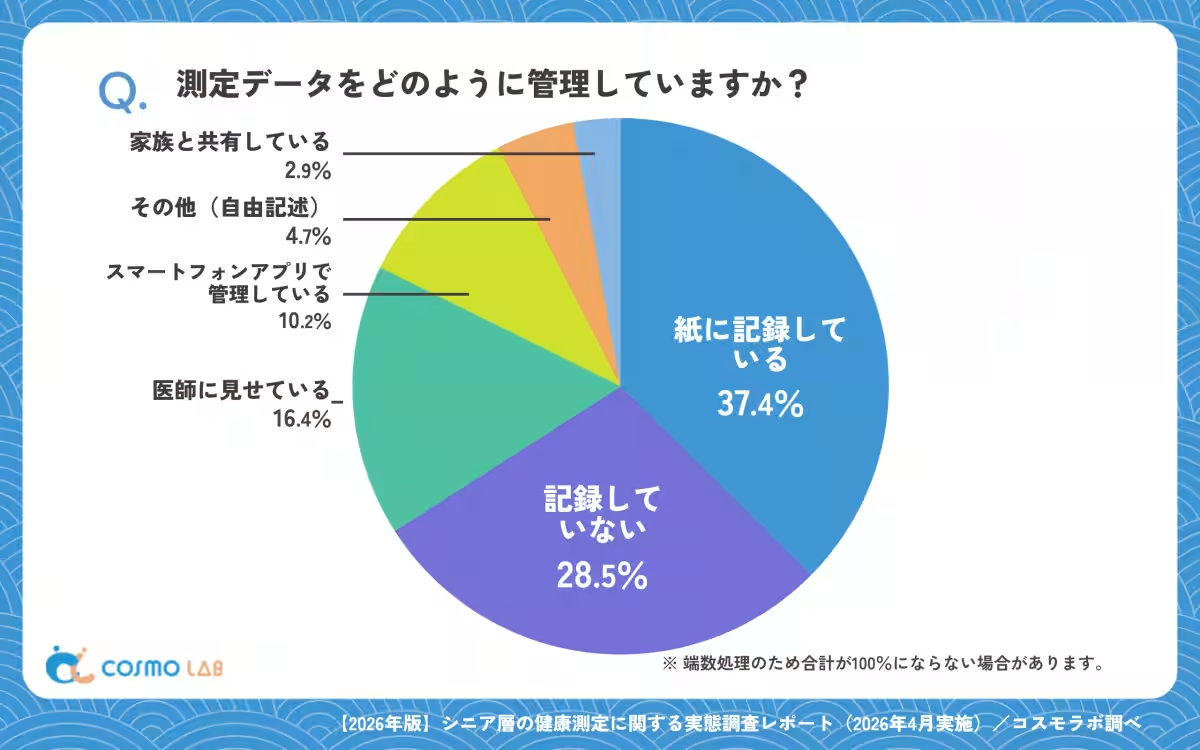
The survey reported that 43% of seniors measure their health indicators daily, focusing on metrics like blood pressure (82.2%), body temperature (72.7%), and weight (67.2%). Despite this positive practice of self-monitoring, the actual management of this data reveals noticeable gaps. 37.4% of participants indicated they still record this information on paper, while 28.5% don't maintain records at all, indicating that digital methods of data management remain underutilized.
The emerging trend suggests strong engagement in health measurement, while the comprehensive utilization of this data remains a challenge. There's a significant disparity between monitoring health indicators and taking actionable steps based on the tracked data.
Future Preferences: Simple, Reliable Tools
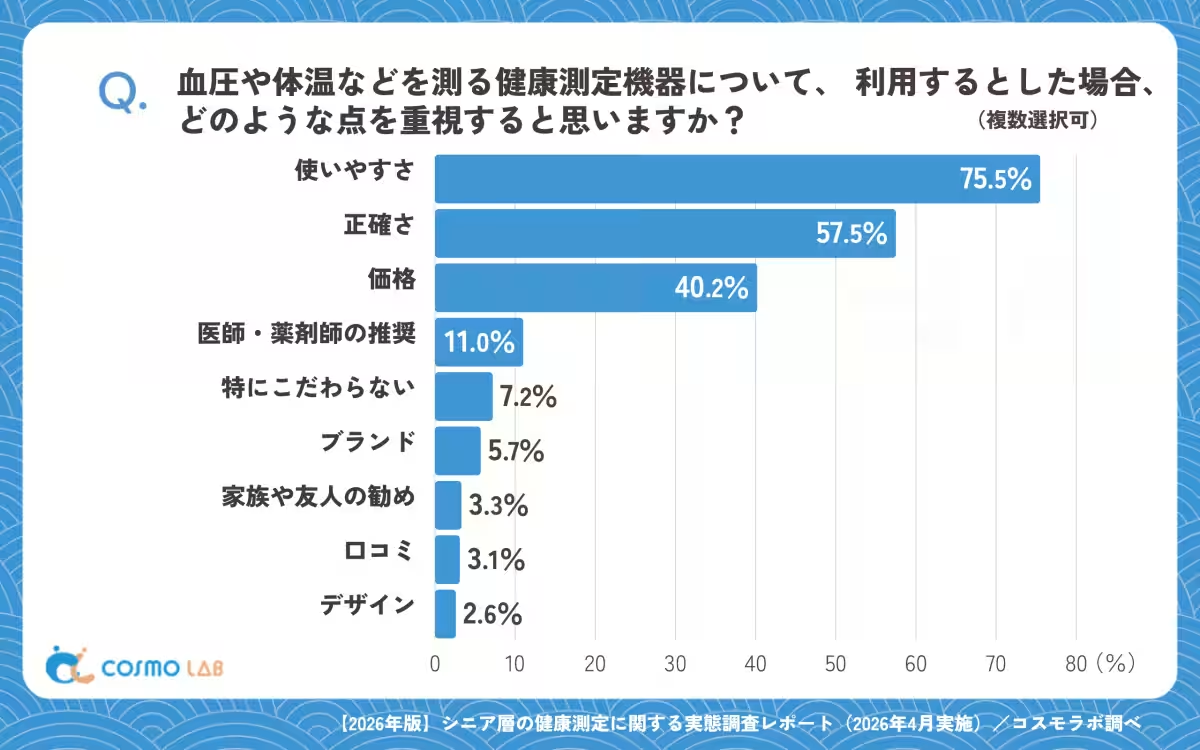
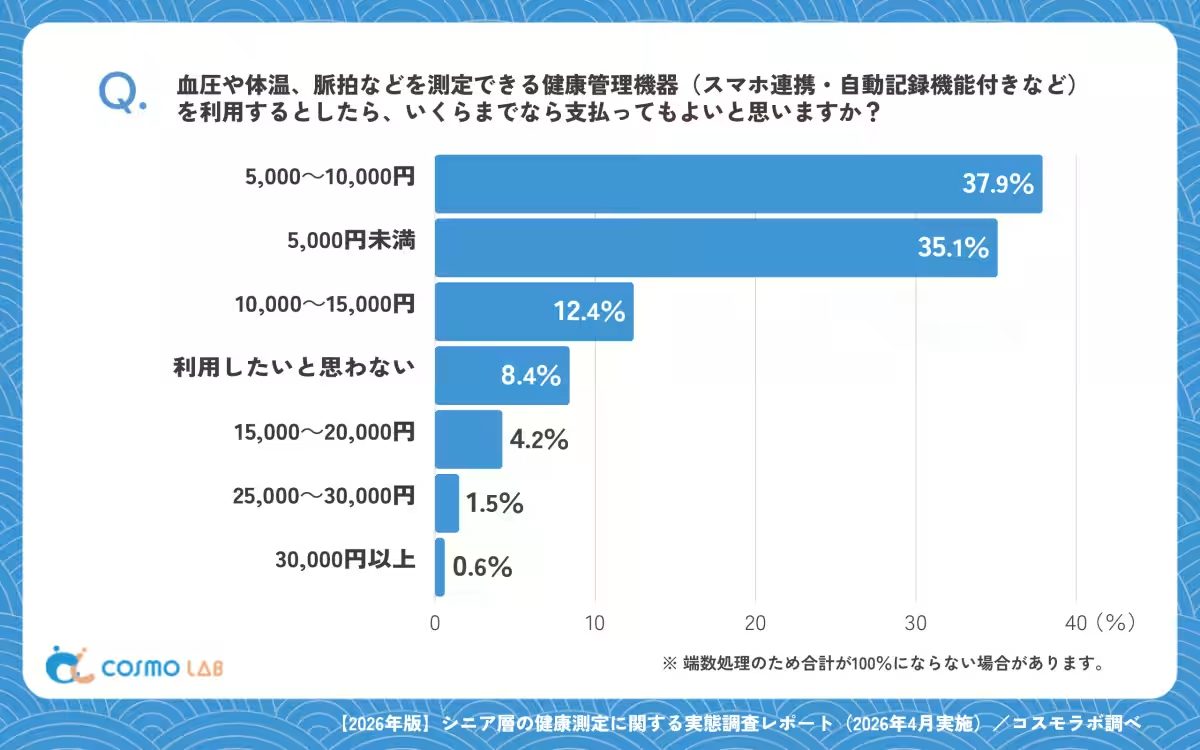
When asked what they prioritize in health-monitoring devices, usability topped the list (75.5%), followed closely by accuracy (57.5%) and price (40.2%). The response indicates a strong preference for products that are straightforward to use and trustworthy rather than those that possess advanced features yet remain complex.
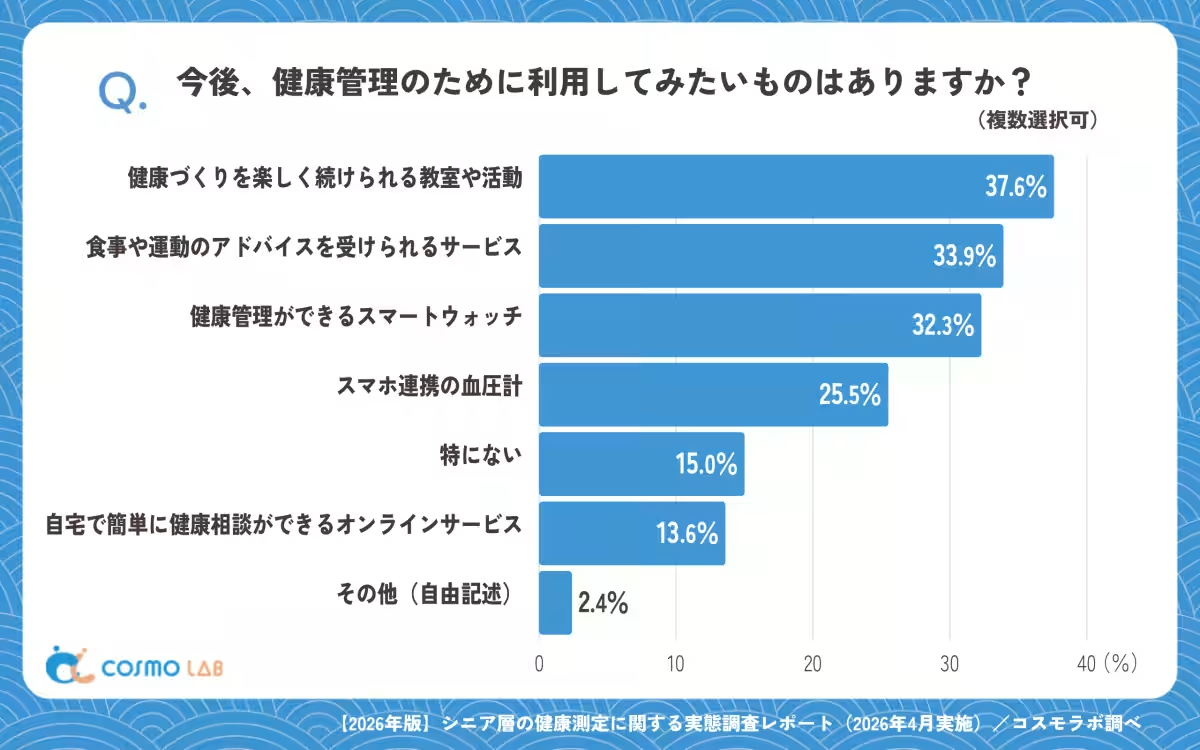
Moreover, 37.6% of respondents showed interest in engaging in enjoyable health-building classes or activities, while 33.9% expressed a desire for services offering nutrition and exercise advice. Clearly, there is a demand for services that simplify health management and motivate ongoing participation.
Barriers to Measurement: Convenience Matters
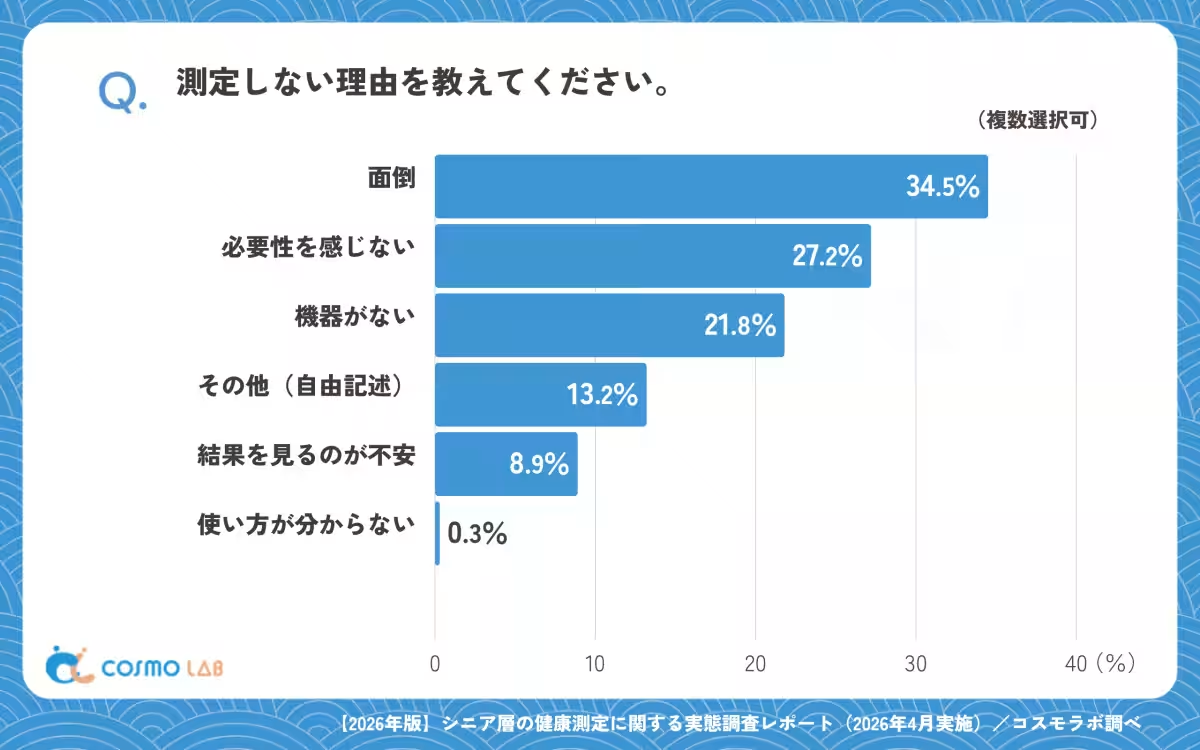
Interestingly, the survey also revealed major reasons seniors avoid health measurements, with "convenience" issues looming large (34.5%), followed by a lack of perceived necessity (27.2%) and unavailability of required devices (21.8%). There's also concern among a minority regarding negative outcomes from the measurements (8.9%).
Encouraging Engagement
The survey suggests that making health monitoring easier and integrating it into everyday life can substantially increase utilization among seniors. It encompasses not just a health-oriented tool but also an ecosystem of support to facilitate engagement.
Conclusion: Bridging the Gap
In summary, this survey from Cosmos Lab clearly indicates a potent interest among seniors in health management and monitoring, along with a significant understanding of health risks. Although the routine of measurement is in place, the effective application of such data is lacking. Therefore, as we move forward, creating solutions that promote ease of use and reasonable pricing will be pivotal in encouraging greater health engagement among seniors. Continuous support structures, such as enjoyable community initiatives or smart lifestyle instruments, will foster a health-conscious culture and today’s active aging demographic.
For further readings and past reports, visit the Cosmos Lab website.
Topics Consumer Products & Retail)
【About Using Articles】
You can freely use the title and article content by linking to the page where the article is posted.
※ Images cannot be used.
【About Links】
Links are free to use.