



An In-Depth Look at Hyperhidrosis and Its Treatment Options in Japan
Introduction
Hyperhidrosis, also known as excessive sweating, affects approximately 5% of the Japanese population. Recent research conducted by IC Clinic, focusing on this health issue, has unveiled striking statistics regarding its impact on daily life and the awareness of treatment options.
Survey Findings
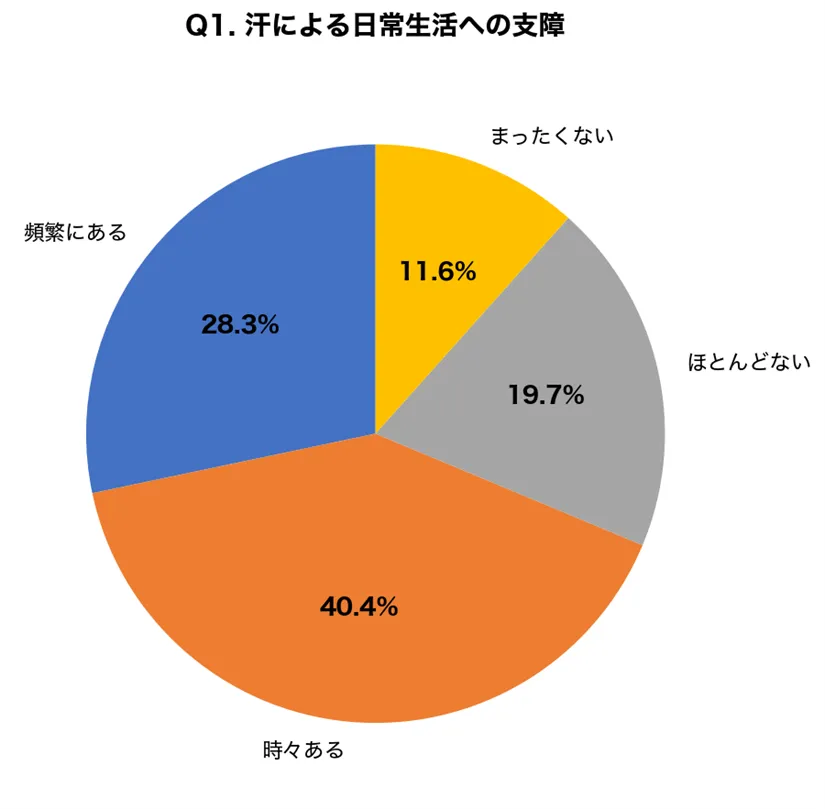
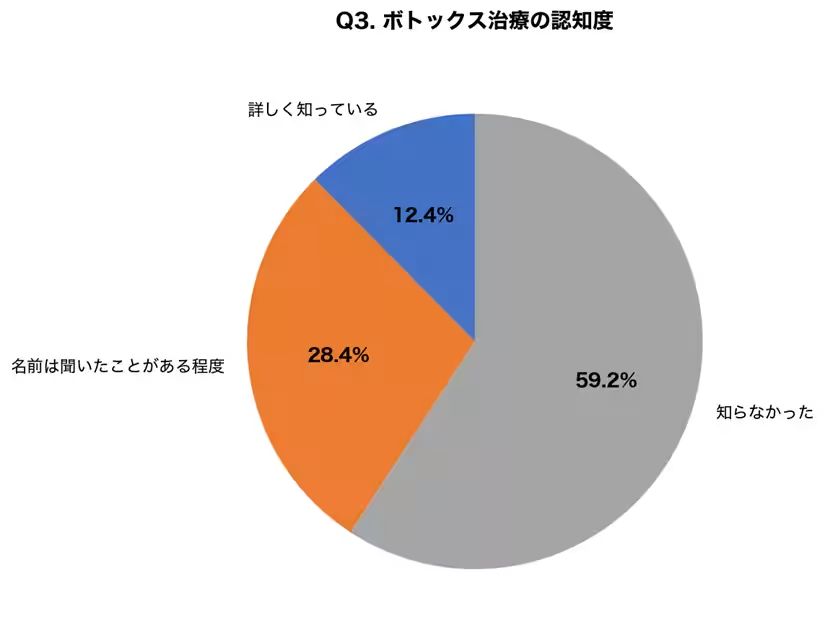
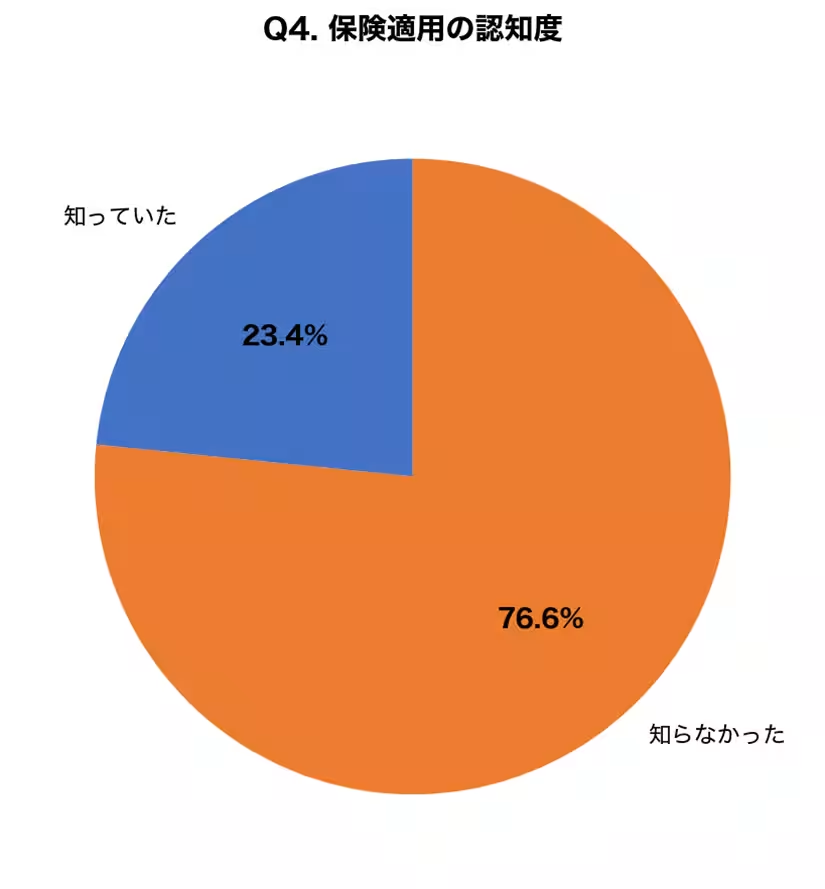
The survey, targeting individuals between their 20s and 50s, indicated that 68.7% of respondents had experienced disruptions in their daily activities due to excessive sweating from their hands, feet, or armpits. This highlights how hyperhidrosis significantly affects quality of life (QOL), elevating it beyond a mere nuisance to a serious health concern. Most notably, 59.2% of the respondents indicated they were unaware of Botox as a treatment option for this condition. Only 23.4% knew that treatments for axillary hyperhidrosis could be covered by health insurance.
Understanding Hyperhidrosis
Hyperhidrosis is classified into primary localized hyperhidrosis, which occurs in specific areas like the palms, soles, and armpits, and secondary generalized hyperhidrosis, where sweating occurs throughout the body. Individuals suffering from primary localized hyperhidrosis often experience psychological stress due to the stigma surrounding sweating, making it difficult to seek help.
Botox Treatment
Botox treatment, involving injections of botulinum toxin type A, inhibits the release of acetylcholine—a neurotransmitter responsible for activating sweat glands. While Botox for axillary hyperhidrosis is eligible for health insurance coverage in Japan, treatments for sweating in the hands and feet remain out-of-pocket expenses. The effects of a single Botox treatment can last from four to six months, making it a practical option for many.
Other Treatment Options
Aside from Botox, iontophoresis is another recommended treatment, utilizing mild electrical currents to suppress sweat gland activity, particularly effective for sweating in hands and feet. The treatment is also endorsed by the Japanese Dermatological Association, allowing for insurance coverage.
Comparative Analysis of Treatments
The survey also highlighted various treatment modalities:
| Treatment Method | Insurance Coverage | Estimated Cost | Duration of Effect | Downtime | Scar | Treatment Time |
|---|---|---|---|---|---|---|
| ------ | ---- | ----- | ----- | ---- | ---- | ------ |
| Botox Injection | Yes (only axilla) | Approx. 20,000-30,000 JPY | 4-6 months | Minimal | Needle marks | 15-30 min |
| MiraDry | No (self-payment) | Approx. 300,000-400,000 JPY | Permanent | 2-3 days | None | ~1 hour |
| Surgical Method (e.g., excision) | Yes | Approx. 40,000-50,000 JPY | Permanent | 1-2 weeks | 3-4 cm scars | 1.5-2 hours |
Awareness Challenges
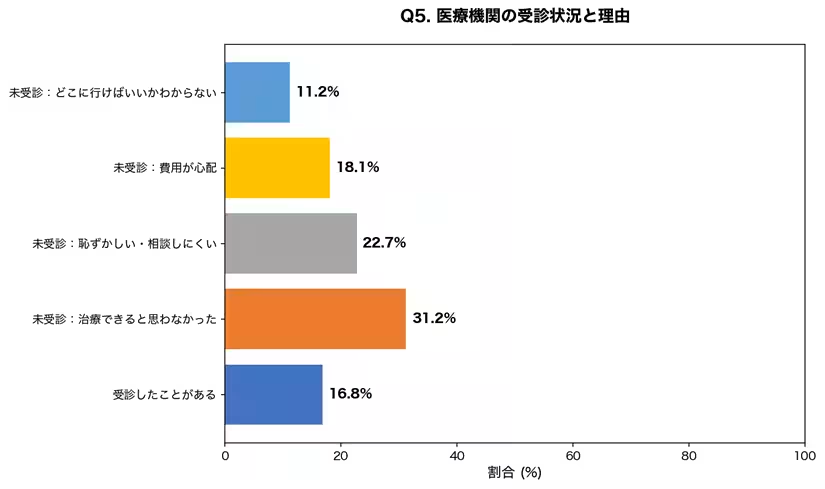
Although awareness of hyperhidrosis and available treatments is crucial, the survey revealed that nearly 83.2% of participants had not sought medical help for their condition, primarily due to the lack of knowledge about available solutions. Misconceptions regarding treatment feasibility hinder many from exploring medical help, emphasizing the need for better education on this topic.
Recommendations for Treatment
The consensus among dermatologists and specialists is that hyperhidrosis is not simply a matter of personal discomfort but a condition that can be medically treated. Patients experiencing significant sweating issues should consider consulting a dermatologist or plastic surgeon familiar with hyperhidrosis treatments.
Conclusion
Hyperhidrosis poses serious challenges to those afflicted, impacting their social interactions and daily routines. Raised awareness about effective treatments such as Botox and the possibility of insurance coverage can empower individuals to seek help and improve their quality of life. The potential for significant reduction in sweating and enhancement of overall well-being through timely intervention highlights the importance of addressing this condition adequately.
Professional Commentary
Dr. Kota Takakuwa, a leading expert in skin disorders at IC Clinic, emphasizes the need for increased awareness and accessibility of information regarding hyperhidrosis treatments. Understanding that effective therapies can alleviate the burdens of excessive sweating is key to encouraging patients to seek necessary care.
Topics Health)
【About Using Articles】
You can freely use the title and article content by linking to the page where the article is posted.
※ Images cannot be used.
【About Links】
Links are free to use.