




Revealing Lifestyle Trends of Japan's Emerging Affluent Class
An Insight into Japan's Active Luxury Class
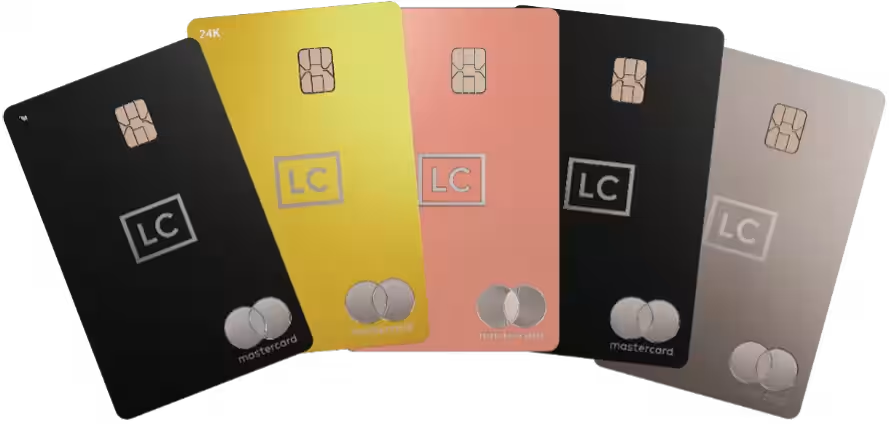
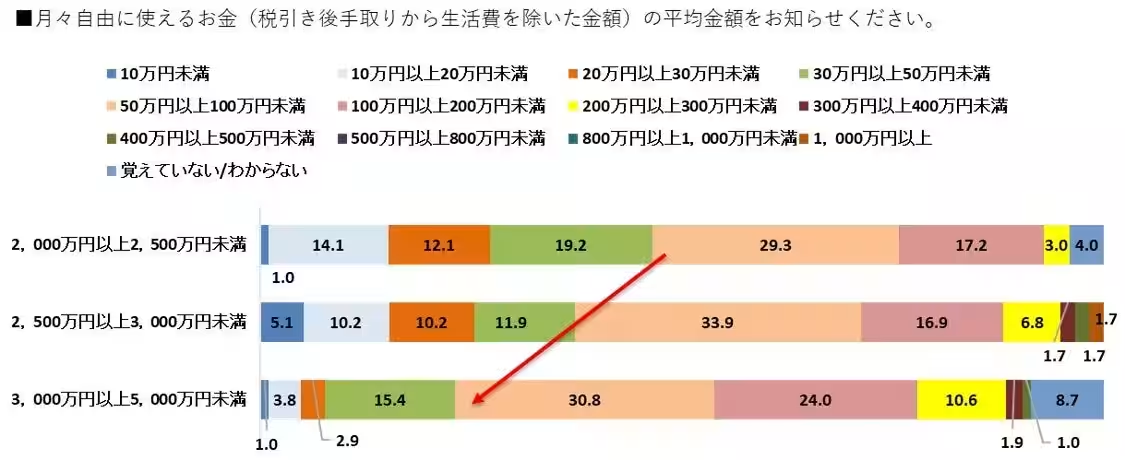
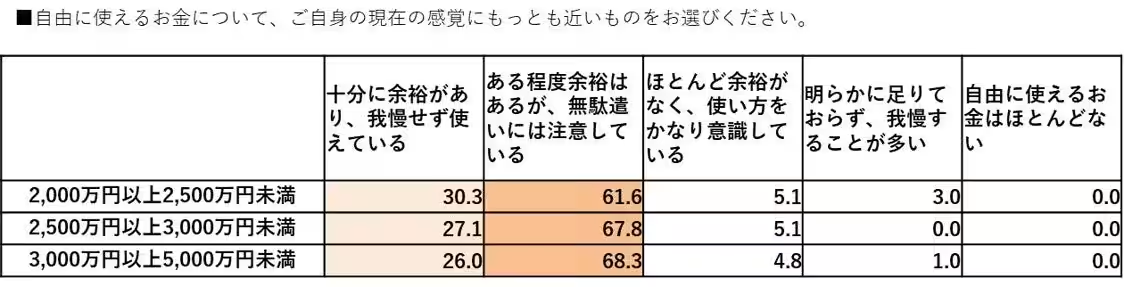
In recent years, there has been a notable shift in consumer behavior among Japan's emerging affluent class, particularly among individuals earning between ¥20 million and ¥50 million annually. A study conducted by Luxury Card, a premium credit card brand that proudly introduced Mastercard®'s elite 'World Elite' in Japan, has unveiled key patterns reflecting these behavioral changes. This article explores the findings of their latest lifestyle survey, which focused on members with disposable incomes of around ¥1 million annually, shedding light on two significant income thresholds: ¥20 million and ¥30 million.
Breakdown of Wealth Segments
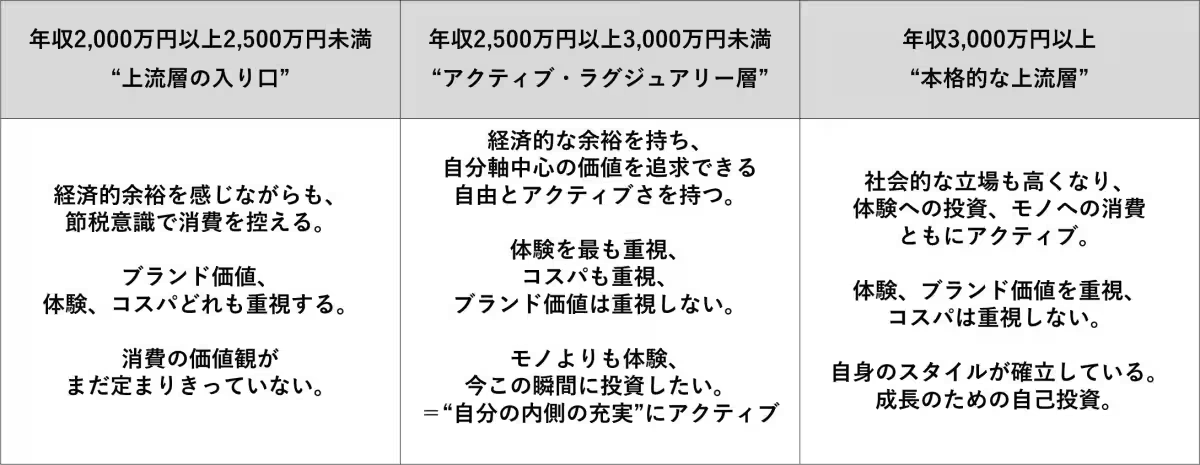
The survey groups individuals into three categories according to their annual income:
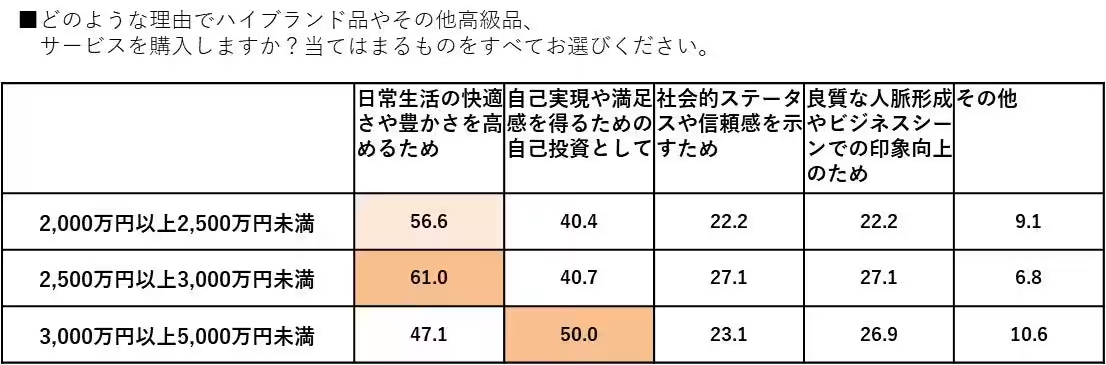
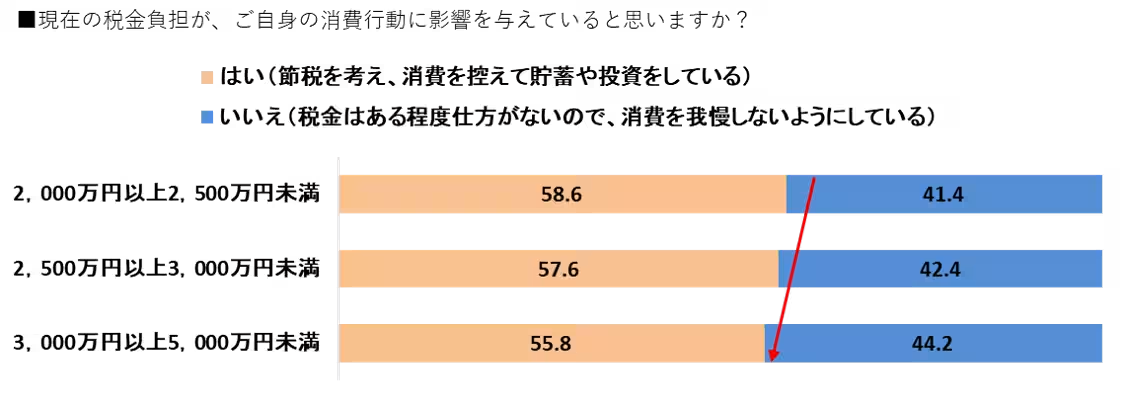
1. Entrance to Affluence (¥20 million - ¥25 million): Those in this group enjoy a comfortable lifestyle but are still cautious about spending due to tax considerations.
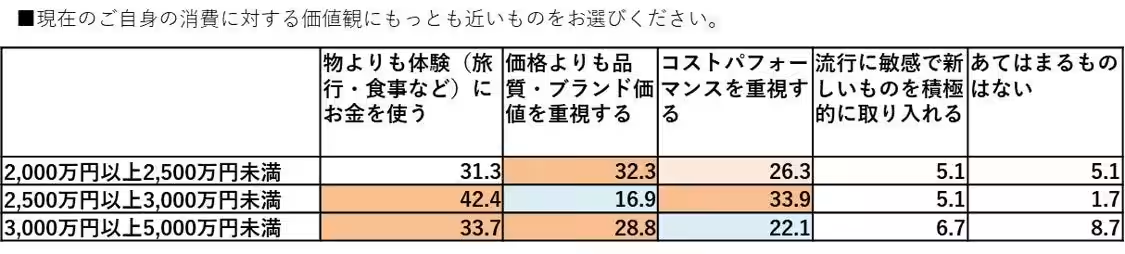
2. Active Luxury Class (¥25 million - ¥30 million): This group actively invests in experiences and relationships, preferring travel and personal growth over material possessions.
3. Established Affluence (¥30 million and above): Members here show more willingness to spend on luxury items while continuing to prioritize quality experiences.
The research reveals that nearly 30% of Luxury Card members fall into the Active Luxury class, marking them as catalysts for consumer activity in the affluent market.
Spending Habits: Experience vs. Material Goods
Travel and Experiences
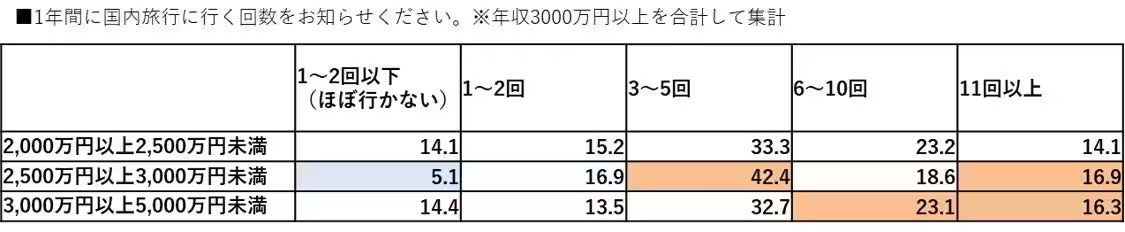
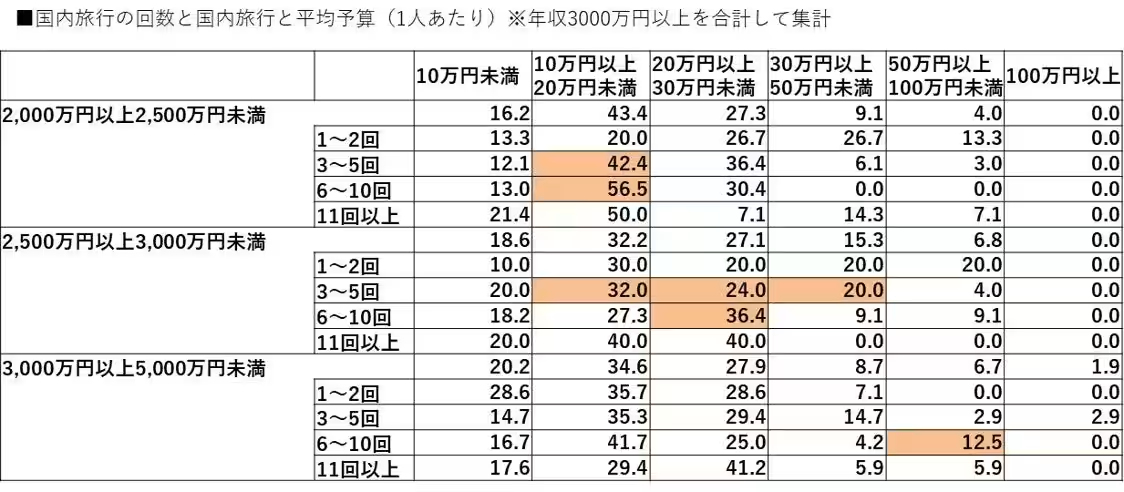
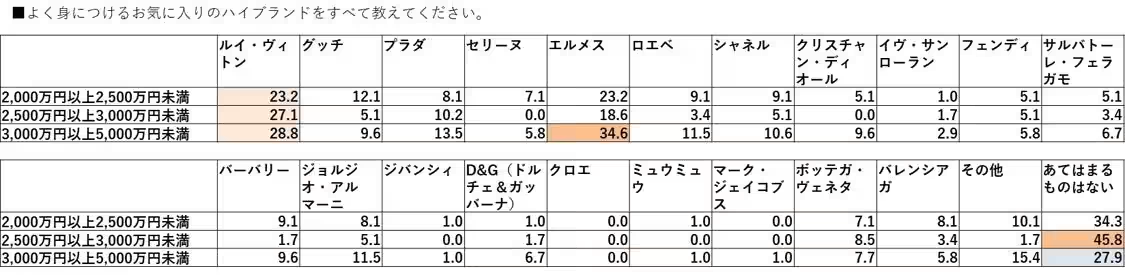
Members of the Active Luxury class demonstrated a significant preference for spending on experiences. A whopping 95% have traveled domestically in the past year, frequently investing between ¥300,000 and ¥500,000 per trip. In contrast, interest in luxury brands and material possessions was notably lower, suggesting a shift towards relational spending and life-enhancing experiences rather than mere material acquisitions.
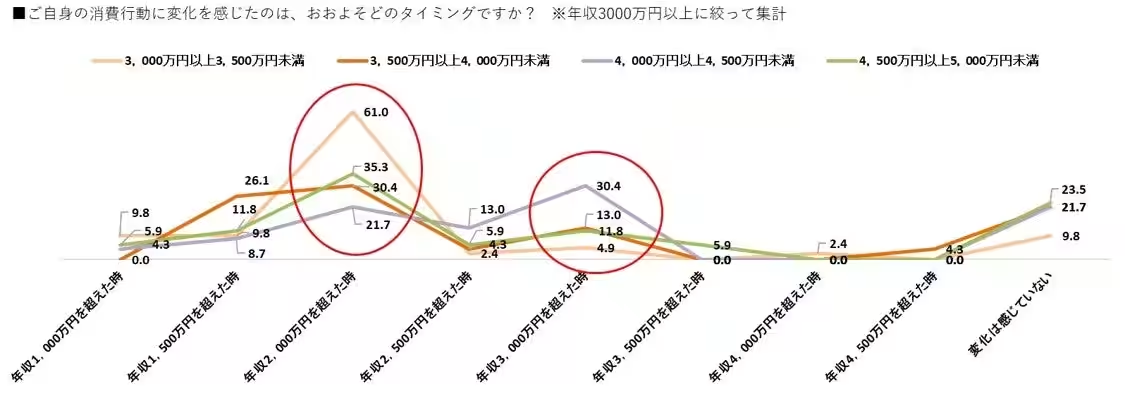
An individual in this income bracket explained, "I’ve noticed a considerable change in my spending habits since surpassing ¥20 million. I think less about expenses and focus more on what adds value to my life."
In addition to the financial capabilities, qualitative interviews indicated that both travel frequency and budget for these excursions have significantly increased, particularly among those earning between ¥25 and ¥30 million.
The Impact of Social Relationships
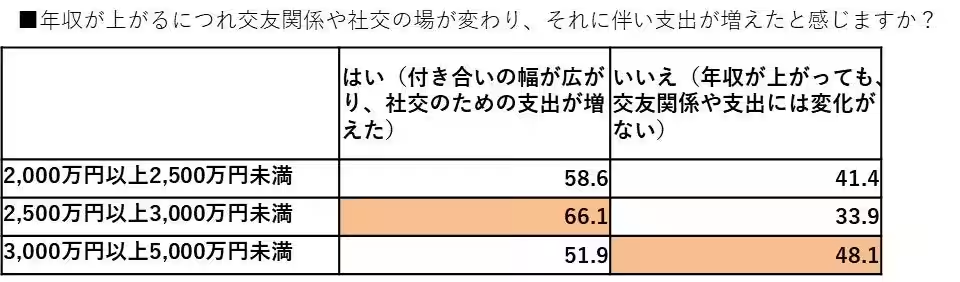
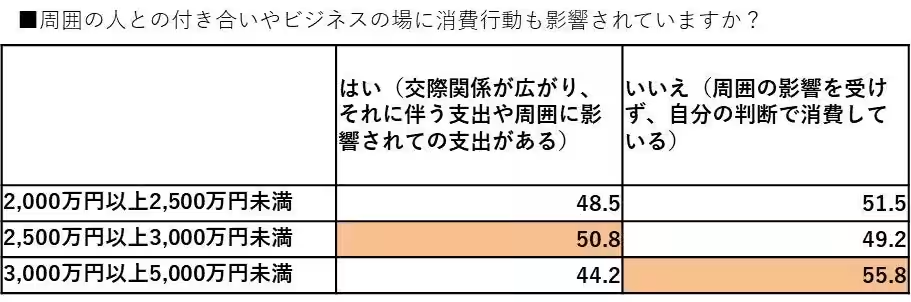
Interestingly, about half of the respondents indicated an increase in spending in social contexts, reflecting a strong inclination towards building and maintaining personal relationships. Those within the Active Luxury segment view social relationships not just as connections, but as integral components of their identity and lifestyle. This trend reinforces the idea that the emerging affluent class prioritizes socially enriching experiences over traditional luxury goods.
A respondent shared, "The connections I’ve made have prompted me to invest more in social outings; it’s part of my growth journey, both personally and professionally."
Resilience against Economic Challenges
Despite rising costs of goods and services, members of the Active Luxury class have shown remarkable resilience. Instead of retracting their spending, they see inflation as a chance for enhanced experiences. A 30-something entrepreneur stated, "Even though prices are rising, it hasn’t deterred my spending. If anything, I view this as an opportunity to solidify my business position and expand my horizons."
Conclusion
In summary, the findings from Luxury Card's lifestyle survey provide valuable insights into the evolving values and behaviors of Japan’s new affluent class. Rather than chasing material wealth, they are increasingly oriented towards enriching their experiences and fostering meaningful relationships. This shift signifies a broader transformation in consumer behavior, where the focus is on depth and connection rather than status symbols.
Luxury Card remains committed to catering to this new wave of consumers by enhancing its range of experiential offers, promoting meaningful travel opportunities, and continuously refining their services to align with evolving consumer preferences. As this affluent demographic continues to thrive, their approach to consumption will likely serve as a guide for future market trends.



Topics Consumer Products & Retail)
【About Using Articles】
You can freely use the title and article content by linking to the page where the article is posted.
※ Images cannot be used.
【About Links】
Links are free to use.