



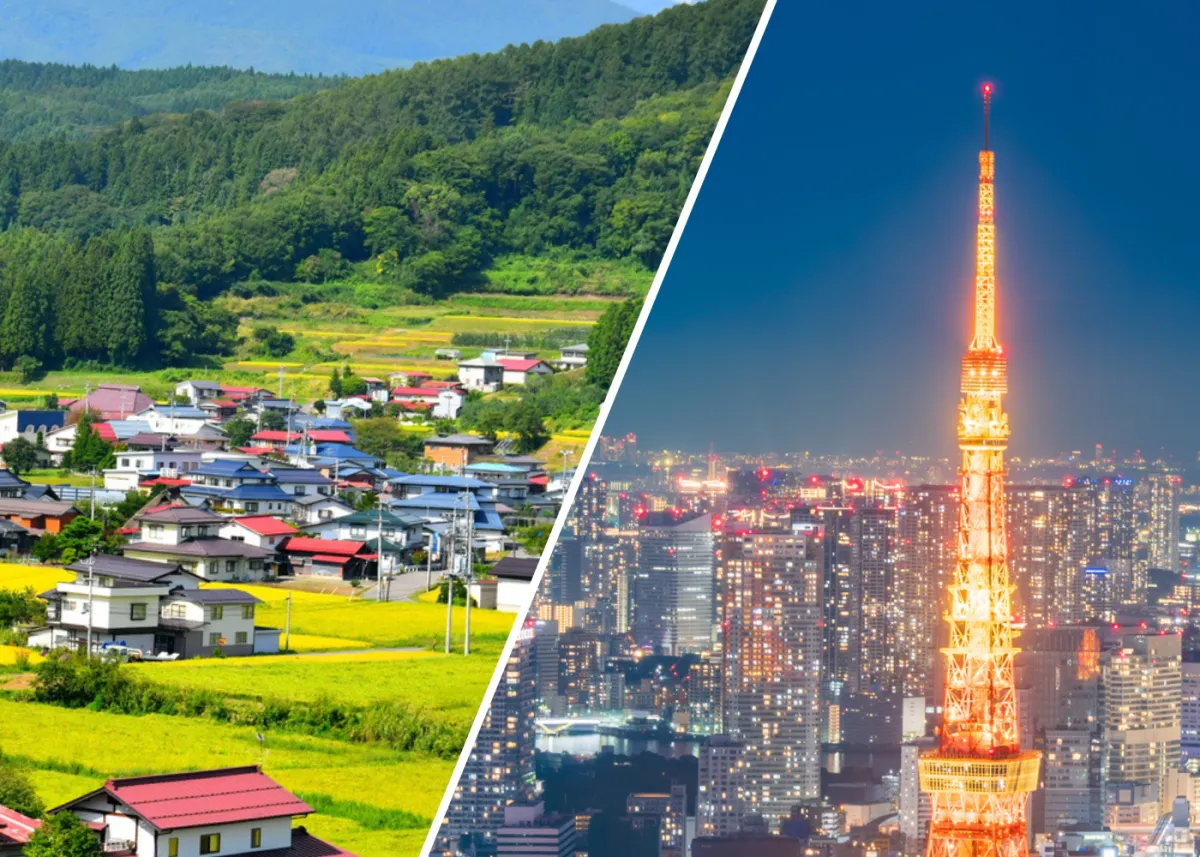
The Distinct Challenges of Dating in Urban and Rural Areas Examined by Omikare
Understanding the Dating Landscape: Urban vs Rural
In a recent survey conducted by Omikare, a leading platform for marriage and relationship events in Japan, researchers analyzed the dating challenges faced by individuals in urban and rural settings. The study, which involved 666 participants, aimed to unveil the distinct barriers that people encounter when seeking relationships in different geographical locations. With close to half of rural respondents indicating a lack of opportunities and about one-third of urban dwellers feeling overwhelmed by competition, the findings provide a comprehensive insight into the complexities of dating in today's society.
Diverging Barriers Faced by Rural Residents
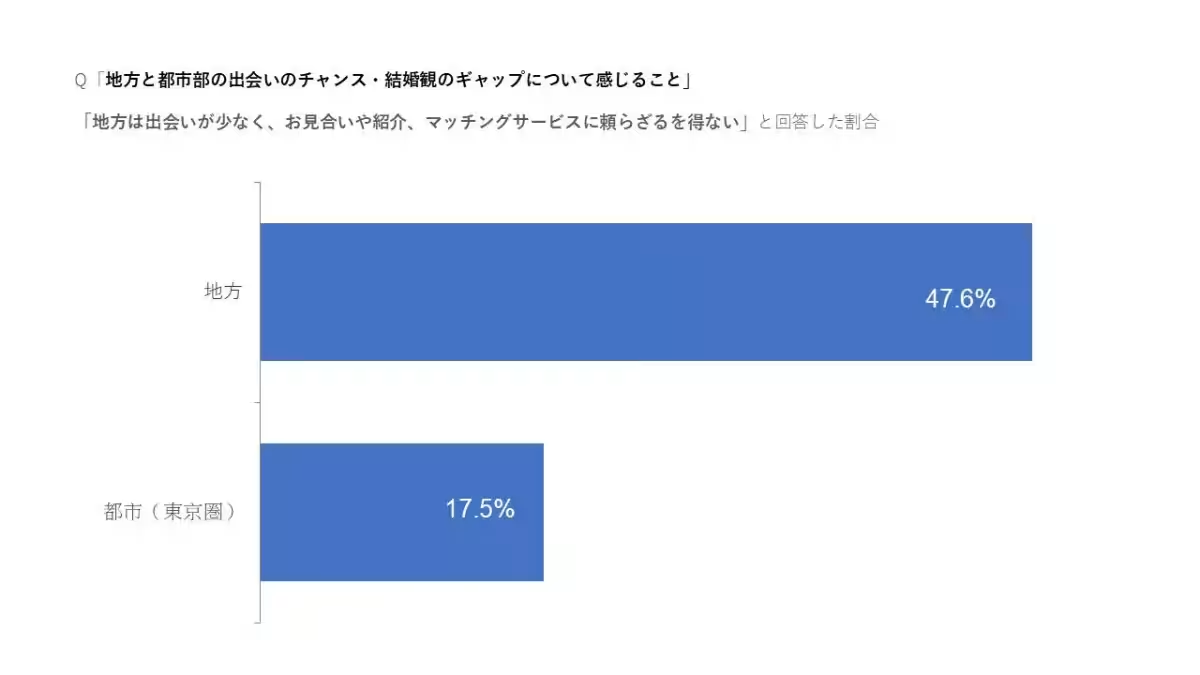
The findings revealed a significant gap in the dating environment between urban and rural areas. For those living in the countryside, the primary obstacle is the limited number of opportunities to meet potential partners. Approximately 47.6% of respondents from rural areas reported that they rely heavily on matchmaking services, introductions, or formal meetups. This figure starkly contrasts with only 17.5% of urban participants echoing the same sentiment. The disparity suggests that the physical and environmental limitations in rural locations present the greatest hurdle for residents looking to connect.
Insufficient Events and Accessibility Issues
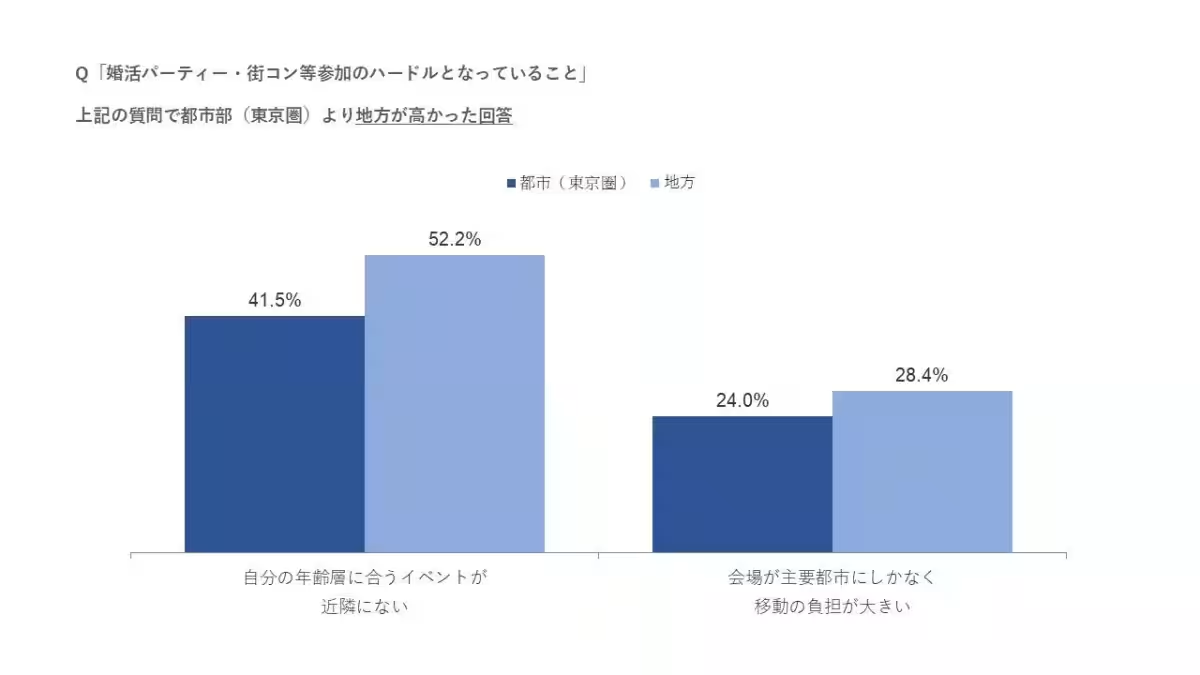
In addition to the scarcity of potential matches, rural participants also faced challenges related to event accessibility. A significant 52.2% of rural respondents noted that nearby events do not cater to their age group or seriousness toward dating. Furthermore, 28.4% expressed frustrations over having to travel long distances to attend activities, indicating that logistical issues further complicate their quest for companionship.
Psychological Burdens for Urban Dwellers
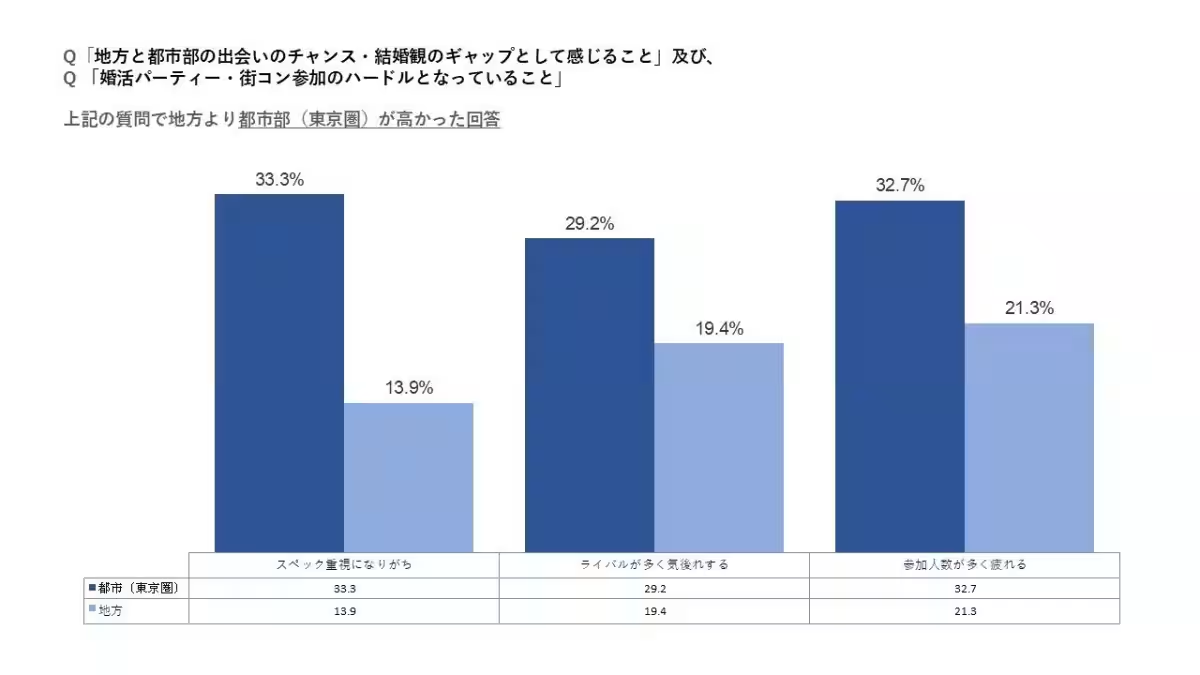
On the other hand, urban residents reported an entirely different set of obstacles. In cities such as Tokyo, where individuals have more access to potential partners, the predominant concern stems from the intense focus on comparative attributes—such as appearance, income, and social status. Among urban participants, 33.3% stated that they often feel pressured by the high caliber of competition. This is markedly higher than the 13.9% of rural respondents who expressed similar pressures.
Emotional Strain from High Competition
Additionally, nearly 29.2% of urban dwellers admitted feeling discouraged due to the number of competitors at dating events, while 32.7% stated that the sheer volume of participants makes meaningful interactions difficult. These factors indicate a unique psychological burden faced by urban residents, who, although surrounded by potential partners, may find the experience emotionally draining.
Matching App Usage Disparities
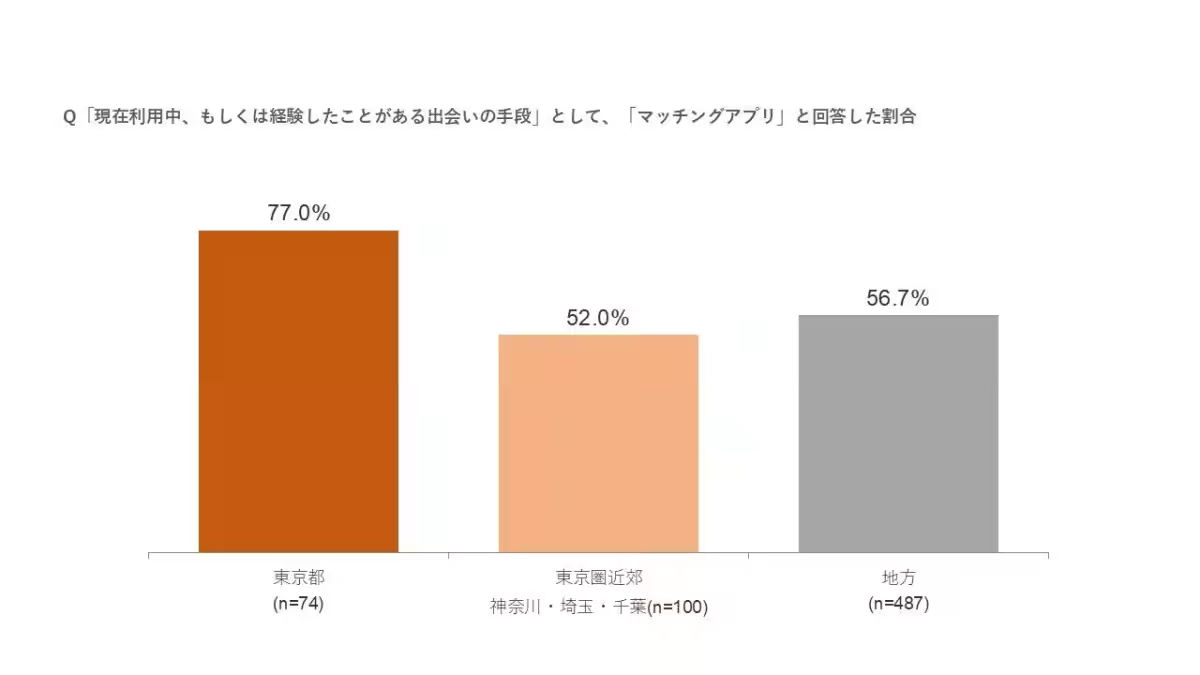
The survey also highlighted discrepancies in the usage of matchmaking apps across different regions. While 77% of participants in Tokyo reported having used a dating app, the number drops to 56.7% among rural respondents. Analyzing the broader Tokyo area, including Kanagawa, Saitama, and Chiba, reveals the percentage of app users decreases to 58.5%. Interestingly, this suggests that the reliance on digital platforms for dating is concentrated primarily within metropolitan Tokyo and does not extend evenly across urban areas.
Concluding Thoughts
The challenges associated with dating are inextricably linked to residents’ living environments. Rural areas struggle primarily with a lack of opportunities, while urban centers struggle with overwhelming choices and social comparisons. Omikare is committed to addressing these diverse needs and creating tailored solutions that empower singles to engage socially in a way that feels safe and comfortable. By offering various options and addressing specific regional challenges, Omikare strives to ensure that individuals can confidently take steps towards meaningful relationships.
For the complete results of the Omikare relationship study and further insights on marriage values and dating expectations, visit their blog here.

Topics People & Culture)
【About Using Articles】
You can freely use the title and article content by linking to the page where the article is posted.
※ Images cannot be used.
【About Links】
Links are free to use.