



Recent Survey Reveals Public Struggles With Year-End Decluttering Decisions
Understanding the Emotional Hurdles in Year-End Decluttering
As the year comes to a close, many individuals embark on the annual ritual of cleaning their homes, commonly known as year-end decluttering. However, a recent survey conducted by Nippon Purple, the company behind the delivery-based trunk room service AZUKEL, has uncovered some surprising statistics regarding people's attitudes towards disposing of household items they haven't used in over a year.
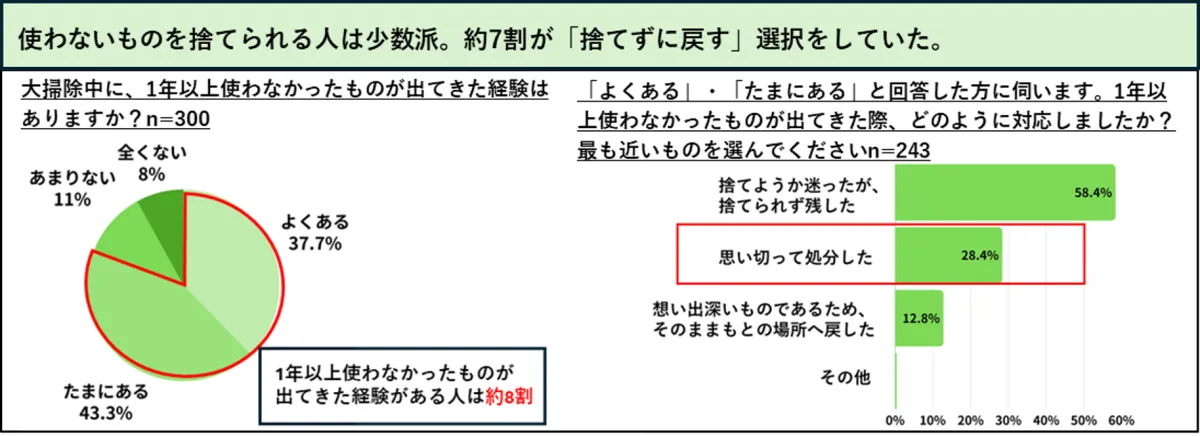
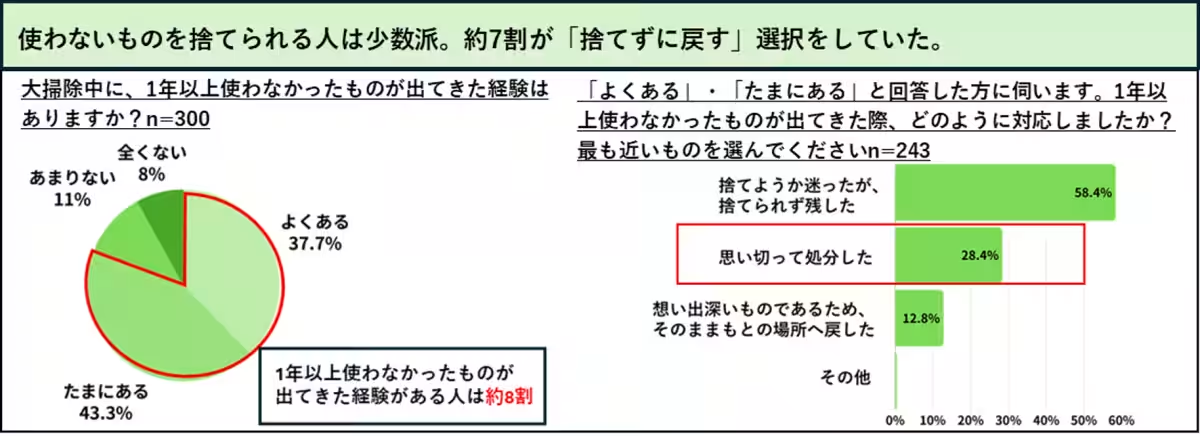
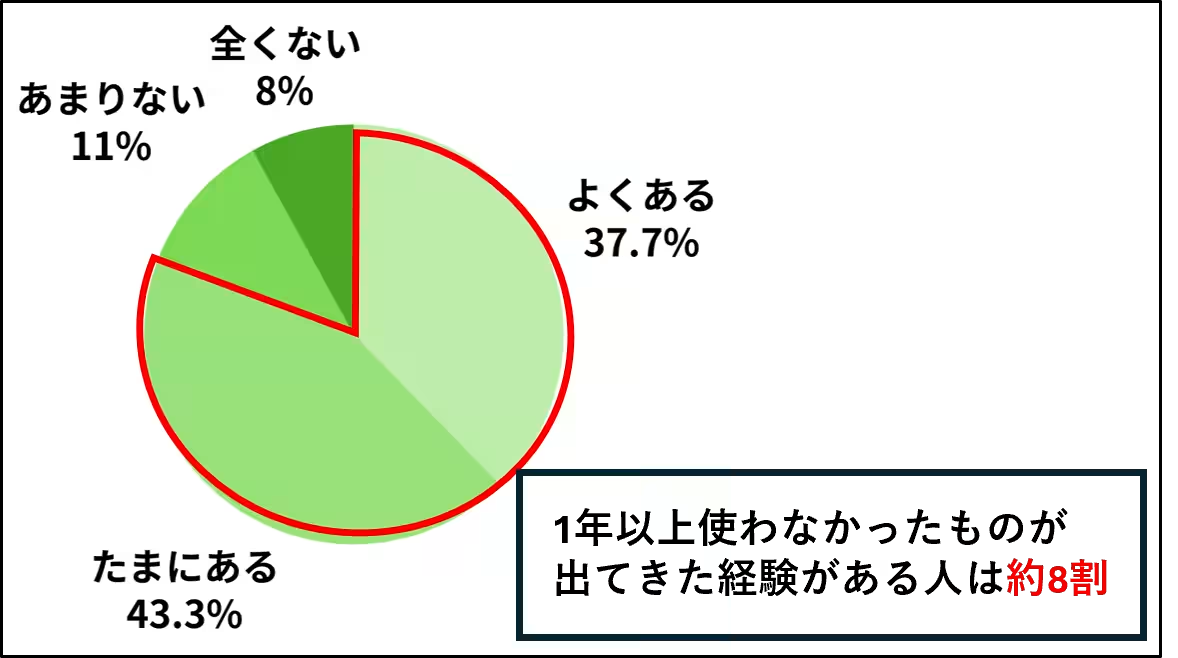
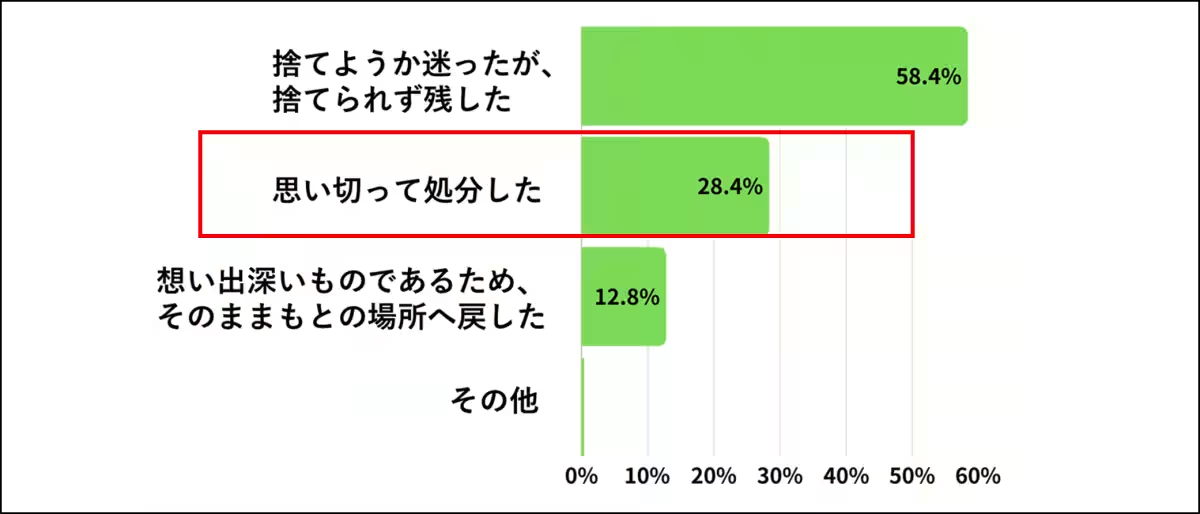
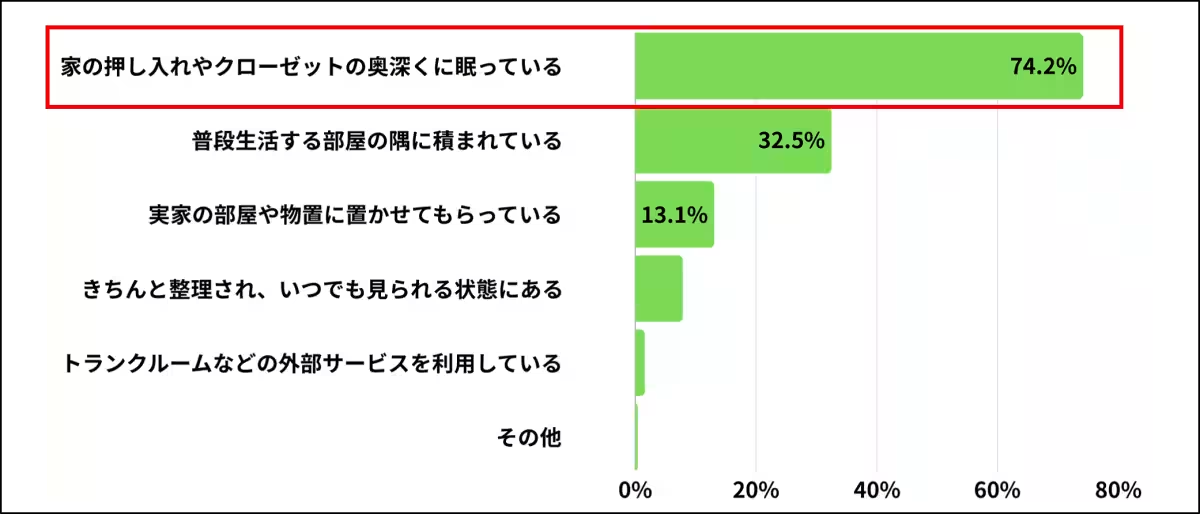
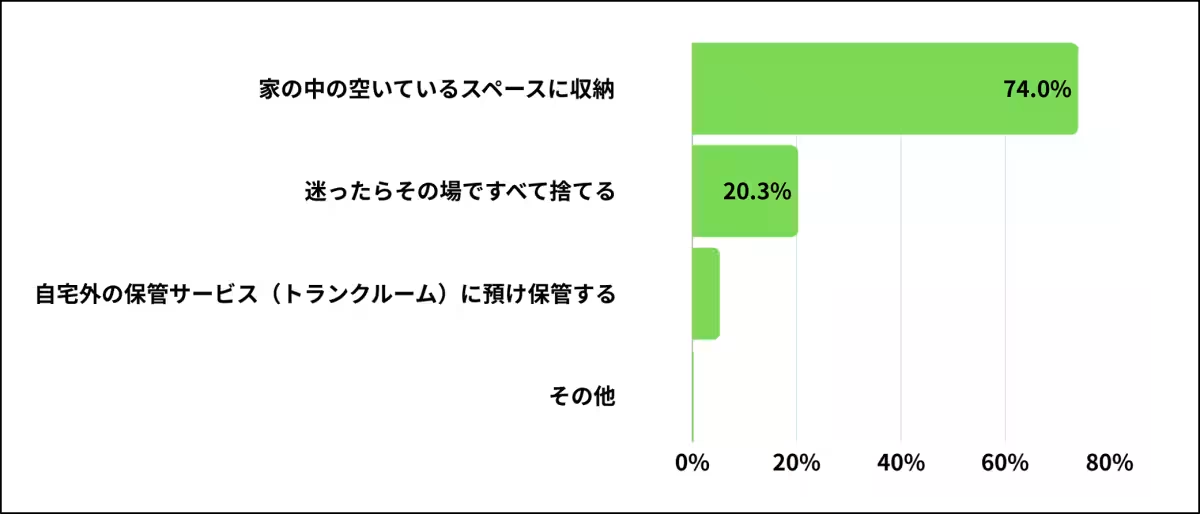
The survey, which included responses from 300 individuals aged 20 to 50, revealed that more than 80% of participants found at least one item in their homes they hadn’t used in over a year. Yet, despite the commonly accepted guideline that suggests discarding items that haven't been used for a year, merely 28.4% reported making the bold decision to let go of these items. In stark contrast, a staggering 71.6% either chose to store them away in closets or considered the emotional weight tied to these possessions.
The Emotional Baggage of Clutter
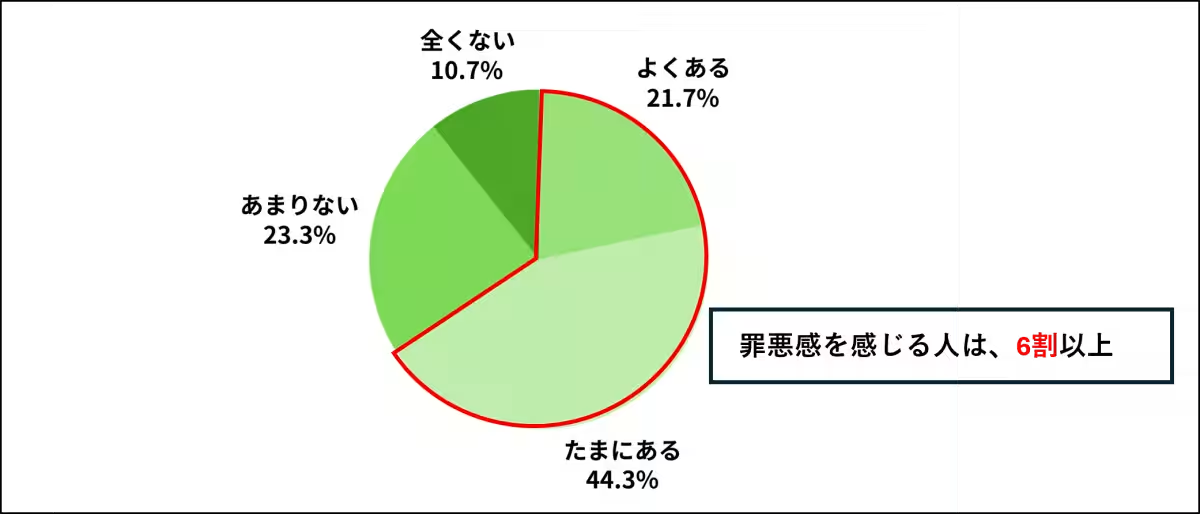
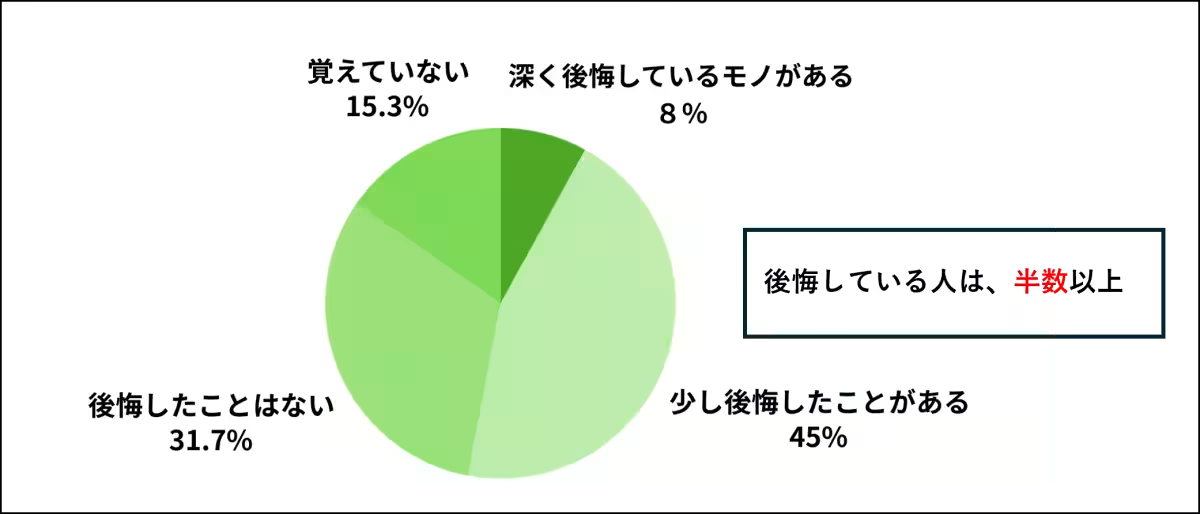
The findings indicate a prevalent emotional conflict—66% of respondents admitted to feeling guilty when discarding unused items. Furthermore, a notable 53% have experienced regret after disposing of items they deemed unnecessary, reinforcing the psychological burdens associated with such decisions. This reluctance to part with unused items often manifests in respondents returning items back to their original storage spaces instead of disposing of them.
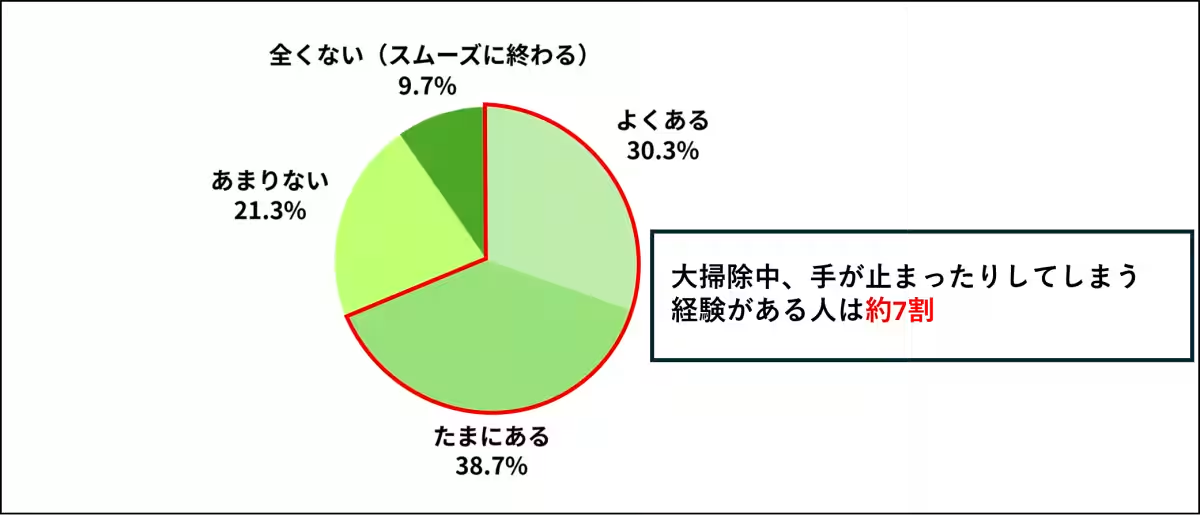
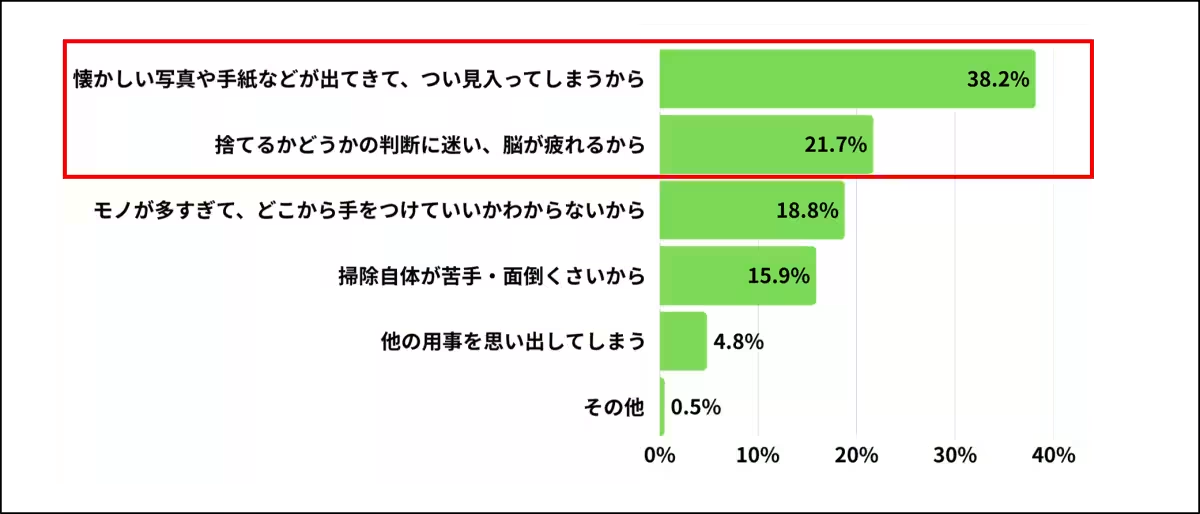
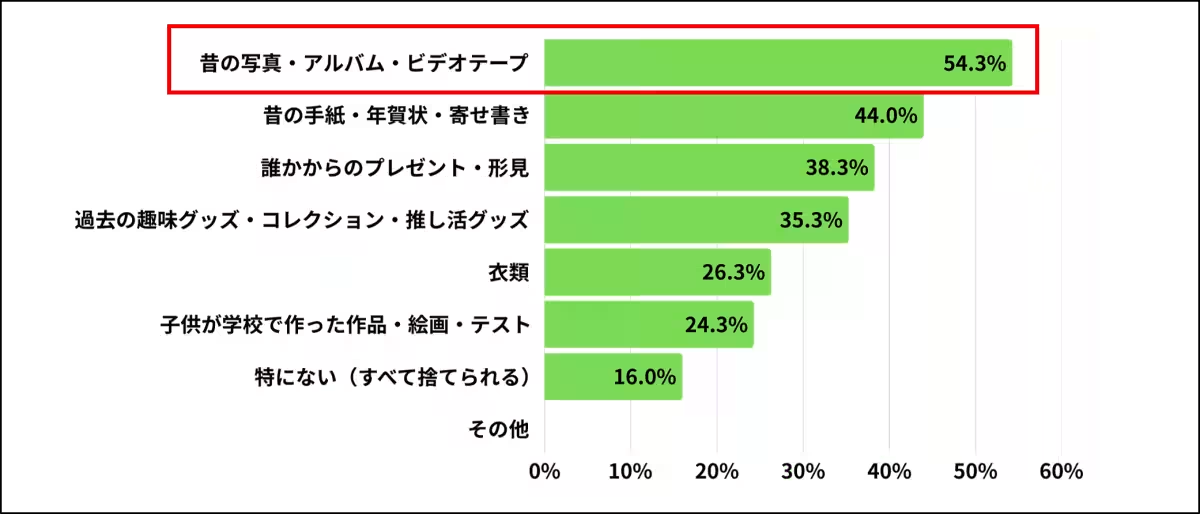
The survey also revealed that significant emotional factors contribute to the struggle of decluttering. Almost 39% mentioned that their decluttering efforts stall when they come across nostalgic items like old photographs or letters. This highlights how emotional connections can lead to decision fatigue, further complicating the decluttering process.
What Stops Us From Disposing?
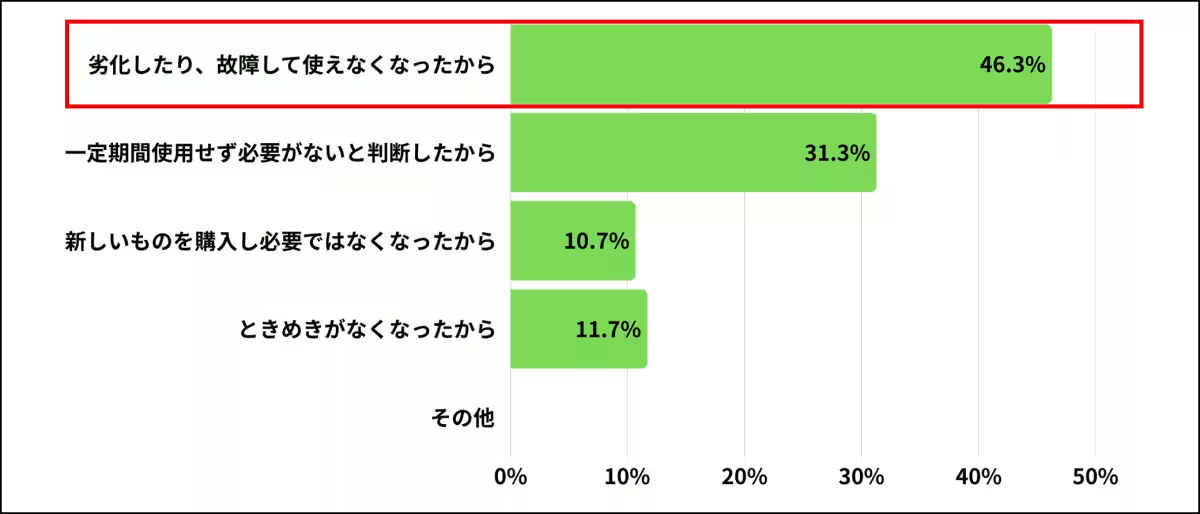
When asked about the reasons for retaining items, 46% cited deterioration or malfunction as their primary reason for disposal. However, many remain hesitant to discard items that still function well, opting instead to hold onto these items







Topics Consumer Products & Retail)
【About Using Articles】
You can freely use the title and article content by linking to the page where the article is posted.
※ Images cannot be used.
【About Links】
Links are free to use.