



Analysis of COVID-19 Infection Patterns and Healthcare Availability in Okayama Prefecture as of July 2026
Overview
As of July 21, 2026, Okayama University has published an analysis of COVID-19 infection rates and healthcare availability in Okayama Prefecture. The data, sourced from the Okayama Prefecture official website, this document summarizes patient reports and healthcare capacity with additional comments from a group of specialists in Okayama. These updates will occur weekly, providing valuable insights into the current health situation in the region.
The data analysis is modeled after the latest monitoring items from Tokyo, aiming to present the current state of infection in an easily digestible format. While WHO has declared the end of the COVID-19 pandemic, normal life is gradually returning across Japan. It remains essential for residents of Okayama to stay informed about local infection rates and healthcare systems as a means of guiding daily preventive measures against COVID-19.
Current COVID-19 Situation and Healthcare System (as of July 27, 2026)
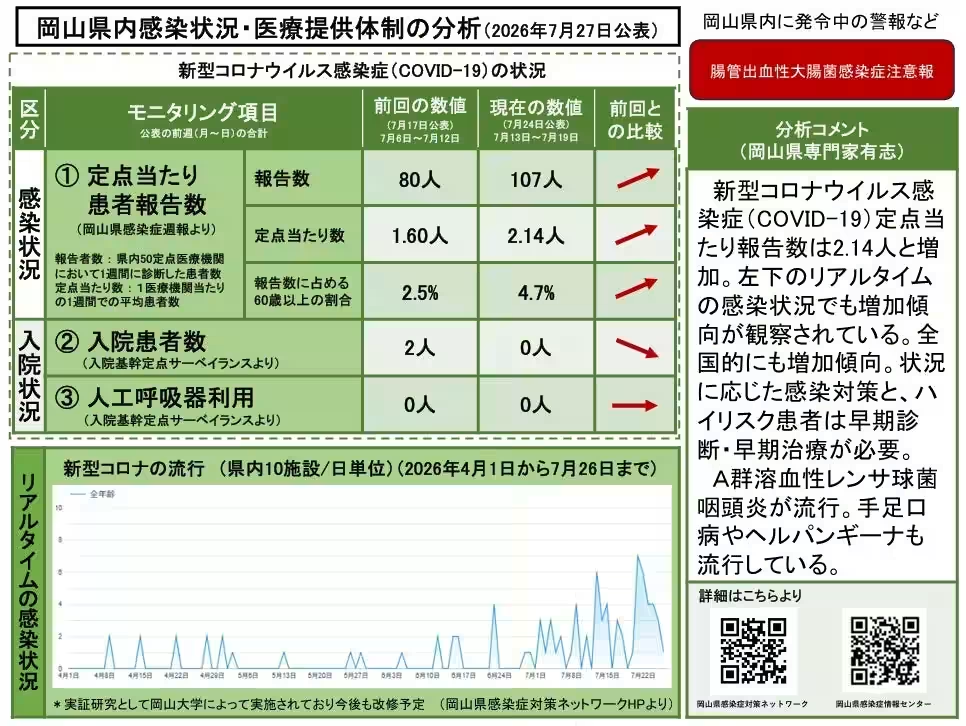
The reported COVID-19 cases per monitoring station have increased to 2.14, mirroring a national trend of rising infections. It is critical that healthcare responses adapt to these changes, particularly focusing on early diagnosis and treatment for high-risk individuals. In addition to COVID-19, there are also outbreaks of A-group streptococcal pharyngitis, hand-foot-and-mouth disease, and herpangina, adding to public health concerns.
Contributions from Okayama Healthcare Experts
A group of experts from various medical institutions has contributed to this analysis, including:
- - Yasunori Ichimura (International Medical Cooperation Bureau, National Institute of Health Crisis Management)
- - Hidetaka Hagiya (Infectious Diseases Department, Okayama University Hospital)
- - Koji Fujita (General Internal Medicine and Infectious Diseases, Tsuyama Central Hospital)
- - Haruto Yamada (Infectious Diseases Department, Okayama City Hospital)
- - Daisuke Yoshioka (Clinical Infectious Disease, Kawasaki Medical University)
- - Takashi Raifuto (Department of Epidemiology and Public Health, Okayama University)
Their collective expertise will ensure that the data provided is accurate and actionable for the public.
Ongoing Information and Community Support
This initiative aims to keep residents updated about the state's health conditions so that they can take informed precautions against infections in their daily lives. Additional resources and references include videos and information tailored for workplaces and medical facilities.
For further details, you can access ongoing studies conducted by Okayama University concerning COVID-19, especially focusing on vaccine responses, post-infection syndromes, and variants of concern. These resources help not only in personal protection but also in understanding long-term health impacts of the pandemic.
Conclusion
As Okayama University continues to provide crucial data and analysis related to COVID-19, community engagement and adherence to health guidelines remain paramount as we transition into this new normal. It is vital for individuals to actively participate in their health management by staying informed and vigilant against potential outbreaks.
For further inquiries, the Okayama Prefectural Infection Control Network, based at Okayama University, is available for consultation.
Topics Health)
【About Using Articles】
You can freely use the title and article content by linking to the page where the article is posted.
※ Images cannot be used.
【About Links】
Links are free to use.