



Understanding Sebaceous Cysts: Myths and Importance of Treatment
Understanding Sebaceous Cysts: Myths and Importance of Treatment
Sebaceous cysts, also known as epidermoid cysts, are common skin lesions that develop when sebaceous glands become blocked, leading to a pouch-like structure beneath the skin filled with dead skin cells and oils. While they are usually benign, there is a troubling perception among the public that these cysts can resolve naturally over time. A recent survey conducted by the Tekketsukai Medical Corporation, which oversees the IC Clinic located in Tokyo, has shed light on this misconception, revealing how public awareness and understanding of sebaceous cysts can significantly impact treatment and outcomes.
The Survey Findings
The survey, which included responses from 300 individuals between the ages of 20 and 50 across Japan, aimed to explore the general awareness and treatment practices related to sebaceous cysts. Conducted from December 1 to December 15, 2025, the findings were eye-opening.
Misunderstanding the Healing Process
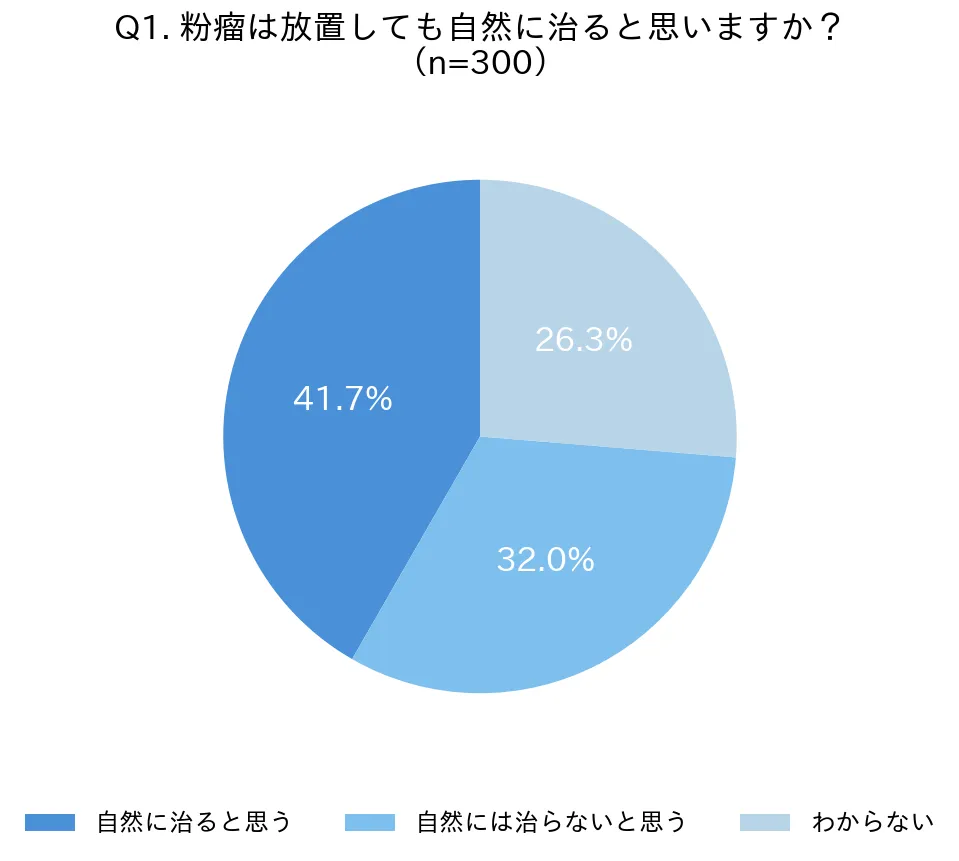
Approximately 41.7% of respondents believed that sebaceous cysts heal naturally, while only 32.0% understood that they do not. The remaining 26.3% were unsure. This high percentage of misconception is alarming, particularly given the potential for complications if these cysts are left untreated. Medical professionals assert that without intervention, cysts can become infected or inflamed, leading to increased health risks.
Negative Outcomes from Neglect
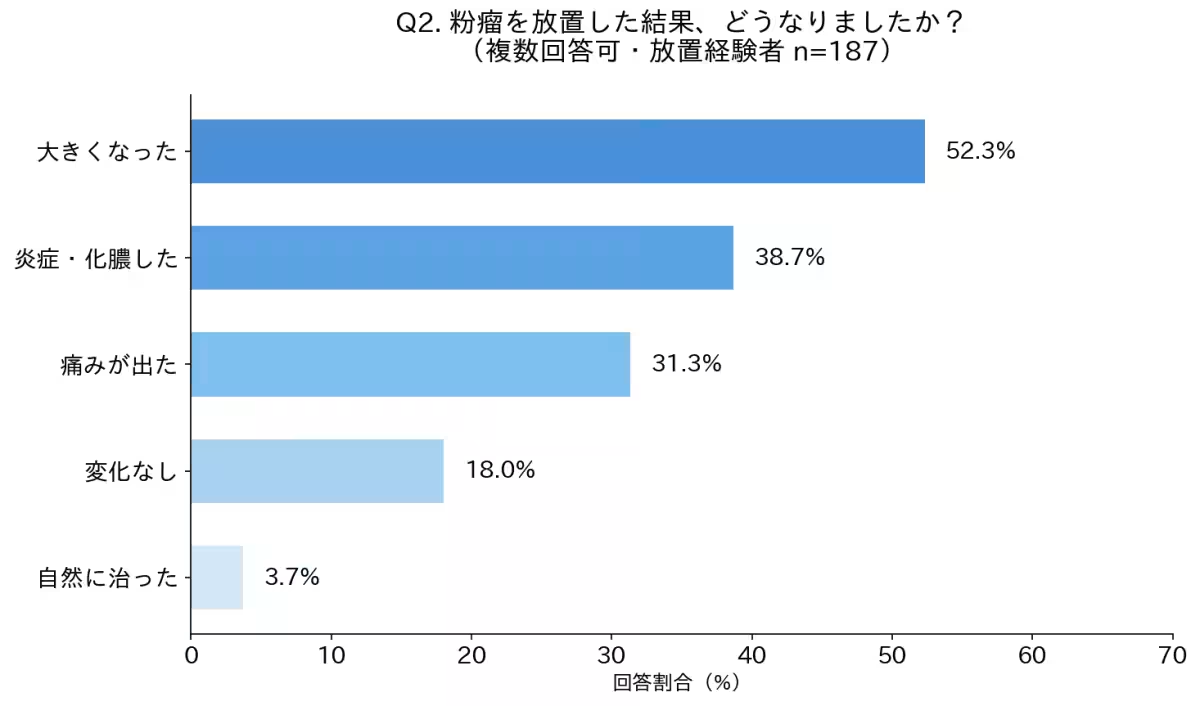
From the respondents who had experienced sebaceous cysts, 52.3% reported that the cyst had grown larger when left untreated. 38.7% experienced inflammation or infection, and 31.3% reported pain. Alarmingly, only 3.7% noted that their cyst resolved on its own, underlining that natural healing is not a reliable outcome. These findings emphasize the need for early diagnosis and intervention to prevent the escalation of the condition.
Seeking Treatment After Symptoms Worsen
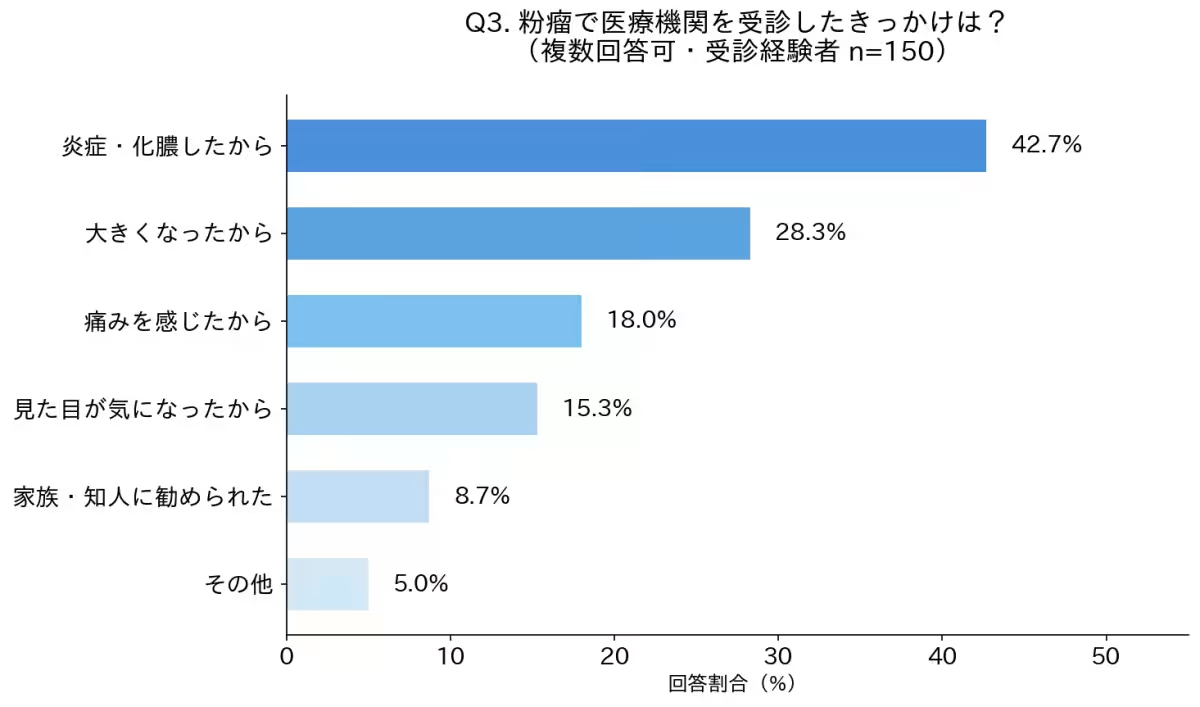
Another worrying trend revealed in the survey was the timing of treatment. Among the 150 individuals who sought medical help, the most common reason was experiencing inflammation or infection (42.7%), followed by the cyst's growth (28.3%) and pain (18.0%). The data indicates that many patients wait until their symptoms become severe before seeking assistance, highlighting a lack of awareness about the importance of early evaluation.
Clinical Insights
Dr. Kōta Takakuwa from IC Clinic offered his insights on the matter, stating that the misconception of self-resolution in sebaceous cysts is medically inaccurate.
Topics Health)
【About Using Articles】
You can freely use the title and article content by linking to the page where the article is posted.
※ Images cannot be used.
【About Links】
Links are free to use.