



How Will of Work Implements RakuVisa for Compliance and Efficiency
Introduction to RakuVisa's Implementation
Will of Work, a comprehensive HR service company and a group company of Will Group, has recently integrated RakuVisa, a platform for supporting visa applications for foreign workers. The initiative was sparked by an upcoming amendment to the Administrative Scriveners Act, necessitating significant operational changes across the organization.
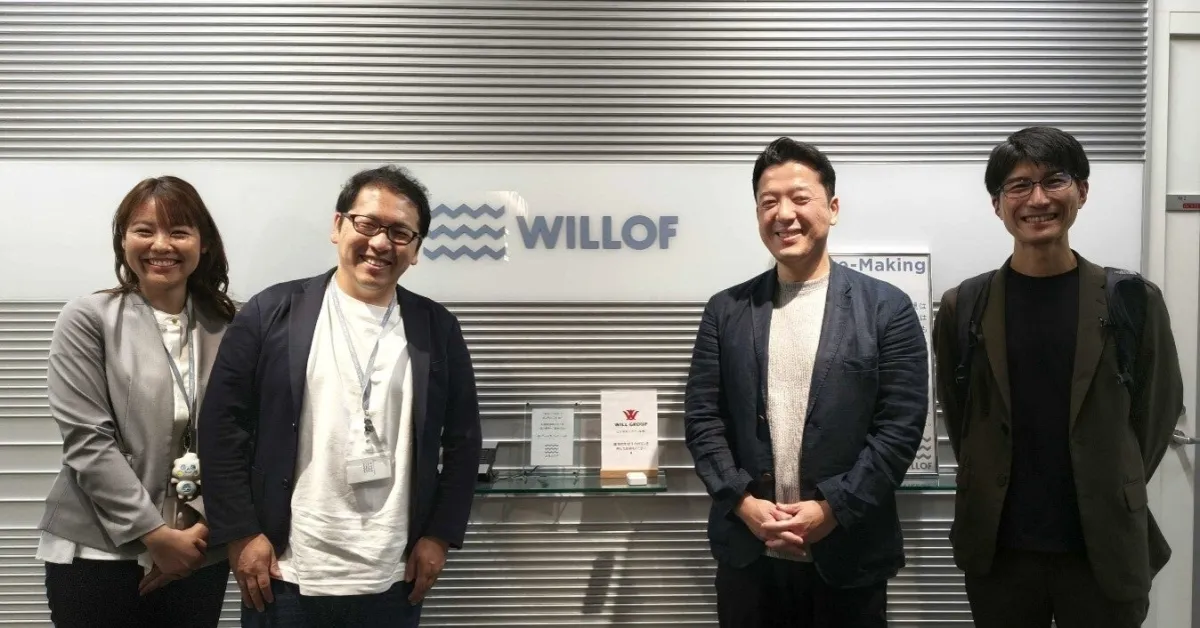
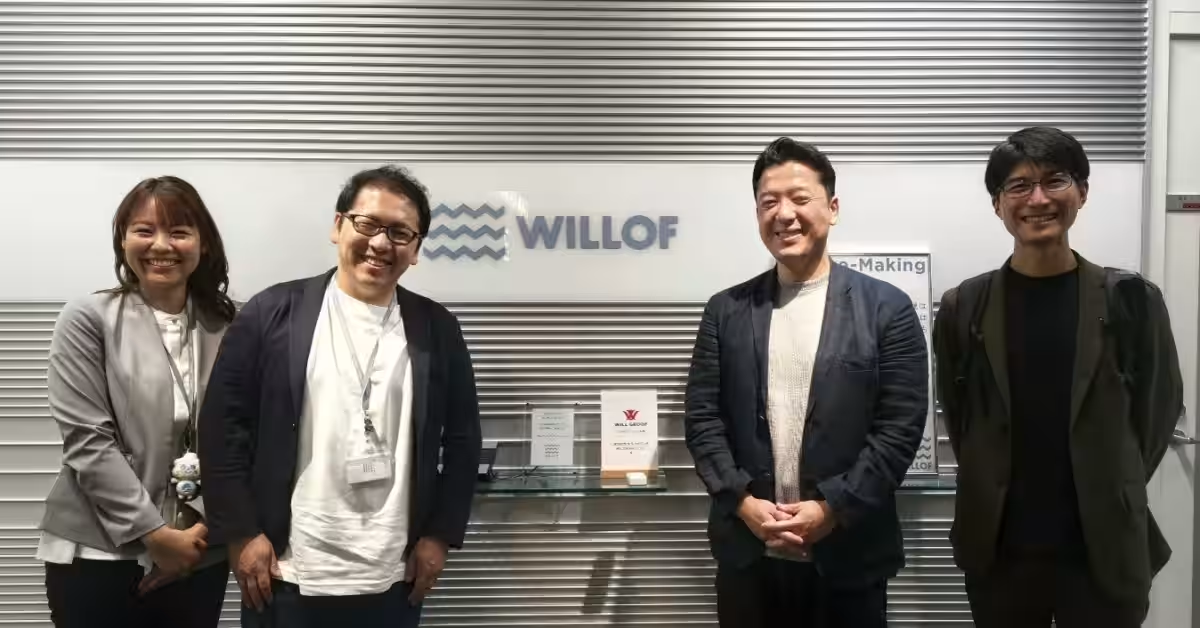
In an interview, key figures from Will of Work's Global Management Services and Strategy Promotion Departments, Mr. Yokota and Mr. Aihara, shared insights into the decision-making process leading to RakuVisa’s adoption. They emphasized that the primary motivation was compliance rather than mere operational efficiency. The ability to accurately document who registered information and when is crucial in today’s complex visa application landscape involving multiple stakeholders, including foreign applicants, employers, agencies, and administrative scriveners.
The Importance of Compliance Over Convenience
Often, system implementations focus on reducing operational time and labor costs. However, Will of Work viewed RakuVisa as a foundation for proper progress and documentation rather than just a comfort-enhancing tool. The emphasis was on compliance and ensuring that procedures would stand up to scrutiny, particularly in a多層次的 environment where multiple parties are involved in visa applications.
Revising Operations for Legal Upgrades
The looming changes in the Administrative Scriveners Act were a catalyst for re-evaluating the existing operational framework at Will of Work. Given the company’s extensive involvement with foreign labor, altering operations was not an isolated endeavor but a significant undertaking that required consistent revisions across all branches and staff members. The company recognized the urgency of reorganizing workflows to facilitate a clear division of roles and responsibilities in compliance with the law.
Initially contemplating developing an in-house solution, they serendipitously discovered RakuVisa, which offered the functionalities they needed without the laborious structure they were considering.
Record Keeping as the Key Decision Factor
One of the most compelling reasons for choosing RakuVisa was its capability to generate detailed records. In traditional analog operations, it is often cumbersome to trace actions taken during the application process. The ease of accessing documented interactions on a centralized platform was a significant advantage for the team. The system not only helps maintain clear records but also connects smoothly with existing operational systems, making it indispensable for their scale of operation.
Seamless Integration With Existing Systems
An essential factor for Will of Work in deciding to use RakuVisa was its capacity to integrate with the company's existing systems. Much data about foreign talent was already maintained within internal frameworks, raising the concern of manual data entry if integration wasn’t feasible. Fortunately, RakuVisa's adaptability allowed smooth synchronization, significantly reducing operational strain and enhancing the practical feasibility of implementation.
Ensuring Compliance Throughout the Approval Process
The internal approval process for RakuVisa's adoption was comparatively streamlined, with decision-makers particularly attuned to the compliance aspects. Not only was the compliance framework a primary focus, but ensuring the operational capabilities could be swiftly initiated within the set timelines also received notable attention.
The introduction of RakuVisa was not simply a matter of convenience; it represented a foundational shift toward establishing a responsible compliance framework vital for long-term operational success.
Standardizing Operations Across All Locations
For a company with a national footprint like Will of Work, merely implementing a new system isn't sufficient. Aligning operations across various locations requires coherent workflows and the effective communication of these processes to all involved parties. Therefore, the implementation preparation involved direct interactions with administrative scriveners to ensure that both they and the employees understood operational patterns and expectations using RakuVisa.
Overcoming Initial Implementation Challenges
Despite careful planning, the transition to a more structured operation post-RakuVisa’s introduction was not without challenges. Employees initially expressed confusion and reservations about the updates to their usual processes. However, the company resisted the temptation to yield to immediate obstacles. Instead, they remained focused on the broader implications of a rigorous documentation system, which they believe would ultimately safeguard both employees and the company in the long run.
Enhancing Transparency in the Application Process
RakuVisa’s design ensures that all stages of the application process, including direct engagement by administrative scriveners, are managed transparently. This open line of communication is critical for catchability and eliminates possible ambiguities in the application process. Clarity among all parties about their respective roles fosters an environment of compliance and mitigates potential misunderstandings.
The Value of Documentation in Risk Management
The significance of maintaining comprehensive records emerged prominently through discussions during the adoption of RakuVisa. Tracing actions taken by users remains crucial, especially when unforeseen challenges arise. With firm documentation in place, the rationale behind actions can be easily articulated, contributing significantly to risk management by mitigating potential disputes.
Conclusion
Through this endeavor, Will of Work is setting a benchmark for how companies can structure their operations to comply with evolving legal landscapes while prioritizing efficiency and documentation. RakuVisa is not just about easing the workload; it is a strategic move that ensures a sustainable operational model focused on compliance and transparency—essential elements for the future of the human resources sector in Japan.
Topics Business Technology)
【About Using Articles】
You can freely use the title and article content by linking to the page where the article is posted.
※ Images cannot be used.
【About Links】
Links are free to use.