



MOL Expands Supply of Bio-LNG Fuel for Maritime Transport in Europe
MOL's Commitment to Bio-LNG Fuel Supply Expansion
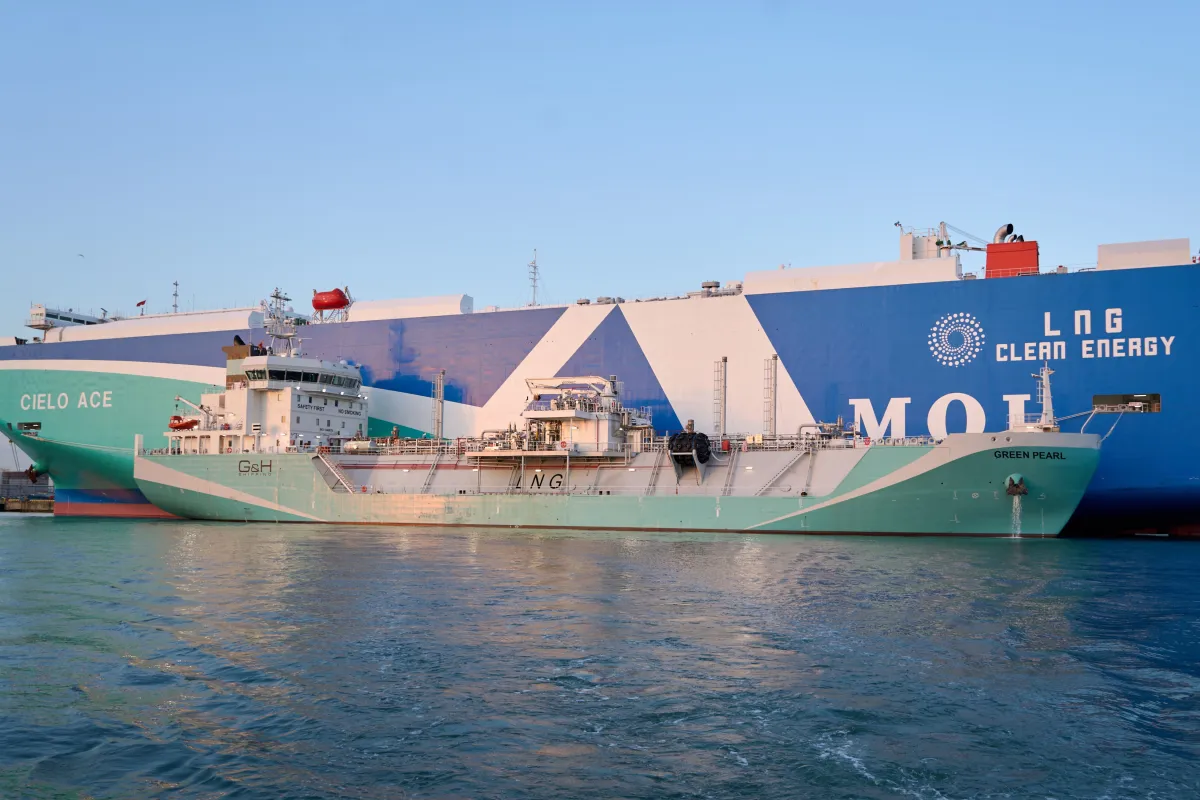
In a significant development, Mitsui O.S.K. Lines, Ltd. (MOL) has embarked on a new venture to expand the supply of bio-LNG fuel for its automotive ships. The company has recently entered into a term contract with Axpo, a subsidiary of the Molgas Group, aimed at bolstering the supply of bio-LNG in the Mediterranean region. This strategic move aligns with MOL's ongoing commitment to sustainability and carbon neutrality, marking a crucial step in their environmental vision.
This new agreement follows an earlier supply contract established in March of the previous year in Northwestern Europe, specifically at the port of Zeebrugge in Belgium, which initiated the use of bio-LNG in the region. With this expansion, MOL is now set to provide bio-LNG fuel to automotive vessels operating in key Mediterranean ports, including Malaga and Barcelona, thereby strengthening its supply chain in Europe.
Bio-LNG, produced from methane generated primarily from livestock waste and organic materials, represents a cleaner fuel alternative for maritime transport. It is liquefied, allowing it to utilize existing LNG supply infrastructure, while also contributing to the reduction of greenhouse gas (GHG) emissions on a lifecycle basis. Notably, the bio-LNG to be supplied under this contract has achieved a carbon intensity rating of below -15g CO2/MJ, highlighting its potential to significantly decrease carbon dioxide emissions. For every ton of traditional marine heavy fuel replaced with this bio-LNG, approximately 4.5 tons of CO2 emissions can be avoided, showcasing its value in promoting sustainable shipping practices. Additionally, this bio-LNG has received ISCC-EU certification, affirming that it meets the European legal standards for sustainability and GHG reduction.
This contract not only underscores MOL’s commitment to continuously and reliably source bio-LNG in Europe but also integrates with their broader goals outlined in the Environmental Vision. The introduction of alternative fuels like bio-LNG and synthetic LNG (e-methane) is highlighted as a fundamental action to achieve net-zero emissions.
MOL asserts that this expansion in bio-LNG fuel usage will accelerate its efforts to reduce GHG emissions. By developing a resilient supply chain for clean fuel, the company aims to lead the maritime industry towards net-zero emissions. Furthermore, MOL plans to actively promote a broader range of next-generation fuels, including biofuels, methanol, ammonia, and hydrogen, alongside LNG fuel vessels. As part of its extensive approach, MOL is committed to ensuring safe operations while advancing the goals of a sustainable society.
MOL has previously secured a bio-LNG fuel supply agreement with Titan, also part of the Molgas Group in Northwestern Europe, which extends into 2026. Such initiatives not only bolster their position in the market but also lead the maritime industry towards meeting future environmental challenges.
As the global shipping industry confronts increasing pressure to adopt cleaner technologies and fuels, MOL’s efforts reflect a proactive response to these challenges, showcasing their position at the forefront of environmental innovation within maritime transport. The maturation of the bio-LNG market, driven by strategic partnerships and a commitment to sustainable practices, promises a greener future for the shipping industry, aligning with global sustainability goals and the commitment to combat climate change.
For more detailed information about this ongoing journey toward net-zero emissions, please refer to the MOL press release detailing the launch of bio-LNG fueled automotive vessels.
Topics Energy)
【About Using Articles】
You can freely use the title and article content by linking to the page where the article is posted.
※ Images cannot be used.
【About Links】
Links are free to use.