



Understanding the Lingering Emotional Wounds of Fukushima Through Film and Personal Stories
The Lingering Shadows of Fukushima's Past: A Conversation through Film
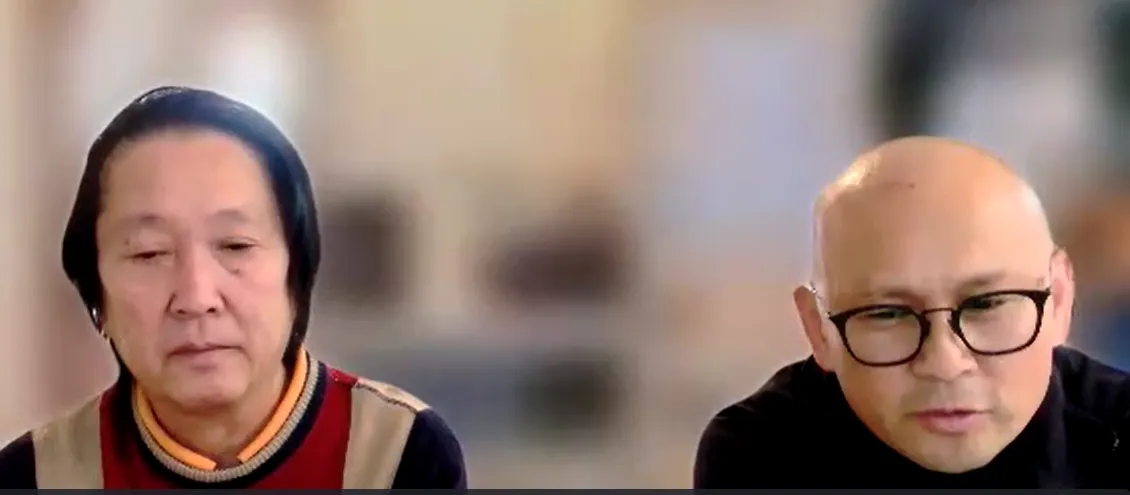
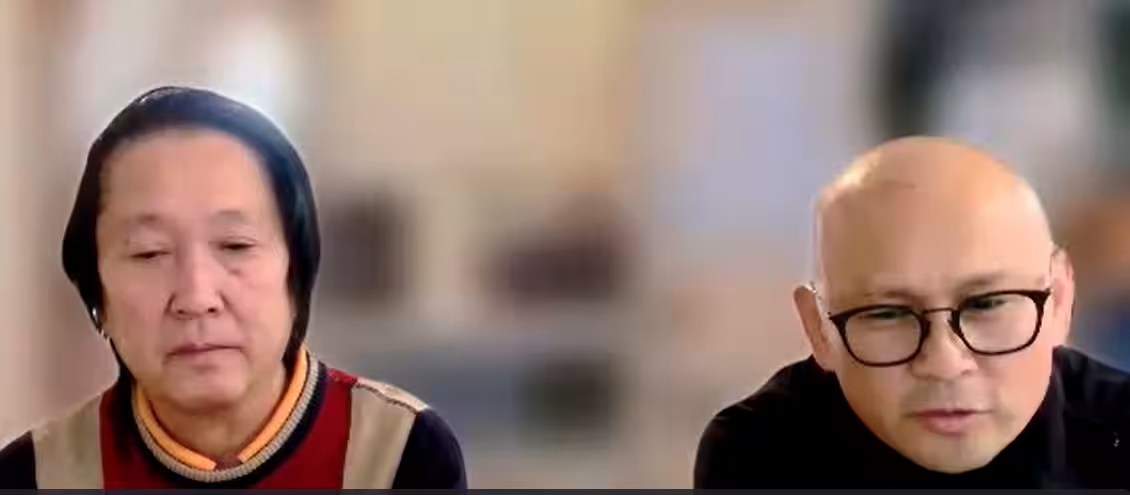
On March 12, Pal System, a community cooperative based in Shinjuku, Tokyo, hosted an online event titled "Living, Living, and Living." This event included a screening of a documentary and a discussion featuring two individuals highlighted in the film. Fifteen years after the Great East Japan Earthquake and Fukushima nuclear disaster, the challenges faced by survivors and the support available are crucial topics of conversation today.
A Glimpse into the Documentary
The film "Living, Living, and Living," directed by Youma Shimada, takes us to the heart of Fukushima, showcasing the real stories of people struggling with grief and despair amidst their efforts to survive. It highlights the persistent reality of delayed PTSD following the disasters, which continues to affect many in the region. The documentary does more than just narrate suffering; it emphasizes the resilience of those affected and the ongoing struggle they face.
During the talk, psychiatric nurse Kazuma Yoekura and a male participant who overcame alcoholism through support shared their personal experiences before and after the film's production, shedding light on the current situation in Fukushima. They illustrated the profound effects of trauma which, even years later, can manifest as serious mental health issues, illustrated by increasing youth suicide rates and instances of child abuse in the area—a sentiment echoed in similar crises worldwide, like the Holocaust in Germany and the Okinawan War.
The Echoes of Delayed PTSD
Kazuma noted, "People carrying emotional scars often hesitate to share their feelings, initially responding with 'I’m fine.' Our role is to create a safe space for them to express themselves, to continuously engage and invite dialogue."
This conversation challenged the stigma surrounding mental health and opened avenues for healing through connection and trust-building. The documentary poignantly encapsulated this, bringing forth harrowing tales of survival against the backdrop of a collective community trauma.
Overcoming Addiction through Support
One of the men featured in the film shared his heartbreaking journey post-disaster. After returning to Fukushima and finding difficulty sustaining his livelihood after evacuating due to the nuclear crisis, he faced the tragic loss of his son to suicide. This profound grief led him to develop an alcohol dependency, resulting in a state of neglect toward himself, which he humorously recalled, saying, "During filming, I was actually inebriated and can hardly remember it."
Thanks to ongoing support from Kazuma and others, he has been able to regain his driving license and is now venturing into a career in elderly care. He expressed, "It feels like my tangled emotions have been unraveled into a beautiful bow. While I struggle to accept reality, I'm often reminded that I'm still here, and I have a desire to give back."
The joy of his recent grandchild's birth garnered warm reactions from participants, showcasing how healing can bring joy back into life, even amid sadness. When asked about quitting drinking, he humorously stated, "I only drink on the anniversaries of my father and son’s deaths," demonstrating a pragmatic approach to his challenges, which lightened the mood during the session.
Kazuma emphasized the importance of community: "While it's easier to access information now than before, creating connections can be challenging. It's critical to communicate to those feeling isolated that there are people who care. This simple act can serve as a significant form of support."
In conclusion, the event encapsulated a powerful message of hope and resilience, stimulating vital discussions about mental health and the enduring impacts of trauma. As participants reflected on the documentary and shared their thoughts, it became clear that healing is not just an individual endeavor, but a communal journey that thrives on empathy and understanding.
Topics Health)
【About Using Articles】
You can freely use the title and article content by linking to the page where the article is posted.
※ Images cannot be used.
【About Links】
Links are free to use.