



Understanding the Current State and Challenges of IVR Implementation Including AI IVR: Key Insights and Tips
Introduction to IVR Implementation Challenges
In the ever-evolving landscape of customer service, many companies are turning to Interactive Voice Response (IVR) systems, including AI-enhanced IVR, to streamline operations, address manpower shortages, and improve efficiency. However, the decision to implement these systems is not straightforward for many organizations.
Foonz Inc., located in Yokohama, Kanagawa Prefecture, has conducted a survey aimed at understanding the current state of IVR (both traditional and AI) implementation and the challenges companies face during the selection process. The survey targeted employees who have either implemented an IVR system within the last two years, are currently considering implementation, or have previously evaluated systems but opted against installation.
Survey Insights Overview
The survey, conducted from January 16 to January 20, 2026, involved 1,003 respondents, scaling from those recently implementing IVR to those contemplating its acquisition. The focus on customer support, call center operations, DX initiatives, and relevant fields highlights the diverse sectors engaging with this technology.
Key Findings: Implementation Objectives
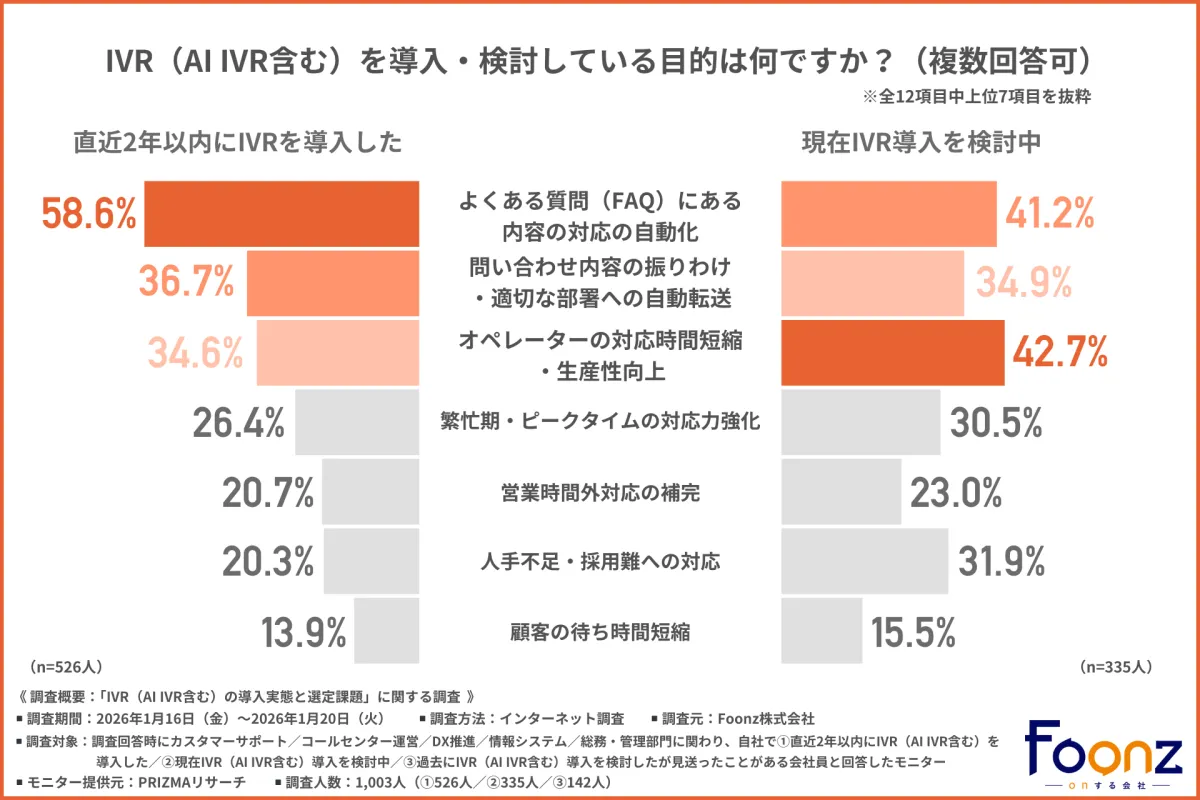
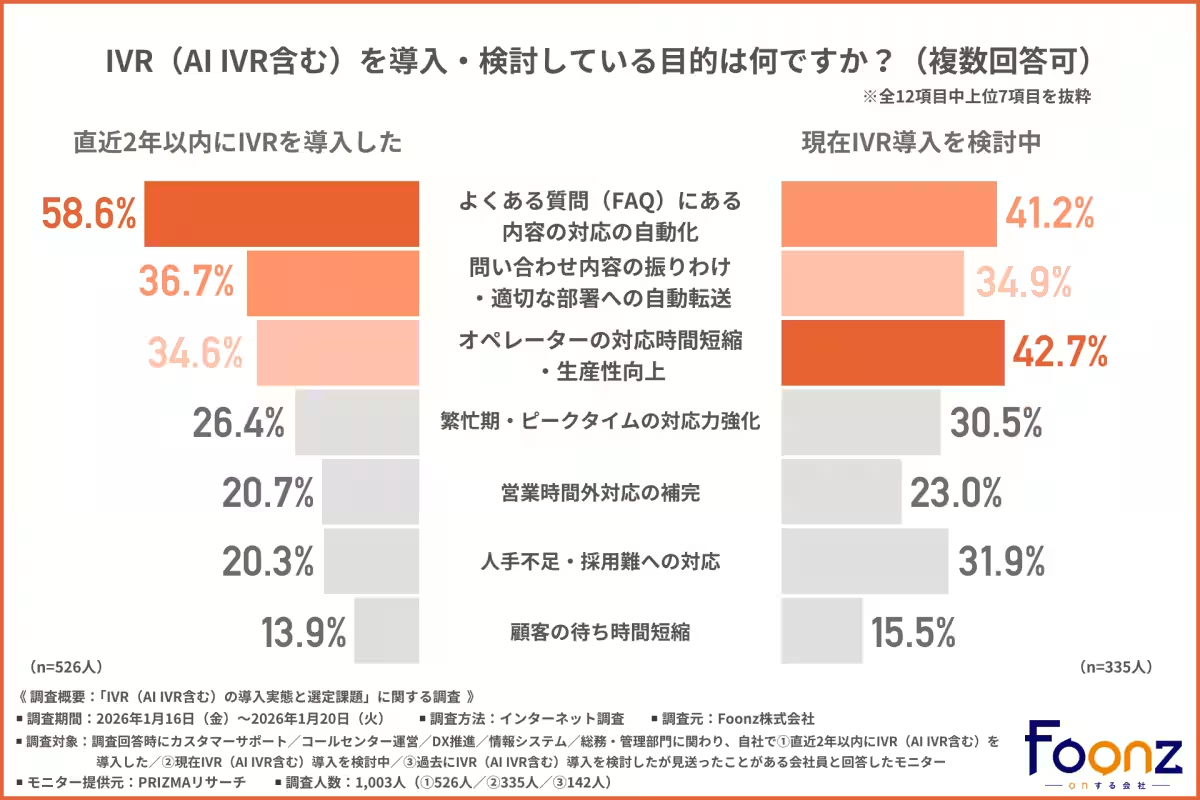
Approximately 58.6% of respondents who recently adopted IVR indicated that automating responses to frequently asked questions (FAQs) was their primary goal for implementation. Other objectives included routing inquiries to appropriate departments (36.7%) and shortening the time operators spend on calls (34.6%).
Interestingly, those currently considering IVR systems expressed slightly different priorities, with 42.7% prioritizing productivity gains, reflecting a growing emphasis on cost-saving measures combined with operational efficiency.
Reasons for Not Implementing
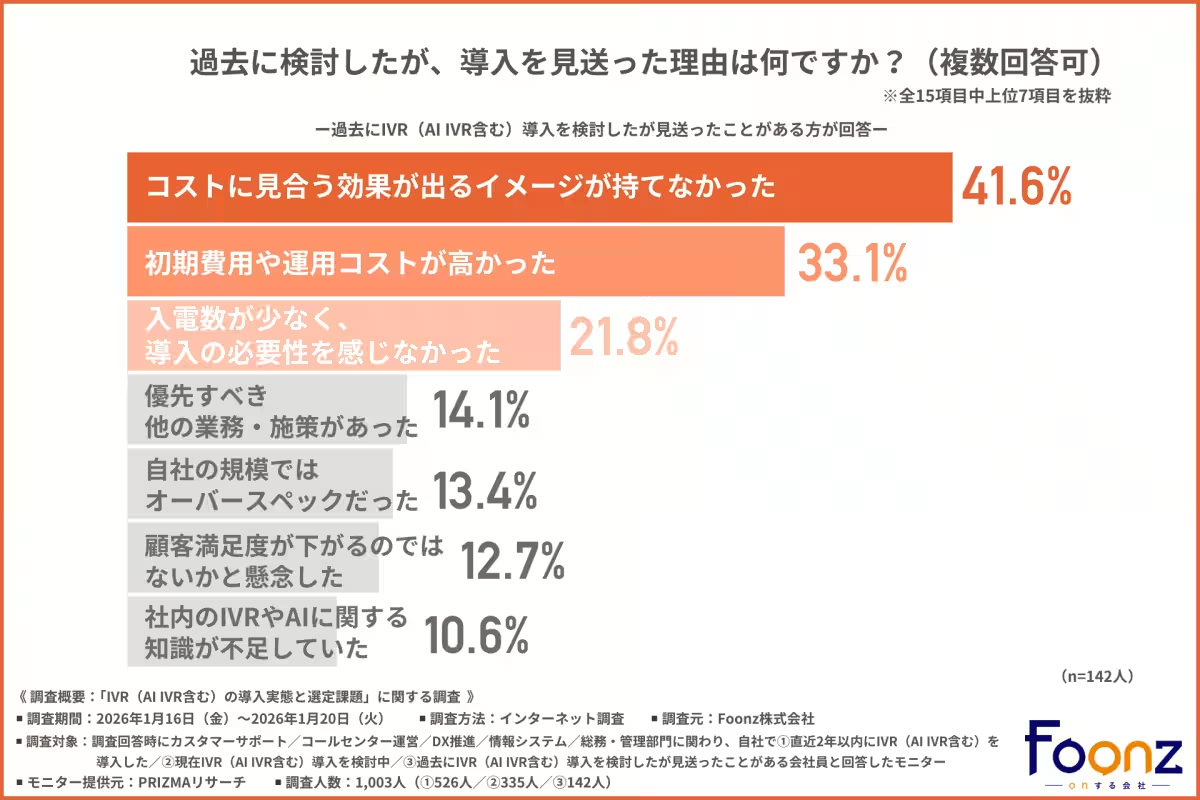
Conversely, for those who have previously evaluated but ultimately walked away from an IVR system, the most cited reason (41.6%) was a lack of clarity regarding the ROI. Concerns over high initial and operational costs (33.1%) and a perception of inadequate call volume needed for a system’s utility (21.8%) also weighed heavily in their decision-making process.
The Complexity of IVR Selection
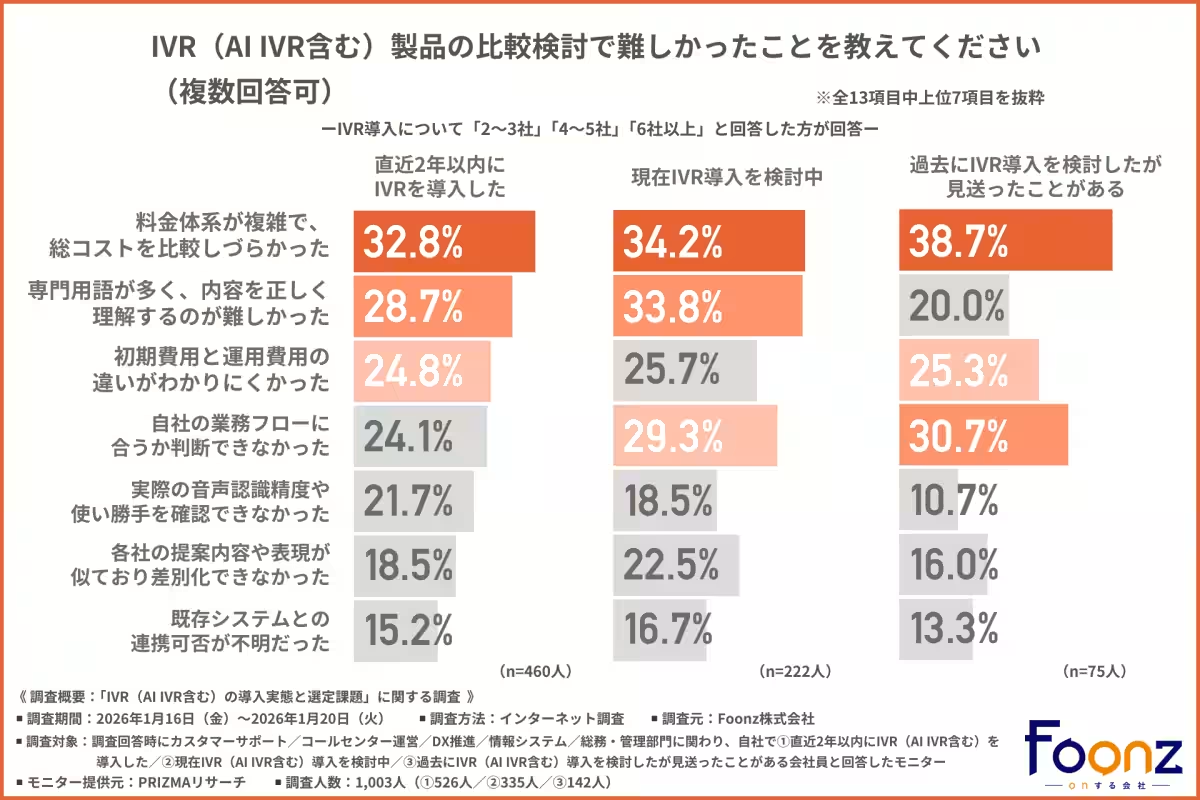
When it comes to comparing various IVR products, a significant barrier emerges: 32.8% of respondents highlighted the complexity of pricing structures as a hurdle that made it difficult to draw straightforward cost comparisons. This was accompanied by challenges in understanding technical terminology and differentiating between initial and ongoing costs.
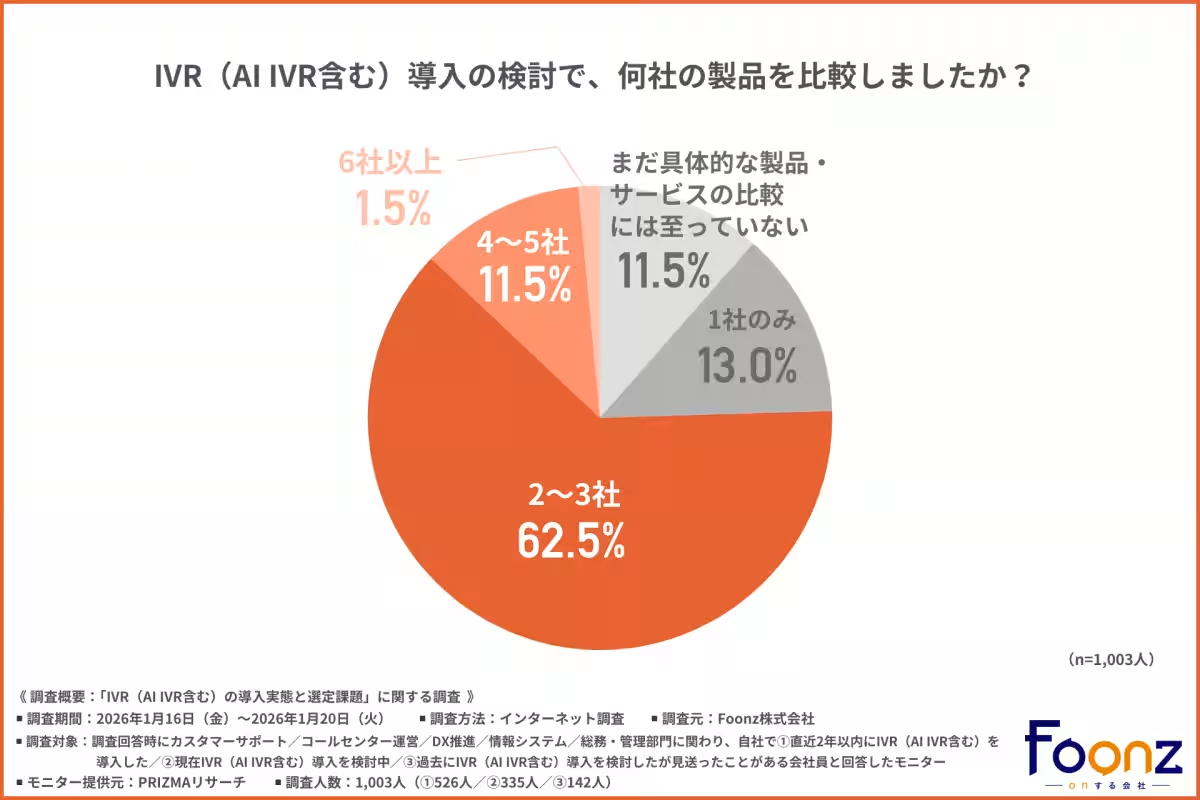
Approximately 62.5% of respondents compared 2 to 3 products, indicating a thorough approach to selection, while only 1.5% compared six or more options, suggesting that ease of analysis and workload are primary considerations for decision-makers.
Elements for Consideration
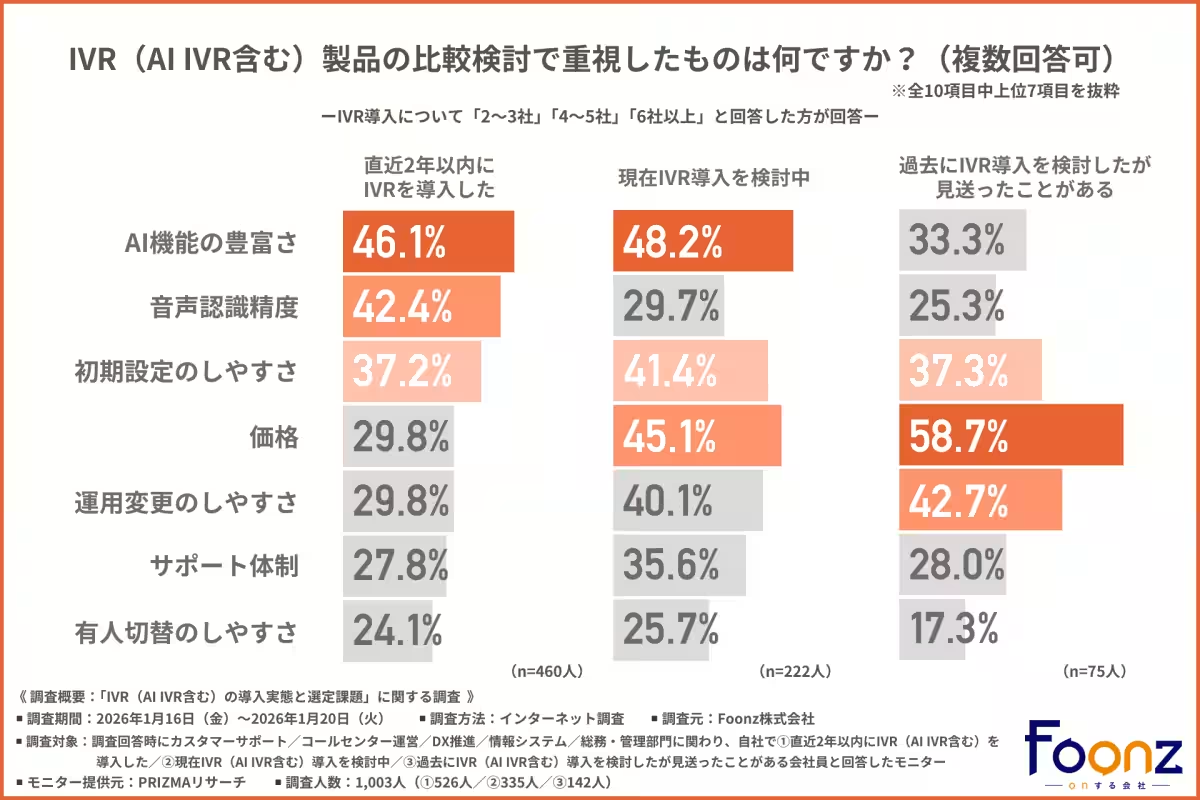
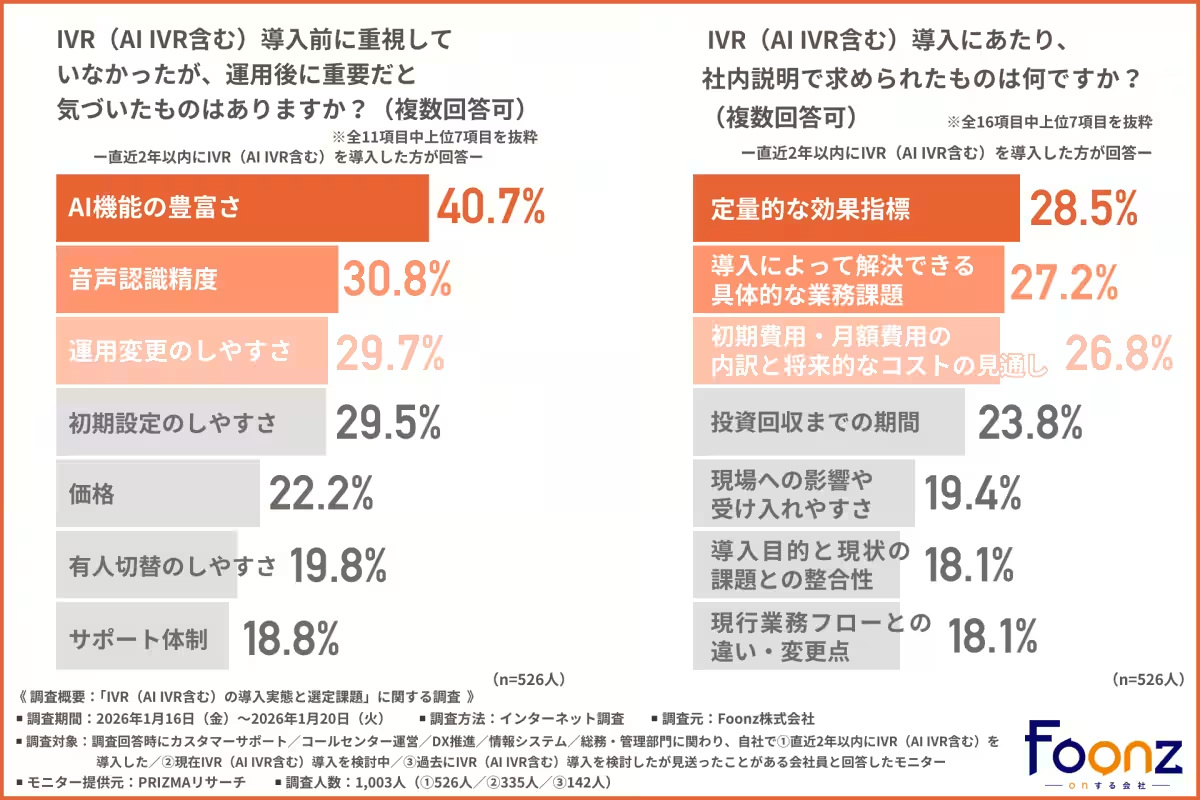
When investigating the features of IVR systems, those who had recently implemented them prioritized rich AI functionality (46.1%) and high voice recognition accuracy (42.4%). Conversely, past scrutinizers primarily focused on pricing (58.7%), illustrating the critical role of perceived value in the decision to either proceed with or forgo an IVR installation.
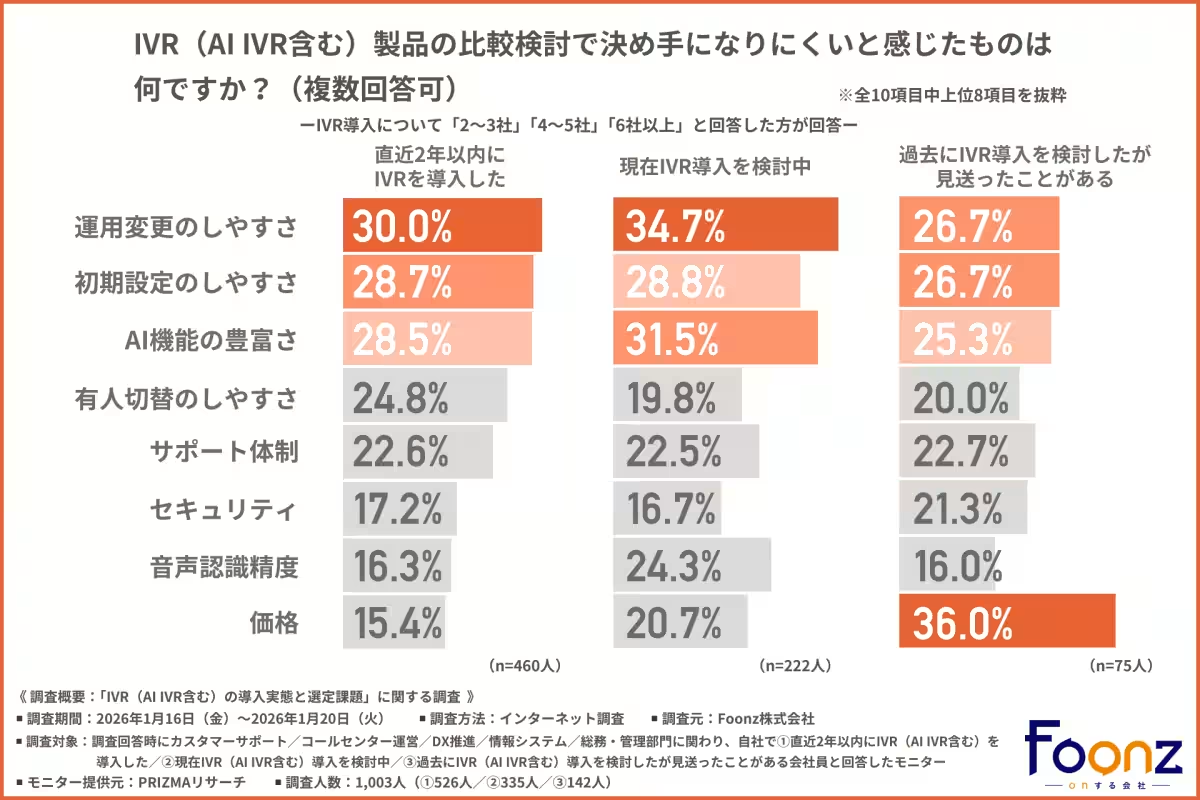
Furthermore, operational flexibility and ease of initial setup emerged as universal concerns across all groups surveyed, suggesting a strong desire for adaptability within their chosen systems.
Importance of Pre-Implementation Testing
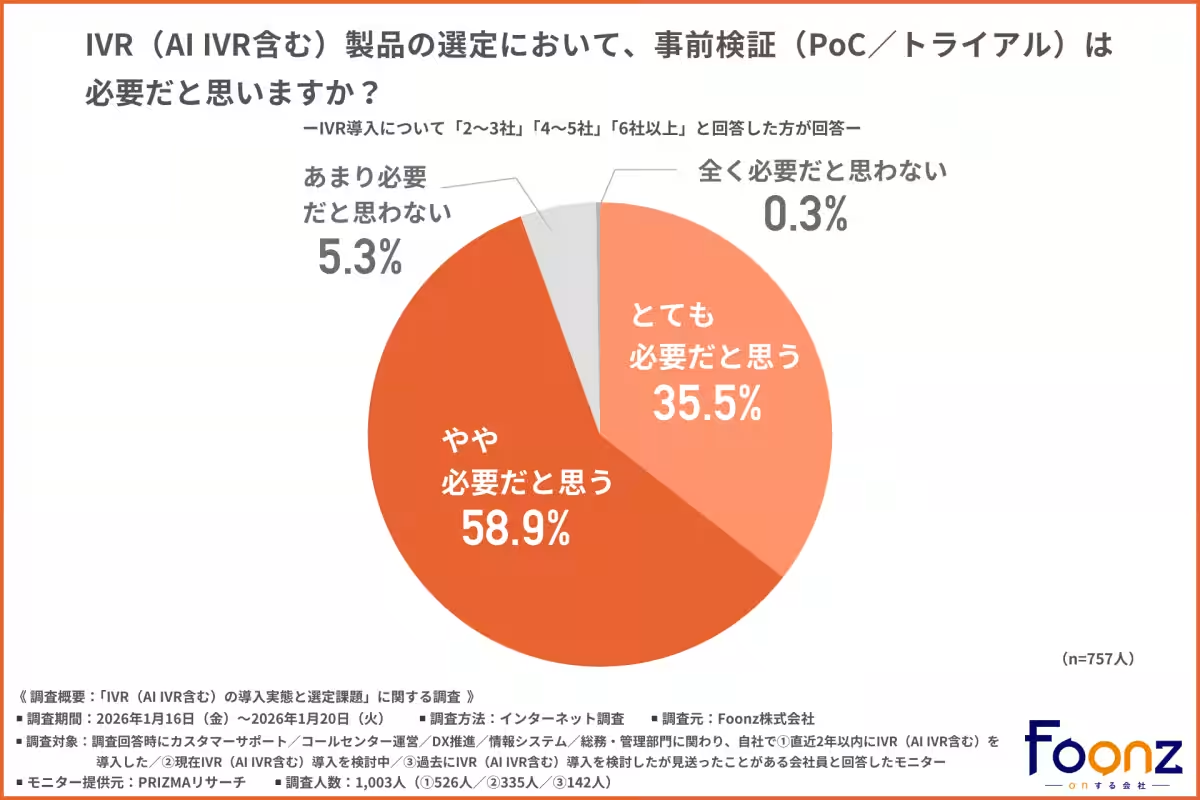
The necessity of pre-implementation verification (Proof of Concept or trial) is underscored by the majority of respondents feeling it was either 'very necessary' (35.5%) or 'somewhat necessary' (58.9%), totaling 94.4%. This indicates a widespread acknowledgment of the need to validate how an IVR system would integrate with existing business workflows and performance outcomes realistically.
Conclusions: The Path Forward for IVR Implementation
The findings underscore the balancing act companies must perform when considering IVR implementation, weighing the potential efficiency improvements against the complexity of the selection process. As Foonz Inc. has highlighted, focusing on operational verifiability and cost transparency are essential to demystifying implementation hurdles.
About Foonz Inc. and Some Key Offerings
Foonz (https://foonz.co.jp/) offers 'Sokucom', a service that enables complete management of communications through a single platform, enhancing operational effectiveness while ensuring competitive pricing schedules. Their solutions emphasize flexibility, cost-efficiency, and user-friendliness to allow organizations to optimize their customer interactions seamlessly.
In conclusion, while IVR systems present a pathway towards operational excellence in customer support, addressing the complex decision-making landscape and facilitating trial evaluations will be crucial for successful deployment.







Topics Consumer Technology)
【About Using Articles】
You can freely use the title and article content by linking to the page where the article is posted.
※ Images cannot be used.
【About Links】
Links are free to use.