



Impact of Generative AI on Management Practices in Companies
The Shift in Team Management with Generative AI
Introduction
In recent years, the introduction of generative AI technologies into the workplace has transformed traditional management practices. A recent survey conducted by G-Boone Co., Ltd. sheds light on the experiences of managers who oversee teams using these AI tools. The findings highlight significant changes in communication dynamics, productivity, and the challenges that arise from increased reliance on AI.
Background of the Study
It is projected that by 2026, generative AI will be standard in various industries, allowing teams to resolve basic tasks and questions autonomously. Understanding how this technology impacts managerial roles is crucial for future workplaces. Therefore, G-Boone Co., Ltd. undertook a study focused on managers with team members utilizing generative AI, aiming to elucidate evolving management strategies and team communication in the AI era.
Key Findings of the Survey
Decrease in Questions and Consultations
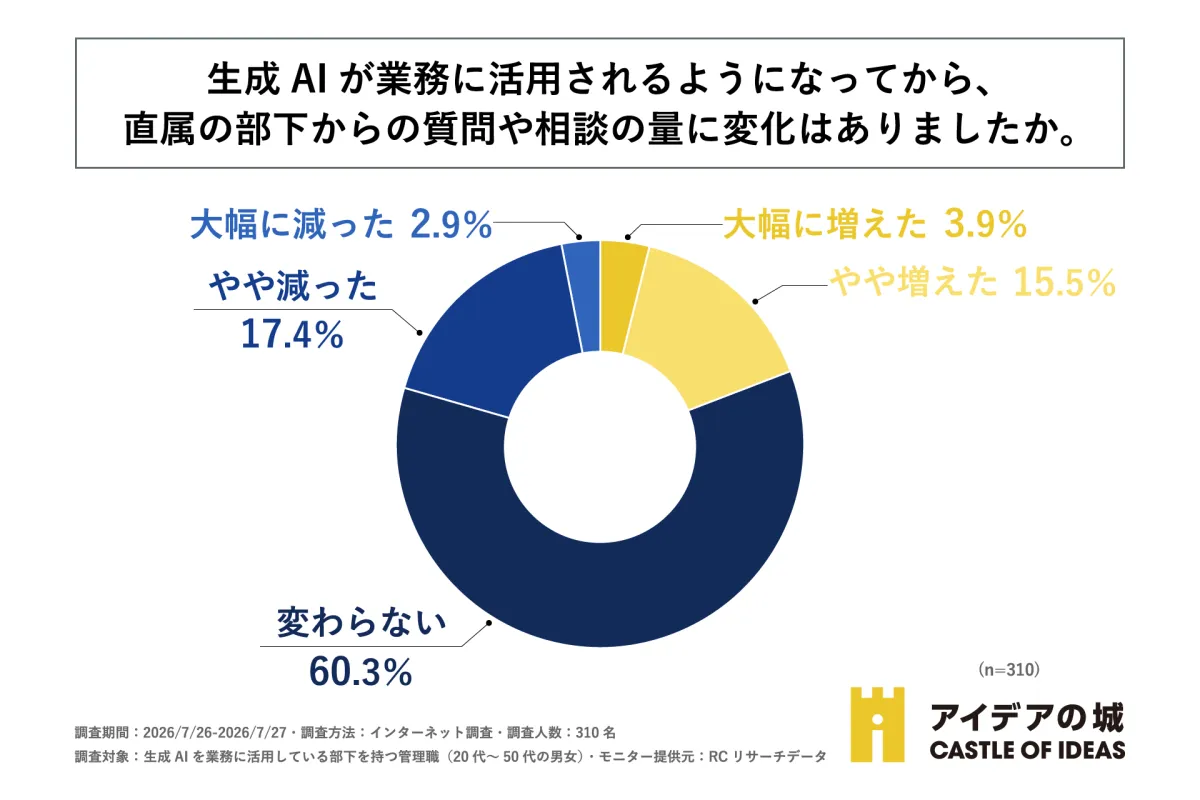
The survey revealed that over 20% of managers noted a decline in the volume of questions and consultations from their subordinates since the introduction of generative AI. When asked about changes in their communication dynamics, 60.3% responded that their experiences remained the same, while 17.4% recognized a slight decrease. This suggests that generative AI has altered the way team members seek assistance, reflecting a growing dependence on AI-generated information.
Changes in Communication Quality
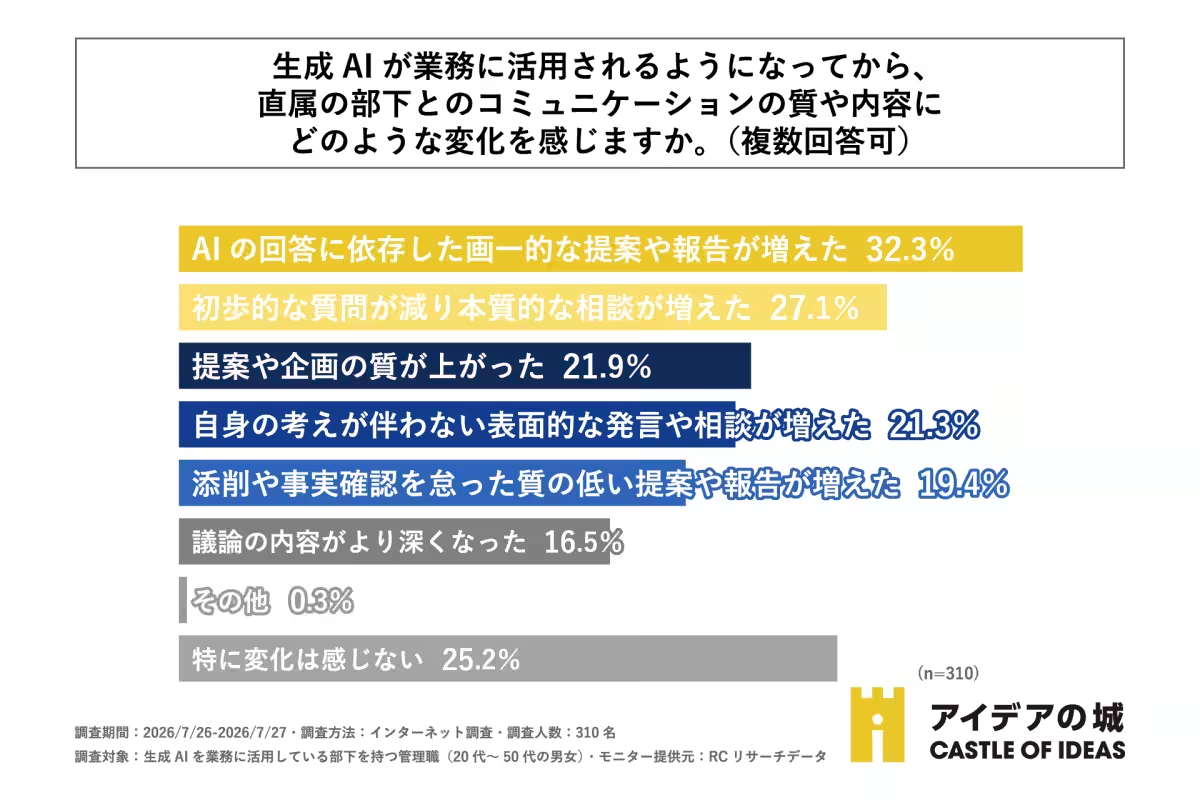
The study also identified notable shifts in the quality of communication between managers and their teams. Approximately 32.3% of respondents indicated an increase in standardized proposals and reports relying heavily on AI-generated responses. In contrast, 27.1% observed a decrease in basic inquiries, leading to more substantive discussions. This trend indicates that while AI has enhanced efficiency, it may also condition employees to lean too heavily on artificial assistance rather than engaging in critical thinking.
Management Challenges
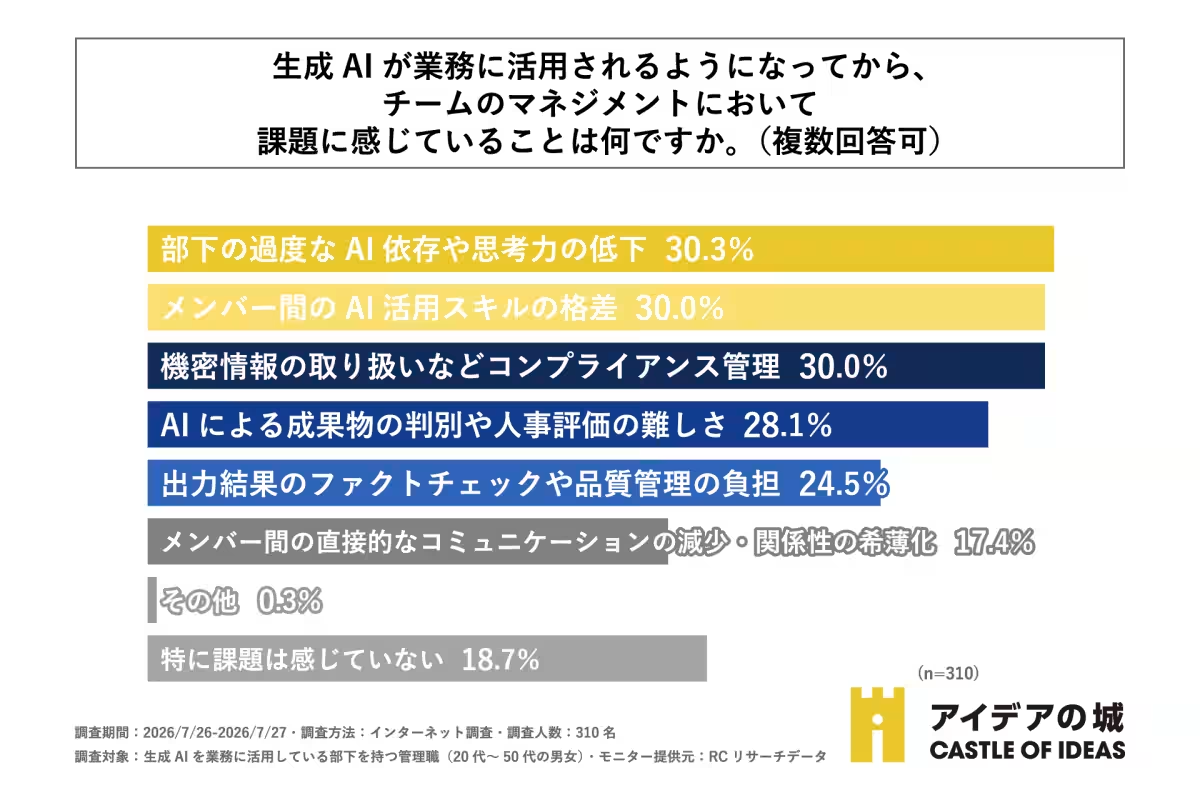
Amid the advantages brought by AI, managers reported several challenges. Leading concerns included excessive dependency on AI (30.3%), disparities in AI utilization skills among team members, and compliance with confidentiality regulations, both of which garnered 30% of responses. Such findings underscore the necessity for teams to strike a balance between leveraging AI capabilities and maintaining human intellect and compliance integrity in operations.
Key Drivers of Future Productivity
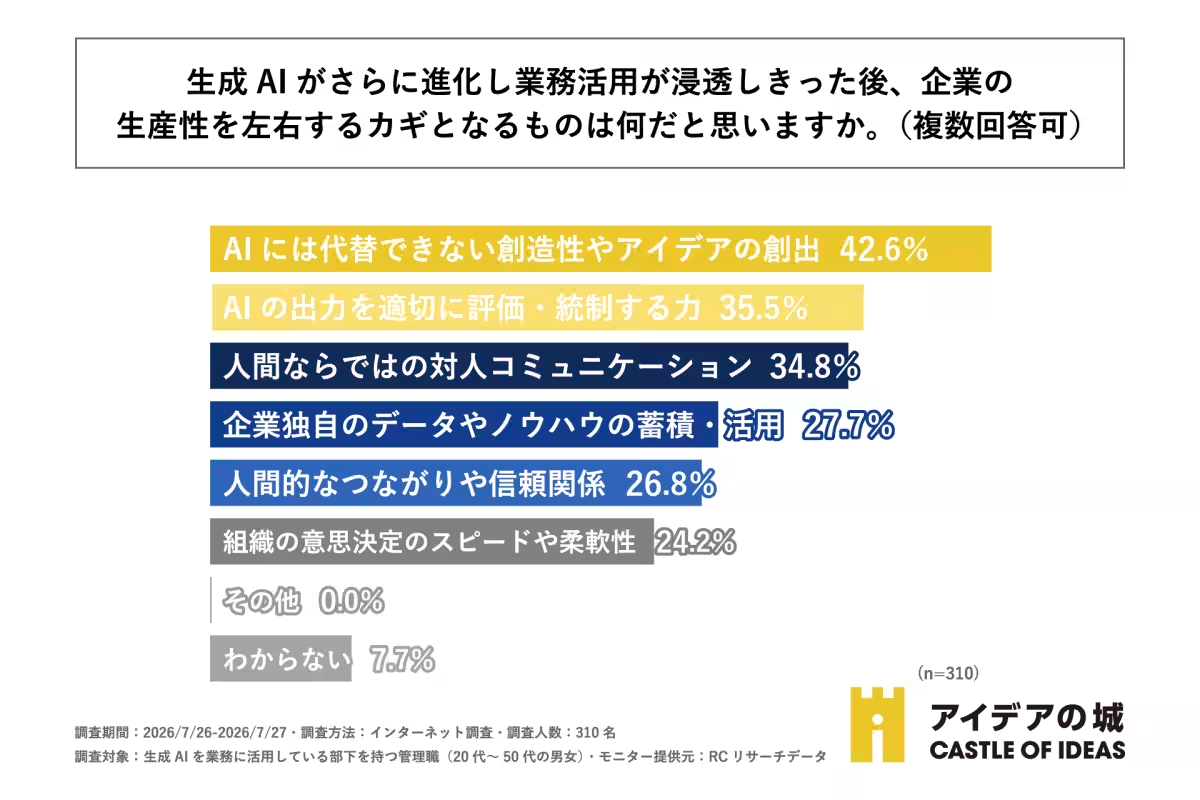
Respondents were also questioned about future drivers of productivity in their workplaces. The top three factors identified were:
1. Creativity and idea generation that AI cannot replicate (42.6%)
2. The ability to evaluate and regulate AI outputs adequately (35.5%)
3. Interpersonal communication skills unique to humans (34.8%)
These insights highlight that human ingenuity, critical evaluation, and communication remain paramount in the growing presence of AI in professional settings.
Focus Areas for Management
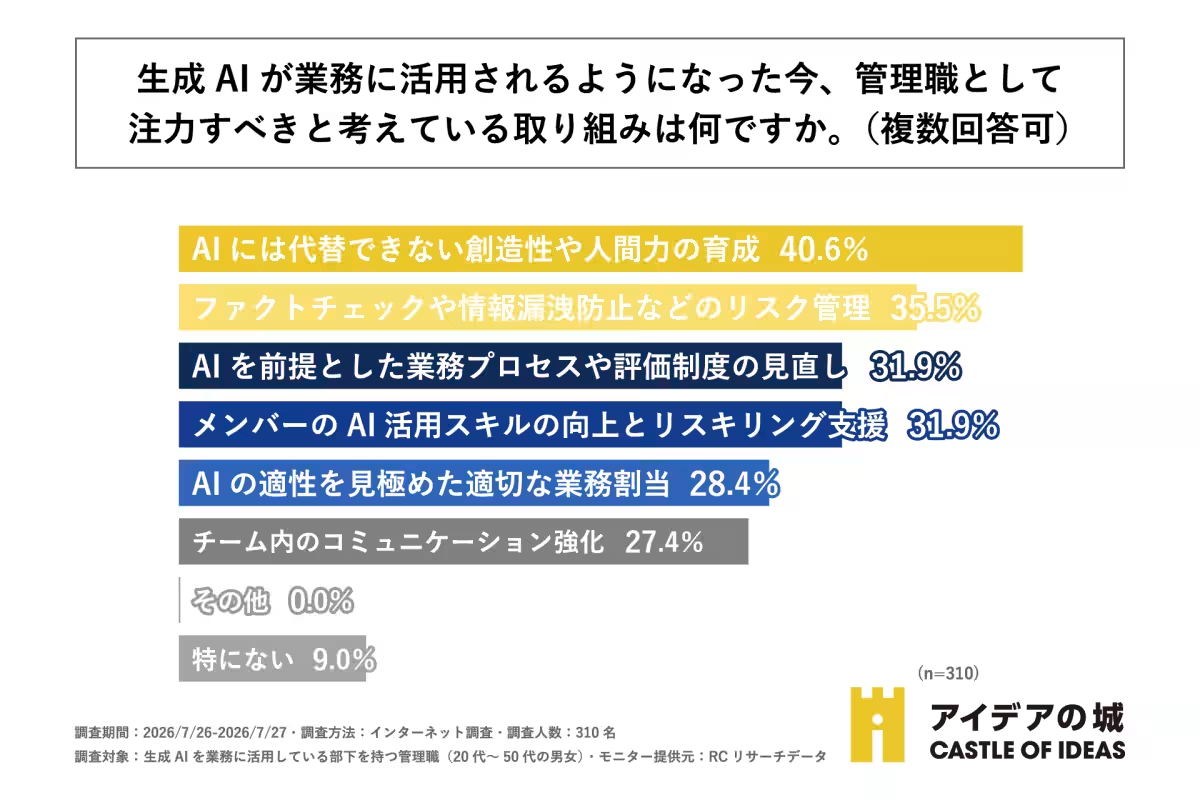
When asked what initiatives managers should prioritize, 40.6% pointed towards fostering creativity and human-centric skills, which cannot be substituted by AI. Other notable areas included risk management strategies and enhancing team members' AI skills through reskilling initiatives.
Conclusion
In summary, the findings from G-Boone's survey reveal that generative AI, while enhancing efficiency within teams, also poses challenges that require effective management. As communication patterns change and the nature of inquiries shifts, managerial roles must adapt to support their teams better while encouraging human creativity and critical thinking. The creation of innovative environments, such as those offered by G-Boone's “Castle of Ideas,” aims to foster this balance by allowing teams to explore creative avenues and address challenges collaboratively. Through such spaces, companies can enhance teamwork and ensure that AI serves as a tool for innovation, not a crutch that undermines human potential.
As we navigate the intersection of technology and management, it’s clear that the future demands a careful blend of human creativity and AI efficiency to drive true innovation in the workplace.
Topics People & Culture)
【About Using Articles】
You can freely use the title and article content by linking to the page where the article is posted.
※ Images cannot be used.
【About Links】
Links are free to use.