



Innovative Chewing Gum Training Improves Oral Function in Yamaguchi Preschoolers
Effective Oral Function Training Through Chewing Gum
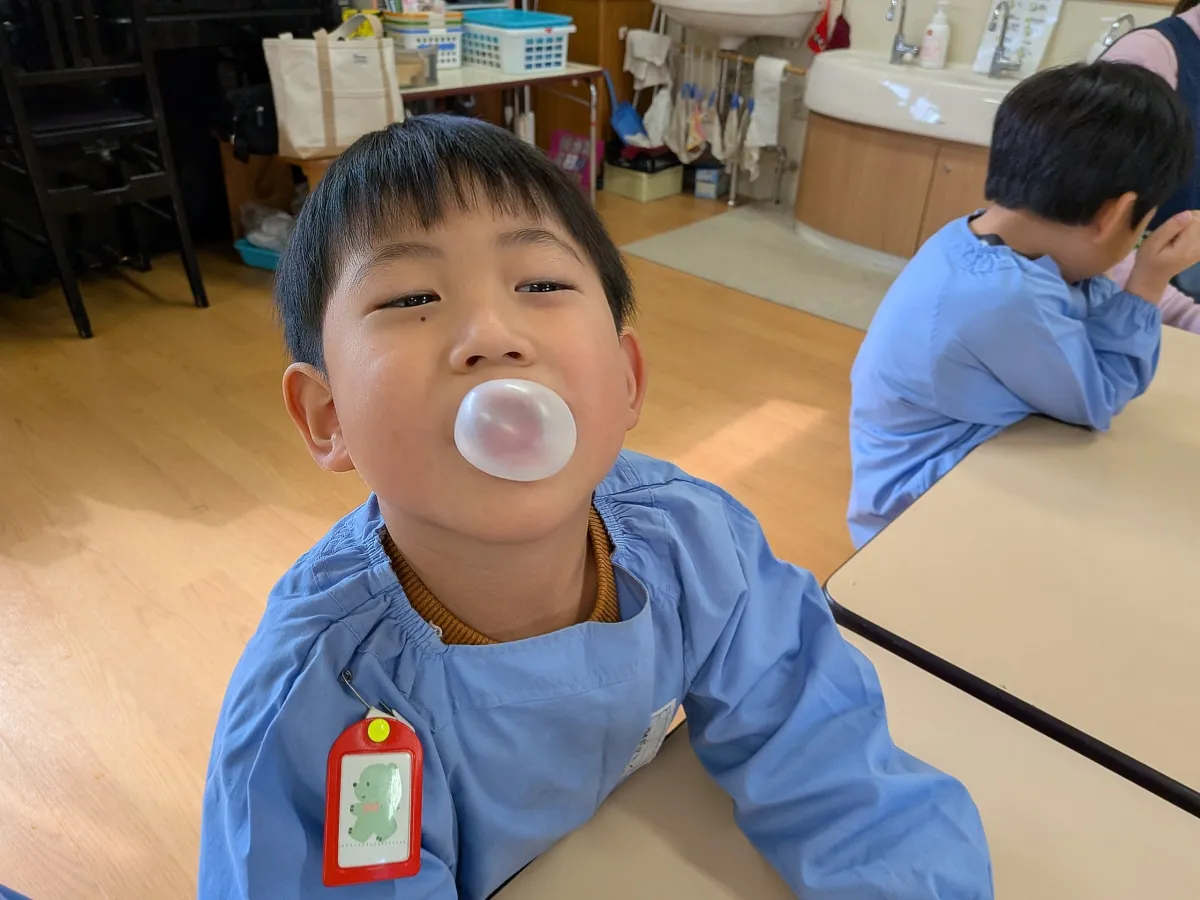
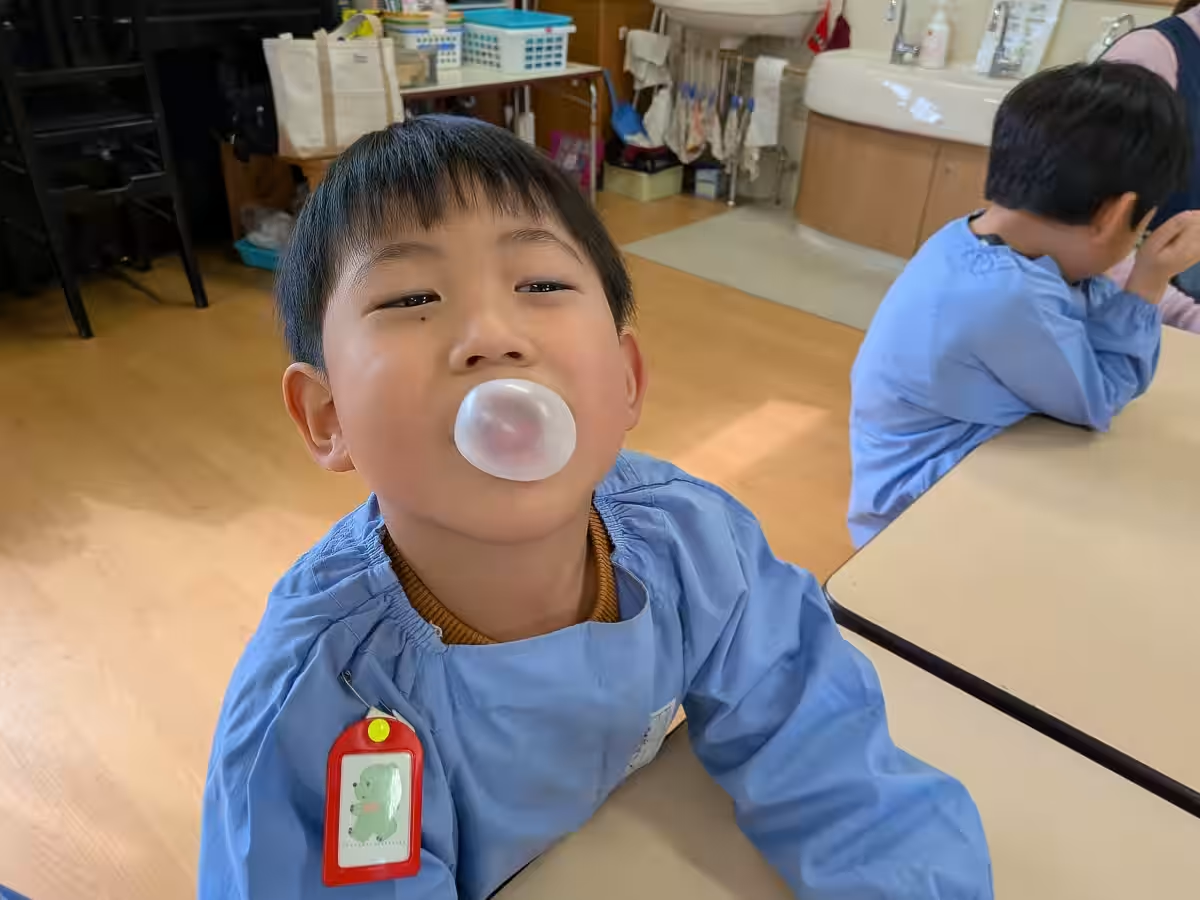
In an exciting initiative, nearly 60% of preschool children in Yamaguchi Prefecture have shown improvement in their oral function through an innovative training program involving chewing gum. This initiative was carried out in collaboration between the Lotte Company and the Yamaguchi Dental Association, targeting 1,093 kindergarteners across 54 schools. The training ran for two months, and parents, as well as teachers, reported noticeable improvements in aspects such as mouth posture, chewing sounds during meals, and snoring during sleep.
Training Implementation and Results
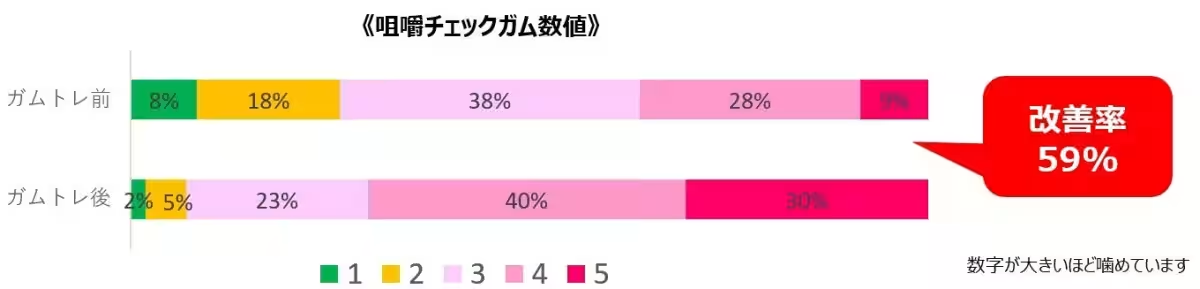
Over the course of two months, children participated in a chewing gum training regimen. The effectiveness of their improvement was measured using Xylitol chewing check gum before and after the training. An impressive 59% of the participants showed significant improvement, as confirmed by a survey of 408 parents, where 44% indicated a noticeable reduction in their children’s mouth opening habits. Additionally, parents reported a 52% improvement in the noise made while chewing and a 47% decrease in snoring.
High Satisfaction Rates Among Parents and Teachers
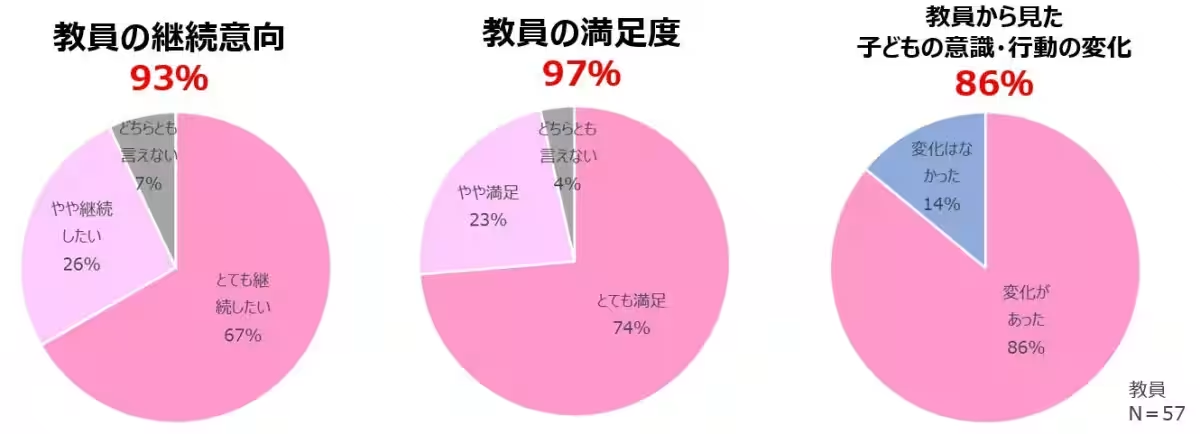
Both parents and teachers expressed overwhelmingly positive feedback about the program. An impressive 93% of teachers indicated a desire to continue with the chewing gum training, highlighting its effectiveness. Satisfaction levels soared to 97%, while 86% noted observable changes in both awareness and behavior among the children.
Insights From Parents and Teachers
Parents reported various behavioral changes, such as:
- - Increased awareness of chewing and less mouth opening.
- - Enhanced muscle use leading to cuter expressions.
- - Improved dental hygiene practices, with children voluntarily brushing their teeth at night.
- - Reduced noise during meals.
Teachers observed that students:
- - Became more conscious of chewing and improved their pronunciation.
- - Social behaviors improved as children celebrated each other’s successes.
- - Developed good brushing habits and learned to chew quietly with their mouths closed.
Expert Opinions on the Impact of Oral Function Training
The President of the Yamaguchi Dental Association highlighted concerns about children’s declining ability to chew and the increasing issues related to oral muscle strength, which also affects other skills such as playing musical instruments. He emphasized the importance of early intervention and education regarding oral health, noting that this program could significantly benefit children's chewing ability and overall health awareness.
Overview of the Chewing Gum Training Program
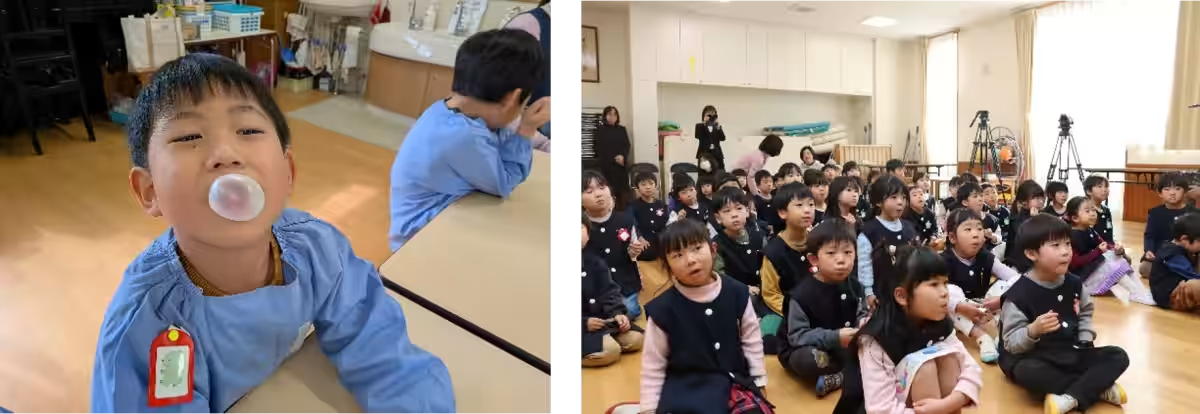
The program was designed for preschoolers in various educational settings such as childcare centers and kindergartens. Children received two months' worth of Xylitol gum and participated in daily training sessions focusing on chewing techniques. Comprehensive assessment tools were used to monitor progress.
Advantages of Chewing Gum for Children
Research has shown that chewing gum has numerous benefits, including:
1. Oral Development: Regular chewing can enhance muscle strength and movement in the mouth, crucial for functions like eating and speaking.
2. Academic Performance: Studies have indicated improved concentration and academic scores among students who chew gum while studying.
3. Physical Performance: Chewing gum can enhance reaction times and overall agility in physical activities.
4. Immune Response: Chewing gum can stimulate saliva production, boosting immunity.
Fun Oral Exercises to Facilitate Development
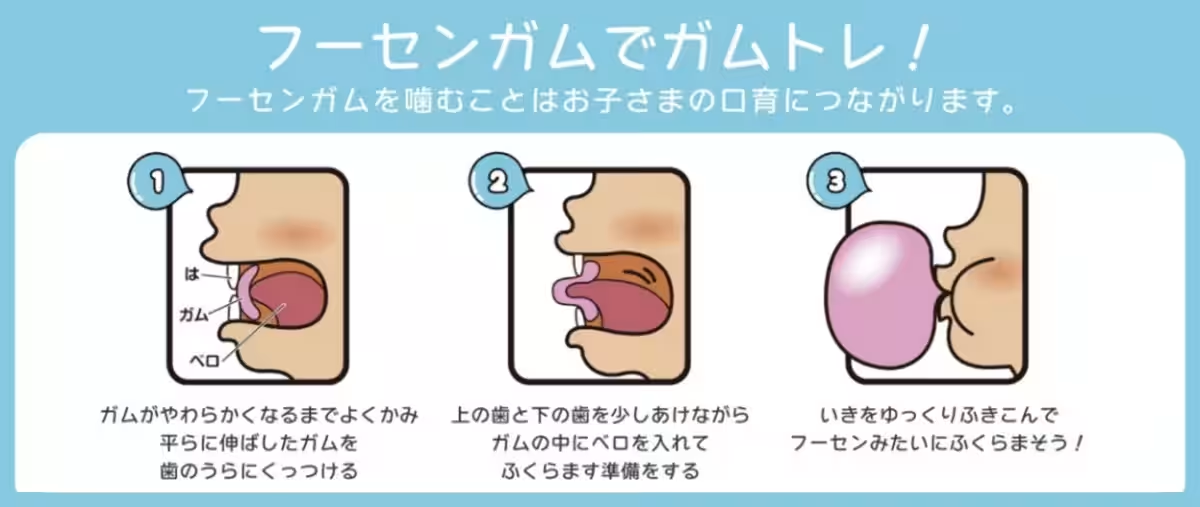
Playing traditional games that utilize the mouth, such as blowing bubbles or blowing whistles, can aid in oral motor skills development. Chewing gum not only promotes biting and chewing but also involves controlling the tongue and closing the mouth, thereby enhancing overall oral fitness.
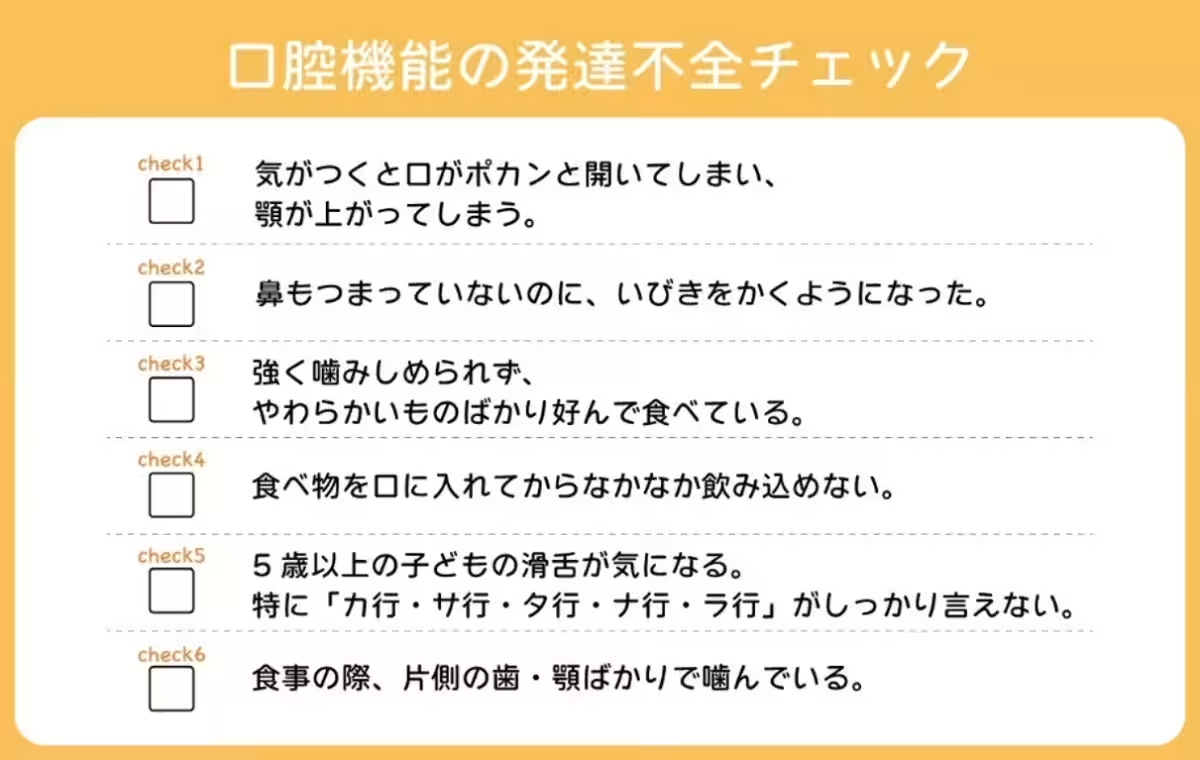
Are Your Children’s Oral Functions Developing Adequately?
It's important for parents to check if their children display any symptoms of oral function issues. If several symptoms apply, consider consulting a professional. The initiative in Yamaguchi proves that through collaborative efforts, we can foster healthier habits in the young generation and celebrate a more proactive approach to oral health.
Conclusion
The collaboration between Lotte and the Yamaguchi Dental Association illustrates the potential for successful educational programs to foster healthier habits among preschoolers. As the program continues, its broader impact on children's oral health and proactive care habits will be closely monitored to ensure lasting benefits in the community and beyond.



Topics Health)
【About Using Articles】
You can freely use the title and article content by linking to the page where the article is posted.
※ Images cannot be used.
【About Links】
Links are free to use.