


Revolutionizing Office Art: Embedded Blue and Pixie Dust Technology's Innovative Collaboration
A New Era for Office Art
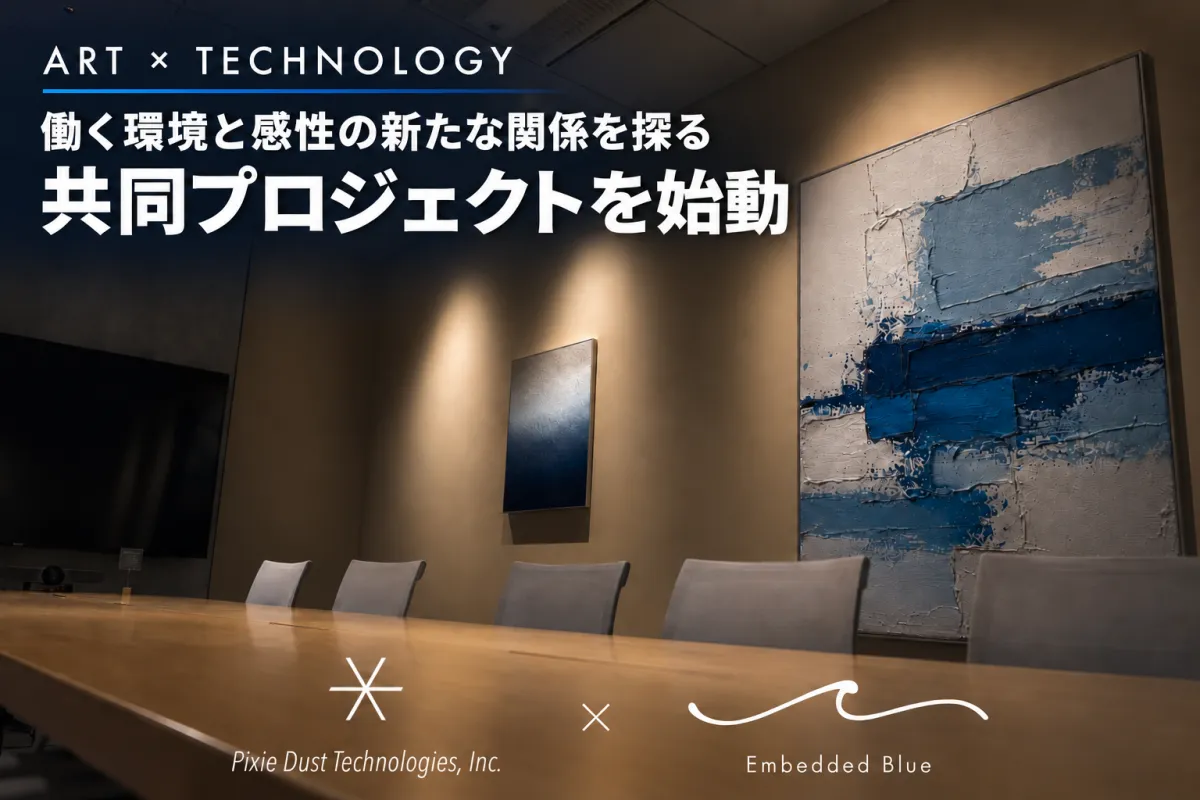
Embedded Blue, based in Shinagawa, Tokyo, is taking a groundbreaking step in merging art with technology through a collaboration with Pixie Dust Technologies (PxDT), also based in Tokyo. Their co-creation project, titled “ART with iwasemi”, aims to revolutionize the way art is introduced into workspaces, particularly offices. This initiative emphasizes the integration of sound control technology, known as iwasemi OC-β, into artwork, fundamentally changing the concept of art from mere decoration to an essential part of the space's functionality.
The Vision Behind ART with iwasemi
The campaign is designed to embed artwork directly into the spatial environment, rather than simply hanging it on walls. By integrating sound absorption properties into the back of these artworks, the team hopes to improve acoustic quality and create more conducive working atmospheres. This innovative installation method will undergo practical experiments in various environments by the end of fiscal 2026, with plans already underway to recruit participating companies.
Context and Background
The Japanese art market's sales are estimated to reach over 103.1 billion yen by 2024, making up only 1% of the global market, as reported by the Agency for Cultural Affairs. The display of art in public and private spaces has been somewhat limited, despite numerous studies highlighting its benefits. Research has shown that art positively impacts workplace communication, creativity, and stress reduction.
However, resistance to art installations in corporate settings largely stems from a lack of understanding of its value rather than their effectiveness. The traditional approach only considers art as a decorative element, often relegating it to the bottom of the budget hierarchy. This convention has led to minimal integration of art into updated workspace designs.
Bridging the Gap with Technology
In contrast, the improvement of auditory environments has been well recognized. With glass and concrete becoming prevalent in office designs and the rise of web conferencing, companies are increasingly noting issues like echo and disruptive noise. These issues are taken into account during interior design planning, allowing for an opportunity to redefine the approach to art integration.
By treating art as a solution to acoustic problems, Embedded Blue and PxDT can consider installations as part of a comprehensive design strategy rather than mere aesthetic upgrades—transforming the role of art in modern workspaces.
Installation Methodology
The conventional method of displaying art typically involves hanging it on walls post-construction. In contrast, the innovative approach aims to embed sound-absorbing materials directly into artistic displays. This paradigm shift opens new avenues for considering art as an integral element of environmental design, similar to how one would factor in lighting or acoustics.
Key Features of the New Installation Method:
- - Common Method: Art is hung or placed on surfaces.
- - New Method: Art incorporates sound-absorbing structures behind it, enhancing functional value.
- - Budget Consideration: This method shifts from being merely decorative to being seen as a vital component of environmental modification, integrating art into the broader design budget.
Initial Implementation and Evaluation
The first phase of the project will focus on using the iwasemi OC-β to absorb reverberation in human conversation frequencies (500-1000Hz) through art installations in various venues such as offices, hotels, and healthcare facilities. The impact will be evaluated by measuring reverberation time before and after installations, coupled with user experience assessments. This design aims for scalability across multiple installations and artistic works beyond the initial prototypes.
Collaborative Roles
- - Pixie Dust Technologies: Responsible for providing the sound control technology, designing sound-absorbing structures, conducting acoustic measurements, and analyzing data.
- - Embedded Blue: Will be in charge of designing the installation methods, conceptualizing spatial layouts, directing artists, managing the creation process, and conducting user evaluation of the installations.
Call for Participation
The project invites companies to participate by hosting temporary installations of art sound-absorbing panels in spaces suffering from acoustic challenges, such as meeting rooms and open areas. Participants will be encouraged to assess acoustic improvements and share experiences from users through surveys.
The Benefits of This Initiative
Implementing this revolutionary art-and-technology hybrid not only addresses specific sound environment challenges within a workspace but also provides an opportunity for firms to showcase their commitment to innovative design. Companies will benefit from improved workplace environments, alongside promotional opportunities by being featured in an avant-garde art-technology case study.
Final Thoughts from the Leaders
The executives from both companies express their enthusiasm about the project. According to Takahiro Murakami, CEO of Pixie Dust Technologies, the goal is to seamlessly blend technology into our environments to solve challenges unobtrusively. This creative synthesis aims to present new, engaged artistic expressions that enhance spatial aesthetics and functionality. Embedded Blue's Shou Kataoka shares a vision of rethinking how companies implement art in practical and innovative ways.
Together, they hope to redefine the future of art in corporate spaces and encourage a broader range of enterprises to join this journey.
For more details and participation inquiries: Go to Contact Form

Topics Consumer Products & Retail)







【About Using Articles】
You can freely use the title and article content by linking to the page where the article is posted.
※ Images cannot be used.
【About Links】
Links are free to use.