




Managing Multi-Store and Multi-Location Businesses: A Study on Information Management Practices
Managing Multi-Store and Multi-Location Businesses: Insights from a Recent Study
In today's rapidly evolving business landscape, the management of multi-store and multi-location operations is becoming increasingly complex. A recent study conducted by DreamArts, a cloud service provider based in Japan, offers crucial insights into how companies manage their store-related information. The 2026 survey, which targeted 400 employees and executives from companies with over 50 locations, aims to uncover the realities of information handling in multi-location businesses.
Key Findings
A Heavy Reliance on Excel and Paper
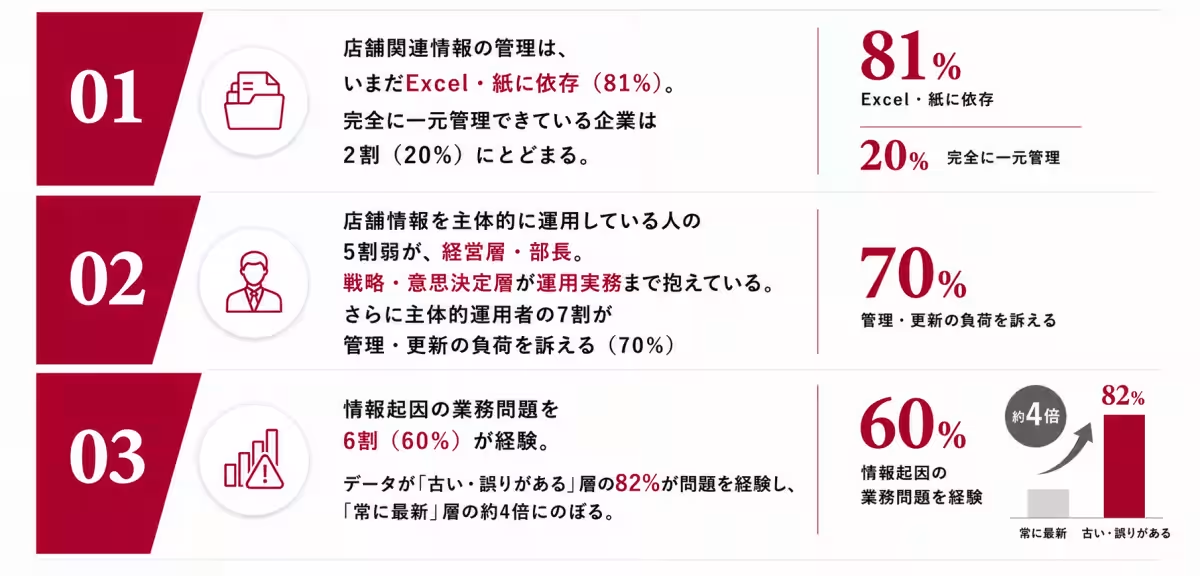
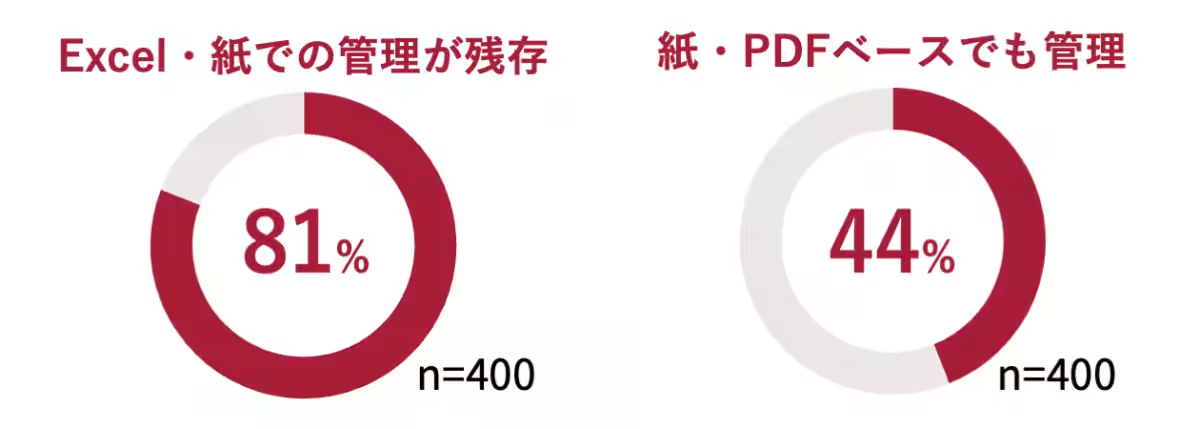
The survey results indicate that approximately 81% of organizations still depend on traditional methods such as Excel or paper for managing their store and location information. Notably, 44% of respondents reported that their management practices involve relying on physical documents like PDFs. This trend is particularly pronounced in sectors like retail, real estate, and services, where multiple management methods often coexist.
Fragmented Information Management
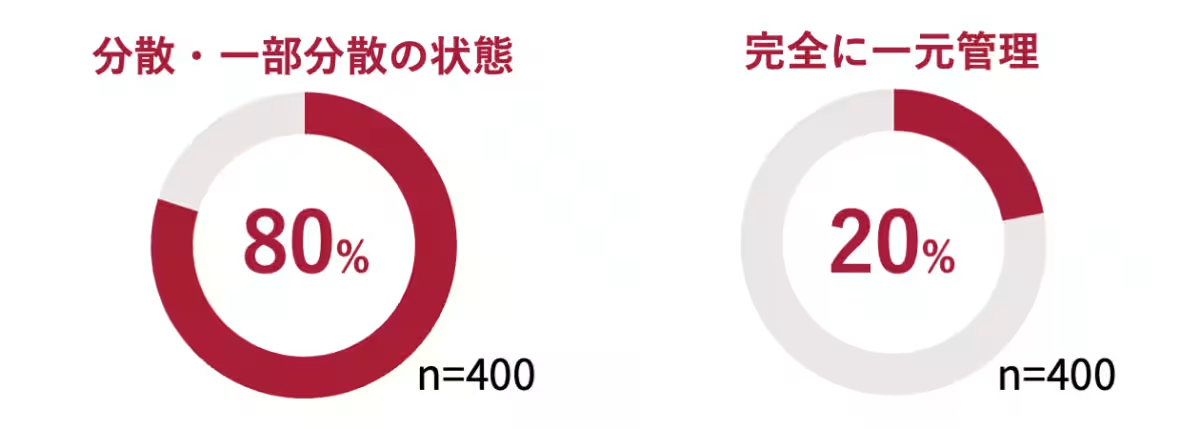
Furthermore, the study highlights a challenge faced by many companies—80% of participants indicated that they use fragmented management systems, with only 20% achieving full centralized control of their data. Such fragmentation can lead to diminished data accuracy and timeliness, posing risks to effective decision-making.
Operational Challenges
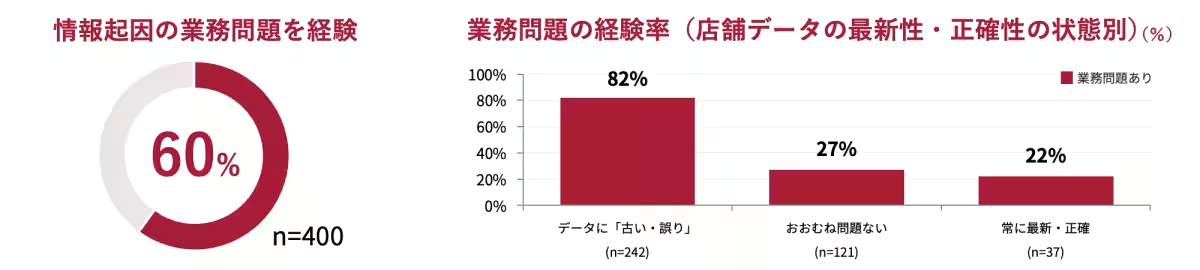
The repercussions of poor information management are evident, as 60% of respondents have encountered operational issues due to outdated or inaccurate data. Among those who reported problems, a staggering 82% acknowledged instances of incorrect or dated information, highlighting a critical gap compared to the 22% who were confident in the accuracy of their data.
Leadership Burden
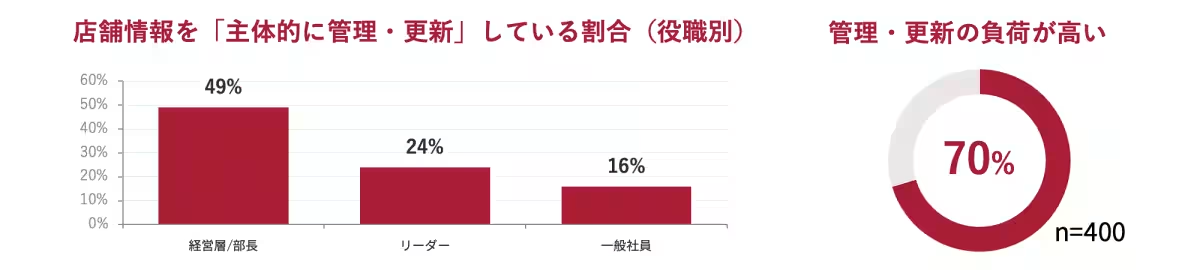
Interestingly, the survey reveals that 49% of individuals responsible for managing and updating information are at the executive or departmental manager level, which is a threefold increase compared to general employees. This concentration of responsibility at higher management levels not only serves as a potential bottleneck but also contributes significantly to operational burdens, with 70% of these leaders acknowledging the high demands of their roles.
Roadblocks to Improvement
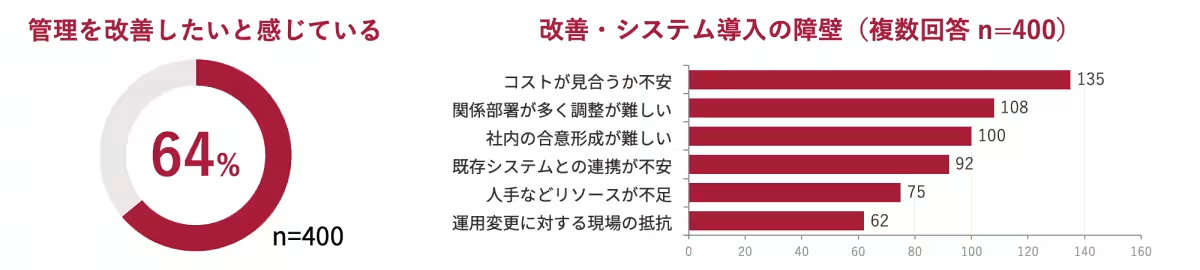
When queried about the desire for improved information management, 64% of participants expressed a need for enhancements. However, they identified key barriers such as concerns around costs and challenges in cross-departmental coordination as significant hurdles. Despite recognizing the need for improvement, many companies struggle with implementing solutions due to these interconnected issues.
Implications and Recommendations
The findings from DreamArts' survey emphasize that the management of store and location information is not merely an operational task—it's foundational to effective decision-making across organizations. As businesses navigate the complexities of multi-location operations, having a systematic approach to information management is crucial. Companies must transition from viewing data management as a routine practice to understanding it as an integral part of their strategic framework.
To facilitate this transition, organizations should adopt centralized management systems capable of maintaining accurate, up-to-date information across all levels. Such systems can enhance operational efficiency, mitigate risks associated with decision-making, and ultimately, drive organizational growth.
The full report of the survey is available for download, providing detailed insights and recommendations designed to aid organizations in managing multi-location operations effectively. Download the full report here.
Conclusion
In summary, the management of store and location information remains a significant challenge for many multi-location enterprises. DreamArts has underscored the importance of transitioning to centralized systems that prioritize data accuracy and accessibility, setting the stage for better-informed decision-making that supports business growth in an increasingly complex marketplace.


Topics Business Technology)
【About Using Articles】
You can freely use the title and article content by linking to the page where the article is posted.
※ Images cannot be used.
【About Links】
Links are free to use.