



The Tokyo Bay eSG Project: Pioneering Next-Generation Mobility Solutions
The Tokyo Bay eSG Project: Pioneering Next-Generation Mobility Solutions
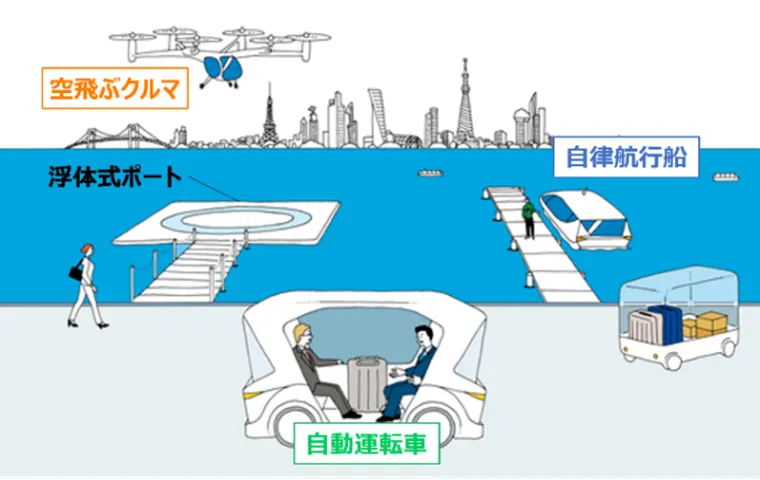
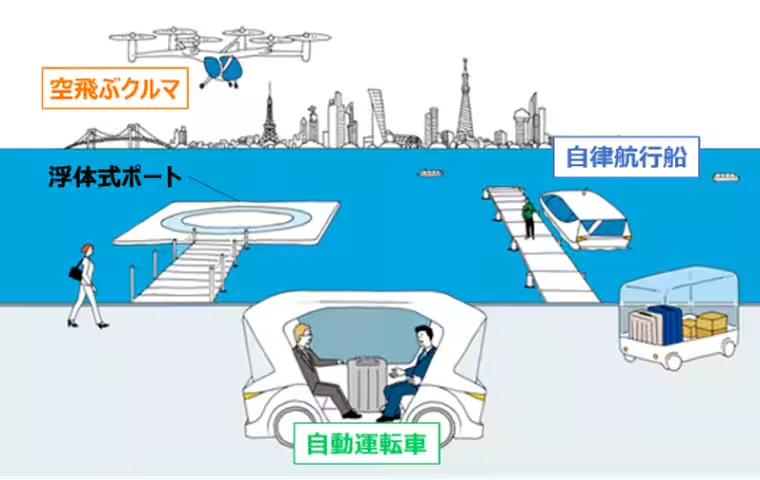
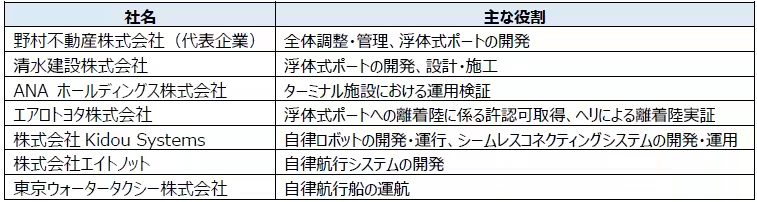
The Tokyo Bay eSG Project is making significant strides in the field of next-generation mobility, showcasing innovative solutions that integrate various transportation modes. Launched by a consortium of prominent Japanese companies, including Nomura Real Estate, Shimizu Corporation, ANA Holdings, Aerotoyota, Kidou Systems, Eightknot, and Tokyo Water Taxi, the project aims to develop a multi-modal Mobility as a Service (MaaS) system centered around floating ports for electric vertical takeoff and landing vehicles (eVTOL).
The Genesis of the Project
In October 2023, the Tokyo Bay eSG Project commenced its operational phase for the fiscal year 2023, focusing on pioneering the implementation of next-generation mobility systems. The initiative has been designed to address pressing urban challenges through a sustainable approach, integrating advanced technologies to create a resilient urban infrastructure. The project will conclude in March 2026, marking a significant milestone in the pursuit of efficient urban mobility solutions.
Objectives and Innovations
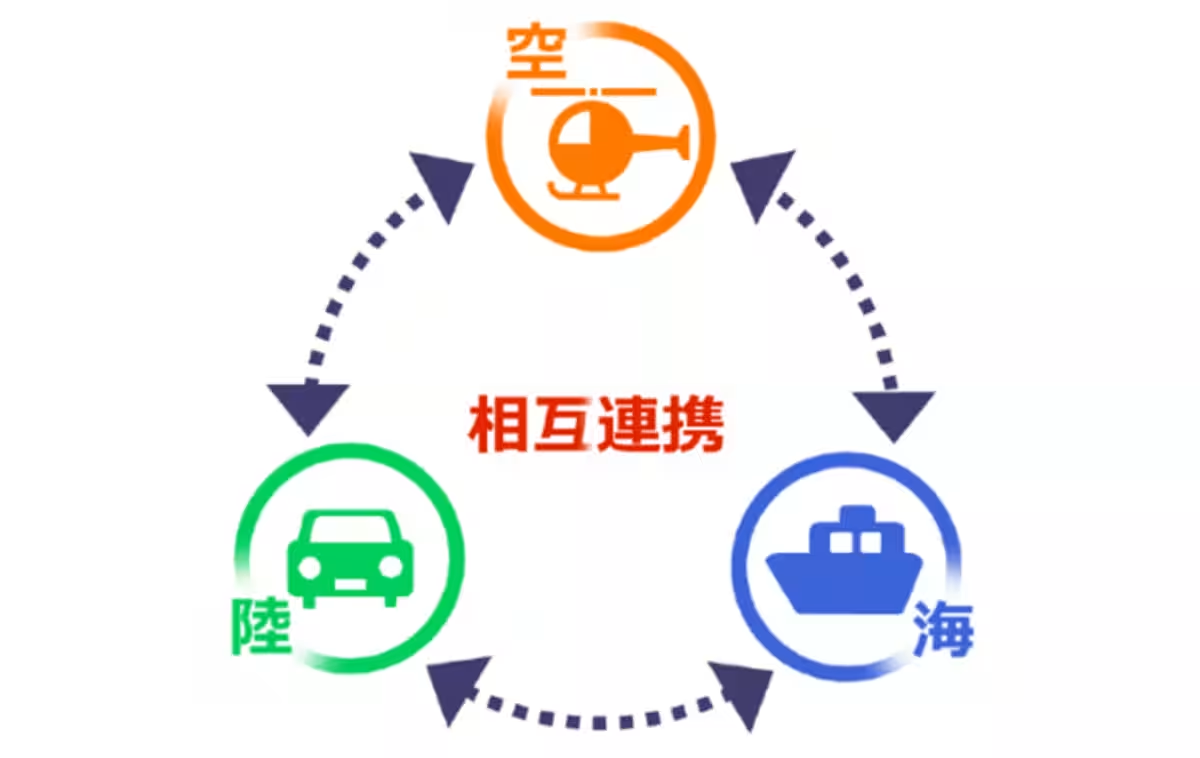
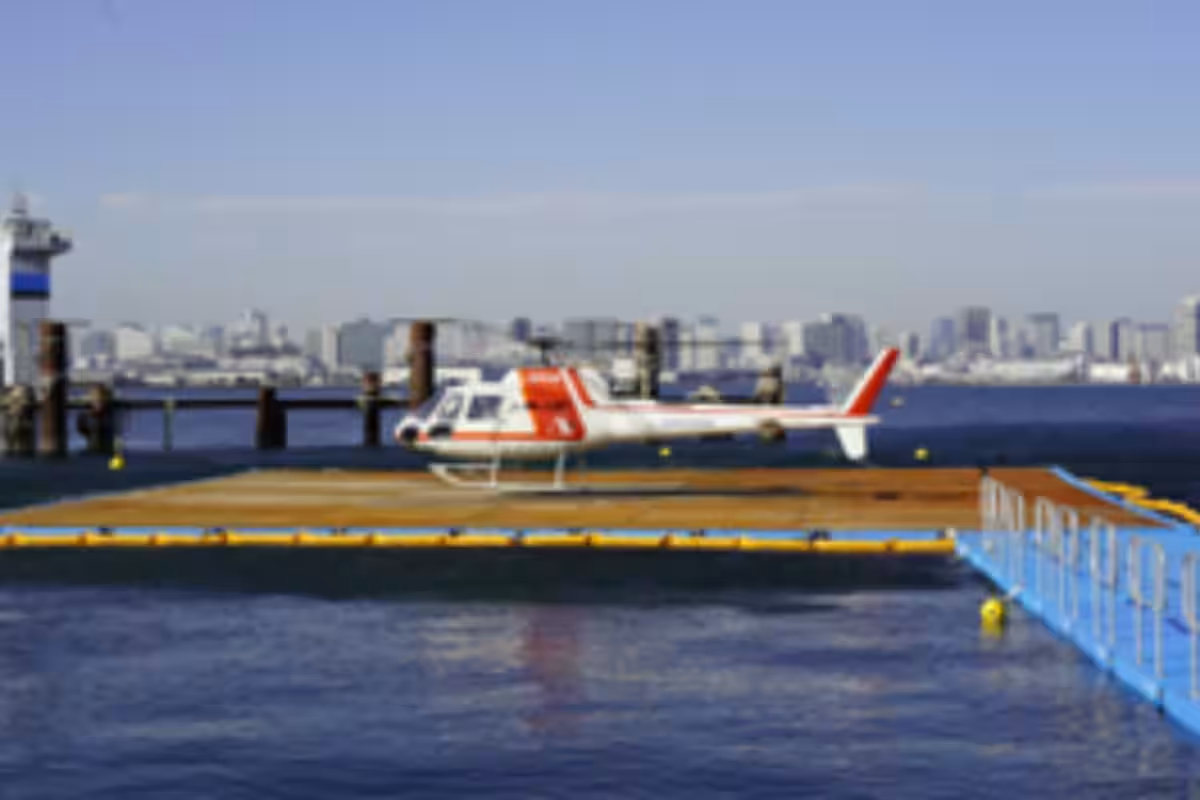
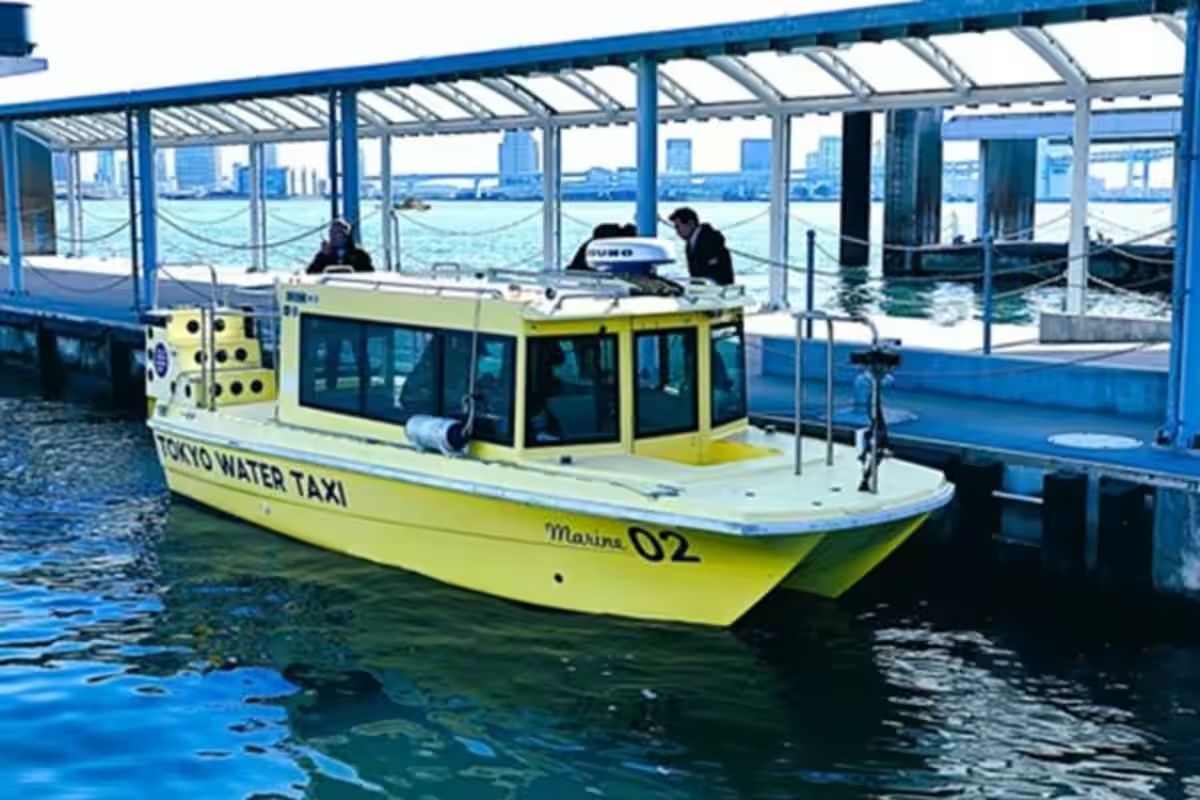
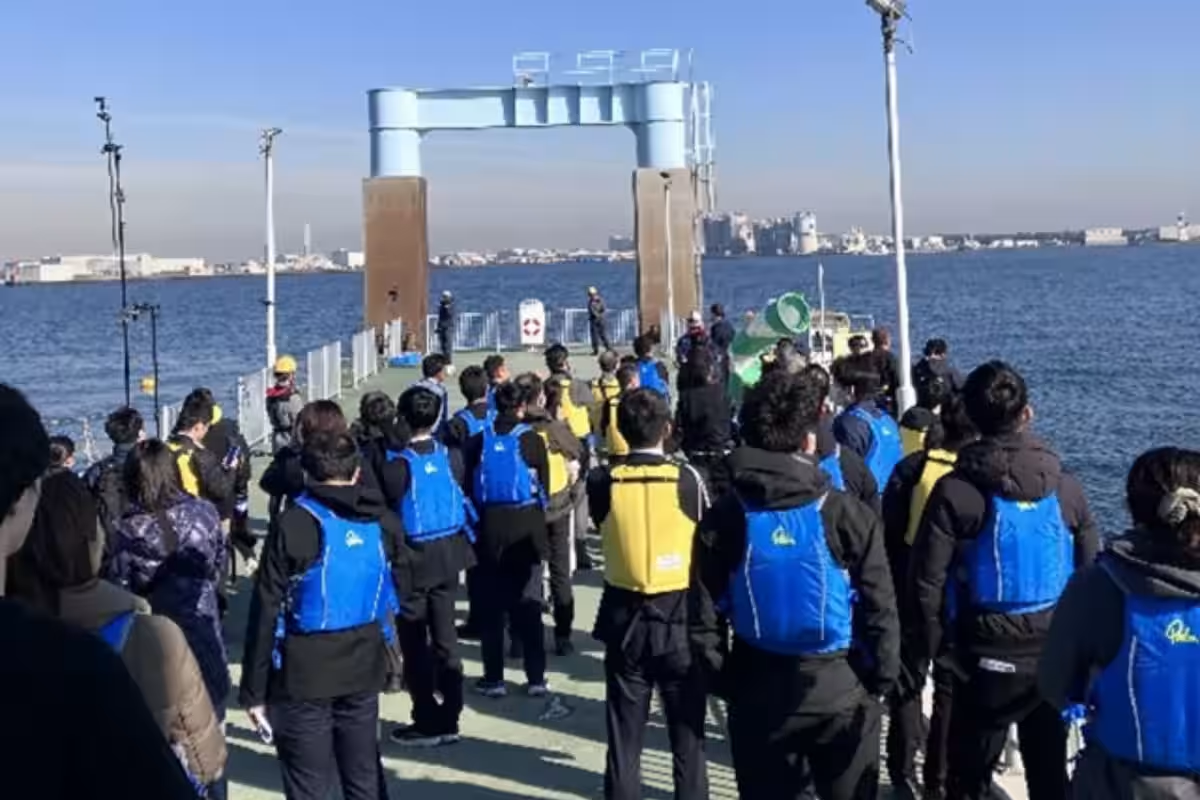
The key objective of the Tokyo Bay eSG Project is to establish a comprehensive system that connects air, sea, and land transportation modes effectively. In December 2025, the project is set to undergo its second round of verification experiments. These include helicopter takeoffs and landings at a floating port designed for eVTOL, as well as trials involving autonomous vessels navigating designated routes.
Floating Port Facilities
The prototype floating port will operate in open waters, allowing for real-world testing of the eVTOLs under diverse climatic conditions. This component of the project addresses the necessity for robust infrastructure, ensuring that the floating ports meet national safety standards for vertical takeoff and landing operations.
Terminal Operations and Workflow Validation
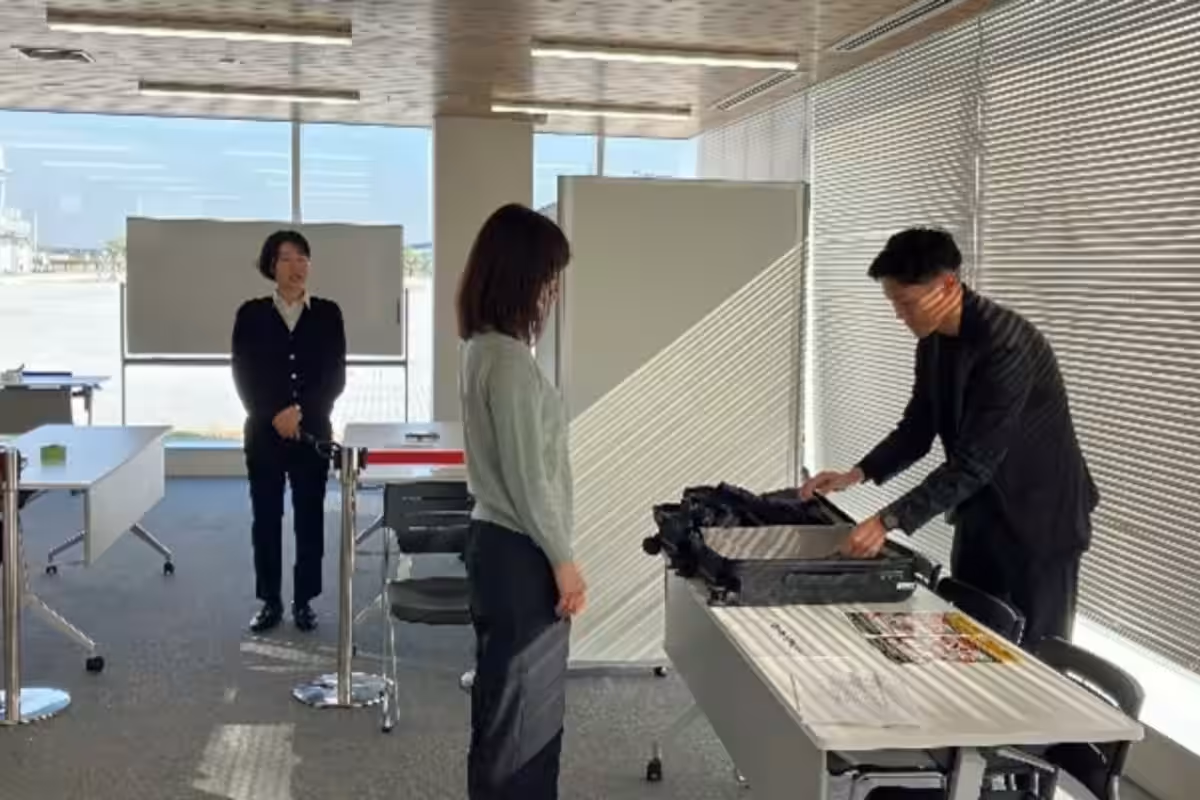
The project additionally encompasses the testing of terminal facilities equipped with Final Approach and Take-Off areas (FATO). This will enable researchers to validate security protocols and passenger flow management strategies necessary for efficient terminal operations. The aim is to optimize workforce requirements and identify areas where automation could enhance operational efficiency.
Autonomous Navigation
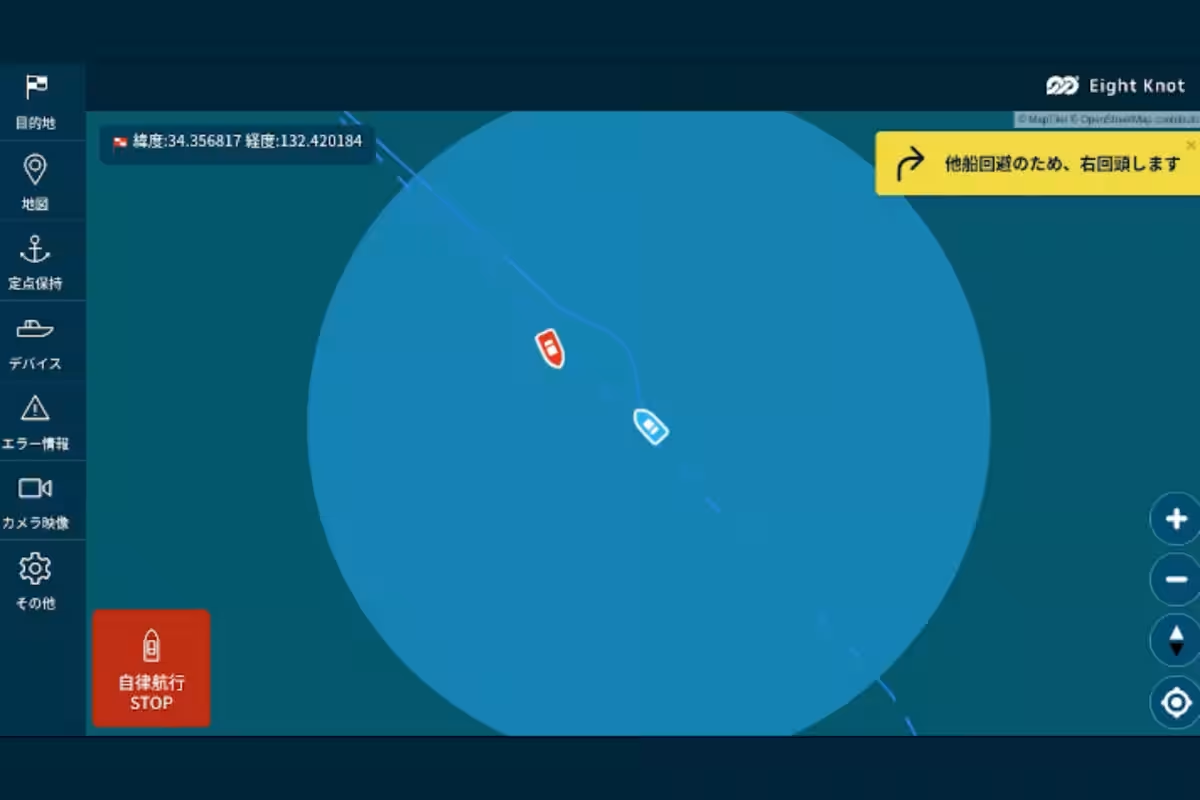
A highlight of the project is the development of autonomous navigation technology, whereby ships can operate without human intervention. The autonomy is facilitated through intelligent algorithms capable of recognizing and responding to environmental factors. This advancement is expected to significantly enhance maritime safety and operational cost-effectiveness.
Coordinated Systems for Enhanced Mobility
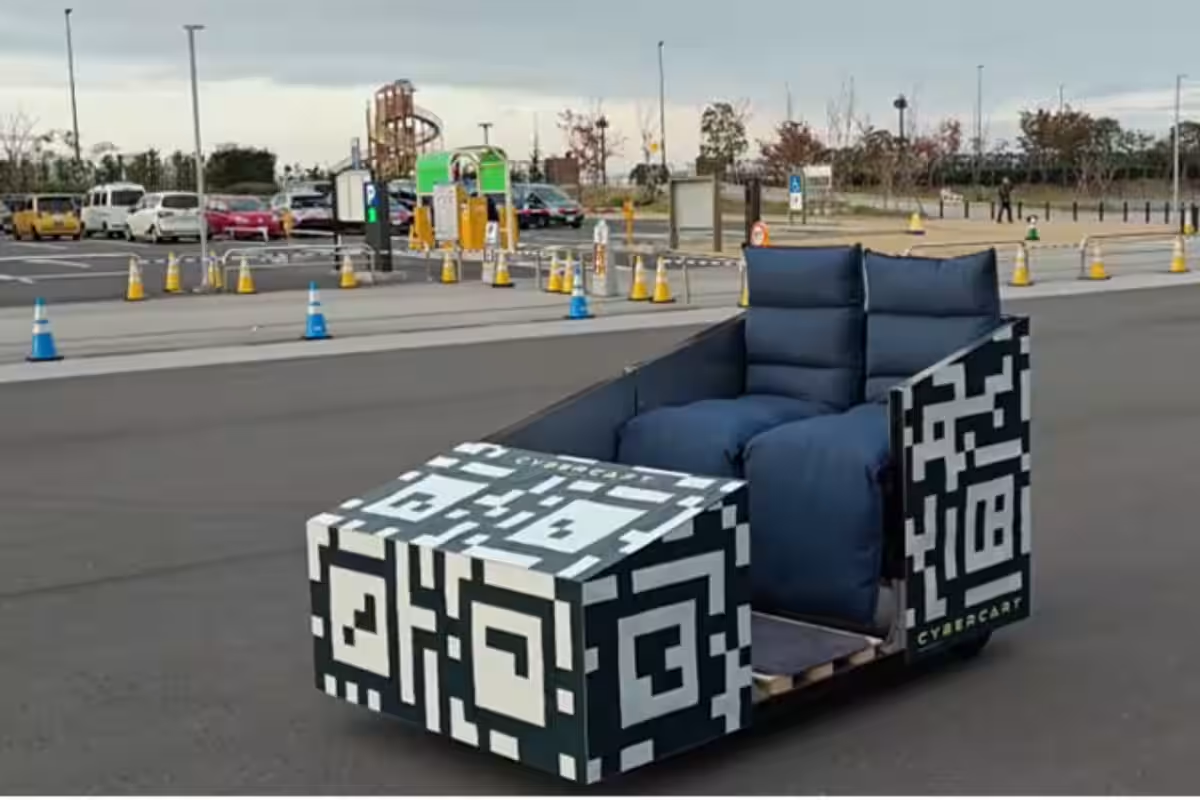
Another innovative aspect of the Tokyo Bay eSG Project is the implementation of a Seamless Connecting System (SCS), which enables various mobility forms to be managed through a single software interface. This will streamline operational commands for autonomous ships and robots, ensuring integrated functionalities between different transport mediums.
Future Prospects
As the project approaches its conclusion in March 2026, the insights and experiences gained from these trials are anticipated to contribute significantly to the broader discourse on urban mobility solutions not just in Japan, but as a model for cities around the world. The Tokyo Bay eSG Project is committed to enhancing urban functionality and revitalizing local economies, thereby contributing to the development of more sustainable societies.
About Eightknot
Eightknot, a key participant in this initiative, is a startup focused on advancing autonomous navigation technologies for small vessels. Established in March 2021, the company aims to revolutionize maritime operations through AI-driven functionalities that ensure safe and efficient navigation. With plans to expand into the North American market by 2027, Eightknot is dedicated to making autonomous maritime solutions accessible and reliable in everyday usage.
The Tokyo Bay eSG Project is not just about transportation; it embodies a vision for the future of sustainable urban living, where mobility transcends traditional barriers and integrates seamlessly with the environment. This groundbreaking endeavor could set the stage for innovative, eco-friendly, and efficient urban transit models worldwide.

Topics Other)
【About Using Articles】
You can freely use the title and article content by linking to the page where the article is posted.
※ Images cannot be used.
【About Links】
Links are free to use.