




Understanding Consumer Search Behavior: How Search Engines, AI, and Social Media Influence Purchase Decisions
Study Overview
Knowledge Holdings Co., Ltd., based in Minato, Tokyo, conducted an internet survey involving 311 individuals aged 20 to 50 from across Japan. The study focused on how these consumers utilize search engines, AI, and social media when gathering information before making purchases.
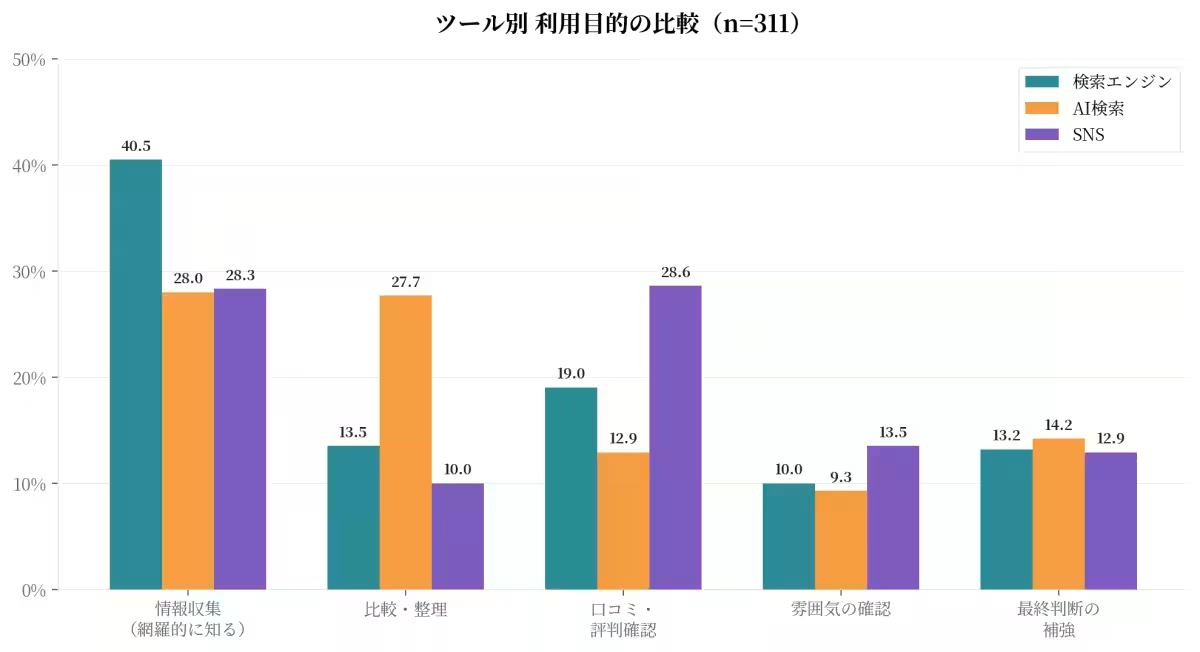
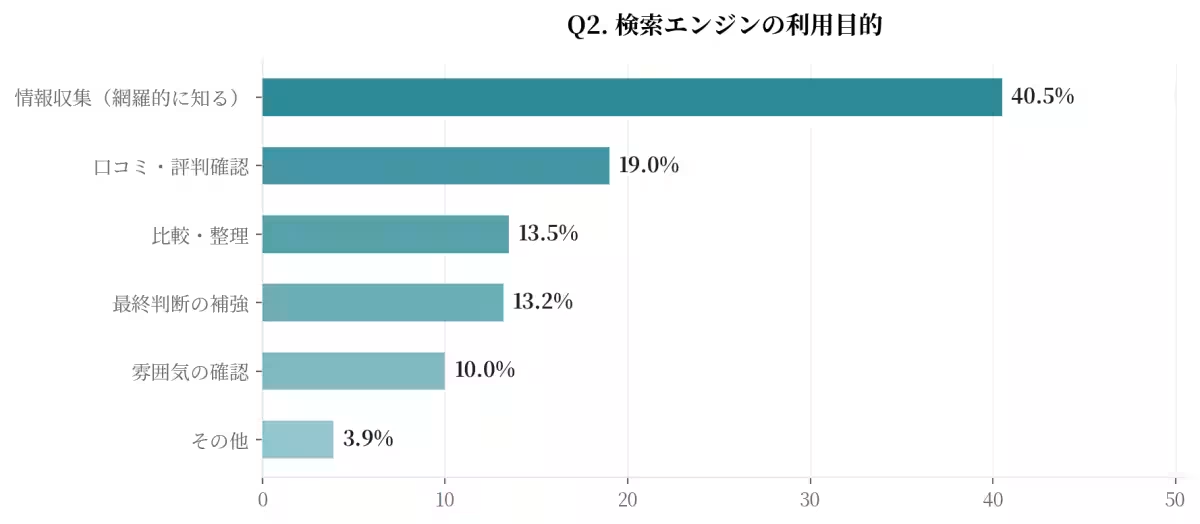
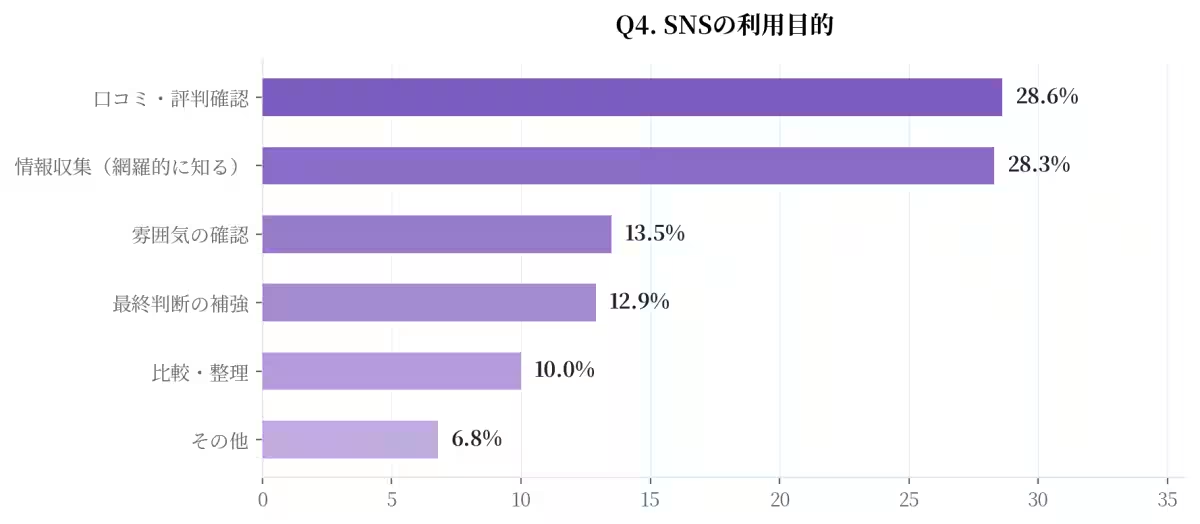
The findings indicate that users are distinctly leveraging these three tools based on their specific purposes. Search engines are predominantly used for "comprehensive information gathering," while AI searches specialize in "comparison and organization," and social media is primarily employed for checking "reviews and reputations."
Survey Details
- - Target Group: Internet users aged 20-50 across Japan
- - Sample Size: 311 participants
- - Survey Period: July 2026
- - Methodology: Online questionnaire
Key Findings
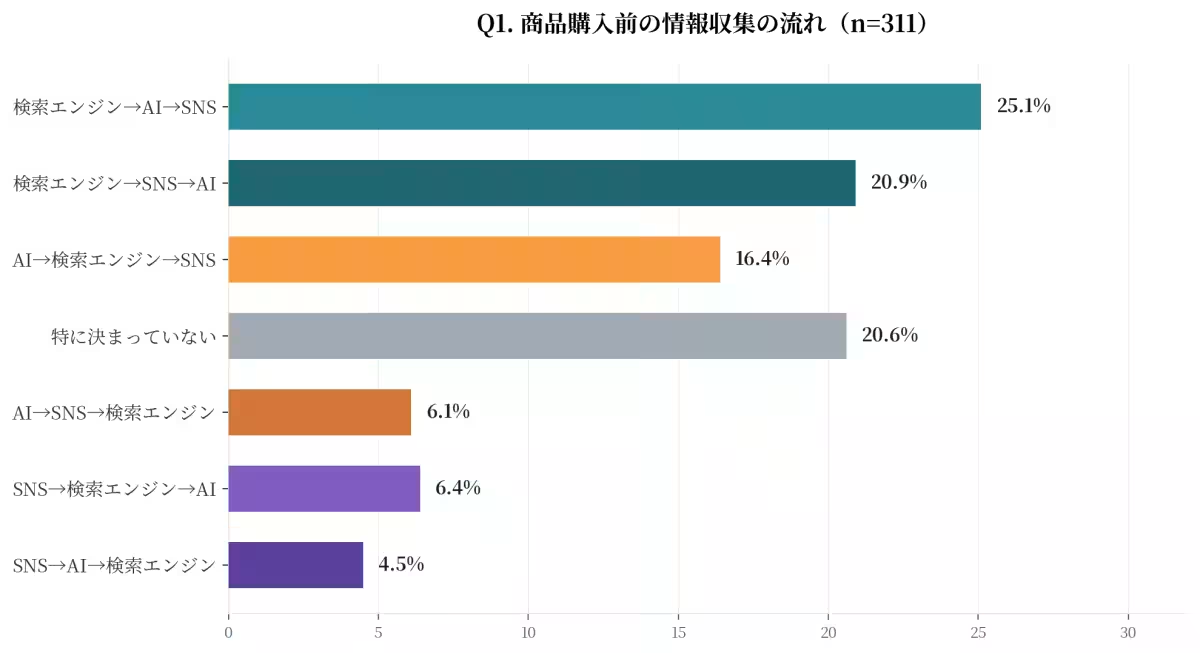
1. Initial Information Source: Nearly half (46%) of respondents stated that search engines serve as their starting point for information gathering. The most common path involves beginning with a search engine (either leading to AI or social media), which accounts for 25.1% of answers.
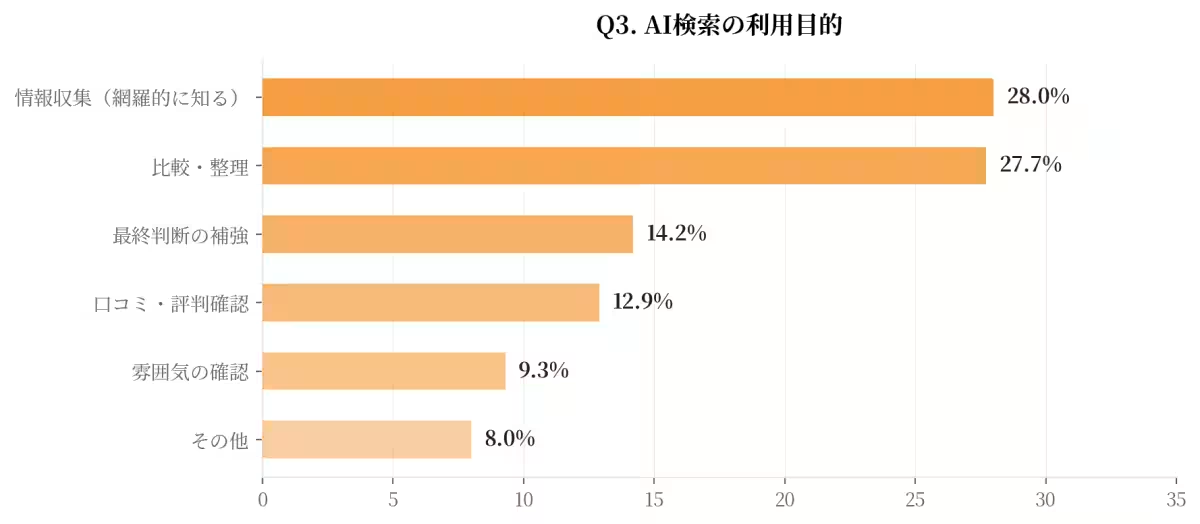
2. AI Search Utilization: AI searches are notably employed for both information gathering (28%) and comparison/organization (27.7%). This indicates a significant distinction from search engines, which focus on information collection at 40.5%.
3. Social Media Strength: Social media excels in providing consumer feedback with 28.6% of users highlighting its role in checking reviews and reputations.
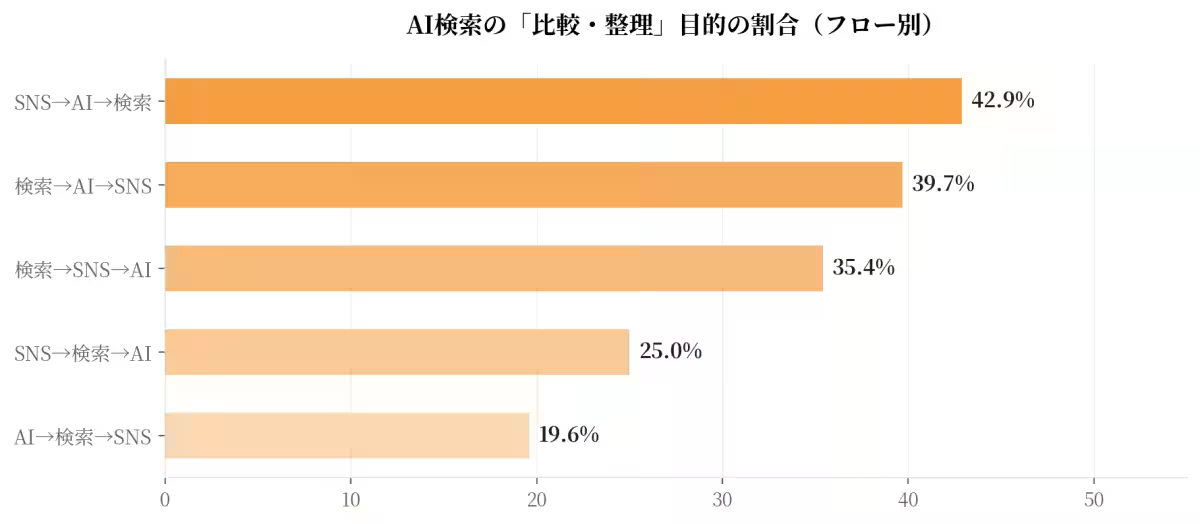
Further analysis shows that behaviors differ based on how the information flow begins. Consumers often engage with multiple tools in their decision-making processes, with those starting from social media showing a marked propensity for seeking reviews.
Implications for Marketing
These insights suggest that businesses targeting consumers’ purchasing decisions need to optimize their strategies across all three platforms.
- - Search Engine Optimization (SEO): Since 46% of users start their research here, developing thorough and trustworthy information resources is critical.
- - AI Search Optimization: With AI taking an active role in comparison and organization, companies should structure content to be easily referenced by AI tools.
- - Social Media Engagement: Encouraging user-generated content and reviews on social platforms can effectively bolster credibility.
- - Tailored Content Design: Recognizing that users seek different qualities of information based on their entry point should inform how marketing materials are tailored across platforms.
Conclusion
The results of this research highlight the complex nature of consumer search behavior and the necessity of a comprehensive strategy that matches the distinct roles of search engines, AI, and social media in the modern purchasing landscape. By adapting to these behaviors, companies can significantly enhance their influence on consumer decisions, improving overall marketing effectiveness and driving sales.
For a detailed exploration of efficient digital marketing strategies and insights from this study, visit Knowledge Holdings Co., Ltd..

Topics Consumer Products & Retail)


【About Using Articles】
You can freely use the title and article content by linking to the page where the article is posted.
※ Images cannot be used.
【About Links】
Links are free to use.