



Are Networking Events Worthwhile When They End with Just Business Card Exchanges?
The Value of Networking Events: Are They More Than Just Business Card Exchanges?
In a world where professional networking is paramount, many people attend events to connect with others, exchange ideas, and potentially create business opportunities. However, a recent survey conducted by Kanto Management Advisors reveals that while networking events offer an opportunity to meet many individuals in a single gathering, many attendees express dissatisfaction with the lack of meaningful interactions.
Insights from the Survey
Conducted over two days from April 30 to May 1, 2026, the study gathered responses from 1,006 business professionals aged between 20 and 50 who had participated in networking events within the last year. The aim was to understand the actual engagement levels and satisfaction derived from these events.
Frequency of Participation
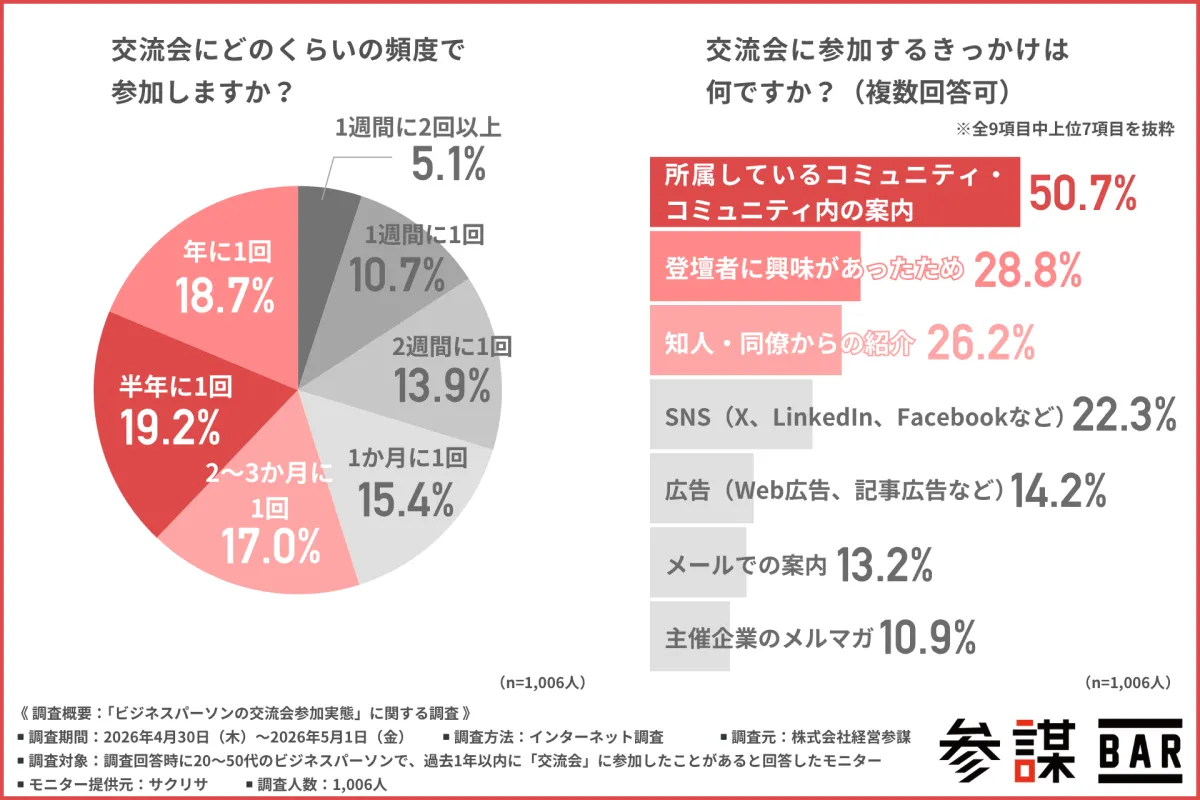
A significant finding was regarding how often professionals engage in such events. The responses were varied, but almost 60% of participants attend networking events less frequently than once every few months. This limited participation could be attributed to factors such as the time commitment required for offline meetings and travel logistics that aren’t a concern for online gatherings. Here’s a summary of their responses:
- - Twice a week or more: 5.1%
- - Once a week: 10.7%
- - Once every two weeks: 13.9%
- - Once a month: 15.4%
- - Once every 2-3 months: 17.0%
- - Once every six months: 19.2%
- - Once a year: 18.7%
Motivations to Attend
When asked what motivates them to join networking events, the majority—the most significant portion, 50.7%—noted that they attended due to information shared within their community. Other encouraging factors included interest in the speakers (28.8%) and referrals from colleagues (26.2%). This suggests that existing relationships and trust serve as key drivers for attending, showing the propensity of attendees to engage through reliable channels.
Expectations and Outcomes
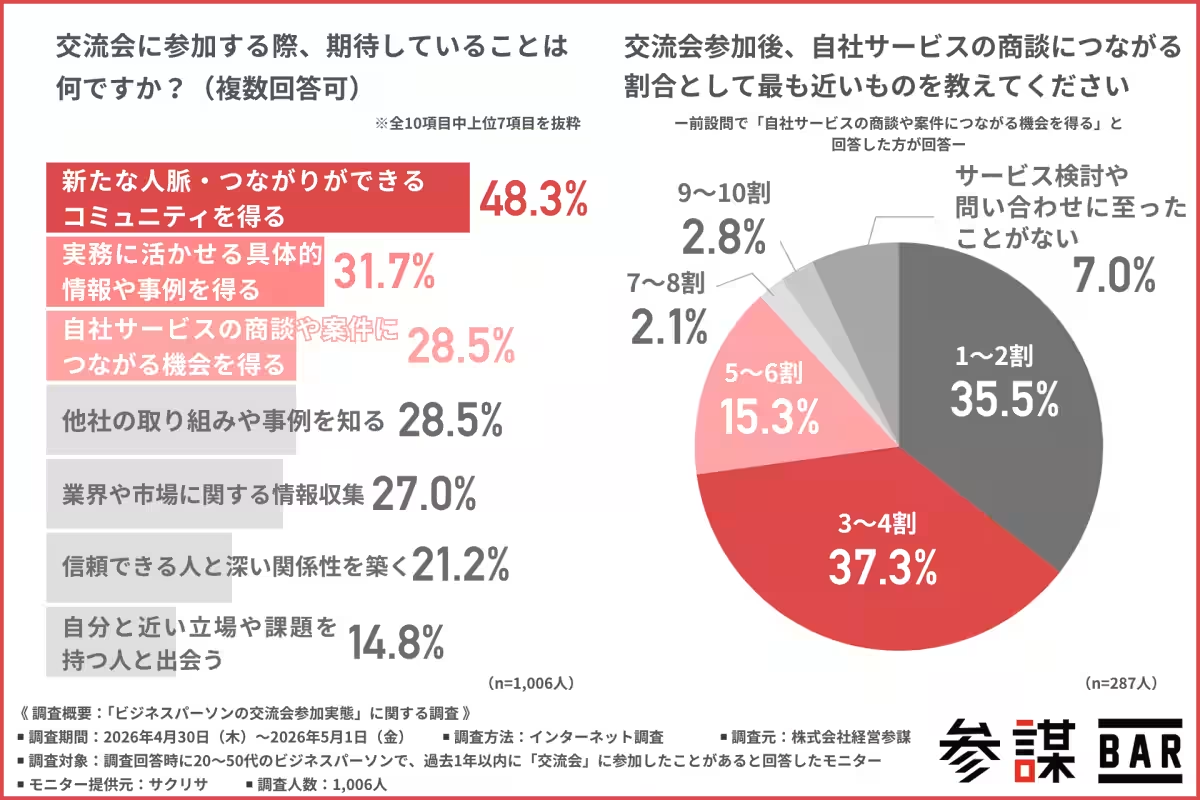
Despite their limited frequency of attendance, participants have high expectations when they do join. The top anticipation was to form new connections (48.3%), followed by gaining concrete information applicable to their work (31.7%) and finding opportunities for potential business (28.5%). However, the survey revealed that many were left disappointed.
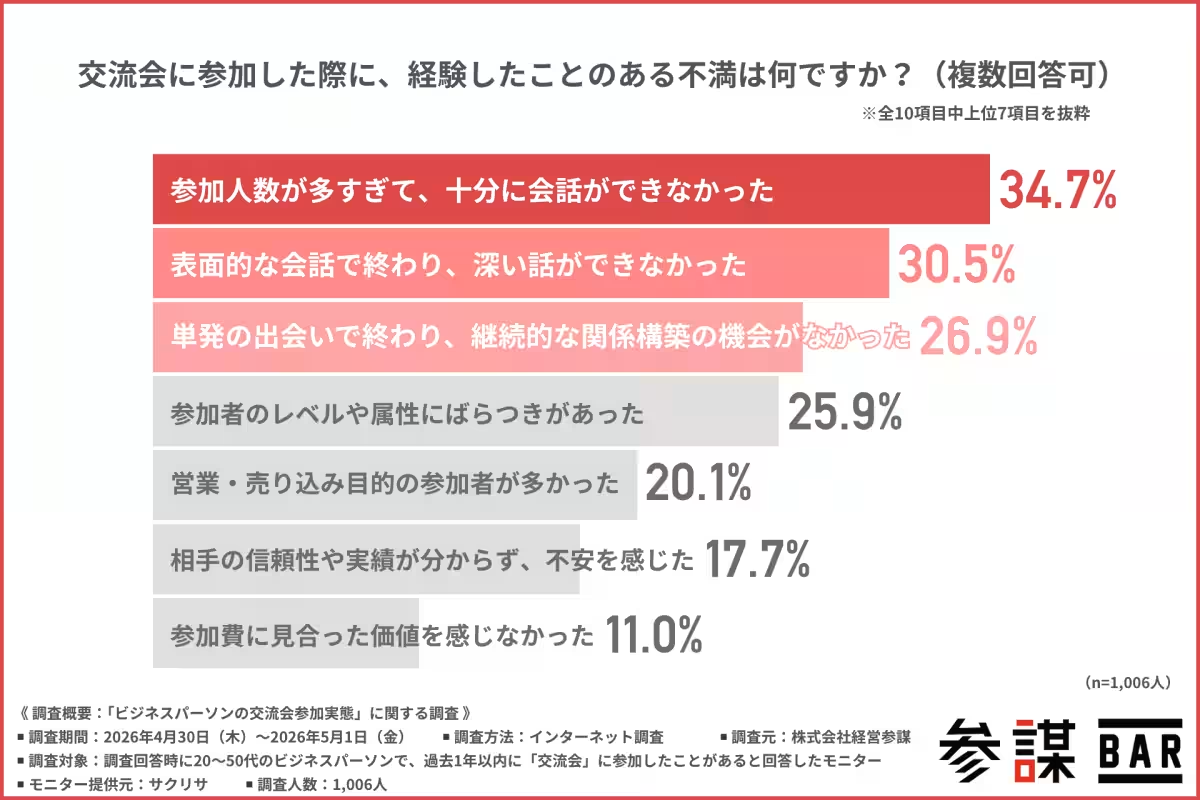
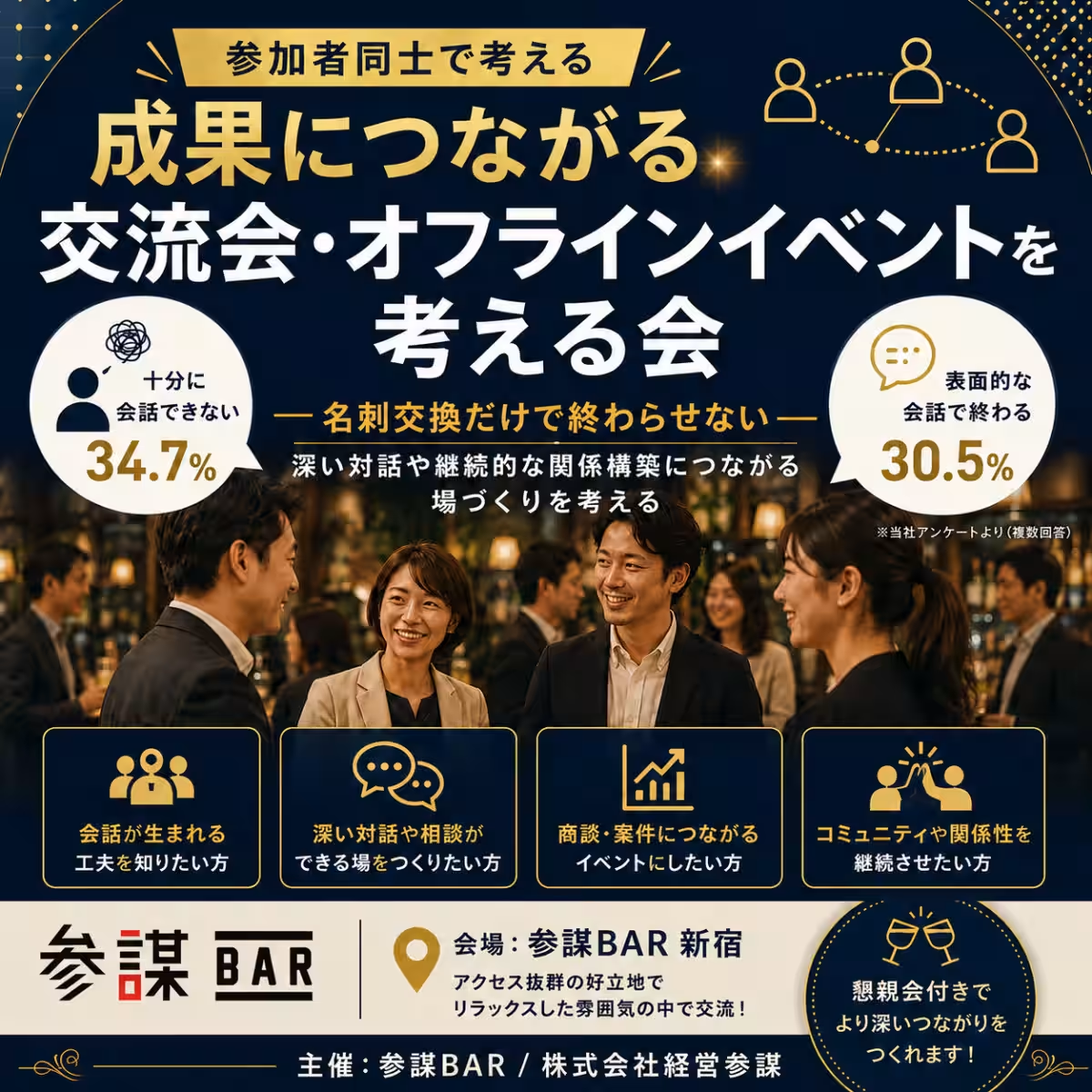
Specifically, 34.7% of respondents expressed dissatisfaction, citing that the high number of attendees made it challenging to engage in meaningful conversations. Other complaints included superficial discussions (30.5%) and the lack of opportunities to build sustainable relationships (26.9%). These insights resonate with the belief that while many interactions are possible, depth and quality often suffer.
Quality vs. Quantity
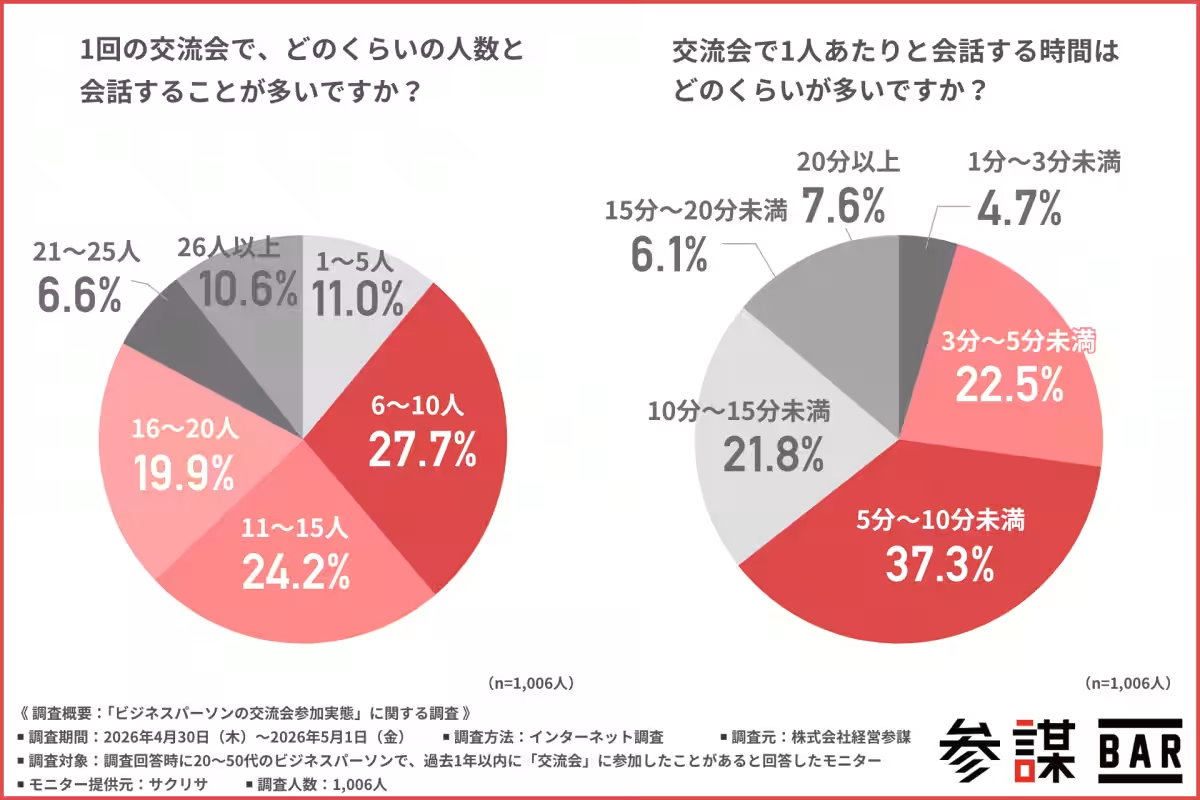
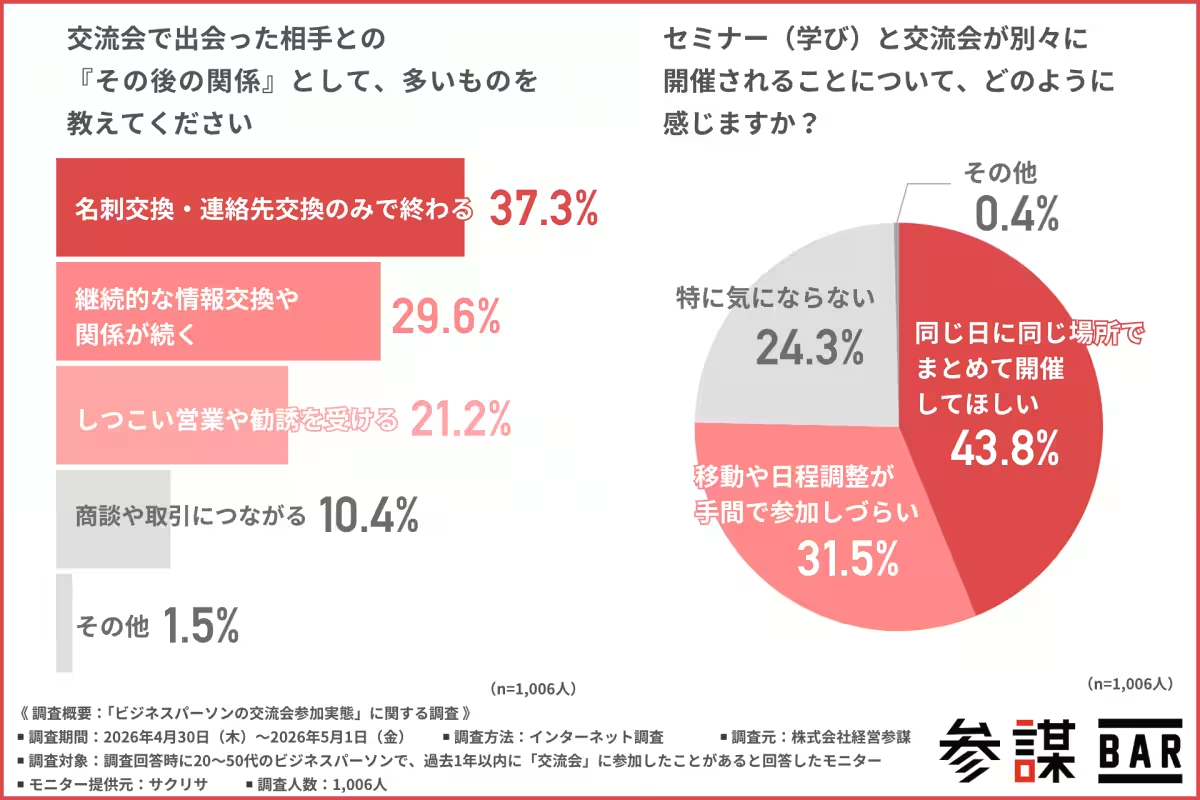
Participants were asked how many individuals they interacted with during an event. Over half reported conversing with 6 to 15 individuals, suggesting a trend towards broad interaction over deep engagement. However, time spent per interaction was indicative of a problem; many reported conversations only lasting between 5 and 10 minutes. This fixed time structure limits the possibility for deeper understanding and ongoing relationships. Consequently, 37.3% stated they simply exchanged business cards with no further connection.
A Call for Change
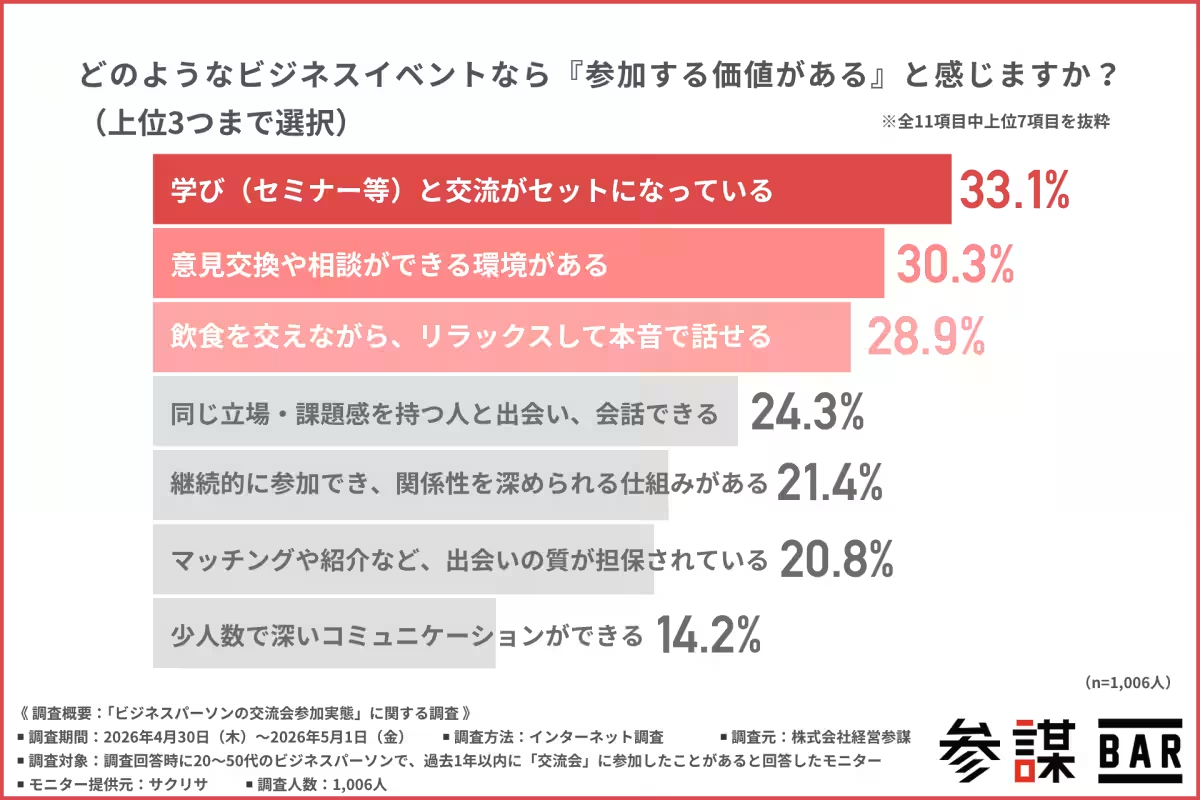
This survey underlines significant challenges that networking events must address—balancing the number of interactions with depth and quality. Business professionals are not merely seeking to broaden their networks superficially; they crave a space where learning and meaningful exchanges of ideas can occur concurrently. Interestingly, more than 43% indicated that they would prefer networking events to be combined with seminars or workshops, signaling a desire for a richer, integrated experience.
Conclusion
The findings signal an urgent need for rethinking how networking events are structured. One-off interactions fall short of meeting professionals' expectations, prompting organizations to rethink how best to facilitate more profound relationships. As the landscape of networking evolves, the priority should shift towards fostering environments that enable impressive dialogues and sustainable relationships rather than mere opportunity gathering. To satisfy growing demands for substantive conversations and interactions, future business events must integrate learning and networking as cohesive experiences.
This insightful data reflects the evolving expectations of today's business professionals, thus outlining a path for future networking formats that prioritize quality alongside quantity in professional interactions.






Topics Business Technology)
【About Using Articles】
You can freely use the title and article content by linking to the page where the article is posted.
※ Images cannot be used.
【About Links】
Links are free to use.