



Rising Awareness of Customer Harassment in Japan: Study Insights
Rising Awareness of Customer Harassment in Japan: Study Insights
Introduction
In a groundbreaking study by Job Research, conducted by Persol Career, a survey focused on customer harassment—often referred to as "kasu hara" in Japan—sheds light on the experiences and attitudes of Japanese consumers. With a sample size of 463 working adults, the research explores customer experiences with dissatisfaction, emotional responses, and the hesitance to communicate grievances. This reveals not only consumer sentiments but also highlights a potential blind spot in recognizing one's own behavior as harassment.
Key Findings
Customer Dissatisfaction is Common
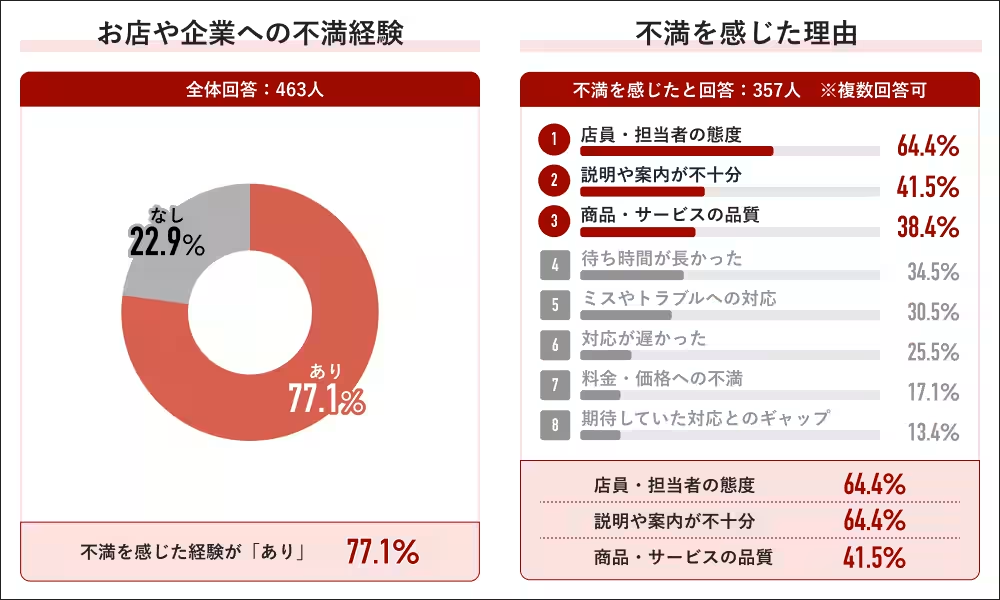
The study found that a significant 77.1% of respondents reported having felt dissatisfaction with a service or product. The most common reason cited (64.4%) was the attitude of staff members, followed by inadequate explanation (41.5%) and product quality issues (38.4%). These results underline how consumer expectations are not being met and how service quality remains a crucial factor in businesses today.
Emotional Responses to Dissatisfaction
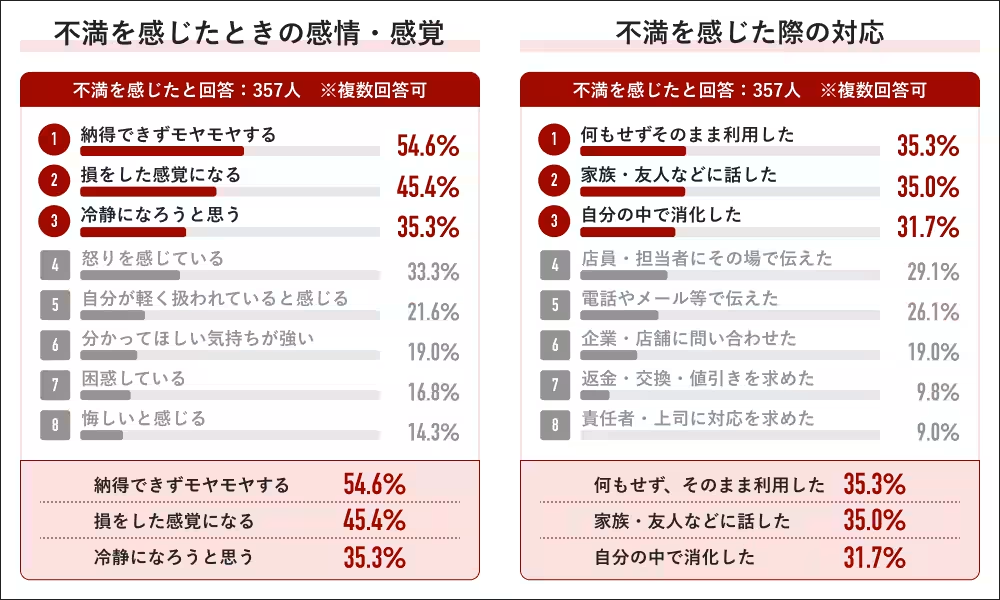
Among those who felt dissatisfied, many (54.6%) expressed feelings of frustration, while 45.4% felt that they had experienced a loss. When it came to responding to their dissatisfaction, a notable 35.3% chose to continue using the service without voicing their concerns at all, indicative of a broader cultural tendency to tolerate poor service rather than confront it.
Silence Around Complaints
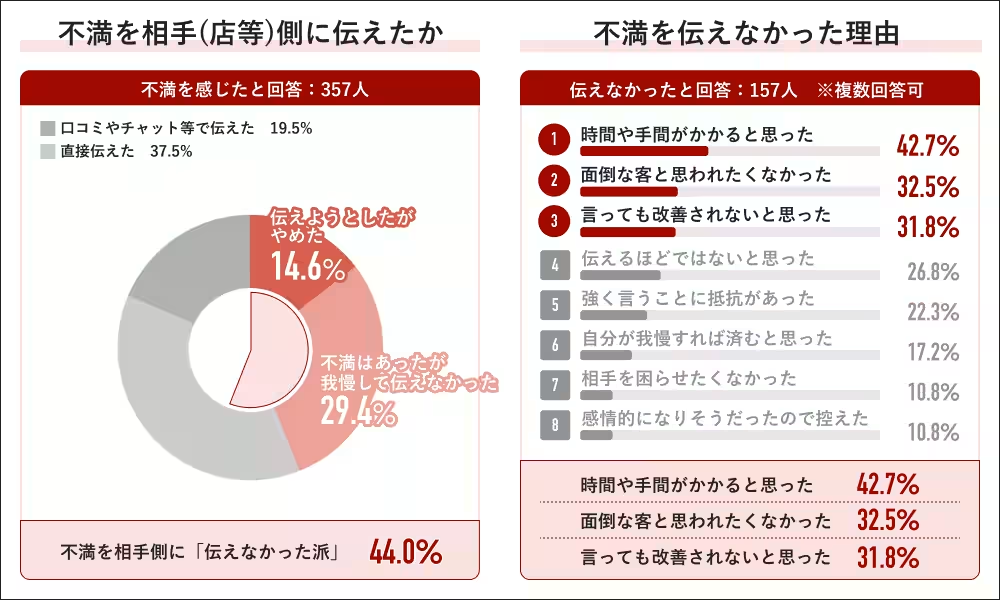
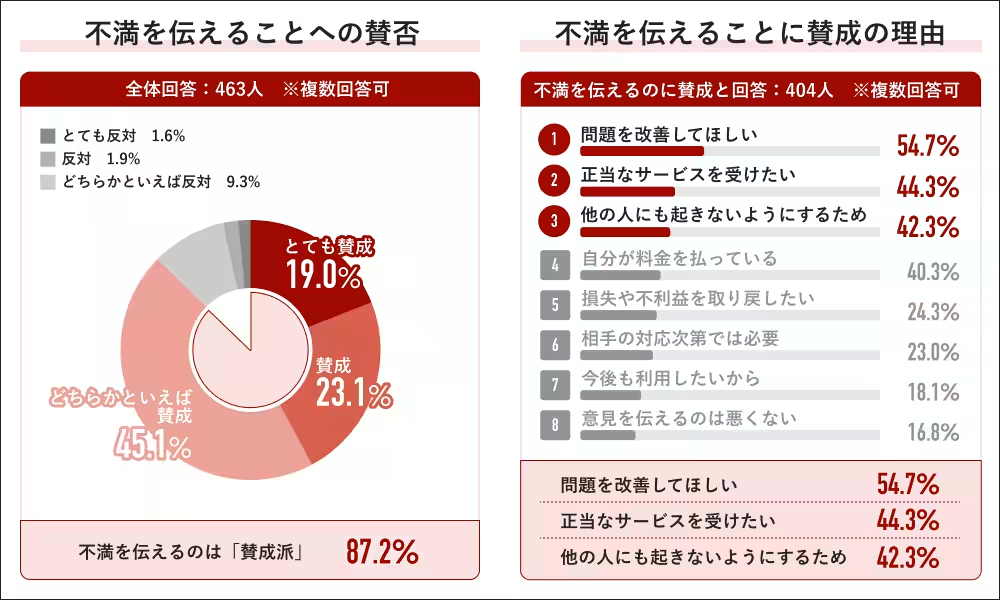
Interestingly, although 87.2% agreed that voicing complaints could lead to improvements, 44.0% of those who felt dissatisfied did not communicate their feelings, often due to the belief that it would take too much time or effort (42.7%). This gap between recognizing the value of feedback and the willingness to act is concerning and reflects a deep-seated fear of being perceived as difficult by businesses.
Self-Reflection on Customer Behavior
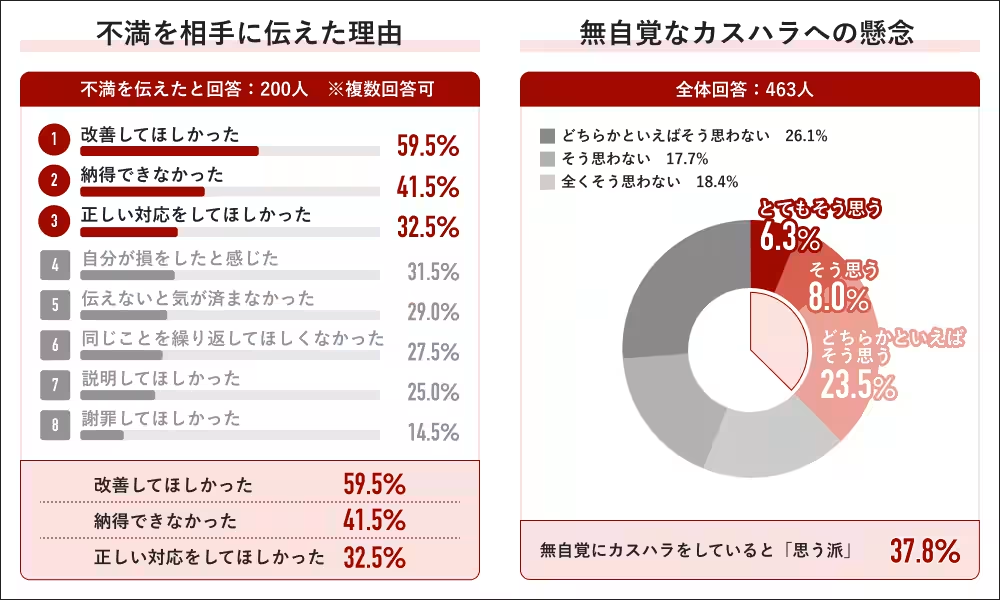
A significant 37.8% of respondents acknowledged that they might unintentionally engage in behaviors that equate to customer harassment. This acknowledgment raises questions about self-awareness in customer interactions, highlighting a need for both consumers and businesses to engage in dialogue around acceptable behavior.
Responsible Complaint Practices
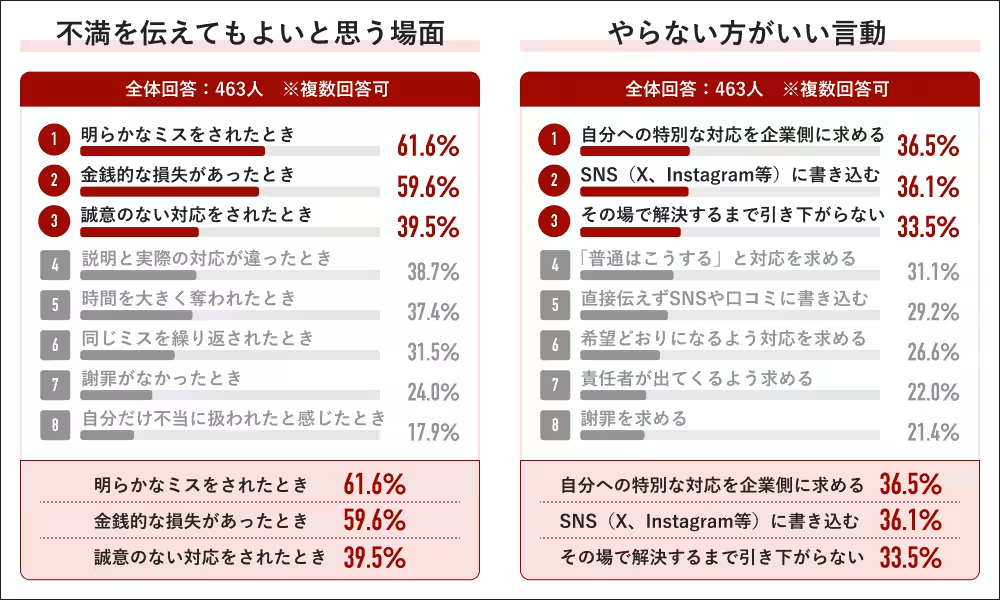
The survey also explored when consumers felt justified in expressing their frustrations. A decisive 61.6% stated they would speak up after a clear mistake had been made, whereas 36.5% believed that demanding special treatment was inappropriate. This points to the importance of understanding the conditions under which feedback is not only acceptable but necessary.
Conclusion
The results of the "2026 Customer Harassment Awareness Survey" demonstrate that while Japanese consumers are largely in favor of voicing their dissatisfaction, a significant portion remains silent, highlighting the need for a cultural shift towards open communication. The upcoming enforcement of the revised Labor Policy Act in October 2026, which mandates employers to take action against customer harassment, adds urgency to this matter. Businesses must create environments where customers feel safe and empowered to voice their concerns, and where self-awareness among consumers is encouraged to mitigate unintentional harassment. The findings compel a re-examination of social norms surrounding customer service interactions, leading toward a more supportive and responsive consumer-business relationship in Japan.
In a world where both consumers and employees should thrive, Job Research aims to bridge the gap between expectations and realities within the working landscape, ensuring that dialogue remains constructive and conducive to improvement.
Company Information
This study and reporting have been facilitated by the PR department of Persol Career Corporation, where Riko Takagi has spearheaded initiatives to gather insights on working social perceptions since 2023. Through in-depth analysis and communication, the aim is to contribute to creating a society where individuals can connect and thrive based on mutual respect and understanding.


Topics People & Culture)





【About Using Articles】
You can freely use the title and article content by linking to the page where the article is posted.
※ Images cannot be used.
【About Links】
Links are free to use.