



Newly Discovered Giant Virus Furtivovirus Unveils Evolutionary Insights
Introduction
In an exciting development, a research team led by Jiwan Bae and Professor Masaharu Takemura from Tokyo University of Science has made a groundbreaking discovery in Kamakura, Kanagawa Prefecture, Japan. They have identified a new species of giant virus named Furtivovirus, found in freshwater environments, specifically in the Inase River. This discovery not only expands our understanding of viral diversity but also proposes the establishment of a new family and order in viral taxonomy.
Discovery of Furtivovirus
The Furtivovirus was isolated while screening for viruses infecting the amoeba species Verrucomicrobia, where it was found ambitiously hiding behind another infection by the Faustinovirus. The name is derived from the Latin term 'furtivus,' meaning 'hidden,' reflecting how the virus was quietly revealed during the research process. Analysis of its genome reveals an extensive structure comprising 560,176 base pairs, including 656 predicted coding sequences.
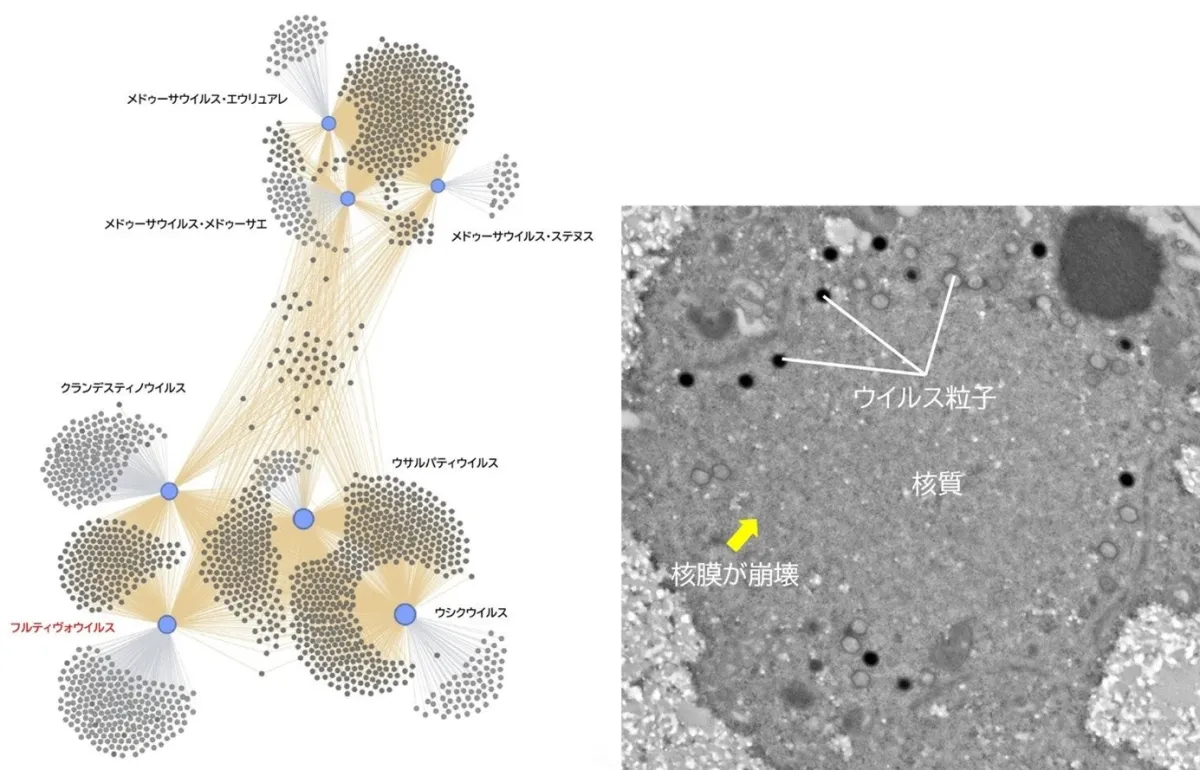
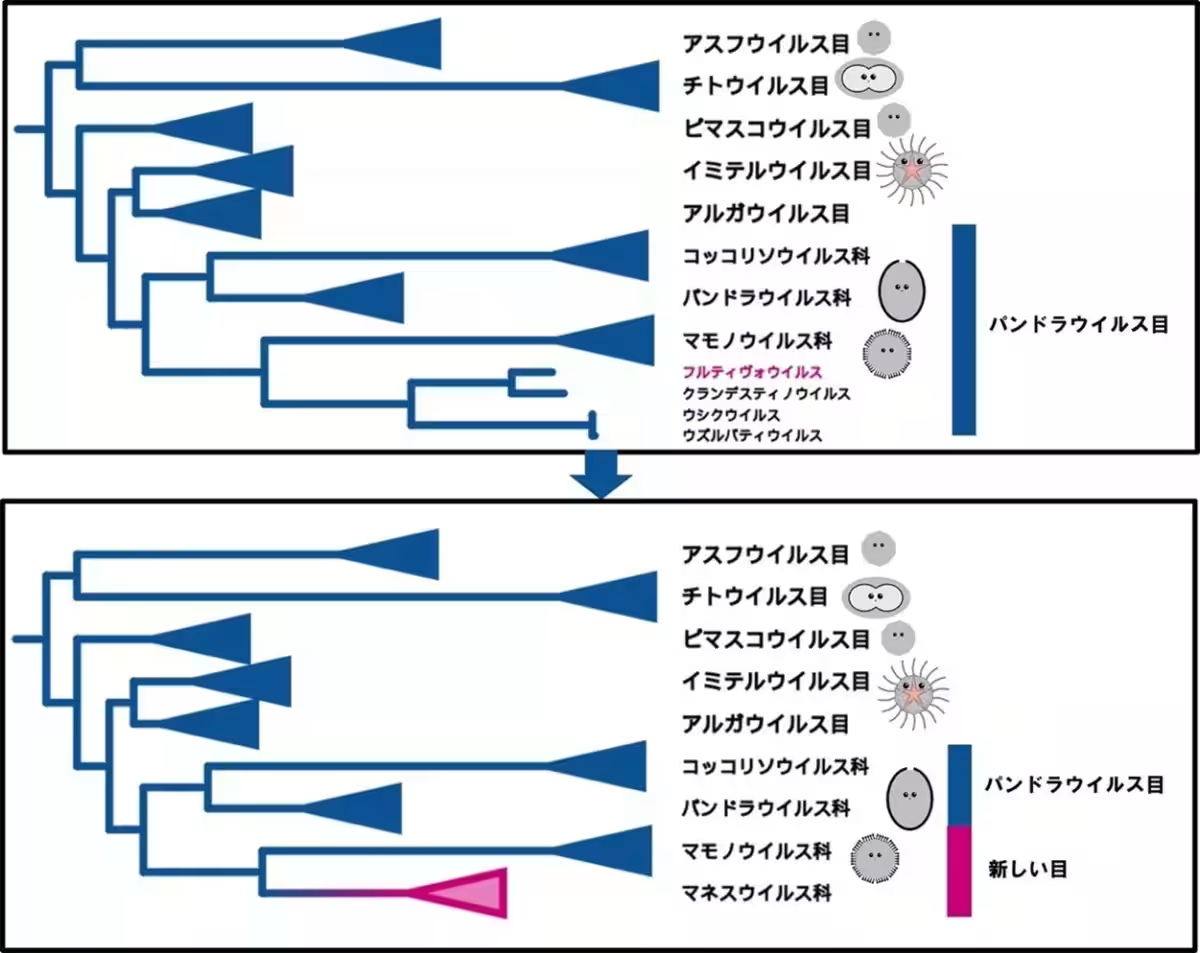
Through comparative genome analysis, Furtivovirus has been determined to be closely related to the Clandestinus virus, previously discovered in France. It belongs to a new family, the Manesviridae, along with three other giant viruses, distinguishing itself as a sister group to the established family Mamonoviridae. This significant finding suggests that the Furtivovirus may warrant the creation of a new order entirely, separate from the previously recognized Pandoravirus.
Unique Replication Strategy
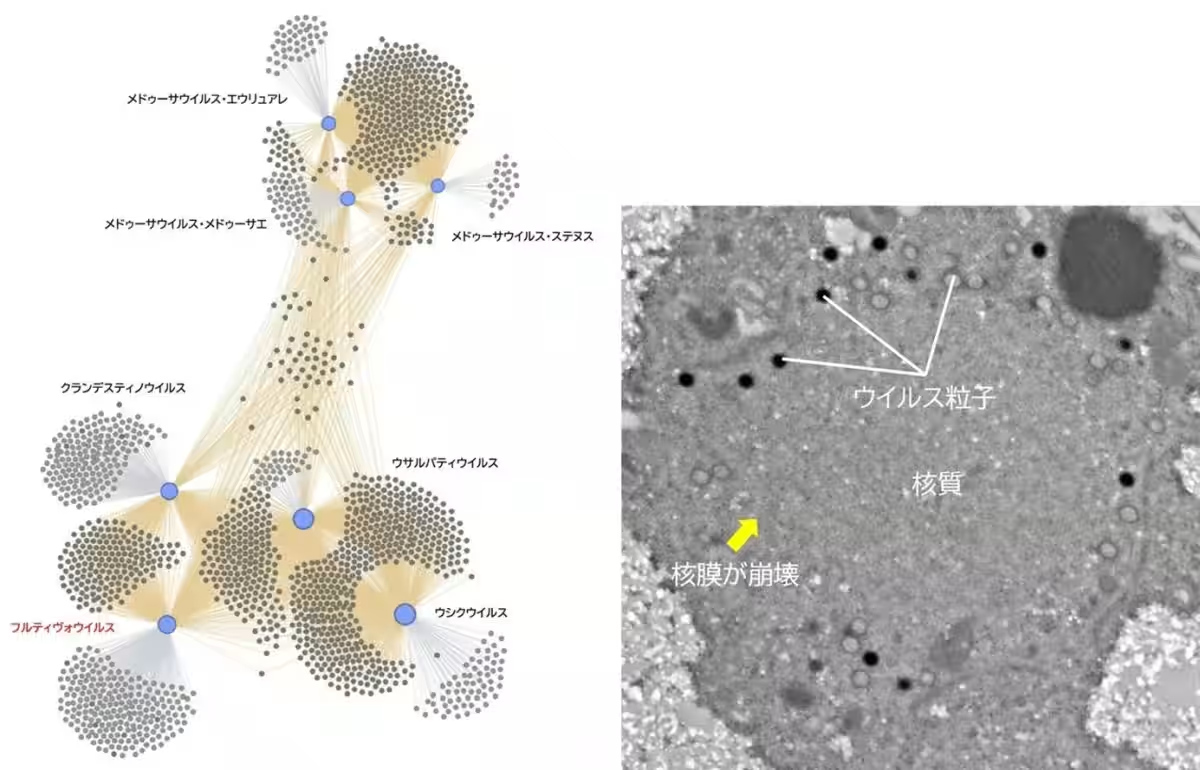
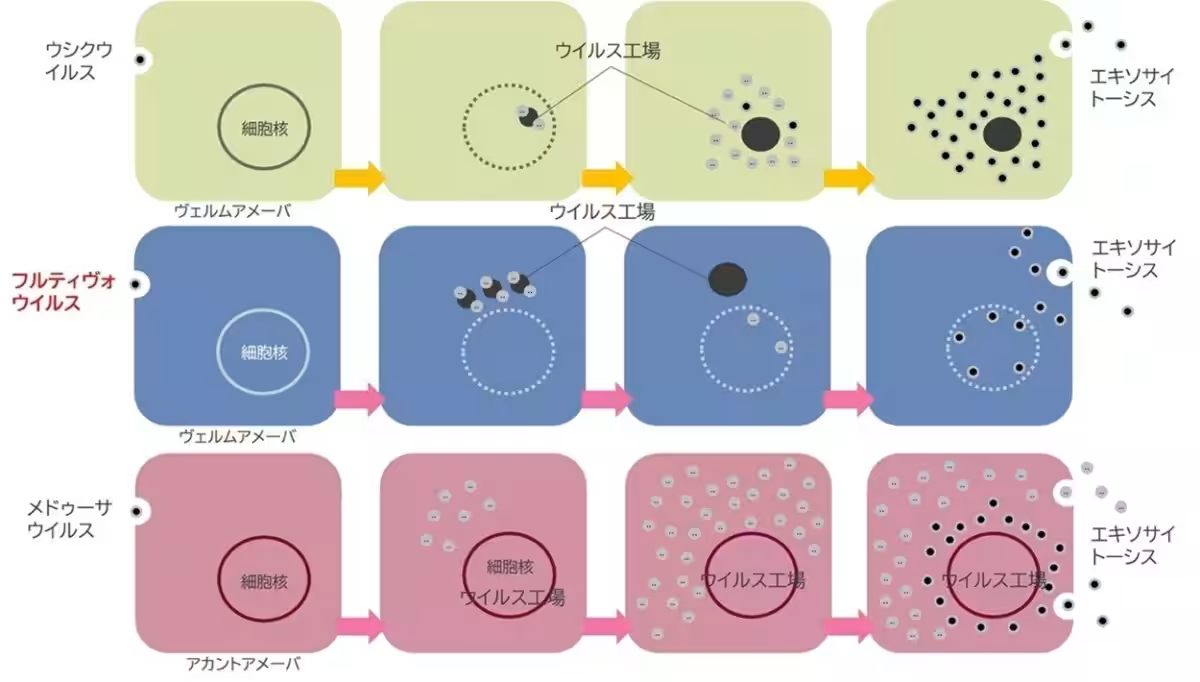
The research also uncovered that Furtivovirus exhibits a unique replication strategy compared to other giant viruses. Utilizing electron microscopy, it was observed that during early infection stages, the host cell's nuclear membrane disintegrates, allowing the virus particles to form within the nuclear material of the host cell. This method differs from the Medusavirus, which replicates strictly within the nucleus, and the Ushikivirus, which creates a viral factory in the cytoplasm by damaging the nuclear membrane. By analyzing these differing methods of replication, insights into the evolutionary paths of viruses and their interactions with host cell nuclei may be unveiled.
Significance for Evolutionary Understanding
This research provides further evidence supporting Professor Takemura’s ‘nuclear virus origin theory,’ suggesting a historical relationship between viruses and eukaryotic cell nuclei. The findings prompt speculation about how interactions with these giant viruses might have played roles in the evolutionary processes that shaped the development of complex life forms, including humans. The study, published in the Journal of Virology, emphasizes the importance of understanding viral biology in the context of modern challenges related to viral infections.
Future of Virus Research
As more discoveries emerge about giant viruses like Furtivovirus, researchers are hopeful that this knowledge will lead to better understandings of the interactions between viruses and their hosts. Professor Takemura expressed that even among closely related giant viruses, significant differences in how they interact with host nuclei were unexpected. As research evolves, it may pave the way for new approaches toward viral coexistence and management in our ever-changing environments.
With the findings of this study, researchers call for further exploration into the genomes of giant viruses and their ecological roles, as well as how lessons drawn from their biology might inform our response to contemporary viral pandemics.
Conclusion
The discovery of Furtivovirus not only adds to the growing body of knowledge about giant viruses but also has profound implications for understanding the evolutionary history of viruses and their relations to the origins of eukaryotic life. Such revelations underline the necessity of continued funding and support for research in virology, which could illuminate some of life's most profound mysteries and the historical interactions that shape biological evolution today.
Topics Health)



【About Using Articles】
You can freely use the title and article content by linking to the page where the article is posted.
※ Images cannot be used.
【About Links】
Links are free to use.