



Initiating the Pongamia Biofuel Cultivation Project on Former Mining Sites in Indonesia
Transforming Mining Sites into Biofuel Resources
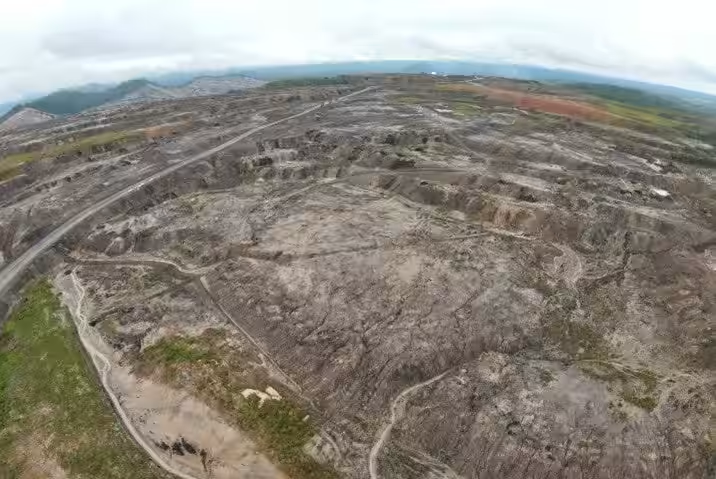
In an impressive collaboration, six companies, including Mitsui O.S.K. Lines, PT Hasnur Group Indonesia, Hanwa Co., Ltd., Nippon Meat Packers, Four Pride Management, and SPIL Ventures, have formed a consortium to launch a Pongamia cultivation project in South Kalimantan, Indonesia. This initiative aims to utilize approximately 10 hectares of former mining land for biofuel production and foreseeably contribute to carbon credit generation.
What is Pongamia?
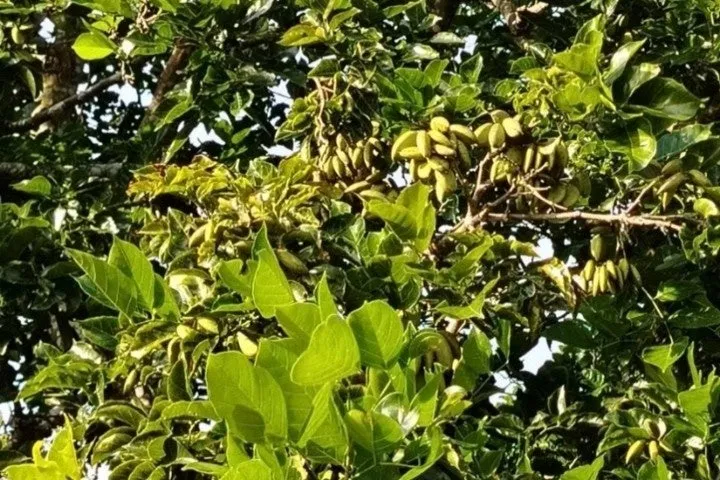
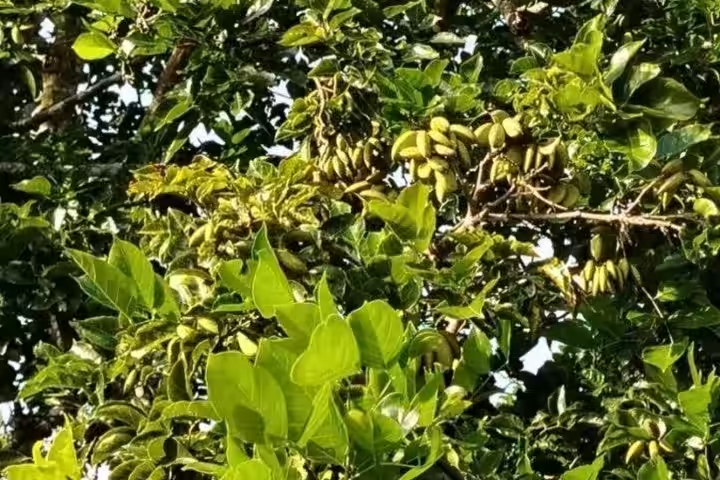
Pongamia, a leguminous plant native to India, thrives in the warm and humid climates of the tropics and subtropics, and is believed to have potential for biofuel production due to its high oil content of 30-45% in its seeds. This non-edible oil can be processed into biofuel without competing with food production, presenting a significant advantage amid global concerns about food security. The consortium will be conducting initial trials from 2026 to 2031, focusing on various facets of Pongamia cultivation, including growth data acquisition and the evaluation of biofuel production capabilities.
Project Goals
The project entails rigorous verification processes to explore multiple aspects:
1. Assessing Plant Growth and Adaptability: By evaluating the adaptability of Pongamia to the local environment, the consortium aims to gather essential growth data, crucial for scaling up the cultivation.
2. Biofuel Utilization Potential: The project seeks to comprehend the capabilities of Pongamia as a viable raw material for biofuel production, analyzing quality, yield, and sustainability factors.
3. Verification of the Supply Chain: Establishing a reliable supply chain will be key to ensure that production is feasible and sustainable on a larger scale.
4. Rehabilitation of Mined Lands: The initiative will also focus on the reclamation of the mining sites, turning them into productive lands that enhance local ecosystems.
5. Carbon Credit Generation Potential: As the world shifts towards a low-carbon economy, exploring the potential for carbon credits through Pongamia cultivation aligns with global sustainability goals.
6. Future Commercialization Pathways: Through the gathered insights, the consortium will assess the economic viability of scaling this project into a commercially sustainable enterprise.
Consortium Overview
Mitsui O.S.K. Lines
Founded in 1884, Mitsui O.S.K. Lines operates over 900 vessels, contributing significantly to international shipping. The company is also dedicated to achieving net-zero emissions by 2050 through innovative projects and sustainability initiatives.
PT Hasnur Group Indonesia
Established in 1966, Hasnur Group started with transportation and forestry ventures and has grown into a multi-faceted corporation. Its motto, “Growing Together, Creating the Future,” reflects its commitment to social development and community service.
Hanwa Co., Ltd.
With a vast portfolio that includes steel and non-ferrous metals, Hanwa has been active in various sectors since 1947. The company is focusing on biofuels that contribute to a global decarbonized future, especially in Southeast Asia where biomass resources are abundant.
Nippon Meat Packers, Inc.
Also known as the Nippon Ham Group, this company is a key player in the meat processing industry while pushing sustainability initiatives that encompass climate change mitigation and resource recycling.
Four Pride Group
Four Pride is dedicated to researching next-generation biofuels utilizing Pongamia. The company promotes plantation development in Southeast Asia, partnering with local collaborators to enhance cultivation techniques.
SPIL Ventures
As the corporate venture capital of PT Salam Pacific Indonesia Lines, SPIL Ventures promotes digital-driven innovations across industries, aiming to transform impactful ideas into commercial realities.
Future Prospects
As the Pongamia cultivation project progresses, it stands as a beacon of hope for transforming degraded lands into productive assets while contributing to energy security and environmental sustainability. Collaborative efforts from these companies can pave the way for innovative agricultural practices and set a benchmark for future biofuel projects worldwide.
In conclusion, the Pongamia biofuel project exemplifies how old industrial lands can be repurposed, yielding environmental benefits while aiding in the fight against climate change – a narrative around sustainability that resonates globally.
Topics Consumer Products & Retail)
【About Using Articles】
You can freely use the title and article content by linking to the page where the article is posted.
※ Images cannot be used.
【About Links】
Links are free to use.