



Unveiling the Hidden Cost of Inventory Delays in Apparel Industry
Introduction
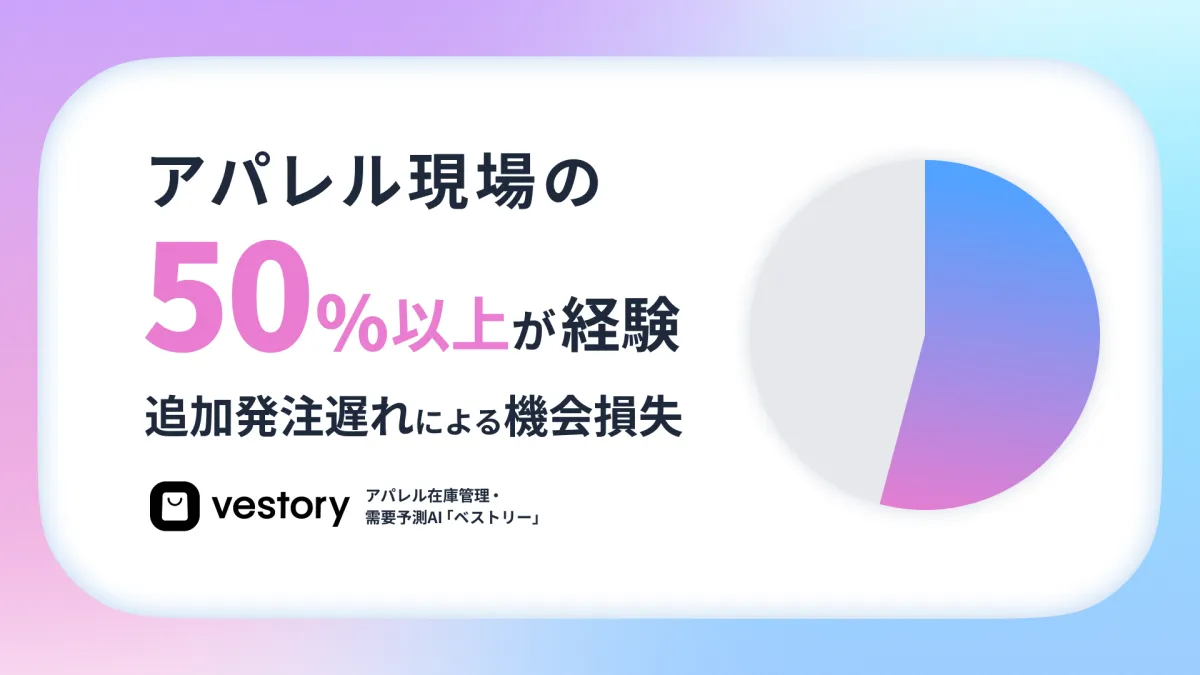
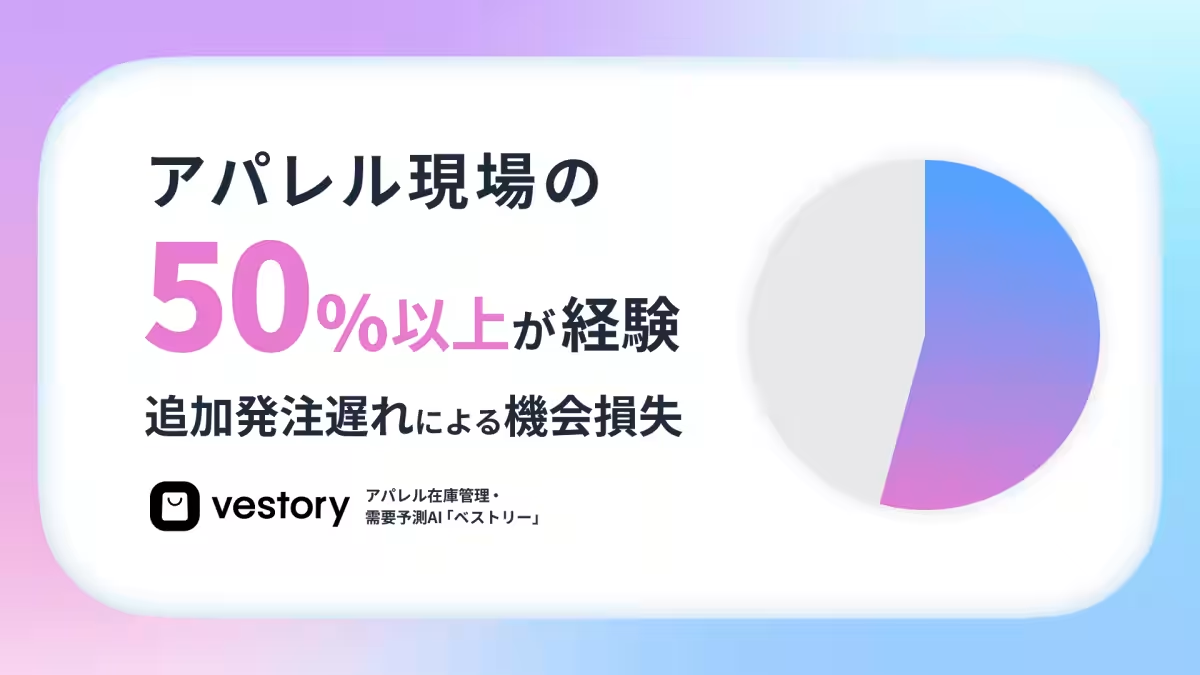
In today’s fast-paced apparel industry, the ability to accurately manage inventory is paramount for success. A recent survey conducted by Hicrea Co., Ltd. in Nakano, Tokyo, highlights a critical issue plaguing over half of industry professionals: delays in inventory replenishment. With more than 54% of respondents reporting missed sales opportunities, the findings shed light on the pressing need for innovation in inventory management.
The Survey
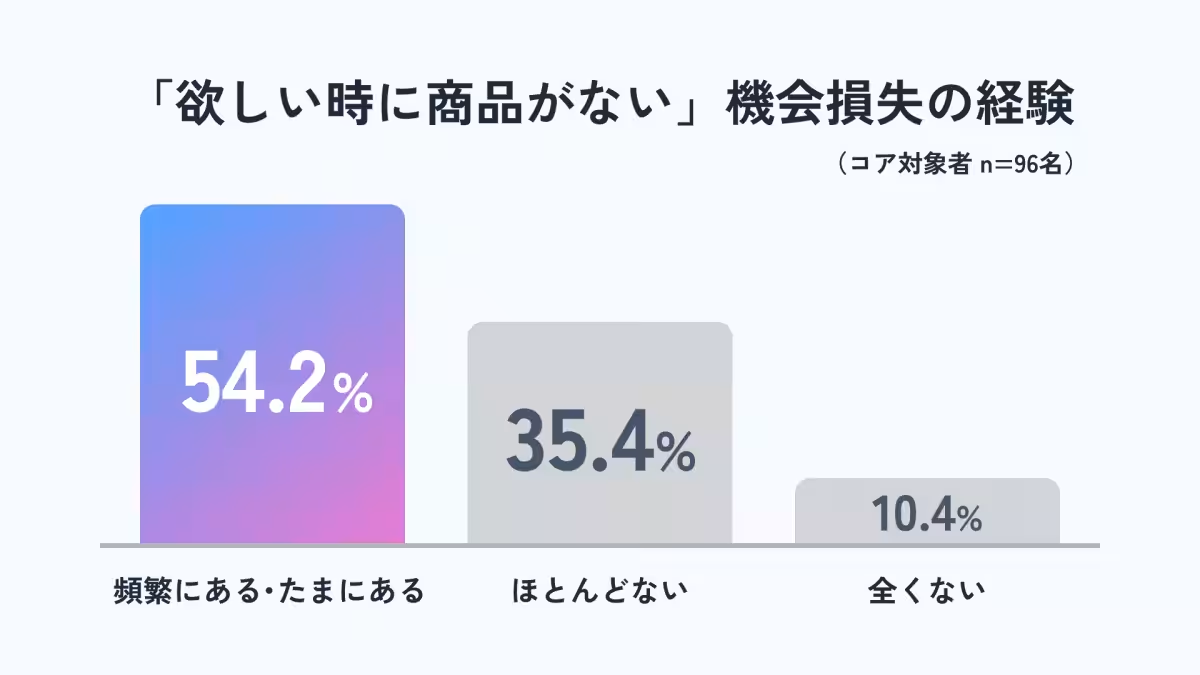
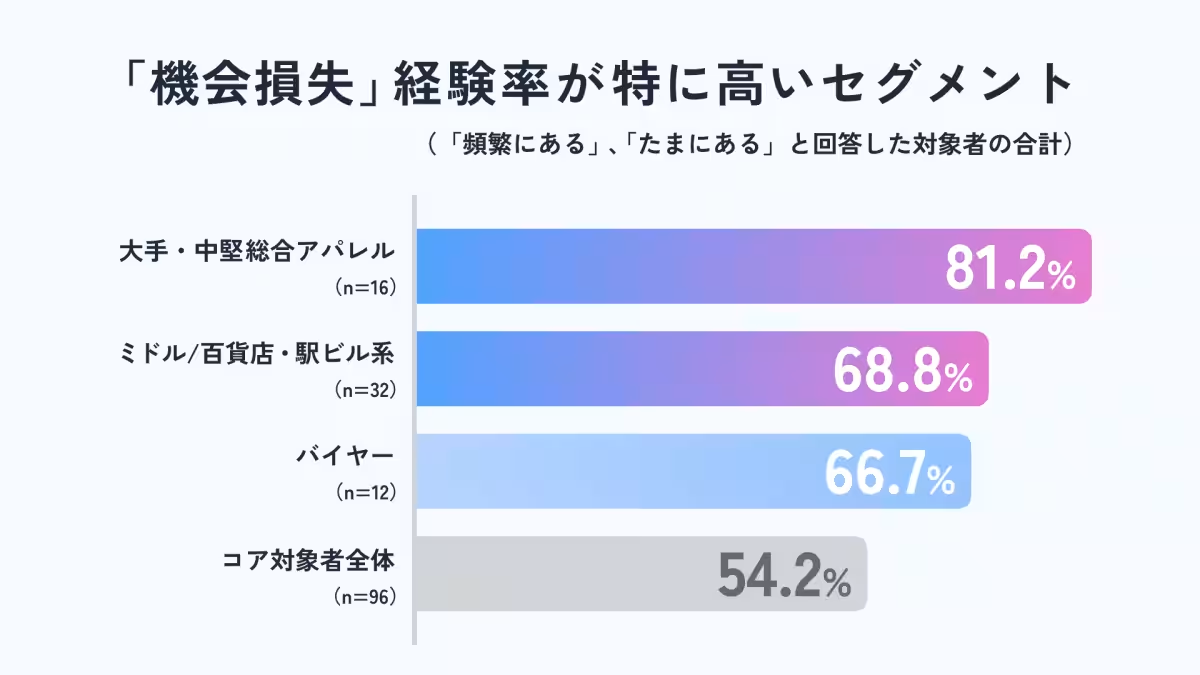
Hicrea’s survey targeted 96 industry professionals ranging from merchandise directors, buyers, designers, to production managers and executives. The results are startling: 54.2% of respondents indicated they frequently or occasionally face stock-outs due to delays in inventory transfers and additional orders. This translates to significant revenue losses for the businesses involved, highlighting a critical gap in operational efficiency.
Background of the Problem
The current apparel market grapples with a shortage of skilled labor, skyrocketing material and logistics costs, and the pressing need for effective decision-making amidst these constraints. Many brands still rely heavily on Excel for inventory management, leading to a disconnect between actual demand and stock availability. The survey underscores a widespread issue: the delays in reordering and stock transfers often result in products being unavailable just when customers want them.
Key Findings
The following statistics from the survey reveal the urgency of this problem:
Inventory Delays Lead to Missed Opportunities
- - 54.2% of respondents experienced stock-outs, resulting in lost sales.
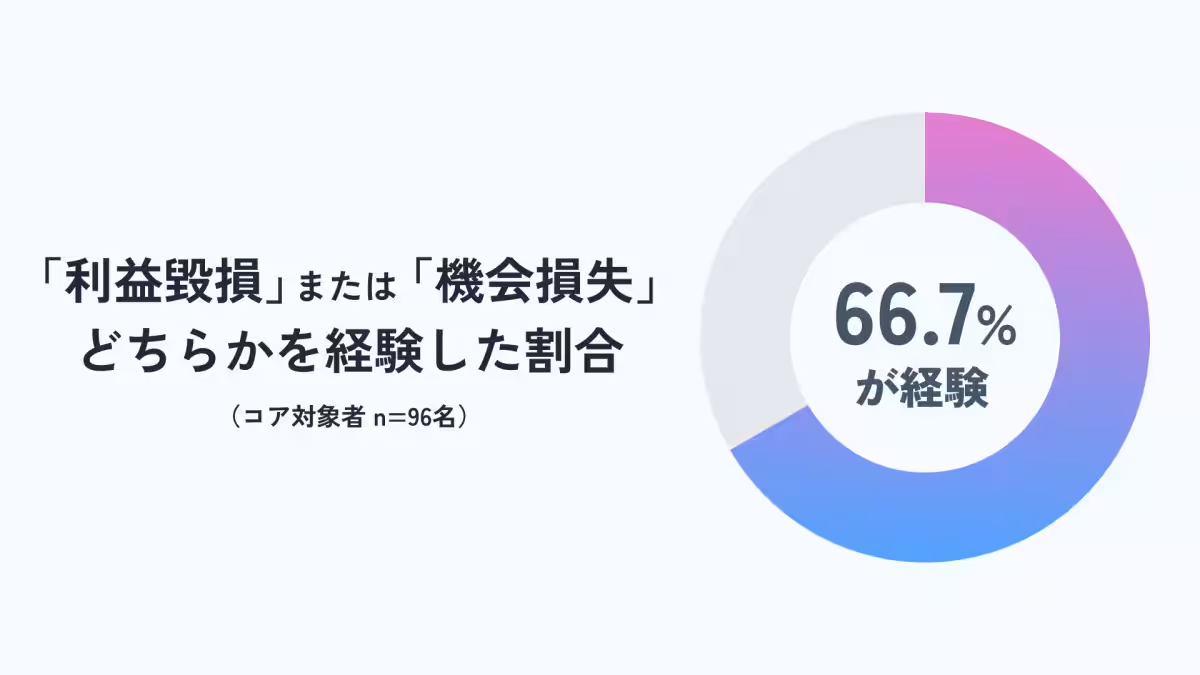
- - 66.7% reported experiencing either profit erosion or missed opportunities due to ordering delays.
This loss is particularly pronounced in larger organizations, where the complexity of inventory management exacerbates the issue. Among different categories, larger retail chains and middle-tier department stores reported an alarmingly high rate of 81.2% experiencing opportunity loss due to these delays.
Specific Insights by Job Role
The survey dissected results by professional roles, revealing that 66.7% of buyers are acutely aware of the impacts of delayed inventory management. This role directly influences stock levels and customer satisfaction, thereby contributing significantly to the overall profitability of the organization.
Implications for the Future
As the findings suggest, the apparel industry must pivot towards more effective inventory solutions to streamline processes and mitigate risks. Implementing advanced technologies, such as AI and predictive analytics, can support inventory optimization and enhance decision-making speed in response to rapidly changing consumer preferences.
Many respondents echoed a sentiment for increased automation. Comments from industry professionals revealed a collective desire for AI-driven systems that can predict demand more accurately, facilitate timely reorders, and minimize human error in inventory management. One of the participants asserted, “AI could significantly help in trend prediction and improving order efficiency.”
Conclusion
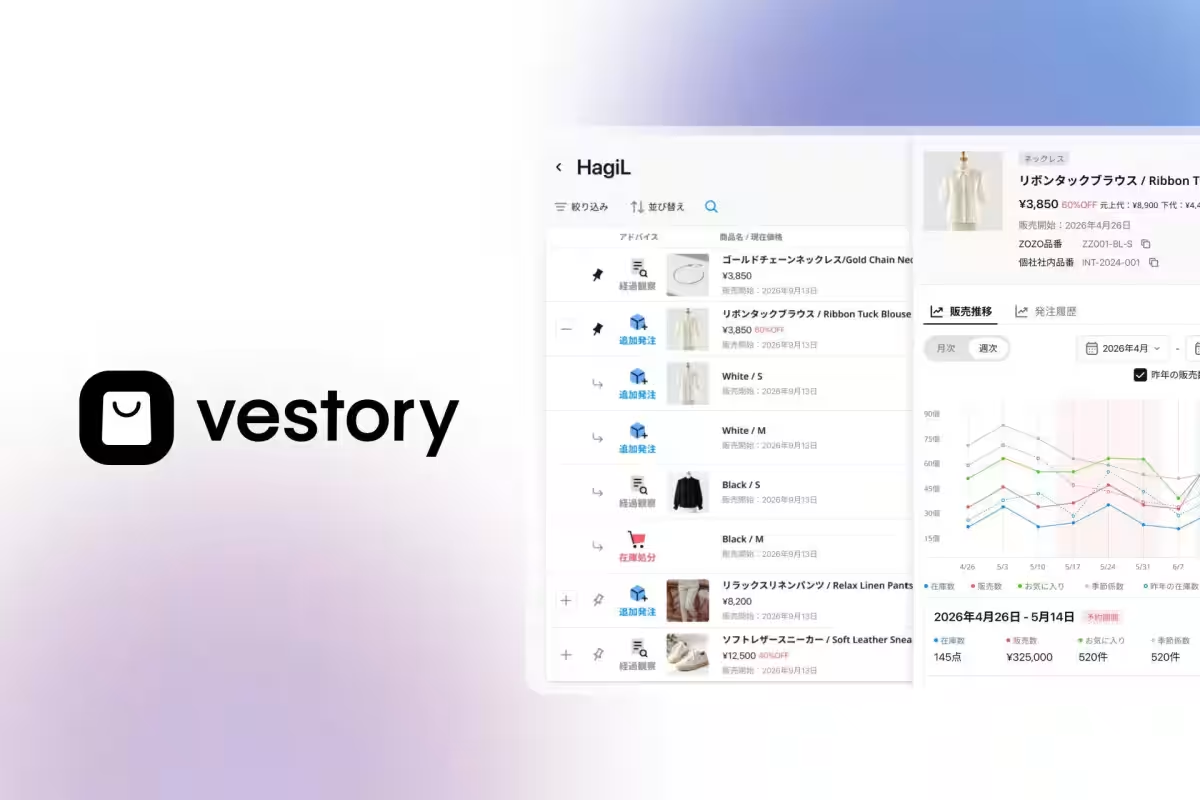
The key takeaway from Hicrea's survey illustrates a clear need for action within the apparel industry. As more than half of the professionals surveyed experience significant revenue loss due to inventory delays, brands should prioritize technological advancements and process improvements. Harnessing AI solutions like Hicrea’s Vestory could indeed pave the way for a more resilient market and better serve consumer demands. The time for change is now, and the industry must not overlook the vital connection between inventory management and profitability.
For information on Hicrea and its innovative offerings, visit Hicrea's official site and explore their inventory management solutions.
Topics Consumer Products & Retail)
【About Using Articles】
You can freely use the title and article content by linking to the page where the article is posted.
※ Images cannot be used.
【About Links】
Links are free to use.