



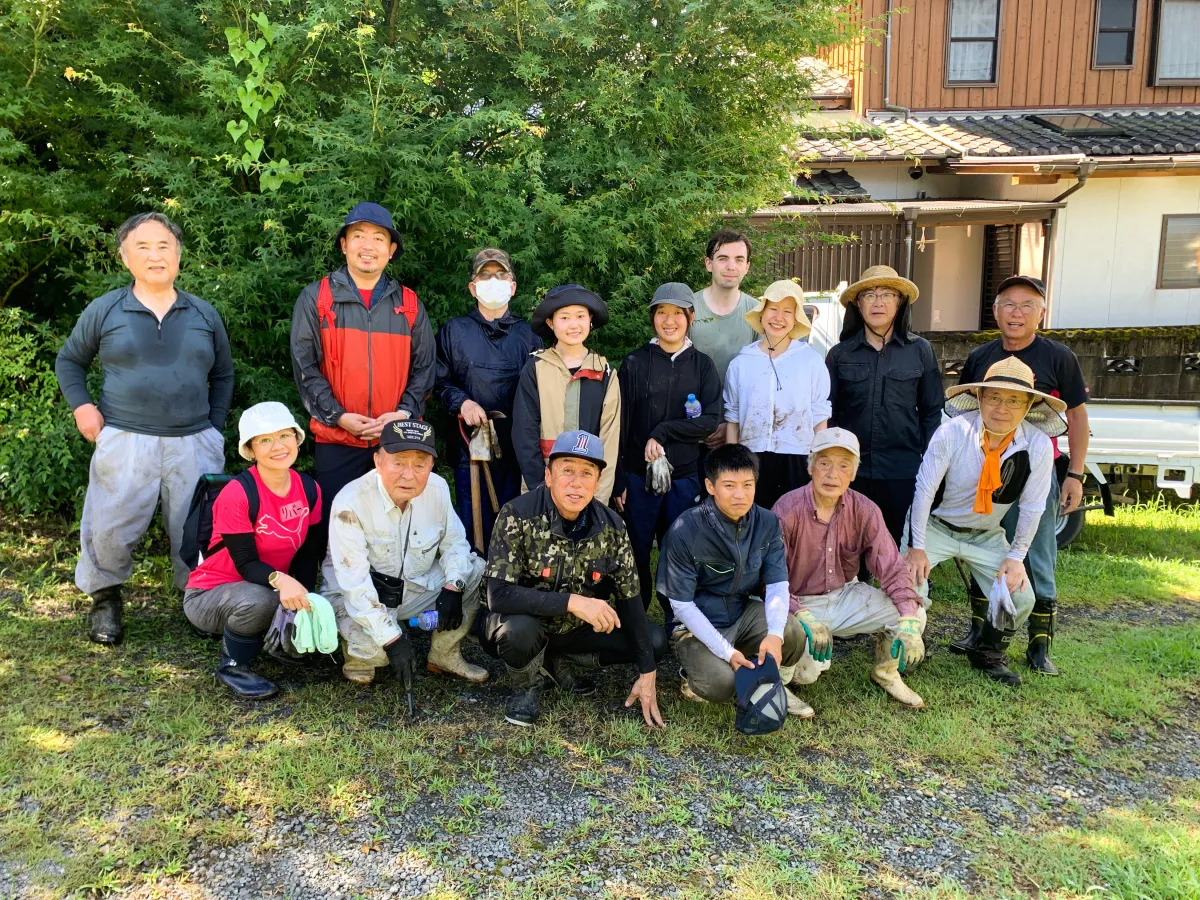
Kyushu University Students and Locals Unite to Protect Salamander Habitats
Protecting Salamanders in Saga: A Collaborative Effort
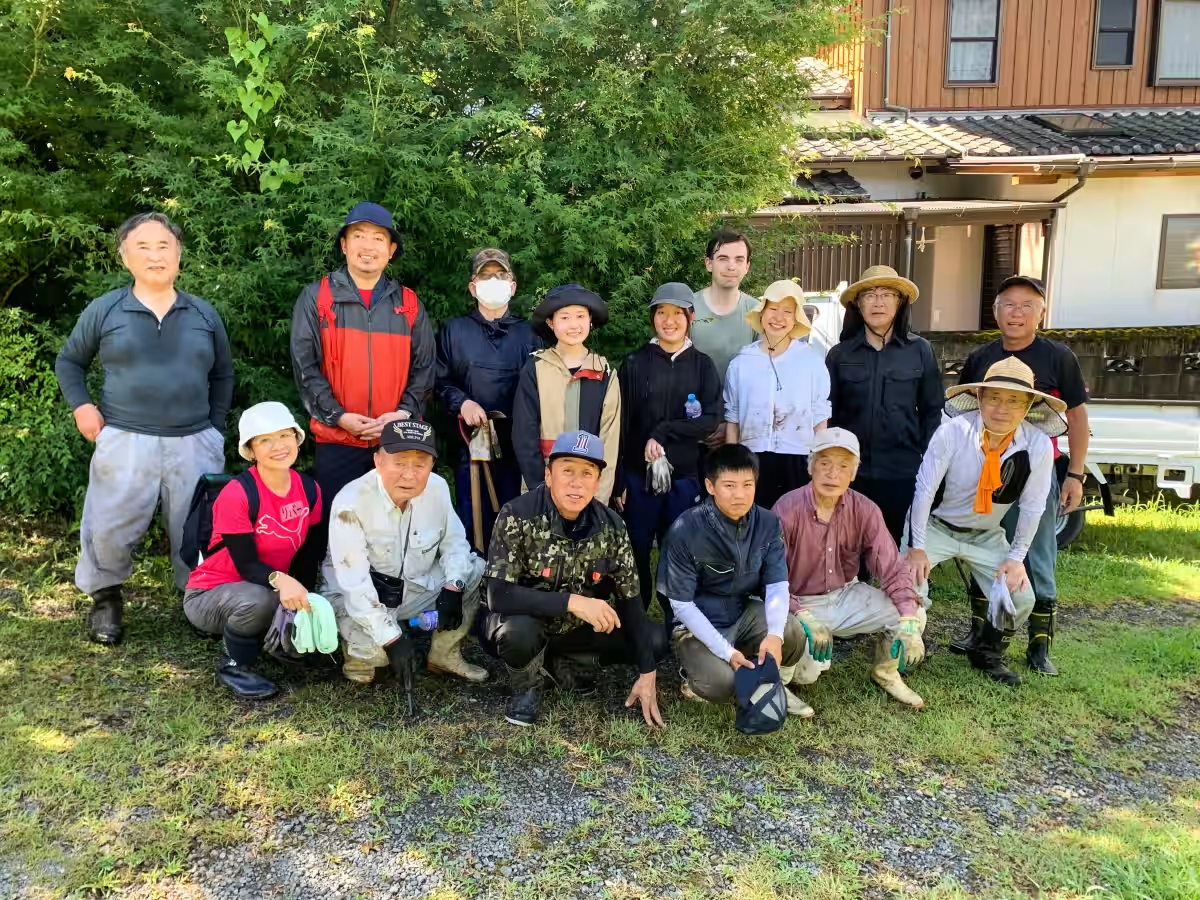
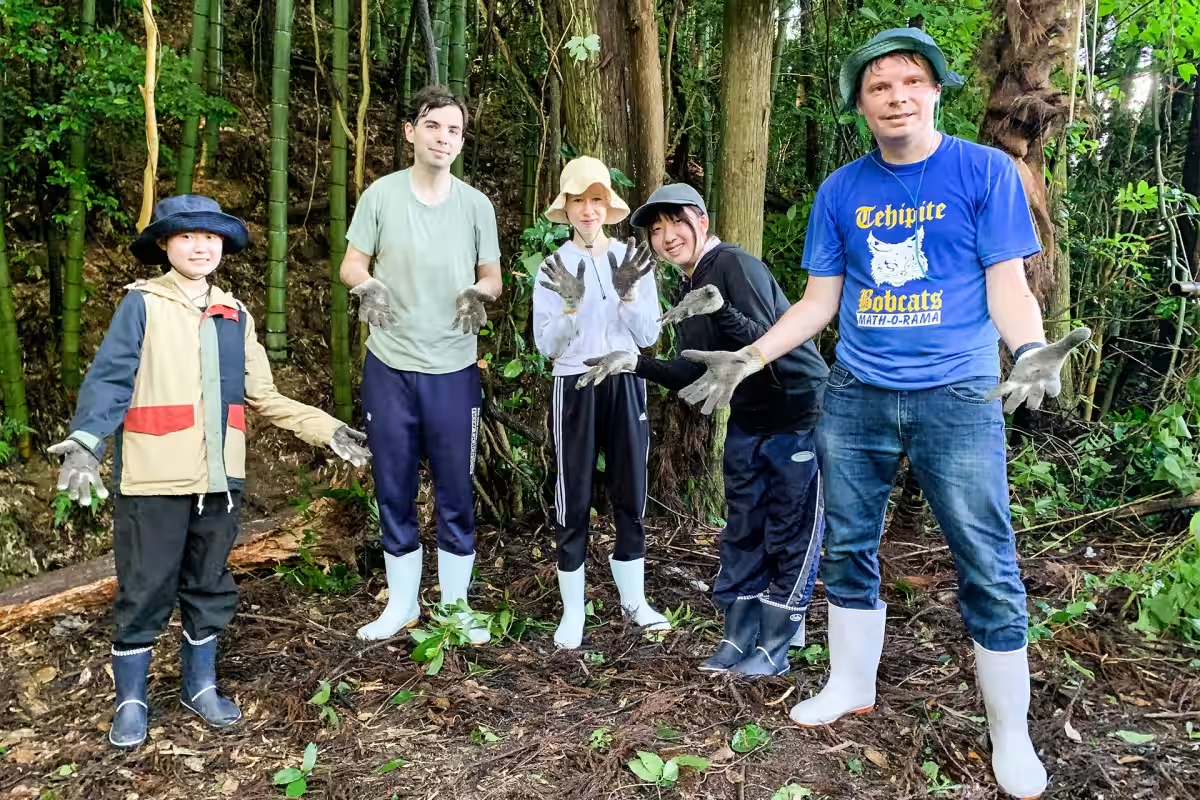
On July 13, 2025, a significant conservation initiative took place in Yokomaku, a region in Karatsu City, Saga Prefecture, Japan. This project was a collaborative effort between students from Kyushu University, affiliated with Borsch, and local residents. The aim was to preserve the unique satoyama (traditional rural landscapes) ecosystems while fostering community engagement.
The Significance of the Location
The chosen site is recognized as a nature conservation area certified by Japan's Ministry of the Environment under the OECM (Other Effective Area-Based Conservation Measures) program. This area serves as a critical habitat for various species, including the rare salamander known to exist only in northern Kyushu. The biodiversity within this ecosystem is not just important for the environment, but also for the local community's identity and heritage.
Addressing the Fallen Tree Issue
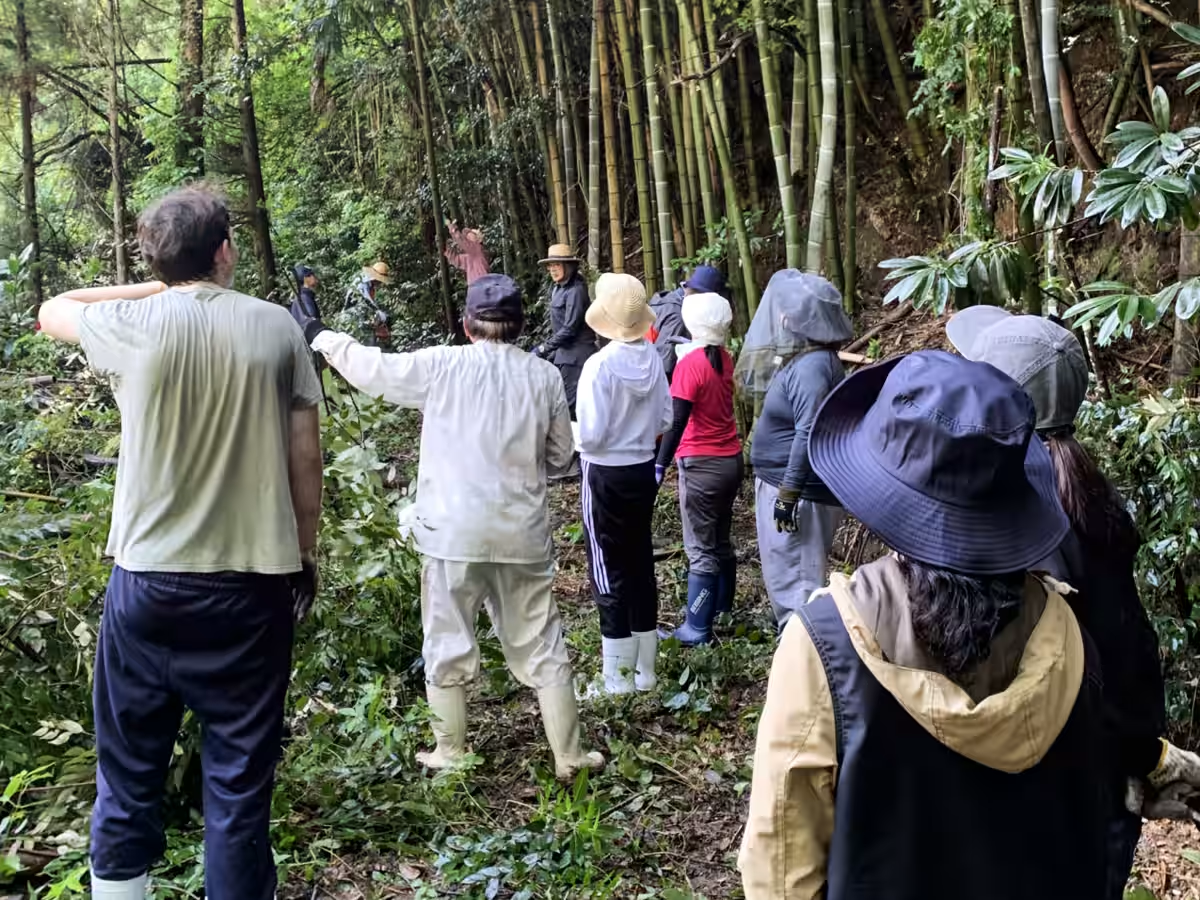
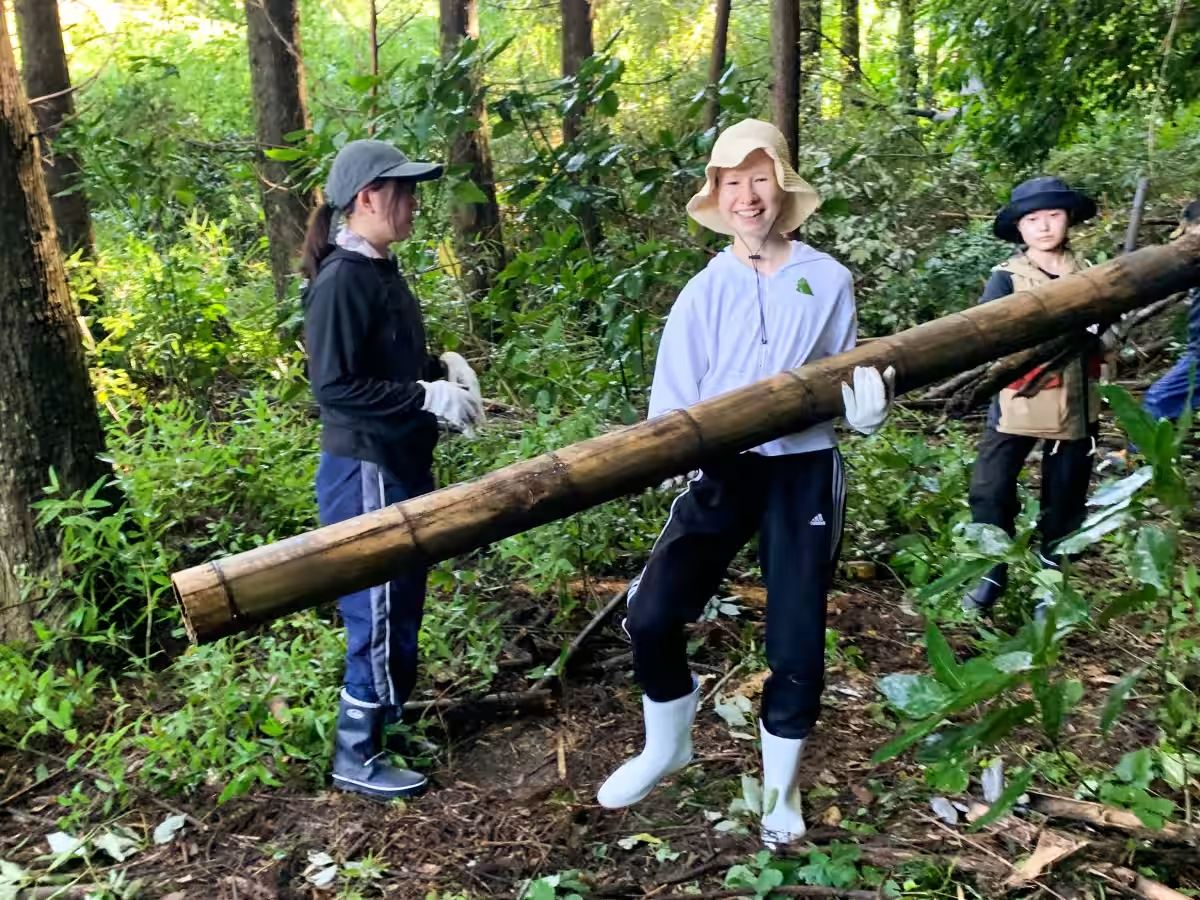
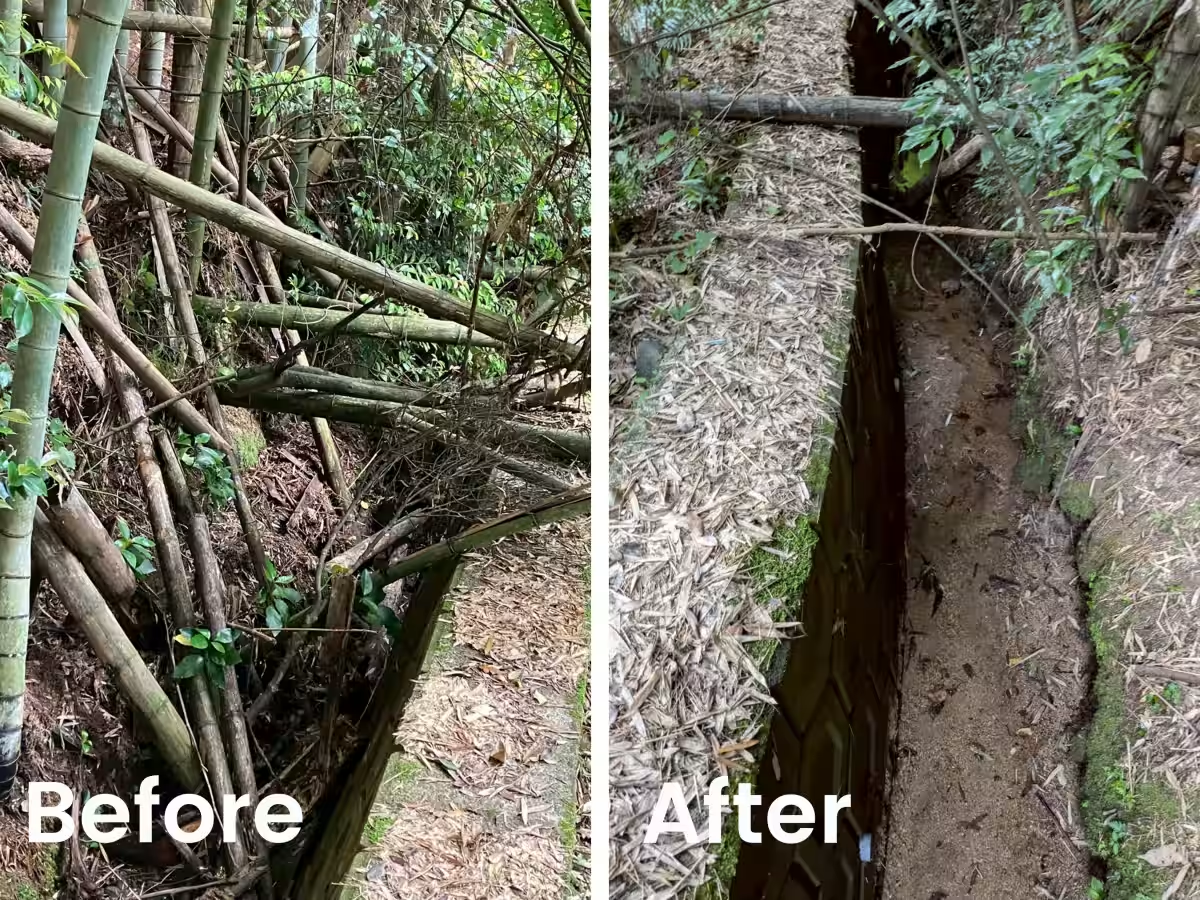
One of the primary tasks undertaken during this conservation effort was the removal of fallen trees along the streams. Over time, many trees, including cedar and bamboo, had collapsed due to natural causes, posing two main threats:
1. Flood Hazards: During heavy rains, fallen trees and sediment could wash away into residential areas, endangering homes and livelihoods.
2. Habitat Preservation: The fallen trees disrupted the living environment for the vulnerable salamander population and other local wildlife.
Local residents had long expressed concerns about the issue of fallen trees, but it had been challenging to address due to aging communities and a lack of available labor. The collaboration brought together the necessary manpower to tackle this problem effectively.
A Memorable Culinary Experience
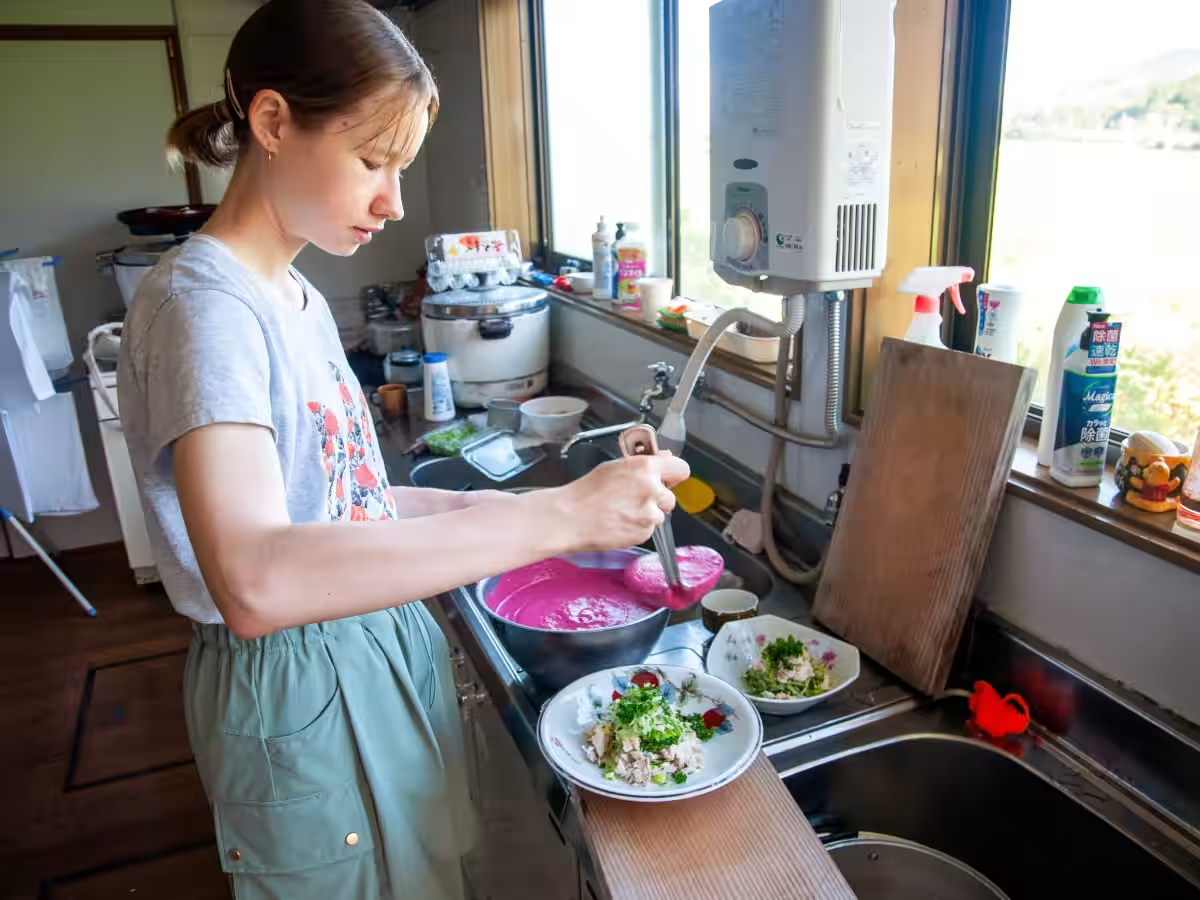
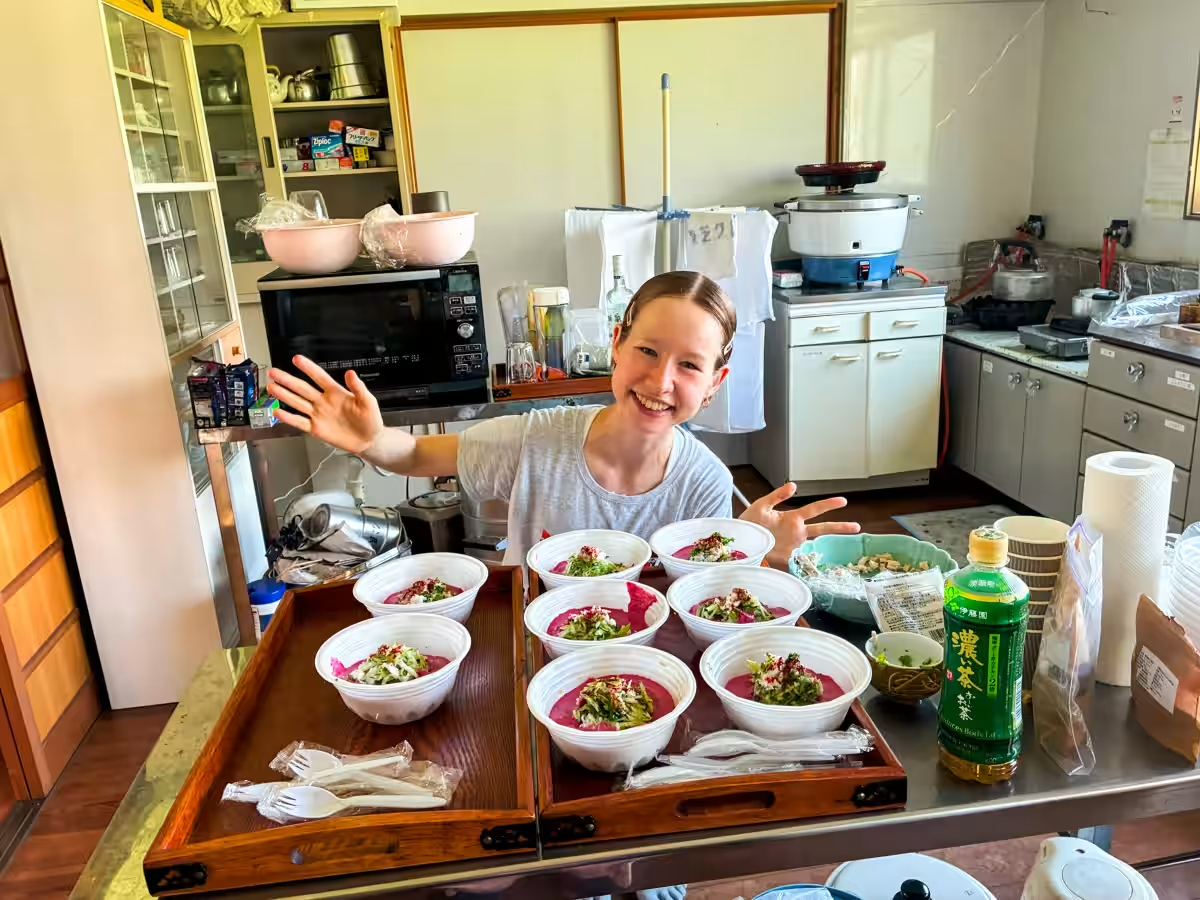
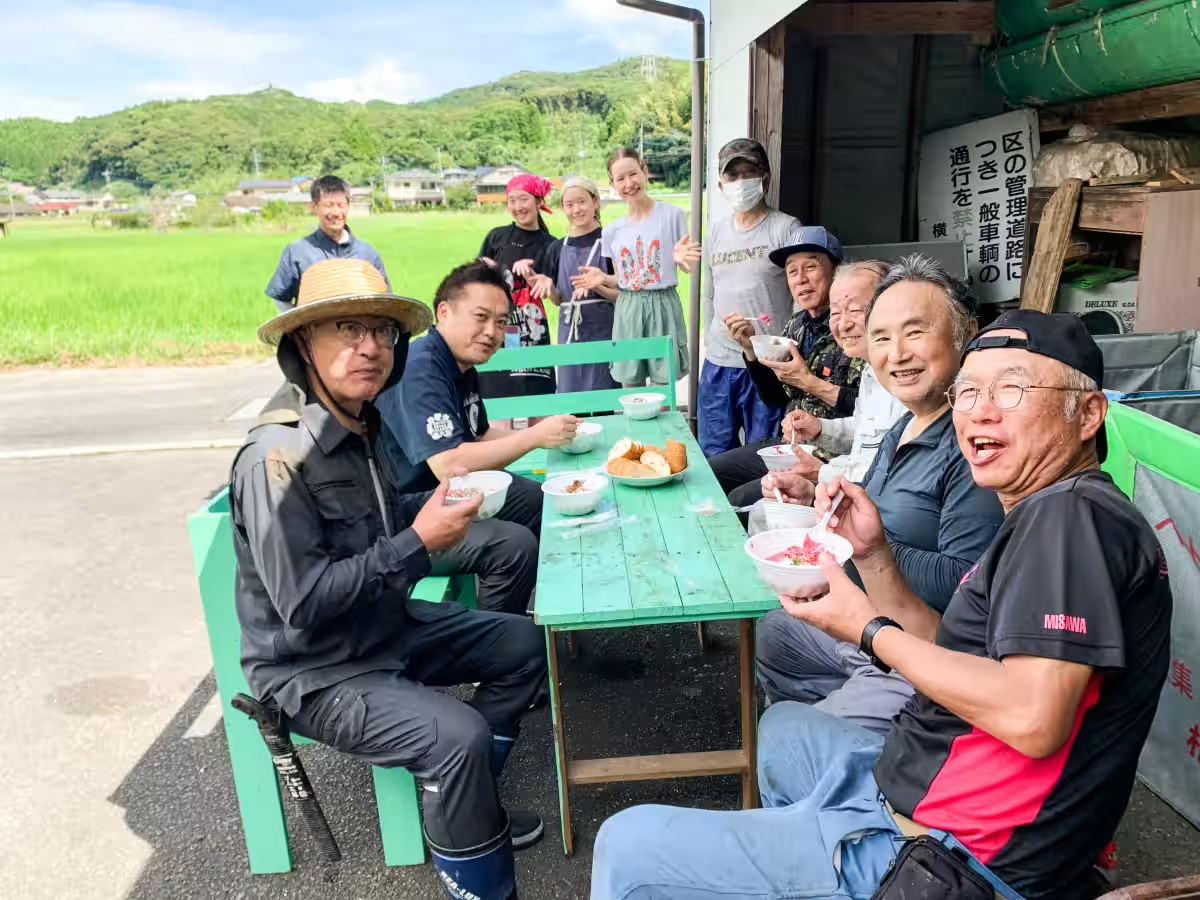
Following the hard work, the students prepared a special dish — Holodets, or cold borscht, a traditional Ukrainian dish. This culinary event allowed locals and students to bond over food, highlighting the cultural exchange between Ukraine and Japan. Sharing this meal after a day of labor served as a reminder of the power of connection through food, transcending language and cultural barriers.
Notably, the removed fallen trees will not go to waste; they are set to be used as fuel for the traditional
Topics Environment)
【About Using Articles】
You can freely use the title and article content by linking to the page where the article is posted.
※ Images cannot be used.
【About Links】
Links are free to use.