



Hitachi and Enewill Launch Green Value Certification for Renewable Energy Storage
In a groundbreaking collaboration, Hitachi Ltd. and Enewill Inc. have initiated a project to leverage the green value of renewable energy stored in battery systems. This partnership marks a significant step towards ensuring the environmental benefits of renewable energy are accurately tracked and utilized. Their new system provides proof of the green value tied to renewable energy, enabling it to be used effectively for power sales.
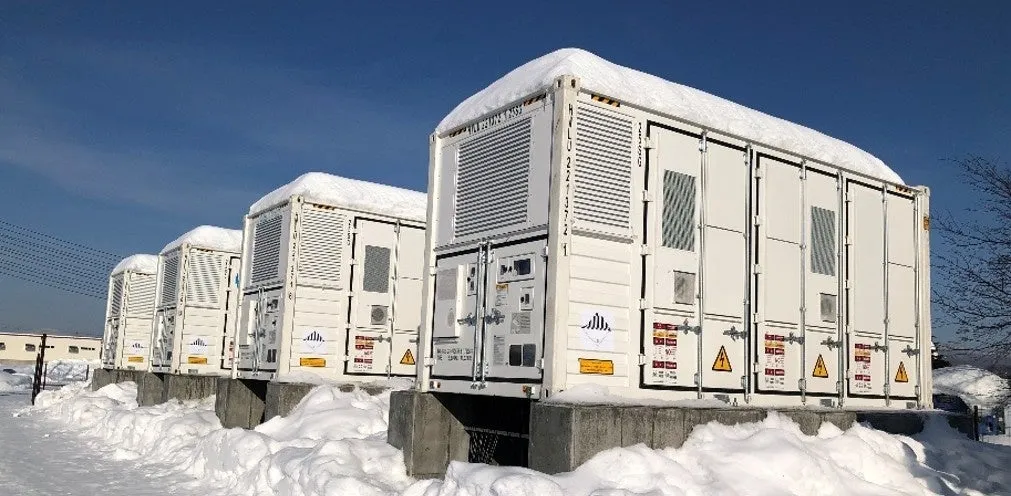
The duo has introduced this innovative service utilizing Hitachi's green value certification service called "Storing RE." This service tracks renewable energy generated through Enewill's solar power stations and stored in their battery facilities. The power generated, particularly from a solar facility operated by Igarashi Holdings, is charged into Enewill's Nayoro No.1 storage facility in Hokkaido, which has a capacity of 8,128 kWh and a max output of 1,999 kW. During peak demand hours, this stored energy is discharged and used at four nearby facilities, ensuring that regions benefit from renewable energy when it's needed most.
What makes Storing RE particularly compelling is its ability to digitize and verify environmental value through various data points related to generation, charging, and discharging in real-time. This is crucial as international standards around greenhouse gas emission assessments continue to evolve, tightening the requirements for tracking where and when renewable energy is utilized.
The importance of energy storage facilities continues to swell in a society progressively reliant on renewable energy. They act not only as stabilizers for the energy grid, combating the variability caused by weather conditions, but also as platforms for revenue generation through trading and market participation. However, mitigating the environmental impact during these transactions has become a pressing challenge, particularly when stored energy from various sources becomes mixed, complicating tracking efforts under current systems.
Recognizing these challenges, the newly established tracking mechanism of Storing RE ensures that discrepancies regarding the source of stored energy are addressed. It allows for precise management of energy data, providing evidence to affirm that the energy used is indeed derived from renewable sources. The structure functions similarly to existing methodologies while expanding its scope to include data related to energy distribution, allowing energy providers to reconcile power charges with actual usage efficiently.
Furthermore, the collaboration between Hitachi and Enewill reflects a broader commitment to sustainability through initiatives aligned with Hitachi’s management plan known as "Inspire 2027." This project seeks to generate new value through digital transformation while supporting the transition towards more sustainable energy practices at every level.
As they move forward, Hitachi and Enewill are confident that their program will serve as a vital foundation for a next-generation green power system, with broader applications in various settings within the energy sector. Their goal is not just to innovate but also to enhance the economic viability of energy storage systems, thereby unlocking additional green value that can directly impact revenue models in the energy market.
In conclusion, as the landscape of renewable energy regulation tightens globally, strategic initiatives like this collaboration between Hitachi and Enewill will be essential in not only meeting compliance but also in driving the clean energy transformation forward. As more facilities adopt practices that ensure their energy sources are verifiable as renewable, the progression toward a sustainable future becomes all the more attainable. The commitment from Hitachi and Enewill to leverage technology in service to the environment heralds a potent shift in how renewable energy can be integrated, accounted for, and valued in today's energy markets.

The duo has introduced this innovative service utilizing Hitachi's green value certification service called "Storing RE." This service tracks renewable energy generated through Enewill's solar power stations and stored in their battery facilities. The power generated, particularly from a solar facility operated by Igarashi Holdings, is charged into Enewill's Nayoro No.1 storage facility in Hokkaido, which has a capacity of 8,128 kWh and a max output of 1,999 kW. During peak demand hours, this stored energy is discharged and used at four nearby facilities, ensuring that regions benefit from renewable energy when it's needed most.
What makes Storing RE particularly compelling is its ability to digitize and verify environmental value through various data points related to generation, charging, and discharging in real-time. This is crucial as international standards around greenhouse gas emission assessments continue to evolve, tightening the requirements for tracking where and when renewable energy is utilized.
The importance of energy storage facilities continues to swell in a society progressively reliant on renewable energy. They act not only as stabilizers for the energy grid, combating the variability caused by weather conditions, but also as platforms for revenue generation through trading and market participation. However, mitigating the environmental impact during these transactions has become a pressing challenge, particularly when stored energy from various sources becomes mixed, complicating tracking efforts under current systems.
Recognizing these challenges, the newly established tracking mechanism of Storing RE ensures that discrepancies regarding the source of stored energy are addressed. It allows for precise management of energy data, providing evidence to affirm that the energy used is indeed derived from renewable sources. The structure functions similarly to existing methodologies while expanding its scope to include data related to energy distribution, allowing energy providers to reconcile power charges with actual usage efficiently.
Furthermore, the collaboration between Hitachi and Enewill reflects a broader commitment to sustainability through initiatives aligned with Hitachi’s management plan known as "Inspire 2027." This project seeks to generate new value through digital transformation while supporting the transition towards more sustainable energy practices at every level.
As they move forward, Hitachi and Enewill are confident that their program will serve as a vital foundation for a next-generation green power system, with broader applications in various settings within the energy sector. Their goal is not just to innovate but also to enhance the economic viability of energy storage systems, thereby unlocking additional green value that can directly impact revenue models in the energy market.
In conclusion, as the landscape of renewable energy regulation tightens globally, strategic initiatives like this collaboration between Hitachi and Enewill will be essential in not only meeting compliance but also in driving the clean energy transformation forward. As more facilities adopt practices that ensure their energy sources are verifiable as renewable, the progression toward a sustainable future becomes all the more attainable. The commitment from Hitachi and Enewill to leverage technology in service to the environment heralds a potent shift in how renewable energy can be integrated, accounted for, and valued in today's energy markets.
Topics Energy)
【About Using Articles】
You can freely use the title and article content by linking to the page where the article is posted.
※ Images cannot be used.
【About Links】
Links are free to use.