



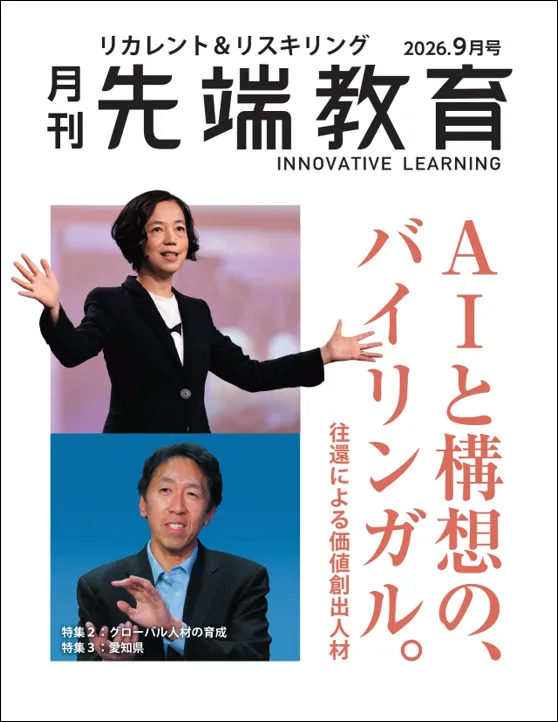
The Bilingual Fusion of AI and Conceptualization: Shaping Future Talent
The Bilingual Fusion of AI and Conceptualization: Shaping Future Talent
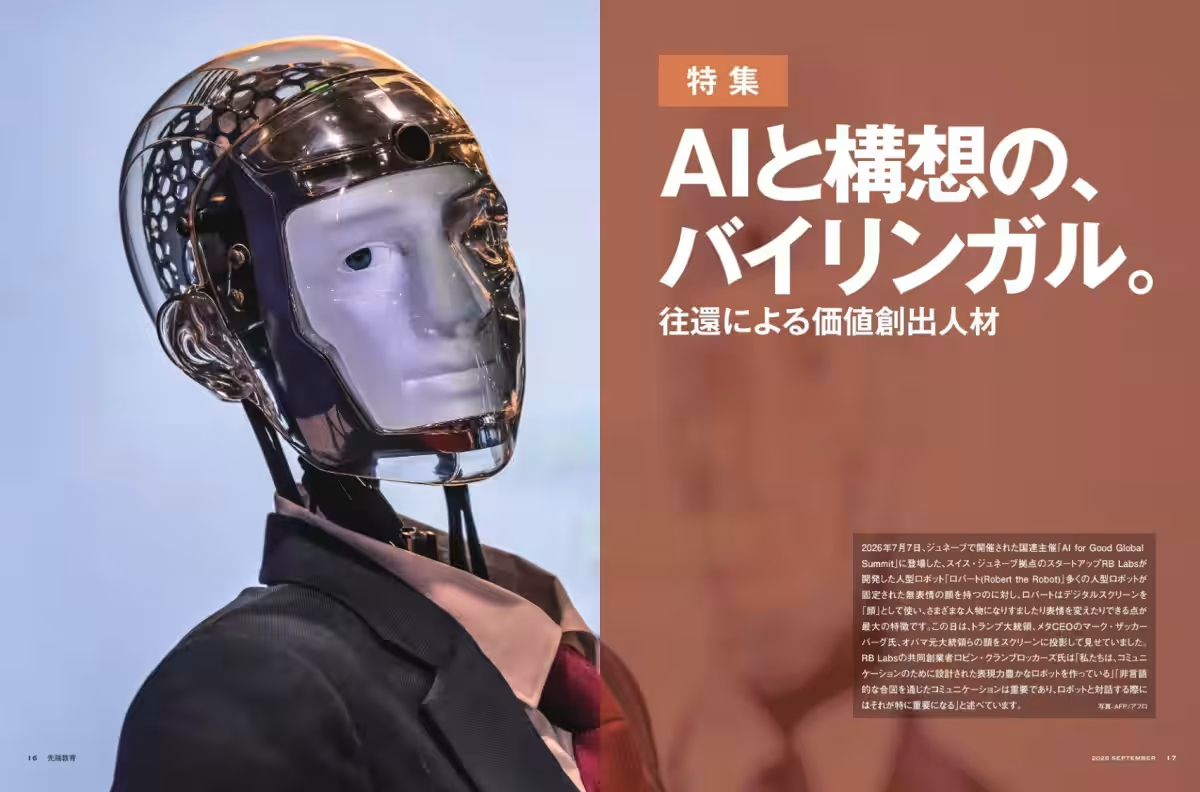
The rapidly evolving landscape of artificial intelligence (AI) is transforming industries across Japan and worldwide. With the enactment of the AI Basic Law and corresponding strategic initiatives, both public and private sectors are mobilizing efforts for advancement. Yet, as the momentum builds, there remains a crucial gap in defining what constitutes an ideal AI talent in this new age. Companies are grappling with the challenge of identifying and nurturing individuals who can leverage AI competencies and integrate them into broader business strategies.
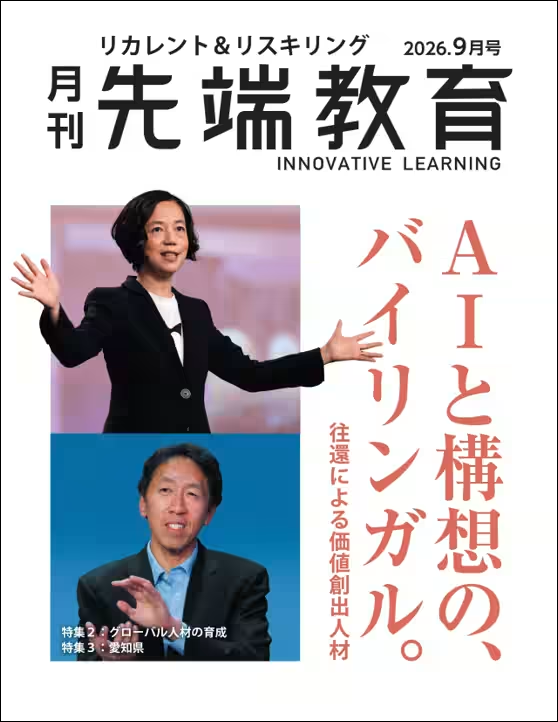
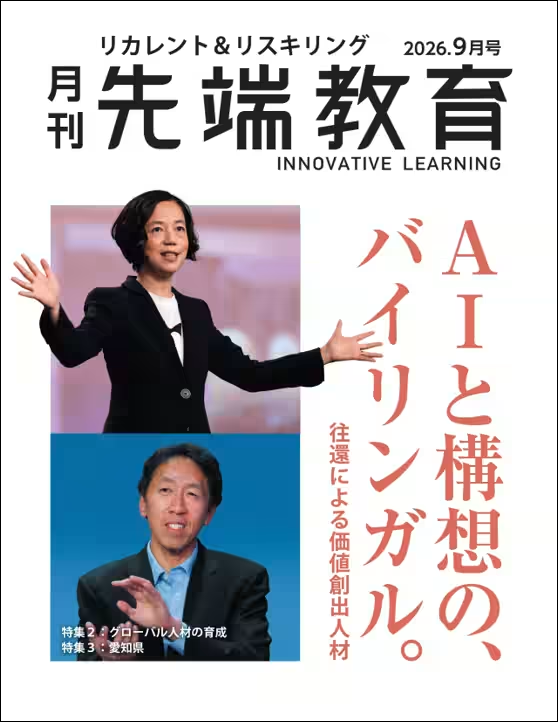
In this context, the September 2026 issue of the educational magazine 'Advanced Education' seeks to illuminate this crucial topic, focusing on the emergence of what we refer to as the 'bilingual talent'—individuals who possess both technical proficiency in AI and an understanding of societal, business, and strategic perspectives. This unique pairing is seen as essential for generating tangible value in the era of AI.
The Rise of 'Bilingual Talent'
In Japan, notable leaders in AI-centric organizations have shared valuable insights into the recruitment and development of this talent. According to Yoshiyuki Hamada, President of Cisco Systems Japan, the era of AI presents an unprecedented opportunity for the nation. He asserts that the pivotal factor for actualizing these opportunities lies in human resources who understand both technology and management principles.
Meanwhile, Akira Oueki, COO of ExaWizards, emphasizes that while every employee can acquire AI skills, true impact comes from those who can transform organizations through AI insights. Through interviews with various CEOs and academic specialists, the magazine explores how organizations are redefining talent acquisition and development strategies to align with the AI-centric vision.
Challenges in AI Talent Development
Despite the recognition of the importance of 'bilingual talent', many organizations remain at a crossroads, without a clear benchmark for identifying the necessary skills. For instance, Takashi Toyoda from the Ministry of Education has highlighted the need for an innovative approach, encouraging educational initiatives that bridge the gap between academic institutions and emerging job markets.
Tomoaki Okuma from Asahi Kasei emphasizes the significance of on-ground 'problem discovery' capabilities among AI practitioners. His insights suggest that educational and training programs must be aligned with real-world challenges to cultivate the right kind of talents.
Moreover, initiatives such as Laboro.AI's focus on developing 'solution designers'—experts who can translate AI capabilities into business innovation—are exemplified as the way forward. These emerging roles underline the need for continuous adaptation and evolution in educational frameworks to cater to industry's expectations.
Global Competency and Cultural Intelligence
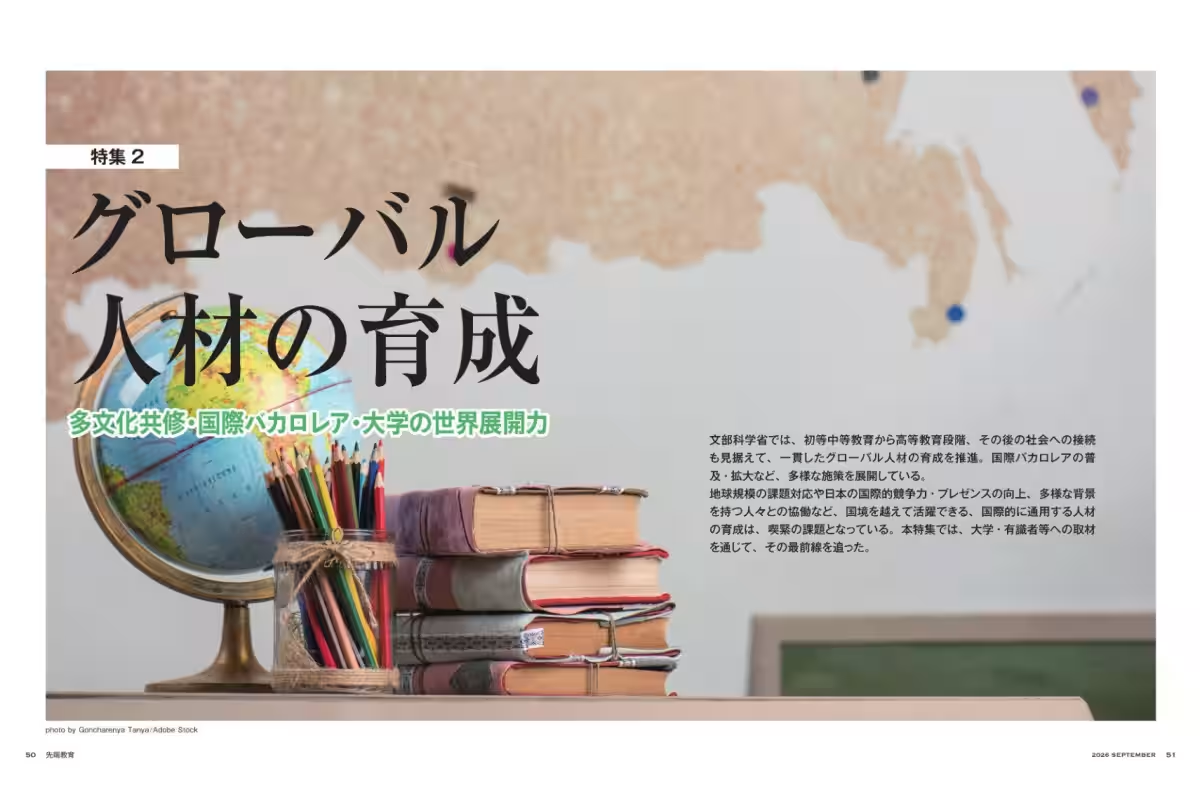
Looking beyond technical skills, the magazine also spotlights the crucial topic of global competency in its second special feature, which discusses the importance of cultural intelligence in educational reforms. The Ministry of Education's initiatives towards fostering globally-minded citizens are gaining traction as they aim to enhance Japan's competitiveness on the international stage. The inclusion of international baccalaureates and collaborative learning models are part of this strategic vision.
Profiles of educational leaders such as Yoshiko Ikeda and Mayumi Ishizuka highlight the efforts made to create a multicultural learning environment that prepares students to thrive regardless of geographical boundaries. Furthermore, insights from companies aimed at increasing the number of Japanese professionals venturing abroad illustrate a practical approach to global talent development.
Local Initiatives and Innovation
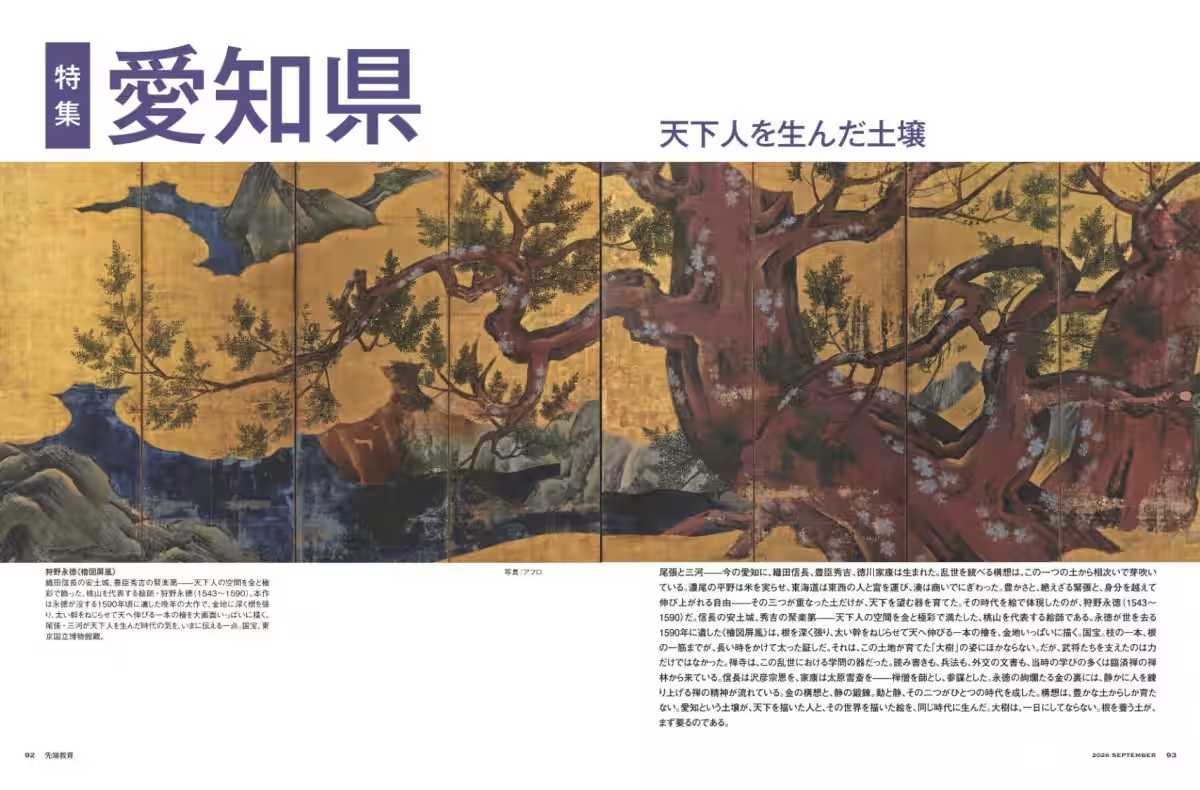
In regions like Aichi Prefecture, local educational administration, led by Chief Education Officer Tomoyuki Kōkatsu, is implementing innovative programs aimed at nurturing a sustainable society. Central to this effort is the 'Aichi Education Vision 2030,' a strategic framework designed to enhance individual capabilities and prepare students for the uncertainties of the future.
Tokyo University’s commitment to fostering cutting-edge research is echoed in the mission articulated by President Naohiro Sugiyama, showcasing a strong alignment between education and innovation. With the G30 international program gaining popularity, institutions are witnessing an influx of talent eager to start global dialogues and partnerships.
This issue of 'Advanced Education' serves as a vital resource, fostering dialogue around defining the crucial intersections of AI and conceptualization in educational practices while preparing future generations of talented individuals.
For anyone engaged in the educational or corporate domains, this magazine highlights the pressing need for redefined skill sets, a clearer understanding of global industry trends, and the importance of bilingual capabilities among emerging leaders as we navigate the future of work in a tech-centric world.




Topics Other)
【About Using Articles】
You can freely use the title and article content by linking to the page where the article is posted.
※ Images cannot be used.
【About Links】
Links are free to use.