



Vrew Supports Fine Sinter's In-House Training with AI Video Editing Solutions
Vrew's Involvement in Fine Sinter's Corporate Training
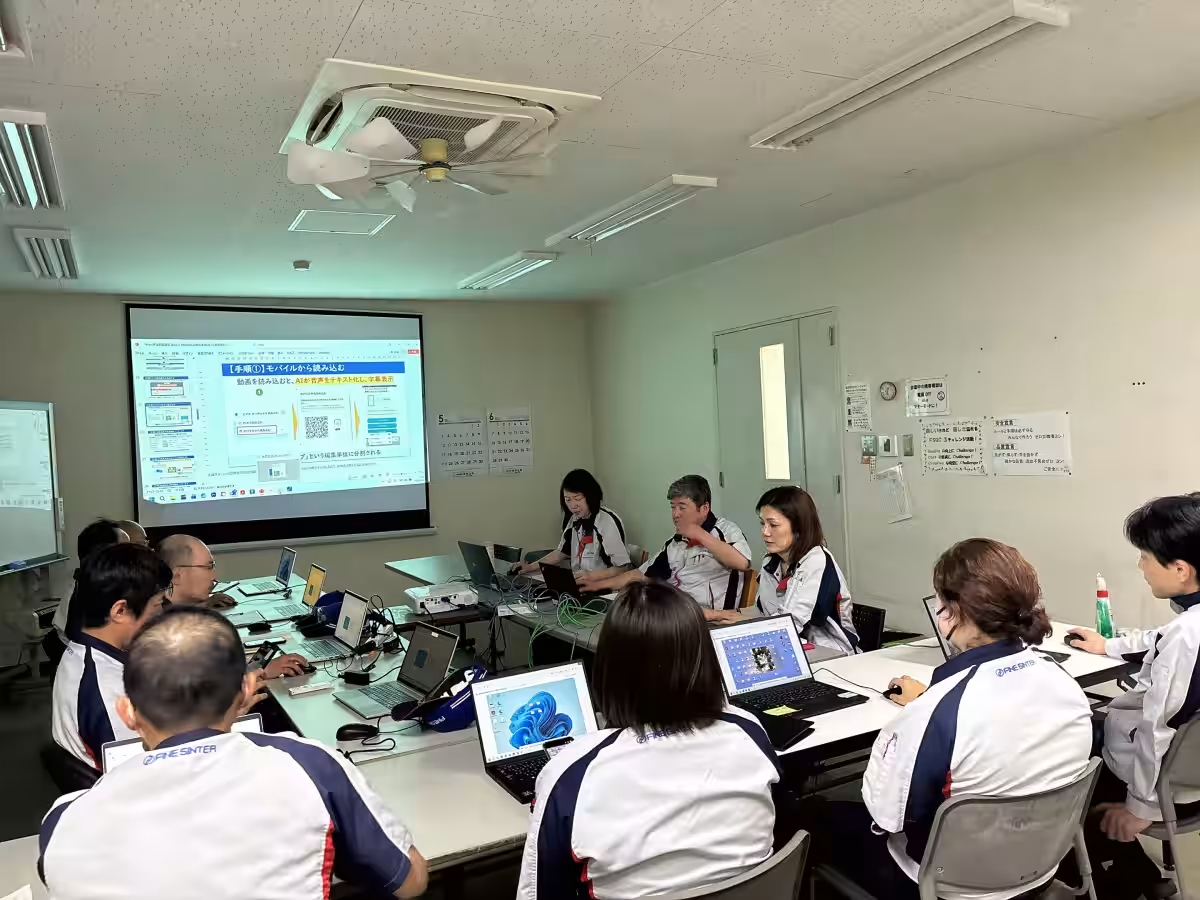
In a progressive move to enhance training methods, VoyagerX's AI video editing service, Vrew, has taken an active role in supporting Fine Sinter, a prominent player in the manufacturing industry. Recognizing the challenges faced by Fine Sinter in their training processes, Vrew has provided assistance from the initial stages of identifying issues to training support on the day itself, culminating in ongoing follow-up efforts post-training.
Vrew goes beyond just offering software; it tailors its usage strategies to align with each company's needs and operational scenarios. The primary objective is to ensure that personnel become self-sufficient in producing videos independently. This recent collaboration with Fine Sinter is a testament to Vrew's commitment, focusing on training that takes into account the unique editing requirements of manufacturing environments. The aim is to facilitate the consistent utilization of video content in the field.
Background and Challenges Encountered
Fine Sinter faced notable challenges due to increased employee turnover in recent years. Traditional forms of training — such as face-to-face methods, oral explanations, and printed materials — resulted in inconsistencies in quality and an overall burden on the training process. To address these issues, Fine Sinter embarked on an initiative to standardize and make On-the-Job Training (OJT) more efficient, turning to video manuals as a suitable solution.
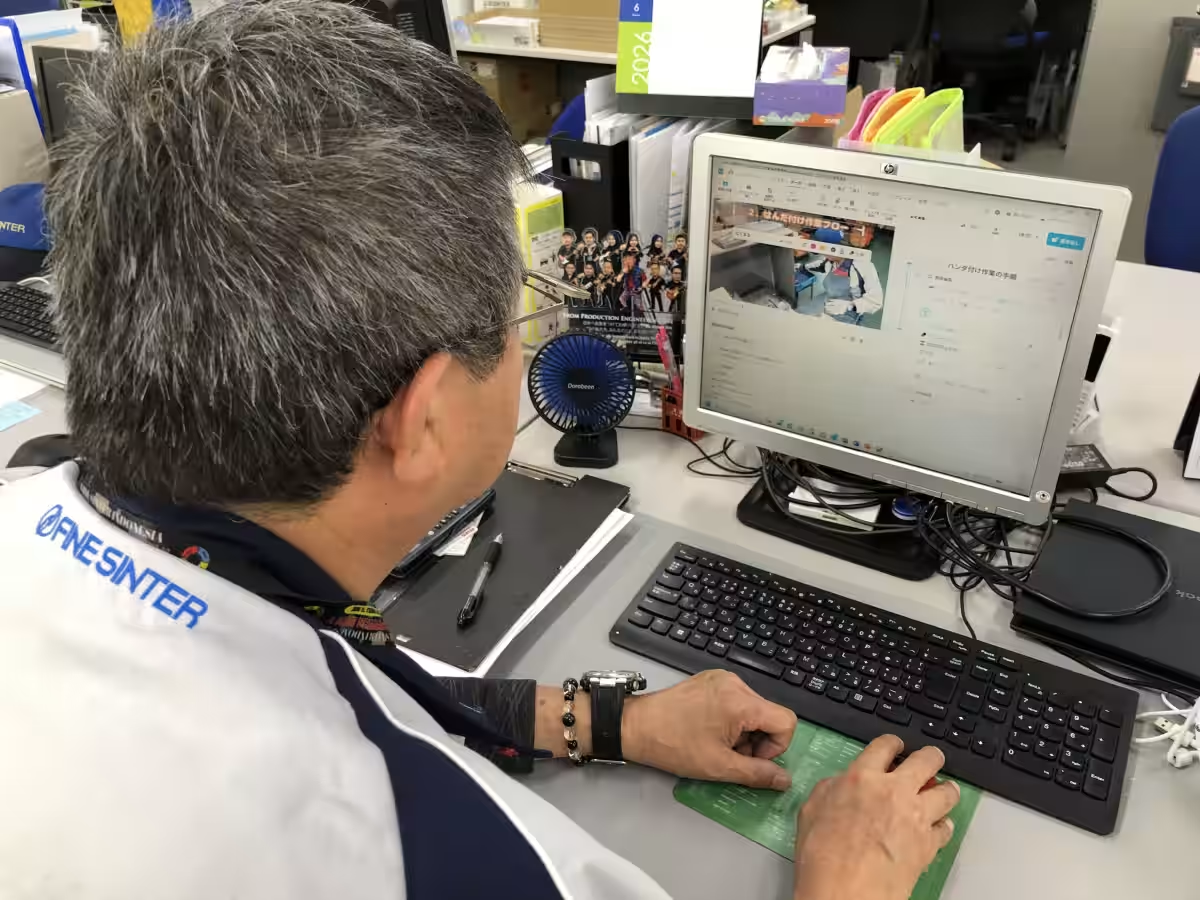
The core idea was to craft a system where even those without video editing experience could manage the filming and editing processes themselves. This initiative sought to promote the use of OJT videos that could be reviewed multiple times as needed, aiming to streamline training efficiency and standardization across the organization.
However, manufacturing videos often present their own set of challenges. They typically tend to be lengthy and can include various pauses for preparation and waiting, resulting in significant editing workloads, particularly in cutting out unneeded segments—known as
Topics General Business)

【About Using Articles】
You can freely use the title and article content by linking to the page where the article is posted.
※ Images cannot be used.
【About Links】
Links are free to use.