



Understanding Hay Fever Skin Problems: A Study on Allergic Reactions and Treatments
Understanding Hay Fever Skin Problems: A Study on Allergic Reactions and Treatments
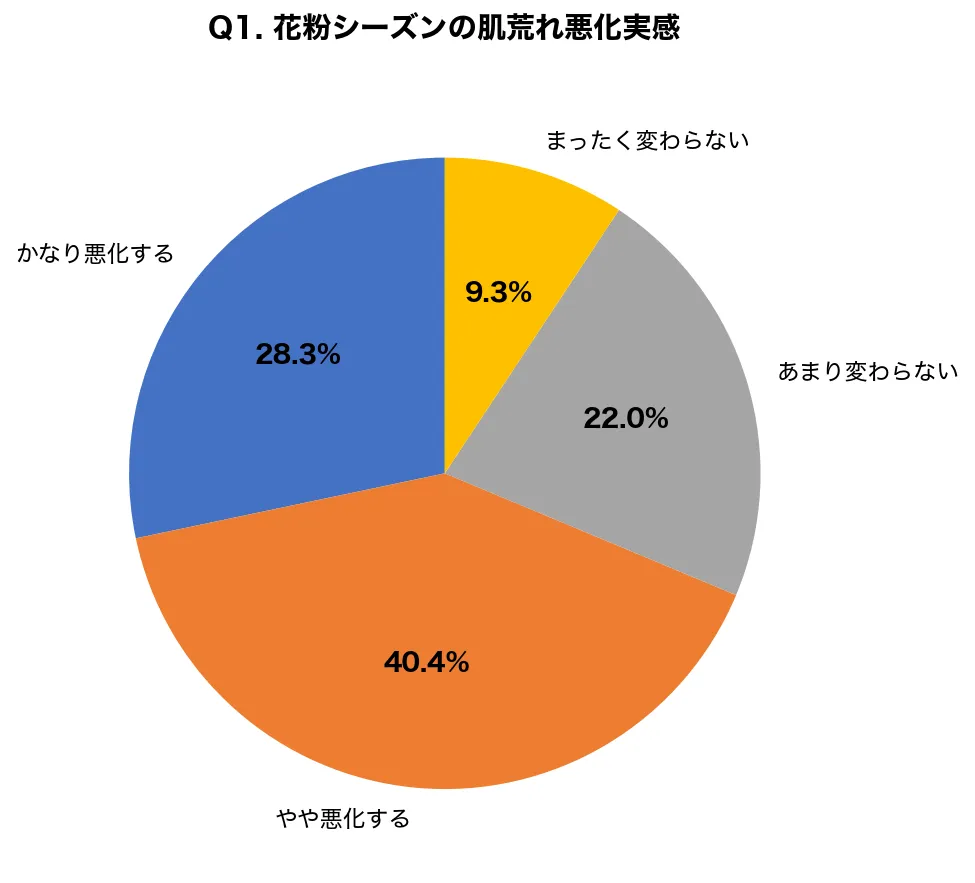
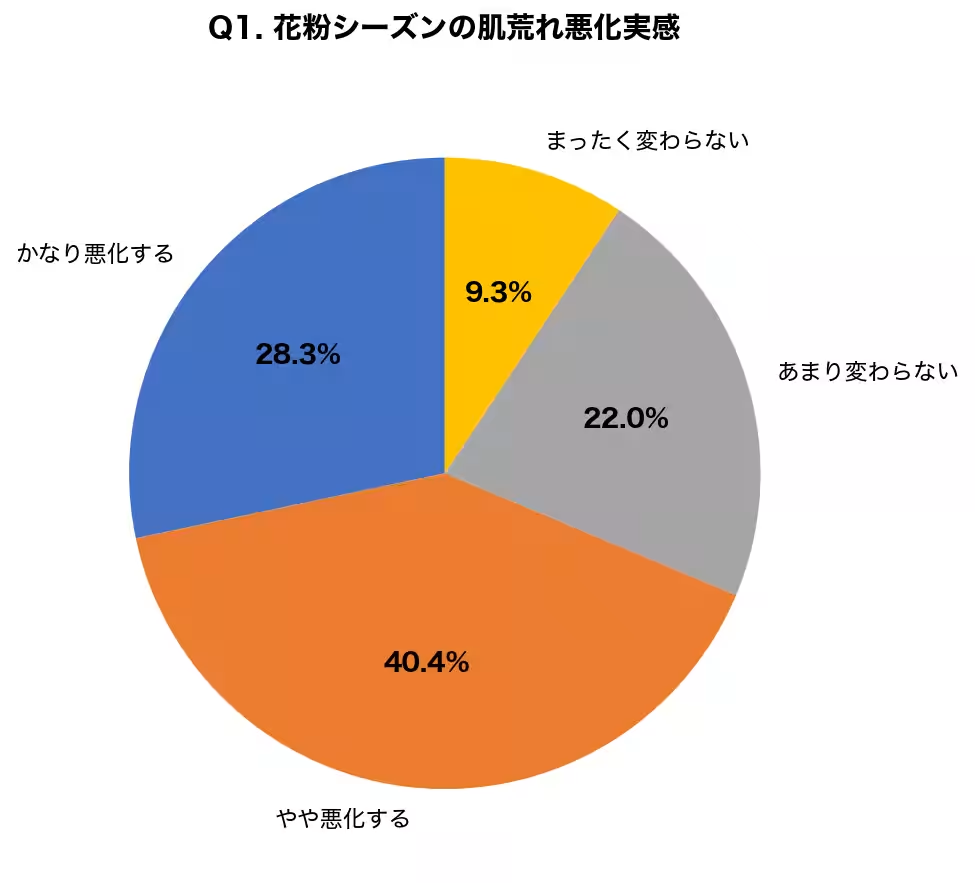
As spring approaches, the arrival of pollen can lead to more than just sneezing and itchy eyes for many individuals. A recent investigation, conducted by the IC Clinic, has unveiled that a striking 68.7% of respondents report worsening skin conditions during the pollen season. Despite the prevalence of these symptoms, only 14.3% have sought professional dermatological advice.
Key Findings of the Survey
- - Significant Impact of Pollen on Skin: The study indicates that nearly 70% of participants attribute their skin troubles directly to pollen exposure. Symptoms linked to allergic responses manifest typically around sensitive areas like the eyes, cheeks, and neck, differentiating pollen-induced dermatitis from regular skin irritation.
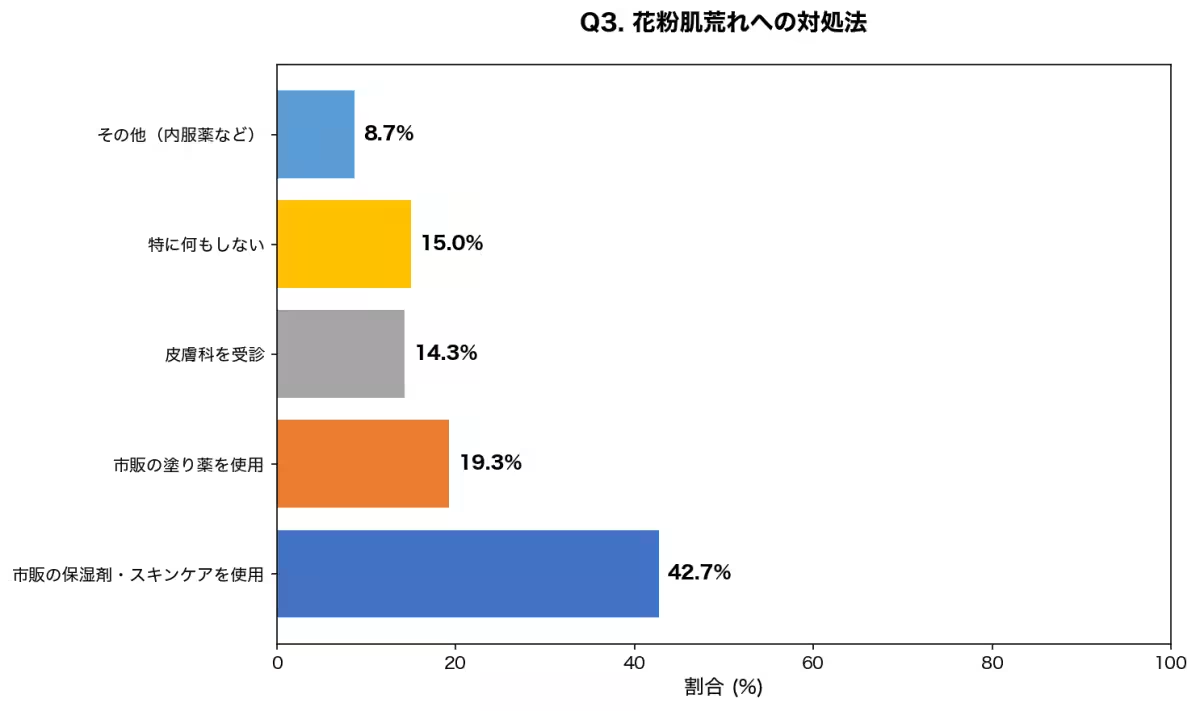
- - Low Dermatology Consultation Rates: An overwhelming 62.0% of people resort to over-the-counter medications and store-bought skincare solutions to mitigate their symptoms, while a mere 14.3% consider it necessary to consult a dermatologist.
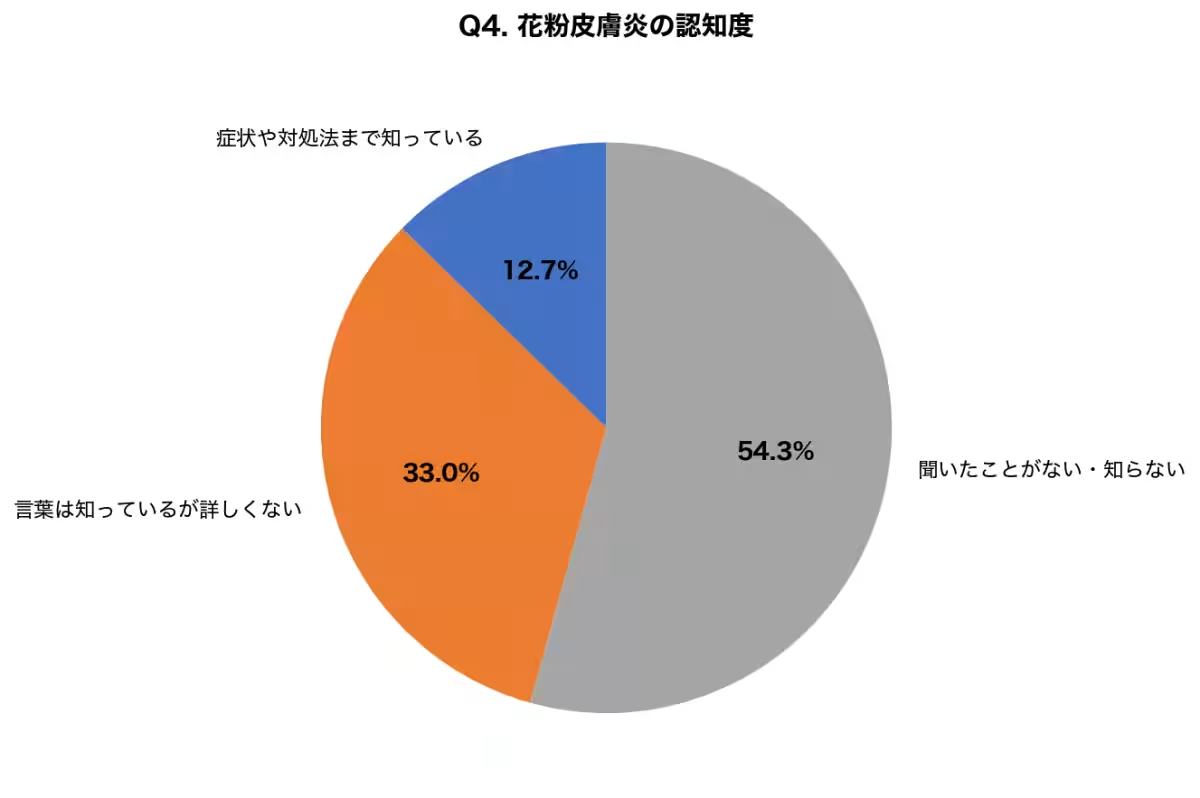
- - Lack of Awareness on Allergic Dermatitis: The term 'pollen dermatitis' is unfamiliar to 54.3% of participants, and only 12.7% have a correct understanding of its symptoms and appropriate care practices. This gap in knowledge underscores the necessity of widespread education on the condition and its management tactics.
What is Pollen Dermatitis?
Pollen dermatitis is an allergic skin condition triggered by the exposure to pollen from trees such as cedar and cypress, showing symptoms such as redness, itchiness, and dryness primarily during the pollen dissemination period, between February and May in Japan. Unlike general skin irritation, these allergic reactions are localized to exposed skin areas and can worsen with high pollen counts.
Understanding Skin Barrier Function
The skin barrier function refers to the role of the outermost layer of skin in protecting the body from external irritants and preventing moisture loss. When this barrier is compromised, allergens like pollen and particulate matter can penetrate more easily, causing inflammation and discomfort.
Differences Between Pollen Dermatitis and General Skin Irritation
| Feature | Pollen Dermatitis | General Skin Irritation |
|---|---|---|
| ------- | ---------- | ------------ |
| Active Period | Primarily during pollen season (Feb-May) | Year-round, often seasonal |
| Common Areas | Nose, cheeks, neck, around eyes | Can manifest anywhere on the body |
| Symptoms | Redness, intense itching, irritation | Dryness, scaling, mild itchiness |
| Itch Intensity | Often severe | Generally mild |
| Relationship with Pollen | Symptoms intensify on high pollen days | No specific correlation |
| Recommended Treatment | Pollen removal plus anti-allergy treatment | Moisturization-focused skincare |
(Consider individual variability and seek professional advice if symptoms persist.)
Study Background
As pollen levels rise annually from February to May, increasing numbers report skin irritation alongside classic pollen allergy symptoms like rhinitis and conjunctivitis. Although 'pollen dermatitis' is becoming a recognized term, many still struggle to distinguish it from standard skin dryness, making appropriate treatment difficult. The goal of this study was to capture the reality of skin troubles during pollen season and promote better awareness of self-care and when to seek medical treatment.
Survey Overview
- - Participants: 300 men and women aged 20 to 50 who have experienced skin issues during pollen season.
- - Duration: February 9-18, 2026.
- - Methodology: Online survey.
Main Insights
1. Skin Deterioration During Pollen Season: 68.7% reported worsening skin conditions during pollen months, signaling a strong connection between pollen and skin health.
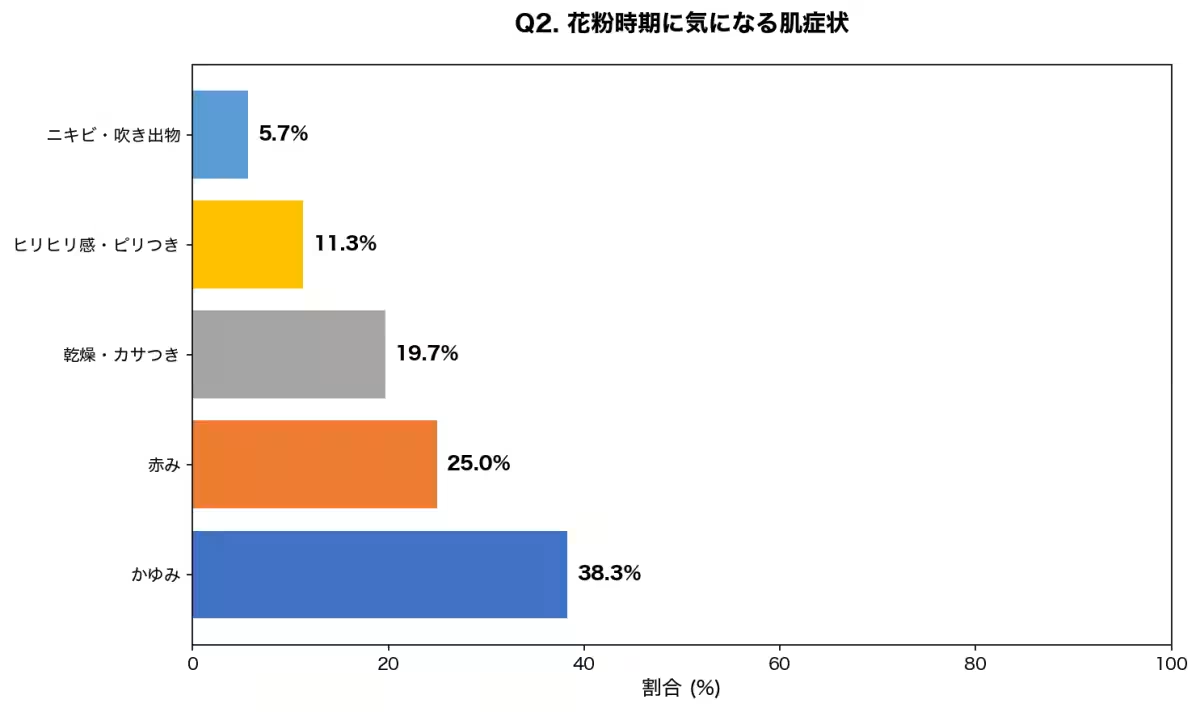
2. Itching is a Concern: 38.3% pointed to itchiness as the most troubling symptom, further highlighting the allergy's impact on daily life.
3. Reliance on Over-the-Counter Products: A staggering 62.0% opt for commercial skincare products, while only 14.3% visit a dermatologist, indicating a potential reliance on inadequate self-care measures.
4. Knowledge Gaps: Lack of recognition of 'pollen dermatitis' leads to misunderstanding about care and treatment, showing the necessity for heightened public health education.
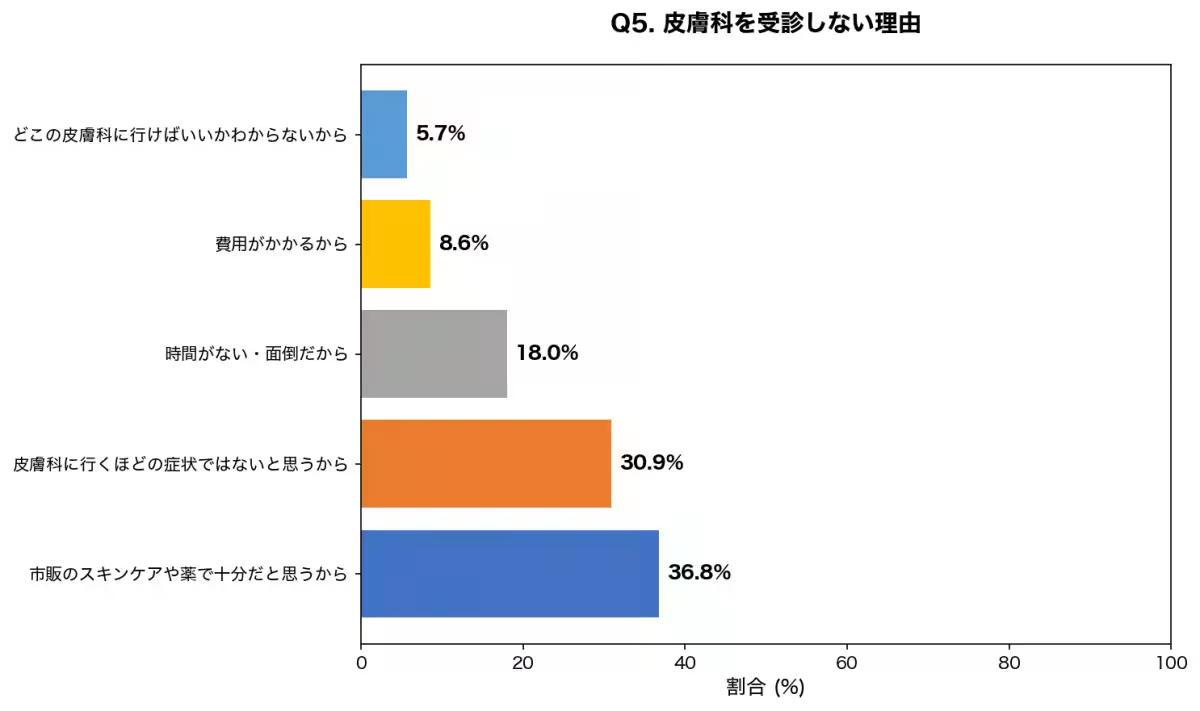
5. Reasons for Not Consulting a Dermatologist: Many cite that over-the-counter products suffice, demonstrating a misjudgment regarding the severity of their condition and risking chronic issues through self-treatment.
Conclusion
This detailed survey reveals a notable connection between pollen exposure and skin issues, with a significant knowledge gap in the understanding of pollen dermatitis. Comprehensive public education is vital to encourage effective self-care and timely medical intervention, which can prevent the chronic deterioration of skin health and improve the quality of life for many during pollen season.
Expert Insight
Dr. Kouta Takakuwa from IC Clinic emphasizes the need for awareness regarding pollen dermatitis, stating,
Topics Health)
【About Using Articles】
You can freely use the title and article content by linking to the page where the article is posted.
※ Images cannot be used.
【About Links】
Links are free to use.