



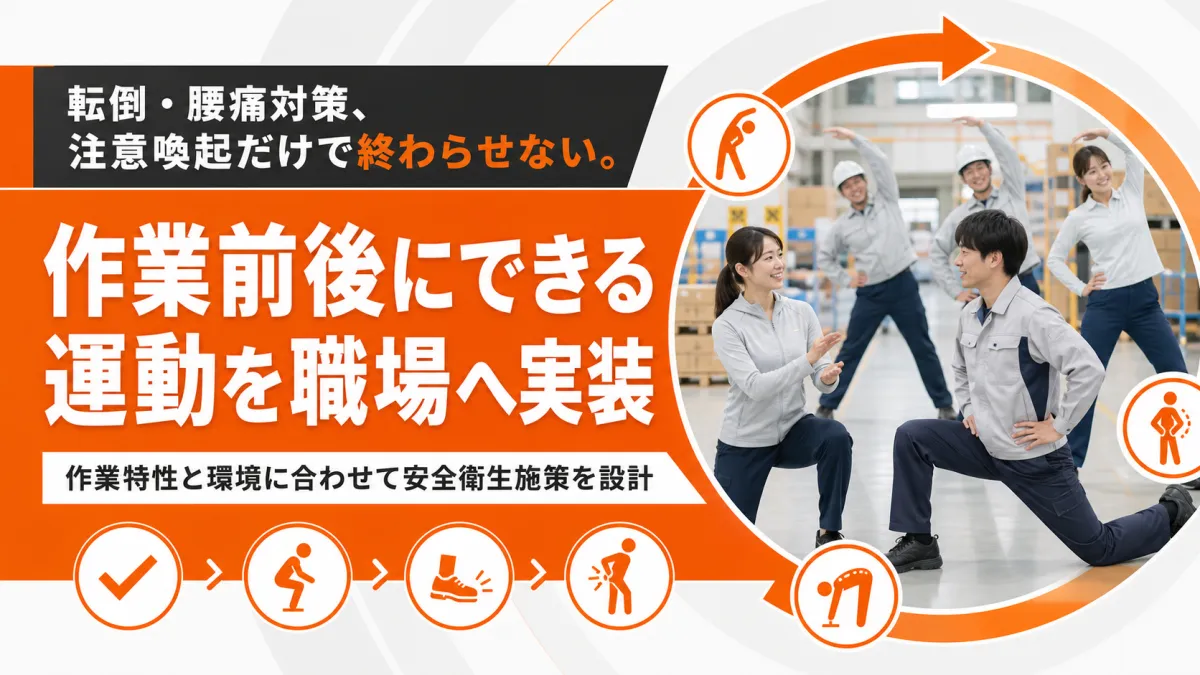
Fractal Workout Launches Safety Program to Reduce Workplace Injuries and Improve Employee Health
Fractal Workout Introduces a New Safety and Health Program
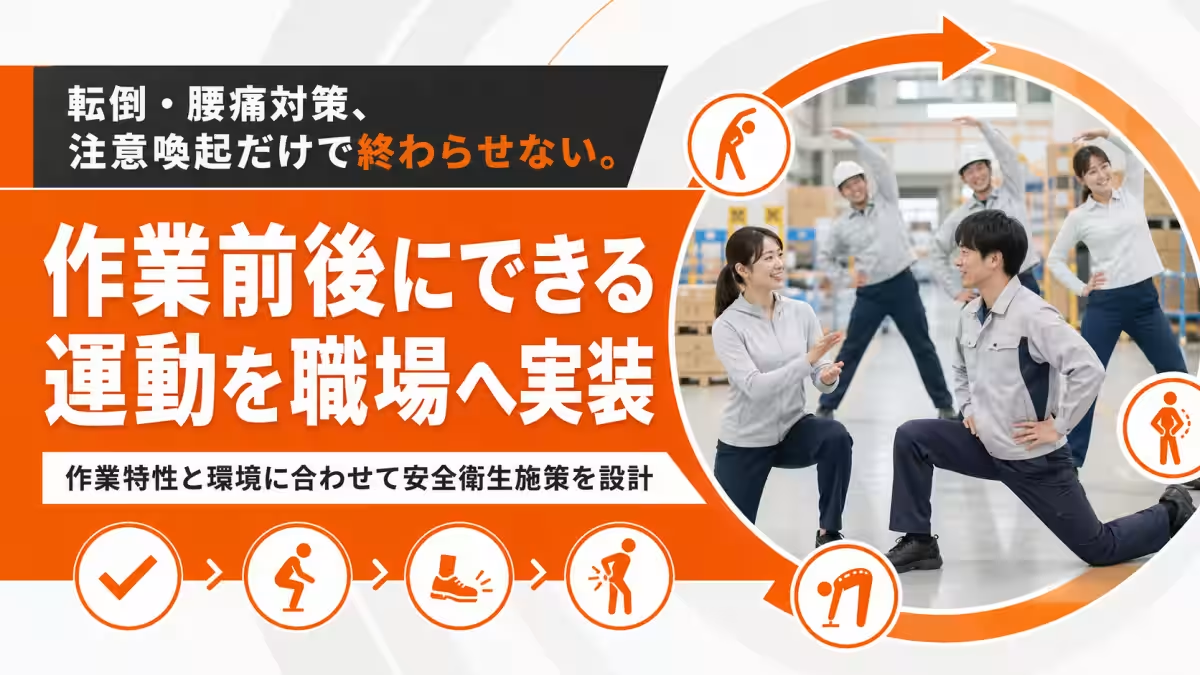
Fractal Workout Inc. has officially launched a new safety and health program aimed at addressing critical workplace safety issues such as falls, back pain, and commuting accidents. This comprehensive initiative is tailored for various industries, including construction, manufacturing, security, and logistics. The program emphasizes the significance of understanding work characteristics, workplace environments, and the physical burdens on employees. It allows companies to implement exercise regimens and safety training before and after work shifts to promote overall well-being.
The Holistic Approach to Injury Prevention
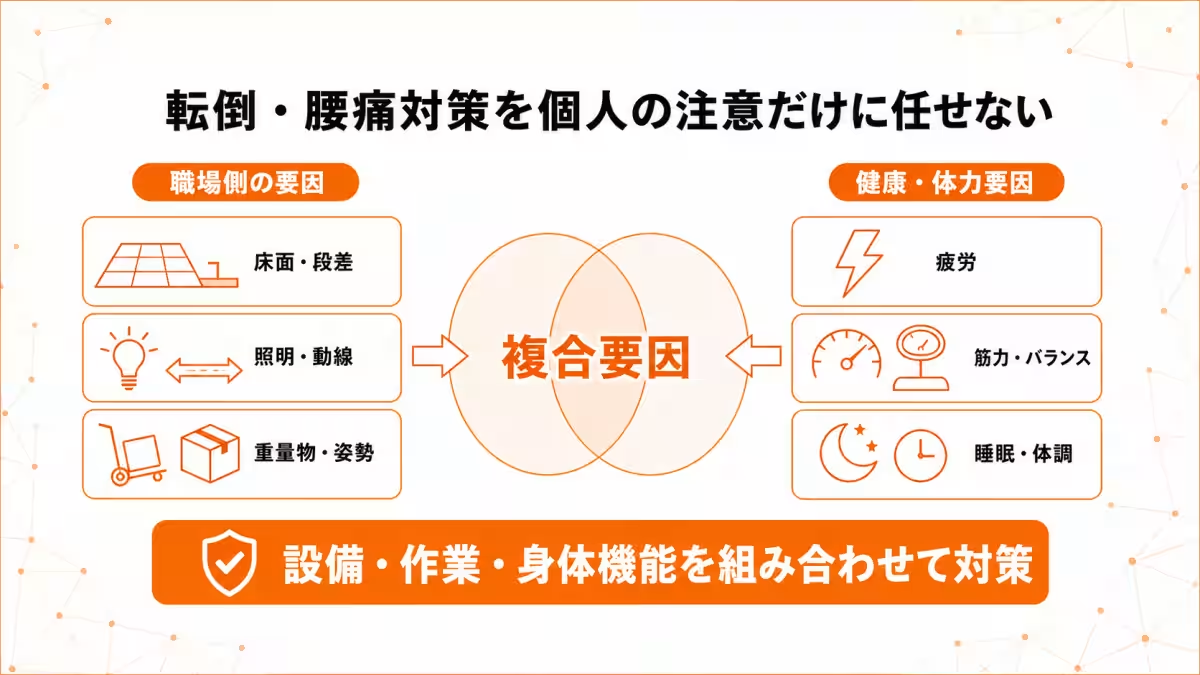
The program is designed to address not just personal vigilance concerning falls and back pain but also to account for workplace factors including flooring, elevation changes, lighting, workflow, heavy objects, work postures, and durations. All these elements interplay with human factors such as fatigue, muscle strength, balance, flexibility, sleep quality, and general health.
The Ministry of Health, Labour and Welfare has acknowledged the need for integrated measures that improve workplace safety and manage workers' physical capabilities in their guidelines for preventing falls and back pain.
Common Workplace Challenges
Companies often face several challenges with existing safety measures:
- - Routine exercises lack a clear objective.
- - Exercise content doesn’t match the work being performed.
- - Falls and back pain issues are dismissed as personal carelessness.
- - There's a separation between equipment improvements and bodily function strategies.
- - Safety measures aren’t suited for older employees.
- - Implementation methods vary across multiple locations.
- - Lack of documentation for exercise records and reflections.
- - Safety education for commuting is barely introduced during onboarding.
Stratifying Measures for Equipment and Exertion
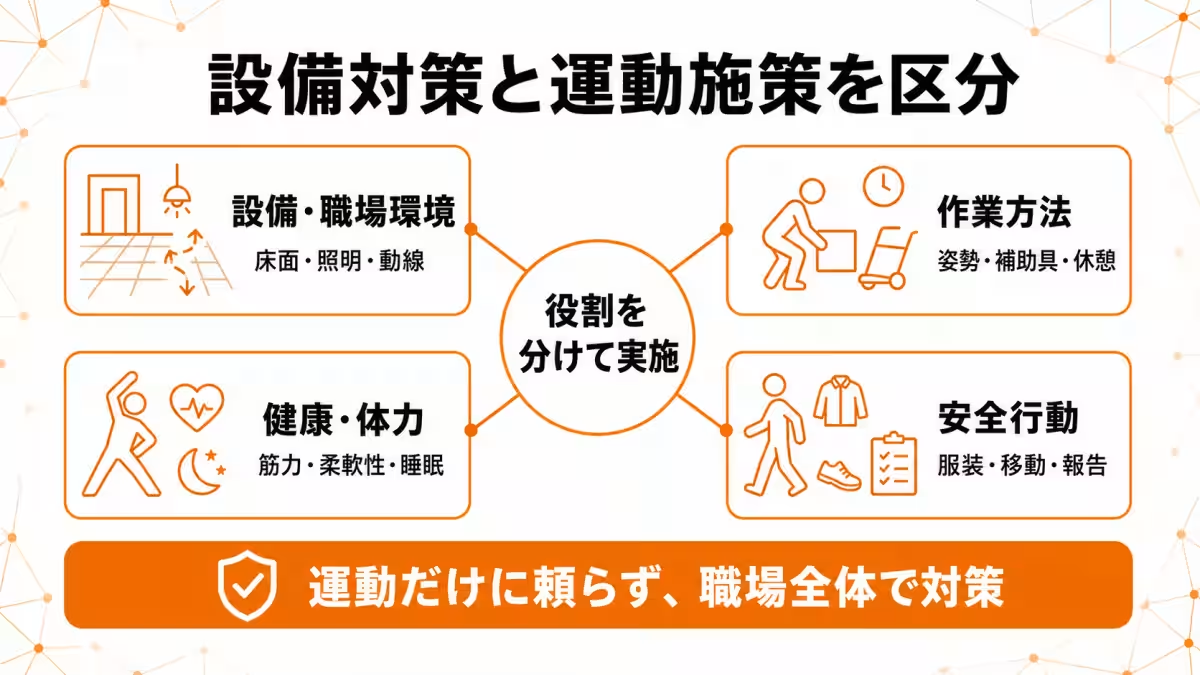
In addressing these issues, the program integrates various corrective measures:
Equipment and Workplace Environment Solutions:
This includes improvements to flooring, lighting, pathways, railings, workstation layouts, and breaks, primarily managed by the company's safety personnel.
Work Method Solutions:
Focus on safe lifting techniques, transportation methods, assistive devices, proper work postures, workload management, and scheduled breaks.
Health and Fitness Solutions:
Designing an exercise plan that takes into account the physical capabilities of employees — factoring in muscle, balance, flexibility, and fatigue levels alongside medical history.
Safety Behavior Education:
Conducting training sessions on appropriate clothing, footwear, ensuring temporal awareness, and safe behaviors when using stairs or navigating hazardous environments.
The 10-Minute Workplace Program
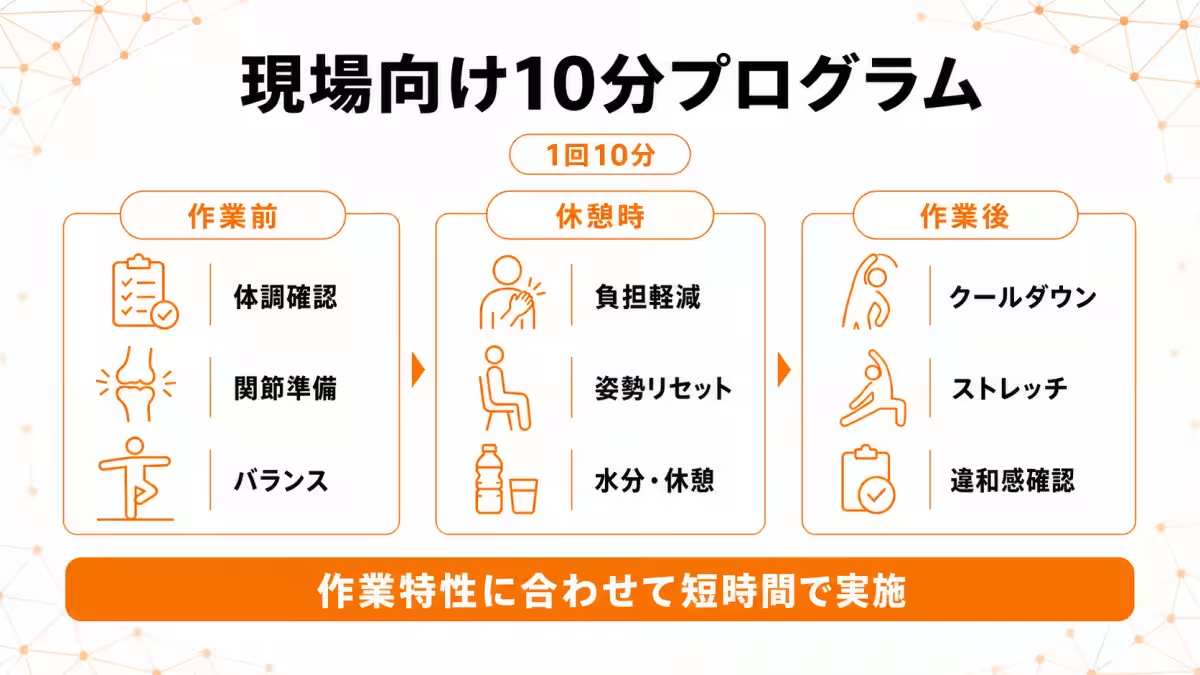
To enable easy implementation during work — before shifts, during breaks, and after hours — the program is structured into concise 10-minute sessions:
Before Work:
- - Check on health and pain levels.
- - Prepare joints (ankles, hips, shoulders).
- - Engage in lower body and core exercises.
- - Validate balance.
- - Share any work-related precautions for the day.
During Work/Breaks:
- - Perform exercises targeting back and shoulder relaxation.
- - Encourage movements to avoid prolonged static postures.
- - Monitor breathing and fatigue.
- - Reassess hydration and breaks.
After Work:
- - Cool down specific muscle groups used.
- - Stretch lower back, hips, legs, and shoulders.
- - Check for any pain or discomfort.
- - Review reporting methods for lingering issues.
The program ensures that uniform content isn't forced upon all roles but is adapted to features of specific duties like loading, transportation, security, driving, standing, and seated tasks.
Addressing Commuting Accidents
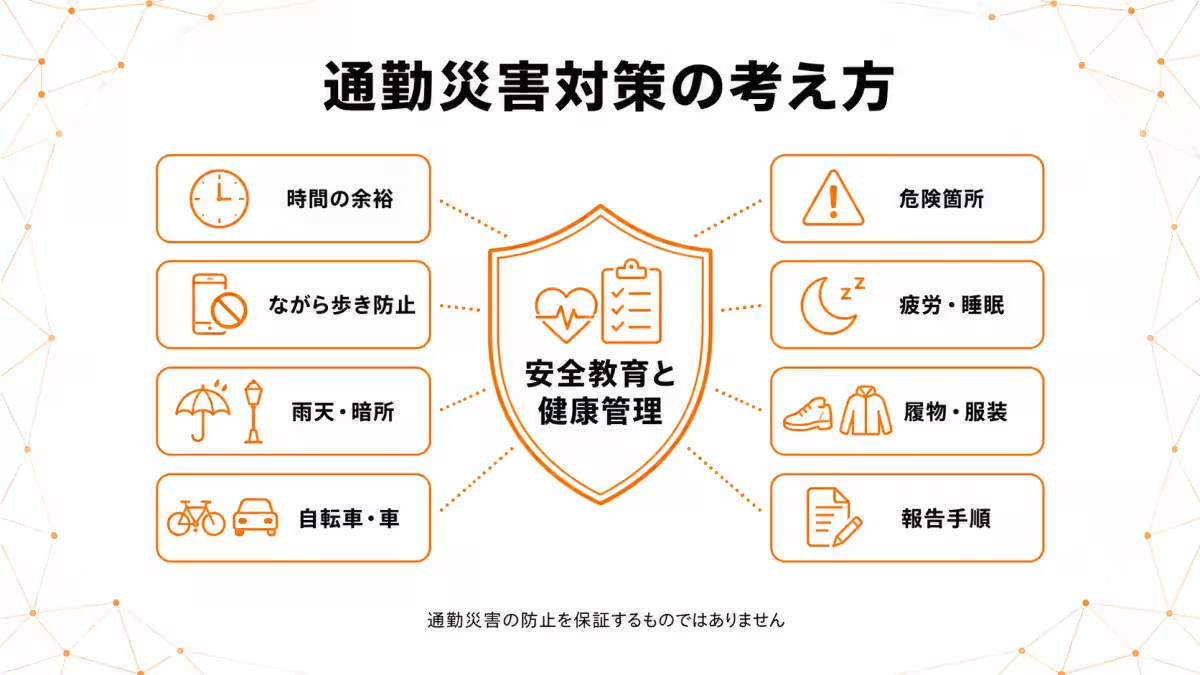
The nature of commuting accidents is different from workplace accidents, requiring distinct management and recognition criteria. The program focuses not on absolving companies from liability but on providing employees with the necessary training and health management.
Key components include:
- - Skillful time management to avoid rushed commutes.
- - Prevention of smartphone use while walking.
- - Awareness when traversing in inclement weather or dim lighting.
- - Promoting safe practices when using bicycles or cars.
- - Identifying hazards along commuting routes.
- - Guidelines for coping with fatigue, lack of sleep, or health issues.
- - Confirming suitable footwear and clothing.
- - Establishing accident reporting procedures.
Education and Implementation Record Keeping
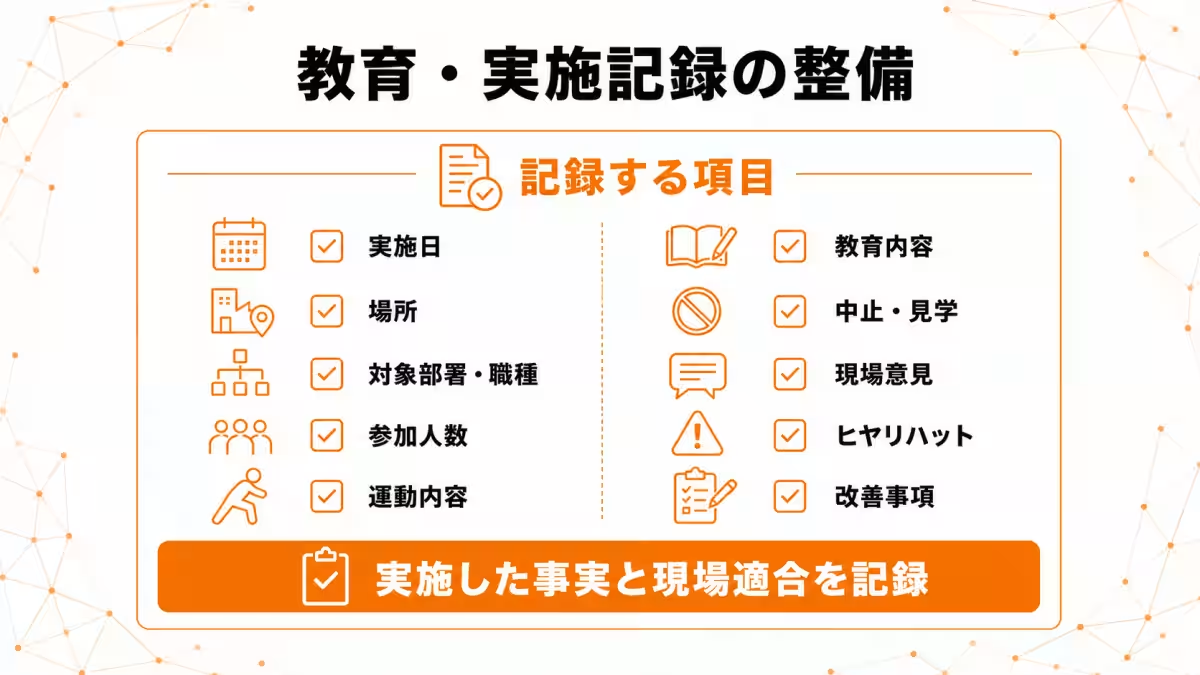
Introducing the program involves establishing organized record-keeping systems to track:
- - Implementation dates.
- - Locations of exercises.
- - Departments and roles targeted.
- - Attendance numbers.
- - Types of exercises performed.
- - Components of safety education.
- - Records of participants who opted out due to health issues.
- - Feedback from on-site workers.
- - Links to incidents or near-misses.
- - Suggestions for future improvements.
The goal is not only to document actions taken but also to constantly assess their compatibility with the workplace environment.
Anticipated Results for Organizations
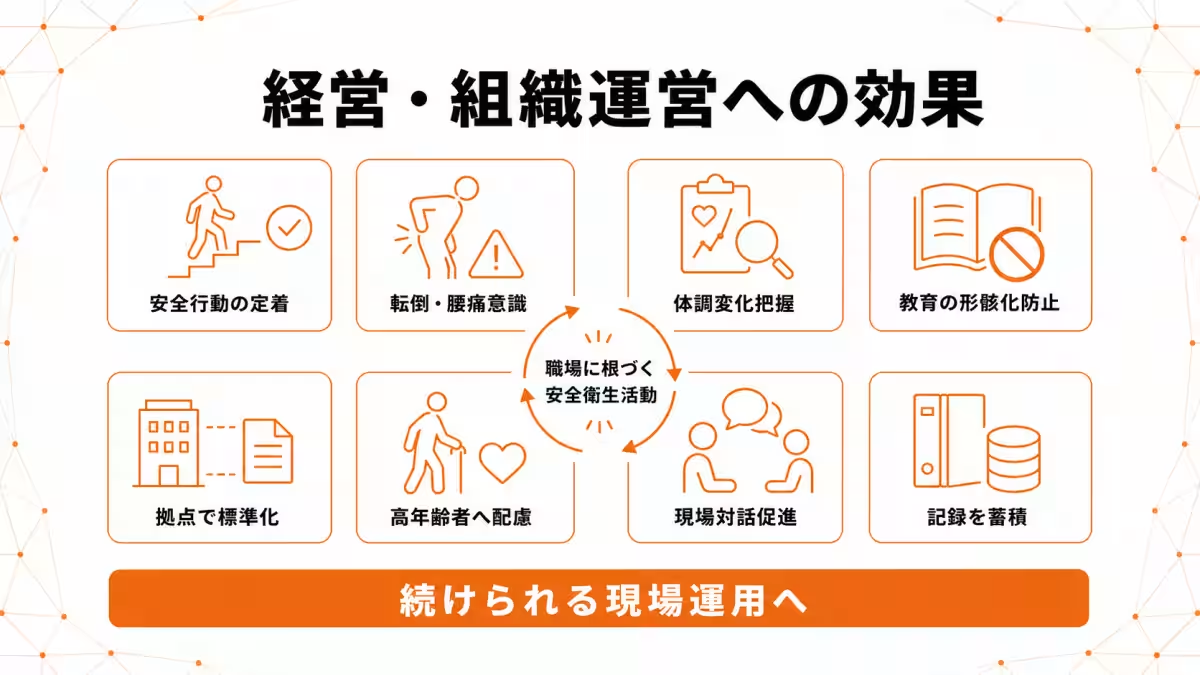
Implementing a workplace health and safety regimen is expected to yield numerous benefits, such as:
- - Establishing routine opportunities to review safety actions.
- - Increasing awareness surrounding falls, back pain, and physical fatigue.
- - Understanding health changes before work shifts.
- - Mitigating the risks of superficial safety training.
- - Standardizing implementation methods across multiple locations.
- - Considering the physical capabilities of older employees.
- - Enhancing communication between supervisors and workers.
- - Creating a repository for safety and health activity records.
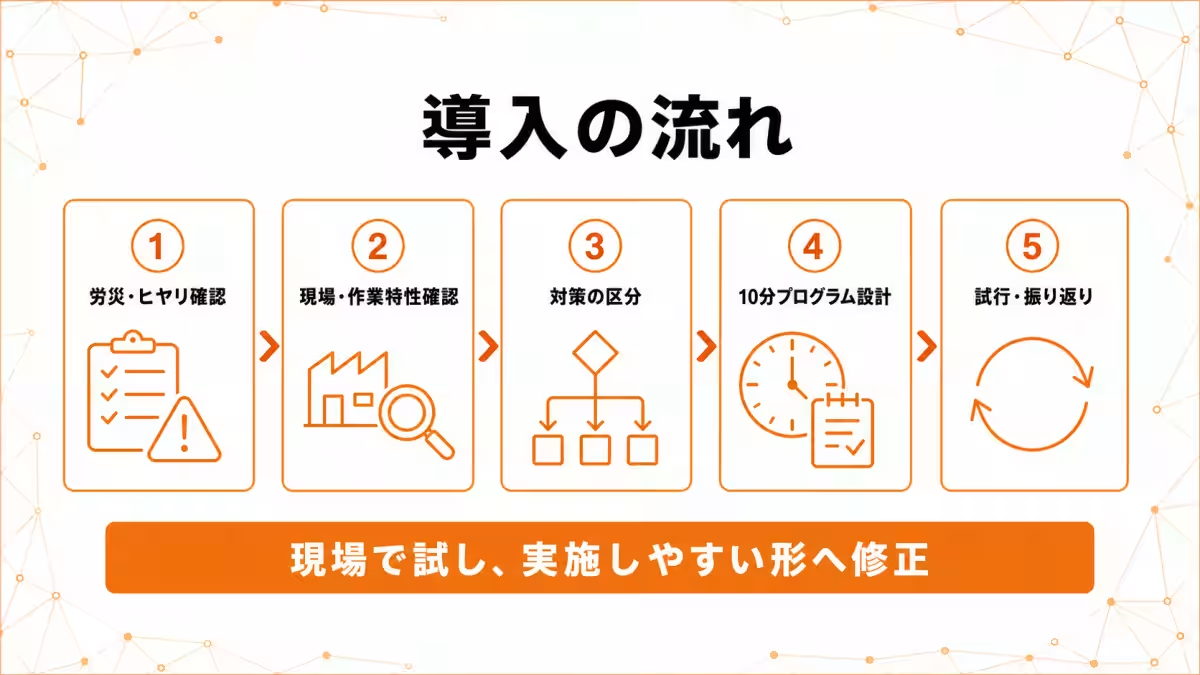
Steps to Program Adoption
1. Identify incidents: Review the circumstances surrounding workplace accidents or near-misses.
2. Assess the work environment: Examine equipment, workflow, postures, heavy loads, working hours, and worker characteristics.
3. Categorize measures: Classify solutions by equipment, work methods, training, and health strategies.
4. Design 10-minute Programs: Create exercise and education content for pre-shift, break periods, and post-shift times.
5. Trial and adaptation: Test in real situations to review feasibility, safety, and participant feedback for adjustments.
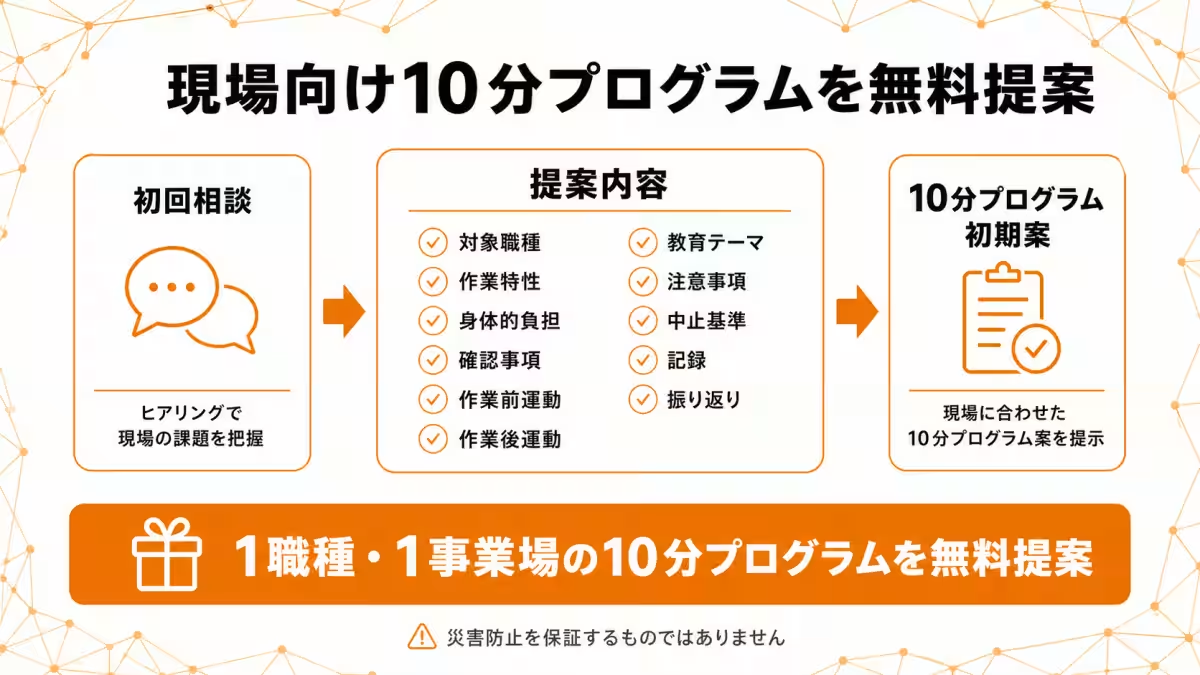
Free Proposal for a 10-Minute Program
For initial consultations, Fractal Workout offers a preliminary proposal for a tailored 10-minute program specific to one job role or location at no cost, which includes detailed considerations:
- - Target roles.
- - Work characteristics.
- - Anticipated physical challenges.
- - Necessary equipment and work method checks.
- - Pre-work exercises.
- - Post-work exercises.
- - Themes for safety training.
- - Important notes for execution.
- - Criteria for halting practice.
- - Record-keeping strategies.
- - Methods of evaluating progress.
Note: This program does not guarantee the elimination of workplace accidents or commuting incidents; it must be implemented in conjunction with improvements in equipment, risk assessments, management of tasks, and health care provisions.
- ---
Company Overview
Fractal Workout Inc.
Located in Harajuku, Shibuya, Tokyo, Japan, the company is led by CEO Masahiro Takase. Established in April 2020 with a capital investment of 500 million yen, Fractal Workout specializes in corporate health support and management services. They operate programs such as “BODY PALETTE,” medical fitness, personal training gyms, and personal Pilates sessions.
Contact Information:
Email: [email protected]
Website: Fractal Workout
Body Palette
Affiliations:
- - Member of PHR Service Business Association
- - Healthy Management Alliance
- - Cancer Control Promoting Corporate Action
- - Smart Life Project
- - Sports Promotion Companies in Tokyo
- - Silver certification as a Health-Friendly Company
Topics Health)

【About Using Articles】
You can freely use the title and article content by linking to the page where the article is posted.
※ Images cannot be used.
【About Links】
Links are free to use.