



Recent Changes in Trust Levels and Usage of Generative AI for Research: A Survey Analysis
Introduction
Nyle Inc., a leading player in the DX and marketing sector based in Tokyo, has conducted a third round of surveys analyzing the use and trust levels of generative AI in research. This analysis captures the shifting behavior and mindset of users over nearly a year, comparing findings from prior surveys conducted in 2025.
Survey Overview
The latest survey was conducted between May 27 and June 1, 2026, targeting a demographic of 3,000 individuals aged 20 to 60 across Japan. The main focus was to explore how generative AI is integrated into research activities and how perceptions of its reliability are changing.
Key Findings
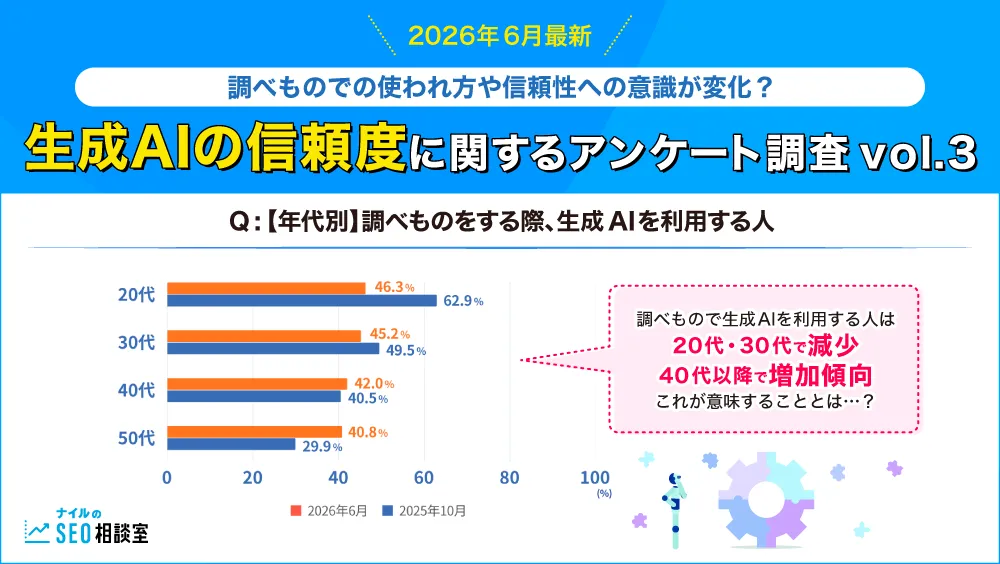
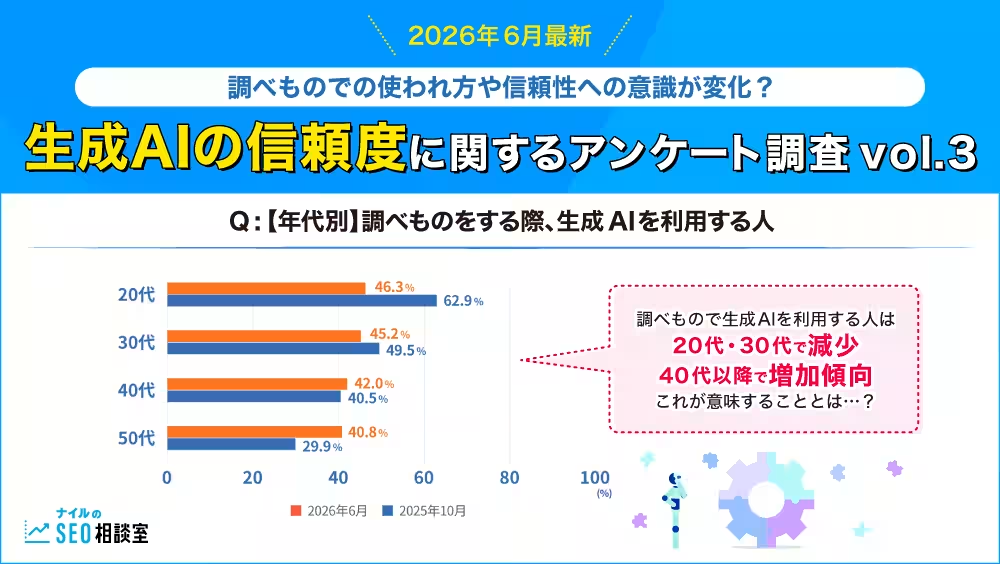
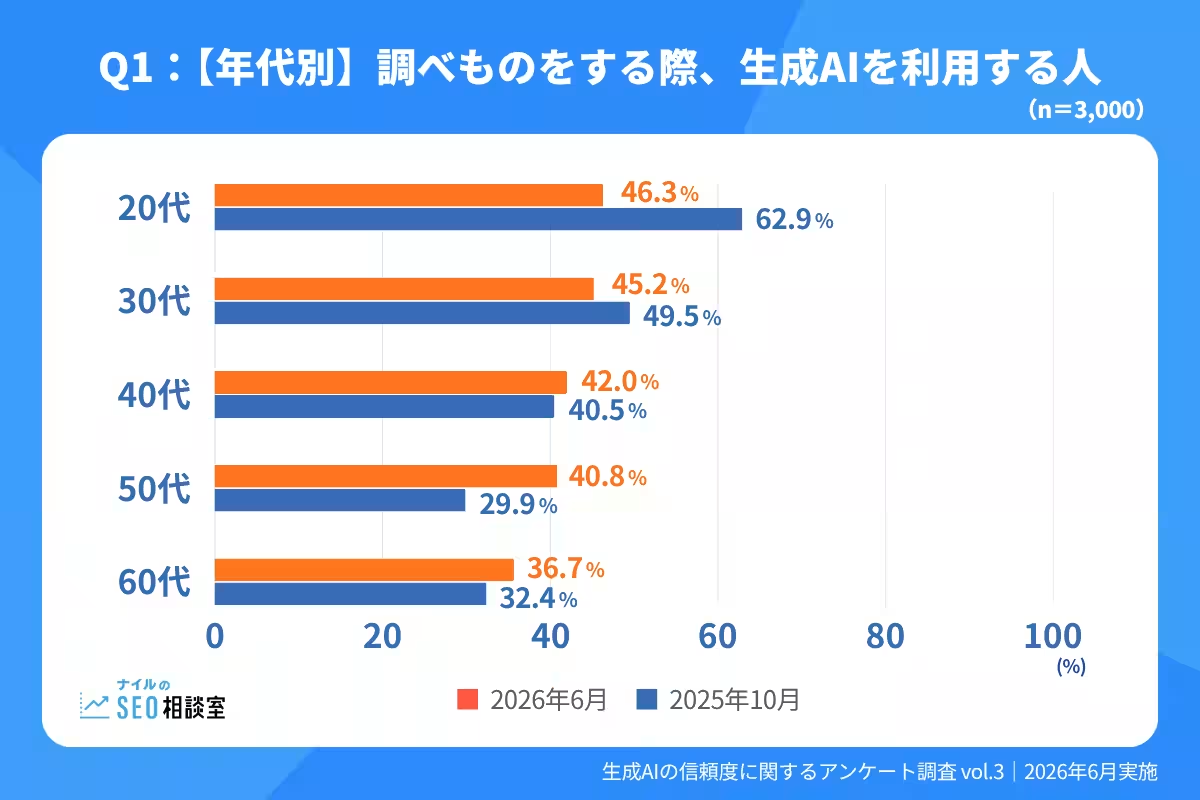
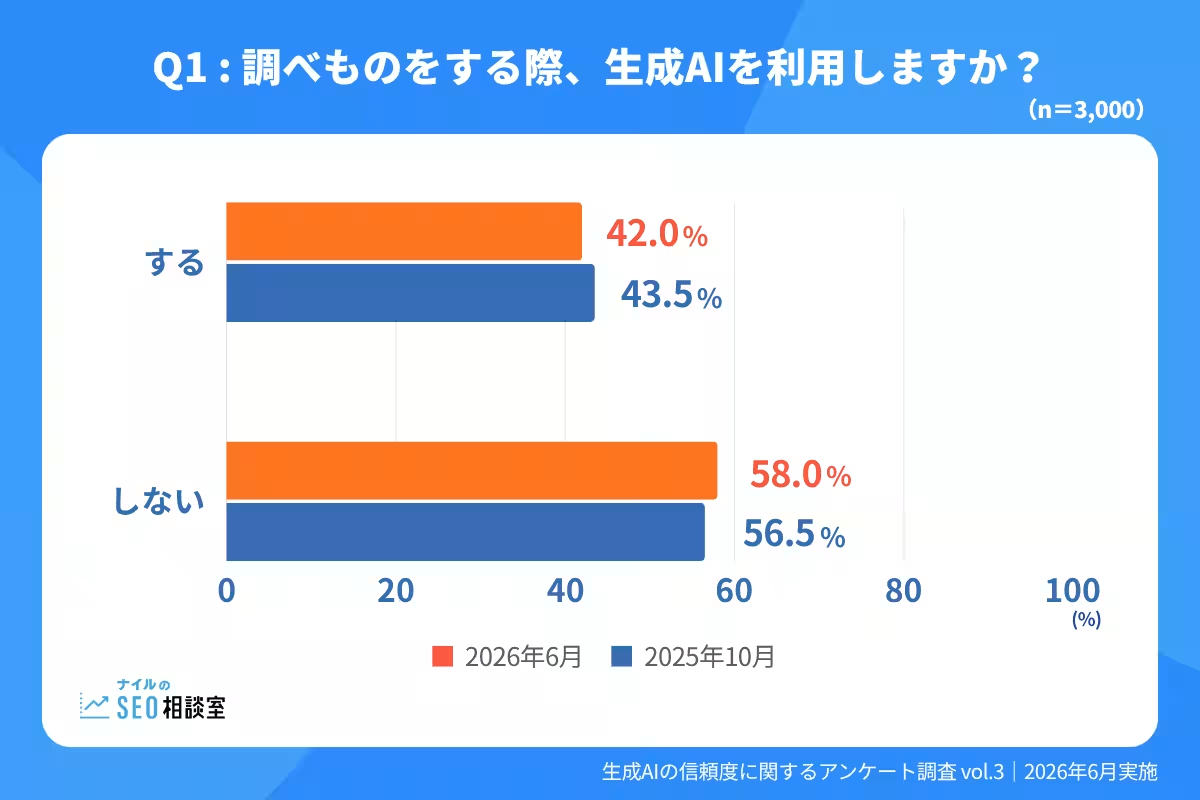
1. Utilization Rate Remains Steady: The percentage of individuals using generative AI for research stands at 42%, a slight decrease from 43.5% reported in the prior survey. Notably, while younger age groups are using generative AI less, older generations are increasing their engagement with this technology.
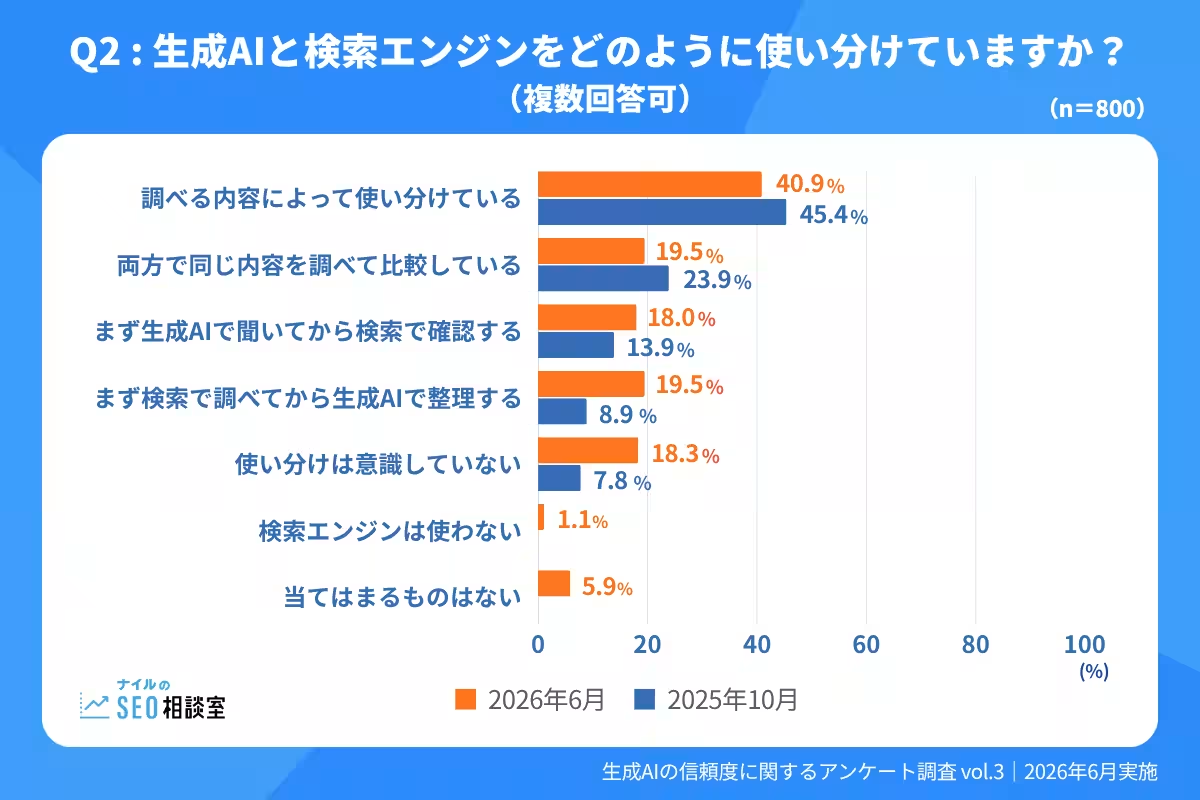
2. Diverse Usage Style: Users tend to employ both generative AI and traditional search engines depending on the research topic. The most common approach is to differentiate use based on the type of inquiry, revealing a nuanced understanding of each tool's strengths and weaknesses.
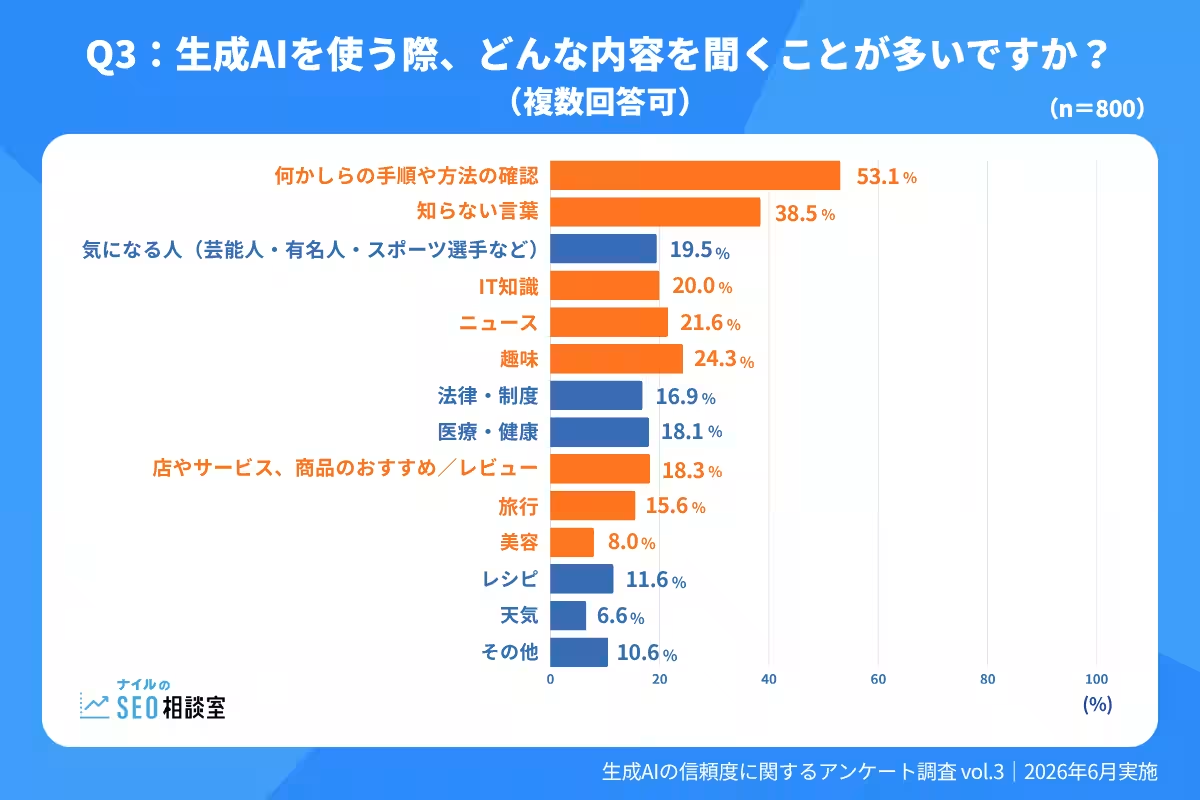
3. Content-Type Inquiry: When utilizing generative AI, users primarily seek confirmations of procedures and definitions of unfamiliar terms. There's a noticeable decline in using generative AI for recommendations and experiences, indicating that users still prefer firsthand accounts for such topics.
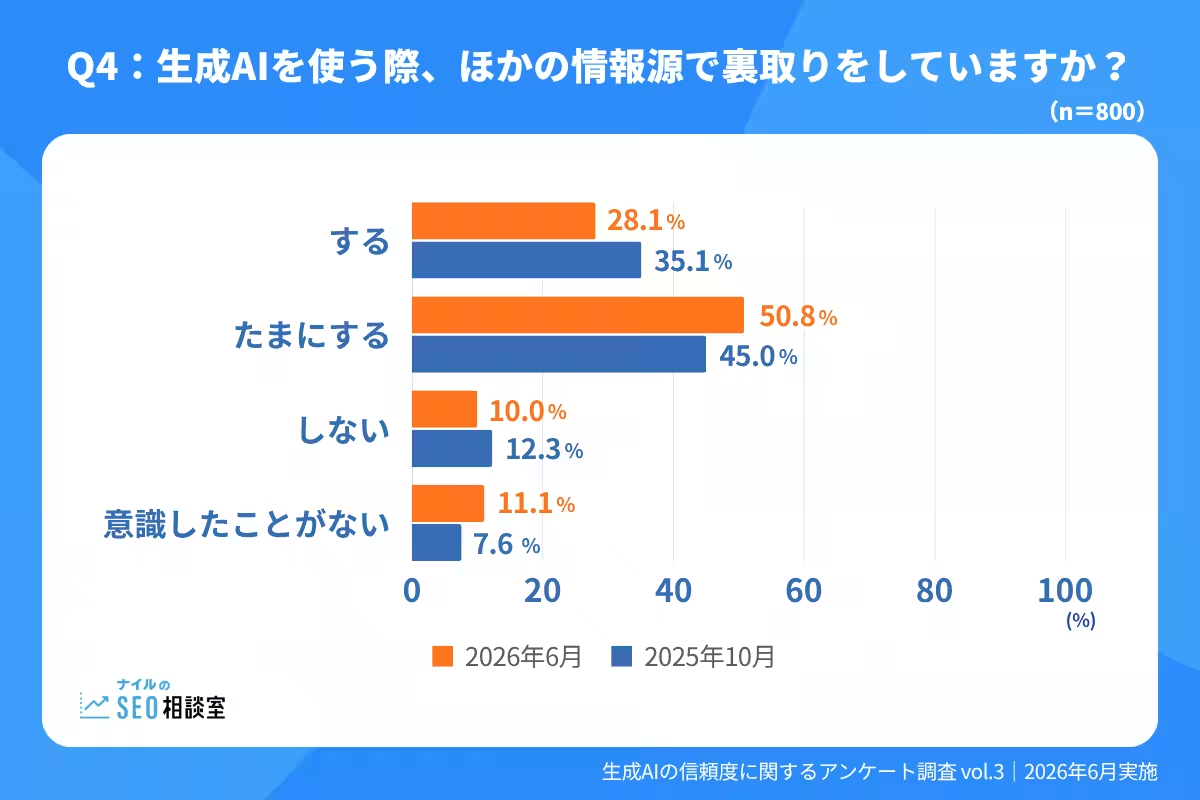
4. Fact-Checking Persistency: Approximately 80% of users utilize additional sources for validation, a statistic consistent with previous polls. However, the number of individuals verifying every piece of information has slightly declined, reflecting a potential shift in the trust users place in AI-generated responses.
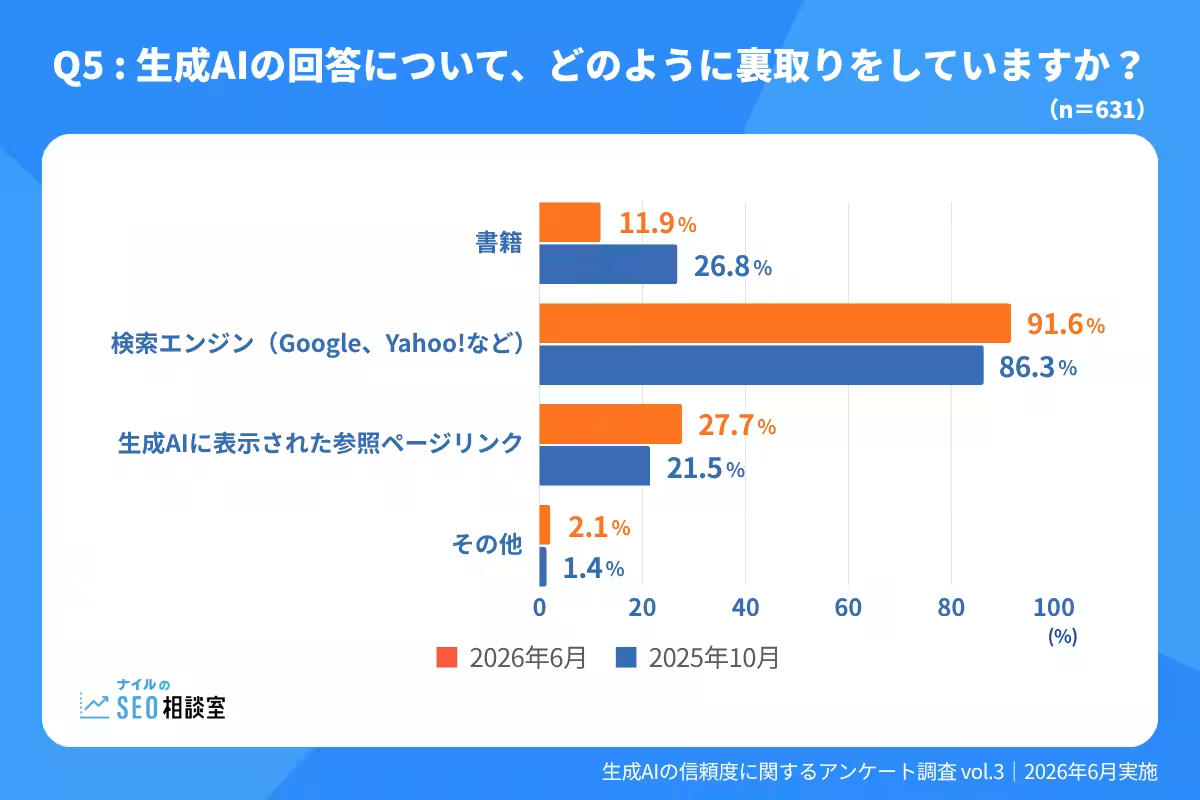
5. Search Engines Dominating Verification: An overwhelming 91.6% of users turn to search engines for checking the accuracy of information provided by generative AI. This highlights the ongoing reliance on traditional methods for validation despite the integration of advanced technologies.
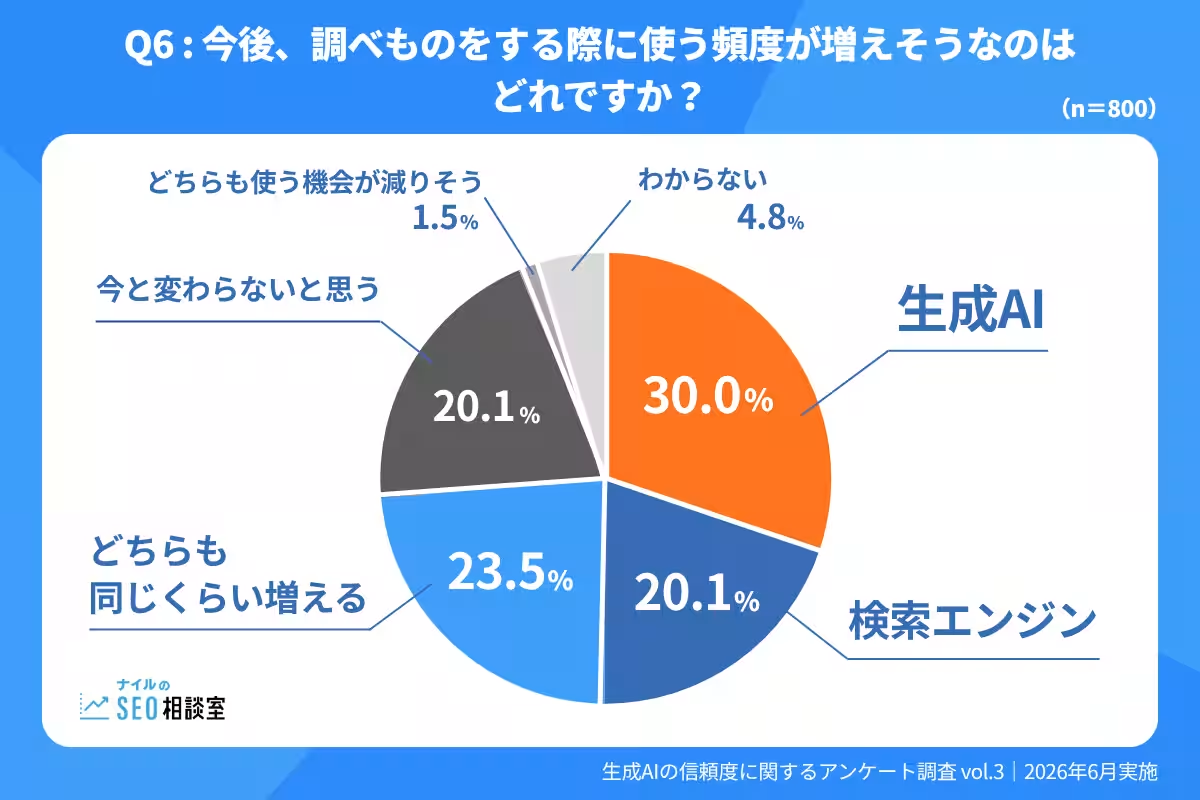
6. Future Preferences: Looking ahead, 30% of respondents expressed a desire to increase their use of generative AI, surpassing the 20.1% who favor traditional search engines. This trend points to a growing confidence in generative AI while still recognizing the importance of combining methods.
Age Group Analysis
Examining the data more closely reveals a distinct behavioral shift among different age groups. The reliance on generative AI for research tasks has dropped among users in their 20s and 30s, whereas individuals aged 40 and above are showing a marked increase in usage. This divergence suggests that older users may be beginning to explore and adopt digital tools that were previously unfamiliar to them.
Insights on Reliability and Trust
Despite maintaining a high fact-checking rate, the apparent risk tolerance among users is increasing, as fewer individuals are affirmatively confirming AI responses before acting on them. There is a noticeable rise in users turning to the reference links suggested by generative AI, signaling a trust evolution where individuals are comfortable following AI-generated leads occasionally.
Conclusion
The third wave of this survey illustrates a stabilization in generative AI usage at around 42%. As confidence is garnered across various age demographics, especially the older generations, the landscape of research is steadily evolving. The findings underscore a transitional phase, where users are adapting their traditional research methodologies to incorporate innovative technologies while still holding onto foundational practices for validating information. The continued growth potential of generative AI indicates a promising future where it might become a standard tool for researchers across various fields.
Final Thoughts
As Nyle Inc. anticipates the next survey cycle, the critical understanding of generative AI’s role in research will undoubtedly deepen, forcing even traditional researchers to consider how these technologies could enhance their methodologies.
Topics Consumer Technology)
【About Using Articles】
You can freely use the title and article content by linking to the page where the article is posted.
※ Images cannot be used.
【About Links】
Links are free to use.